The main model number is not enough to guarantee performance.
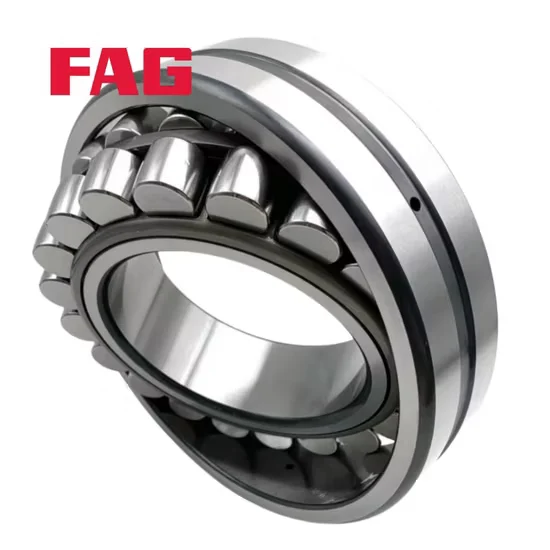
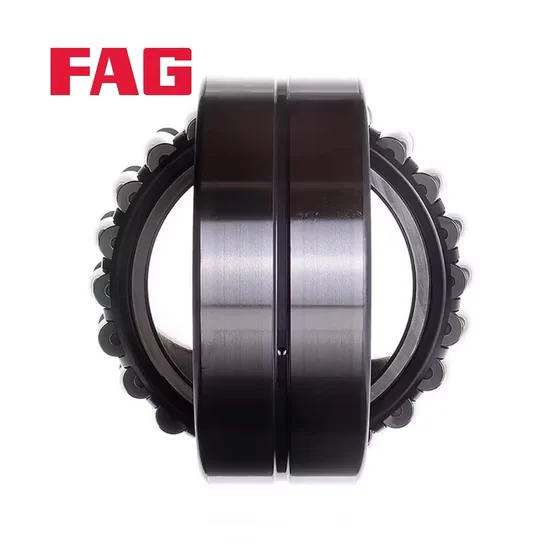
FAG 23028-E1A-M specifications define a spherical roller bearing with optimized internal geometry (E1) and a machined brass cage (M), specifically engineered for high-load, high-temperature applications where standard polyamide cages would fail.
I still remember the silence on the phone line from a procurement manager in Duisburg. It was not the quiet of satisfaction, but the heavy pause before a claim. We had shipped what we thought were standard FAG 23028 units for a crushing plant upgrade. The technical datasheet matched the outer dimensions perfectly. Yet, within weeks, the bearings seized. The culprit was not the steel quality or the load rating, but the suffix we had overlooked: the cage material. The client’s operating environment hit temperatures that softened the standard plastic cages, leading to catastrophic disintegration. That incident shifted my entire approach to sourcing. I no longer look at a bearing as just a ring of steel; I read the suffix code as a survival manual for the machine.

Understanding these nuances is critical for any buyer looking to secure reliable inventory. As a FAG 23028-E1A-M spherical roller bearing wholesale supplier, I see too many orders placed based on price alone, ignoring the technical safeguards built into the suffix. This guide breaks down exactly what those letters mean and why they matter for your bottom line.
What Are the Core Dimensions & Load Ratings of 23028-E1A-M?
Physical dimensions provide the fit, but load ratings determine the lifespan.
The FAG 23028 series belongs to the wide spherical roller bearing family, designed to accommodate misalignment and heavy radial loads. When verifying specs, most buyers start with the bore diameter, outer diameter, and width. For the 23028 model, these dimensions are standardized according to ISO norms, ensuring interchangeability across brands for the basic footprint. However, the “E1A” and “M” suffixes indicate internal modifications that do not change the external envelope but significantly alter the internal load distribution.
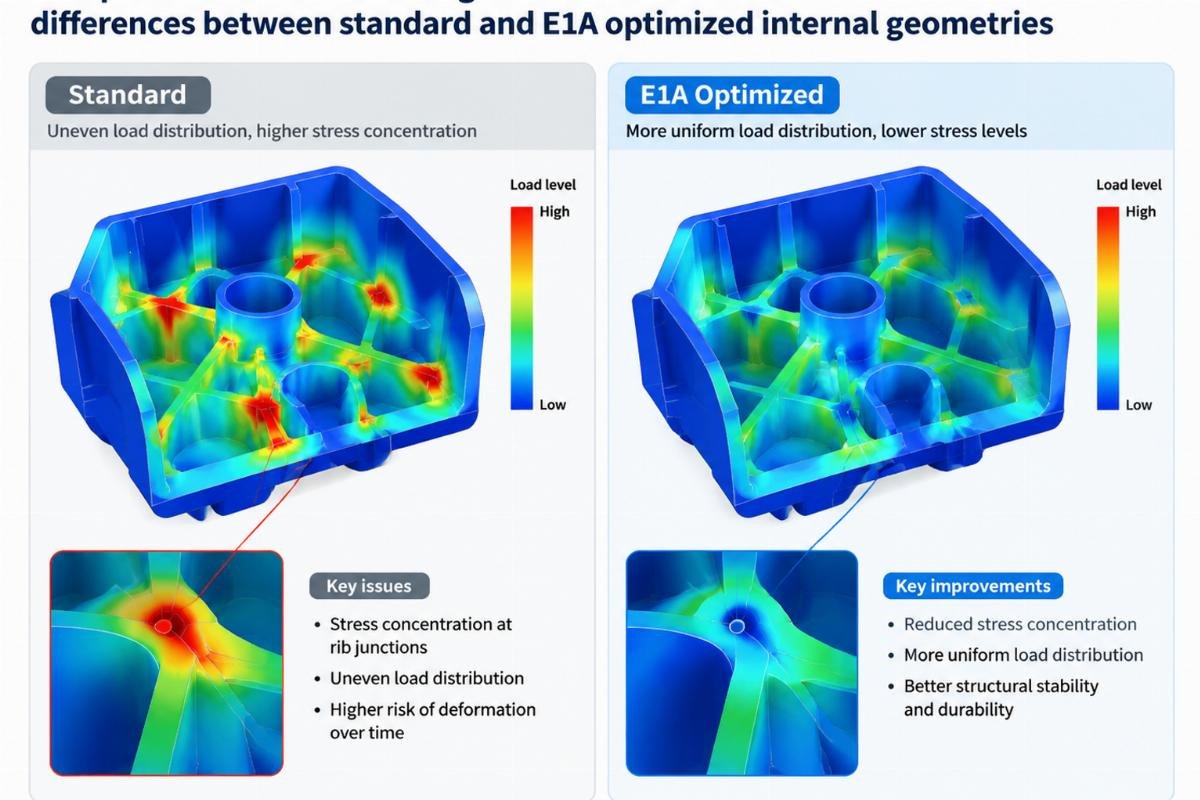
The dynamic load rating (Cr) and static load rating (C0r) are the primary metrics for selection. In the E1A design, the internal geometry is optimized to increase the number and size of rollers without increasing the external dimensions. This results in a higher load-carrying capacity compared to older designs. For MRO operators managing heavy crushers or vibrating screens, this means the bearing can withstand higher shock loads without premature fatigue.
| Parameter | Specification Detail | Significance |
|---|---|---|
| Bore Diameter | Standardized for 23028 series | Ensures fit on existing shafts |
| Outer Diameter | Standardized for 23028 series | Fits standard housing bores |
| Internal Design | E1A (Optimized) | Higher load capacity, better stress distribution |
| Cage Material | M (Brass) | High thermal resistance, suitable for harsh environments |
| Load Rating | Enhanced via E1 design | Extends service life under heavy radial loads |
A European mining operator once upgraded their vibration screens by switching from standard designs to the E1A variant. They did not change the housing or shaft, yet the maintenance intervals extended noticeably. The key was the increased dynamic load rating inherent to the E1 design, which handled the vibratory stresses more effectively. When sourcing from a FAG 23028-E1A-M spherical roller bearing wholesale supplier, ensure the load ratings in the provided datasheet match the E1A specification, not the baseline 23028 data.
Decoding the Suffix: Why ‘E1A’ and ‘M’ Matter for Your Application
Suffixes are not arbitrary codes; they are engineering constraints.
The string “E1A-M” tells a specific story about how the bearing behaves under stress. Breaking it down reveals why this specific configuration is preferred in demanding sectors like mining and metallurgy. The “E” stands for an optimized internal design. In FAG terminology, this usually indicates a modified roller set and raceway profile that improves load distribution and reduces edge stresses. The “1A” often denotes a specific variant of this optimization, sometimes related to the absence of a lubrication groove or a specific seal configuration, depending on the exact generation of the catalog.
The “M” is arguably more critical for operational safety. It signifies a machined brass cage. Brass is chosen for its high tensile strength and, more importantly, its ability to withstand higher temperatures than polyamide (plastic) cages. In applications where friction generates heat, or where the ambient temperature is high, a plastic cage can deform, lose its shape, and fail. A brass cage maintains its integrity, keeping the rollers evenly spaced and preventing skewing.
I recall a case involving a cement plant in the Middle East. The ambient temperature inside the mill housing was consistently high. They had been using bearings with polyamide cages to save on initial costs. The cages became brittle and shattered under thermal shock during startup cycles. Switching to the M-suffix brass cage resolved the issue entirely. The brass conducted heat away from the rolling elements more effectively and did not suffer from thermal degradation. For any buyer engaging with a FAG 23028-E1A-M spherical roller bearing wholesale supplier, verifying the “M” suffix is a non-negotiable step for high-temperature applications.

E1A-M vs. TVPB: Which Cage Material Fits Your Operating Environment?
Material choice dictates the thermal and chemical limits of the bearing.
Choosing between a brass cage (M) and a polyamide cage (TVPB or similar) is not just a preference; it is a risk management decision. Polyamide cages are lighter and offer good running properties in normal conditions. They are also generally less expensive. However, they have strict temperature limits and can be susceptible to chemical attack from certain aggressive lubricants or cleaning agents. Brass cages, while heavier, offer superior durability in harsh environments.
| Feature | Brass Cage (M) | Polyamide Cage (TVPB/TVH) |
|---|---|---|
| Thermal Resistance | High | Limited |
| Mechanical Strength | Robust, high tensile strength | Good, but prone to brittleness at extremes |
| Chemical Resistance | Excellent | Variable, depends on specific polymer |
| Weight | Heavier | Lighter |
| Cost | Higher | Lower |
| Best Application | High temp, heavy shock, mining | General industrial, moderate speeds |
The misconception that all cages perform equally under load leads to costly downtime. In a recent project for a steel mill, the procurement team initially opted for the lower-cost polyamide option. Within months, they faced repeated failures due to the combination of high radial loads and elevated operating temperatures. The switch to the M-suffix brass cage, despite the higher unit cost, reduced the total cost of ownership by eliminating frequent replacements and associated production stops.
When evaluating options from a FAG 23028-E1A-M spherical roller bearing wholesale supplier, ask for the specific thermal limits of the cage material. Do not assume that a bearing labeled merely as “23028” will have the same cage as the “23028-E1A-M”. The suffix defines the component, and the component defines the reliability.

How to Verify Authenticity & Specs During Procurement
Traceability is the only defense against counterfeit-induced failure.
The market for popular bearings like the FAG 23028 is flooded with counterfeits. These fakes often mimic the external markings but use inferior steel and incorrect cage materials. A fake “M” suffix might actually contain a low-grade plastic or poorly machined brass that fails under minimal stress. Verifying authenticity requires more than just checking the box. It demands a review of the traceability documentation.
Genuine FAG products come with batch-specific tracking that links the bearing to its manufacturing origin. This documentation should include the precise suffix code, confirming that the internal design is indeed E1A and the cage is machined brass. Physical inspection is also vital. A genuine machined brass cage will have a consistent, smooth finish and precise pocket geometry. Counterfeit cages often show rough machining marks or inconsistent dimensions.
A distributor in Southeast Asia once received a shipment that looked perfect on the outside. However, upon closer inspection of the cage pockets, the machining was irregular. The traceability codes on the packaging did not match the manufacturer’s database. By rejecting this batch, they avoided a potential disaster for their end-users. Working with a reputable FAG 23028-E1A-M spherical roller bearing wholesale supplier means having access to this level of verification. Do not hesitate to request proof of origin and technical datasheets that explicitly list the suffix details.

Conclusion
Suffixes define survival, not just specification.
The FAG 23028-E1A-M is not just a part number; it is a engineered solution for high-stress environments. The E1A design offers superior load capacity, while the M suffix ensures thermal resilience through its brass cage. Ignoring these details invites failure, while mastering them secures operational continuity. Always verify the suffix against your application’s thermal and load requirements, and insist on full traceability to guarantee authenticity.