
Most ground support equipment failures stem not from operational overload, but from microscopic corrosion acquired during ocean transit.
Genuine FAG bearings ensure US aerospace ground equipment reliability by combining micron-level precision with strict traceability documentation and marine-grade anti-corrosion packaging. For OEMs and MRO operators, sourcing authentic components requires verifying original mill certificates and ensuring packaging meets international aviation standards to prevent customs delays and operational downtime.
The distinction between a functional aircraft tow tractor and a grounded asset often lies in the integrity of its internal components. When I first entered the bearing trade, a mentor at Qingdao Port instilled a rigid standard: never compromise on documentation or packaging for aviation-related shipments. This lesson was cemented when a batch of precision bearings intended for a US client’s aircraft towing fleet arrived in Los Angeles with visible micro-rust on the inner rings. The culprit was not the manufacturing quality, but the decision to replace original wooden crates with simplified防锈 paper to save on freight costs. Coupled with missing country-of-origin certificates, the entire shipment was rejected. That incident highlighted that in the aerospace ground support sector, the physical bearing is only half the product; the accompanying proof of authenticity and protection is the other half.
Why Are Genuine FAG Bearings Critical for US Aerospace Ground Equipment?
Precision and material integrity directly dictate GSE safety and turnaround times.
Aerospace ground equipment operates under unique stress profiles. Unlike standard industrial machinery, GSE such as aircraft tow tractors and belt loaders must handle extreme weight variations while maintaining absolute reliability to avoid delaying flight schedules. Genuine FAG bearings are engineered to withstand these high-cycle demands through superior steel purity and consistent heat treatment processes.
The primary advantage of using authentic FAG components lies in their dimensional stability. In high-precision applications like ground power units, even minor deviations in raceway geometry can lead to increased noise levels and premature fatigue. Counterfeit or substandard bearings often lack the controlled nitrogen infusion and rigorous grinding protocols that define premium European manufacturing. This results in inconsistent load distribution, which accelerates wear in the harsh environments typical of airport tarmacs.
For wholesalers and distributors, understanding this technical baseline is crucial. Clients are not merely purchasing a mechanical part; they are buying insurance against unplanned downtime. A single bearing failure in a main gearbox can halt operations for days, costing airlines and service providers significantly more than the price difference between genuine and alternative parts. By prioritizing verified FAG bearings, suppliers provide a layer of operational security that generic alternatives cannot match.
What Traceability Documents Are Mandatory for Aviation Bearings?
Original paperwork is as vital as the bearing itself for US customs and airport audits.
In the regulated environment of US aerospace, physical specifications alone are insufficient. Customs authorities and airport safety auditors require a complete chain of custody for critical components. Missing or incomplete documentation can lead to immediate seizure of goods, regardless of the bearing’s physical condition.
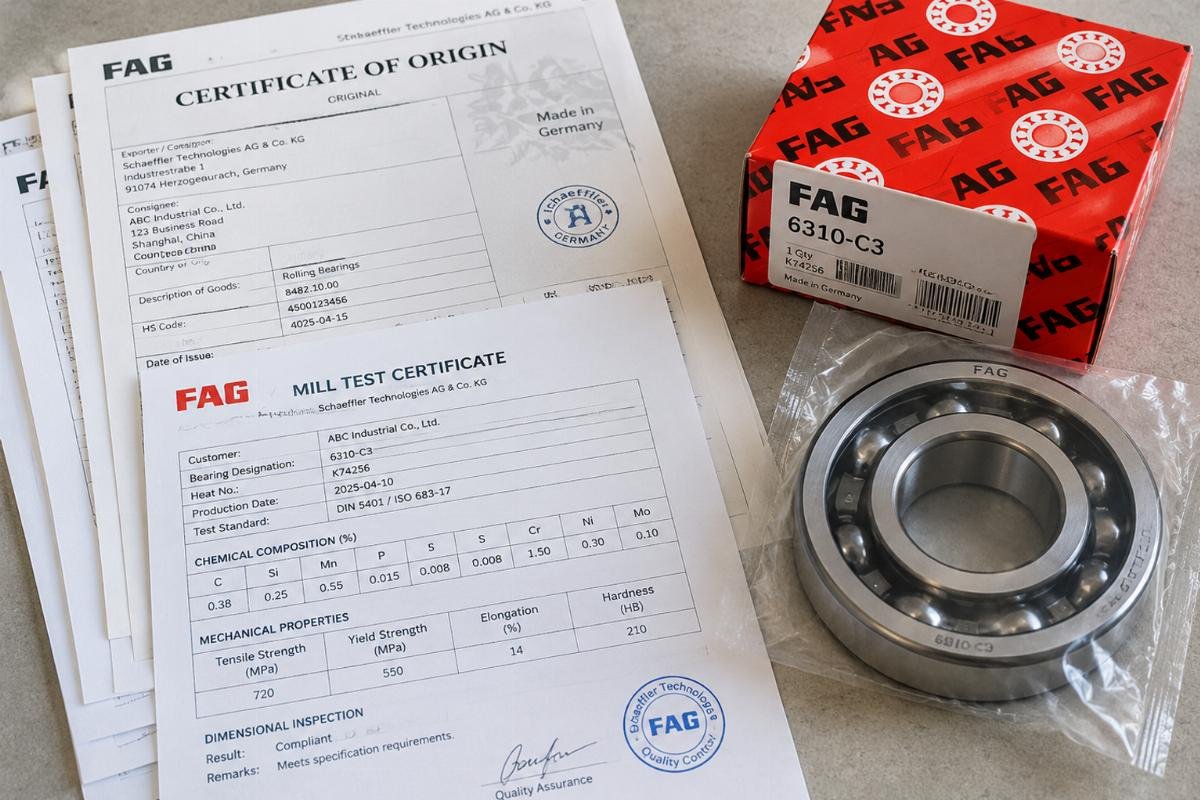
The essential documents for importing FAG bearings include the Certificate of Origin (COO), mill test certificates, and official authorization letters from the manufacturer. These documents verify that the bearings were produced in approved facilities and meet specific ISO quality protocols. Without these, even genuine products may be flagged as counterfeit or non-compliant, leading to lengthy clearance delays.
A common pitfall for inexperienced suppliers is assuming that commercial invoices suffice. However, aviation clients often require batch-specific tracking numbers that link the delivered items back to the original production run. This level of traceability ensures that any potential quality issues can be isolated and addressed without recalling entire fleets of equipment. For distributors, maintaining an organized archive of these documents is not just an administrative task but a core component of their value proposition.
Consider the case of a Middle East-based distributor who supplied GSE parts to a major US contractor. The initial shipment was held at port for weeks because the mill certificates were digital copies rather than original stamped documents. This delay forced the client to source emergency replacements locally at a premium, damaging the supplier’s reputation. Ensuring that every shipment of FAG bearings includes hard-copy, verifiable documentation prevents such disruptions and builds long-term trust with discerning buyers.
How to Prevent Transit Damage When Shipping FAG Bearings to the US?
Strict anti-rust protocols and original crates are non-negotiable for ocean freight.
Ocean transit exposes metal components to high humidity and salt air, creating ideal conditions for corrosion. For precision bearings, even microscopic rust spots can compromise performance and lead to rejection upon arrival. Therefore, packaging is not merely a logistical concern but a technical requirement for maintaining product integrity.
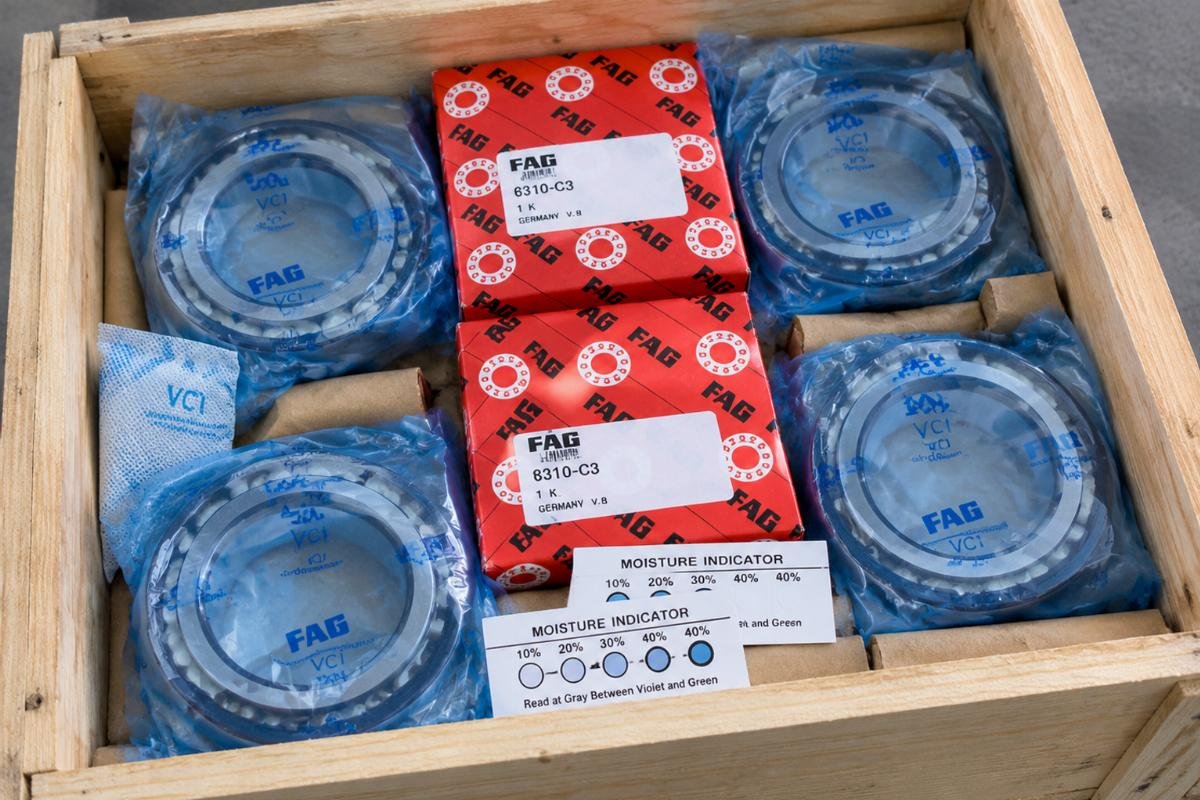
Genuine FAG bearings are typically shipped in original wooden crates or heavy-duty cardboard boxes with specialized vapor-corrosion inhibitor (VCI) paper. These materials create a barrier against moisture and neutralize corrosive gases during long voyages. Replacing these with standard plastic wrapping or generic desiccants is a risky shortcut that often results in damaged goods.
The process of preparing bearings for export involves several critical steps. First, each bearing must be cleaned and coated with a protective oil. Second, it should be wrapped in VCI paper and sealed in a moisture-proof bag. Finally, the packaged units must be secured in rigid containers that prevent movement and impact during handling. Deviating from this protocol, as seen in the earlier Los Angeles incident, invites failure.
For suppliers managing mixed-brand consolidations, it is essential to maintain the original packaging of premium brands like FAG. Combining different brands in a single container is efficient, but each item must retain its individual protective integrity. This approach ensures that when the cargo reaches the US, the bearings are in pristine condition, ready for immediate installation or stocking.
Which FAG Bearing Types Best Suit Heavy-Duty Aircraft Tow Tractors?
Spherical and cylindrical roller bearings deliver optimal load capacity for high-impact GSE.
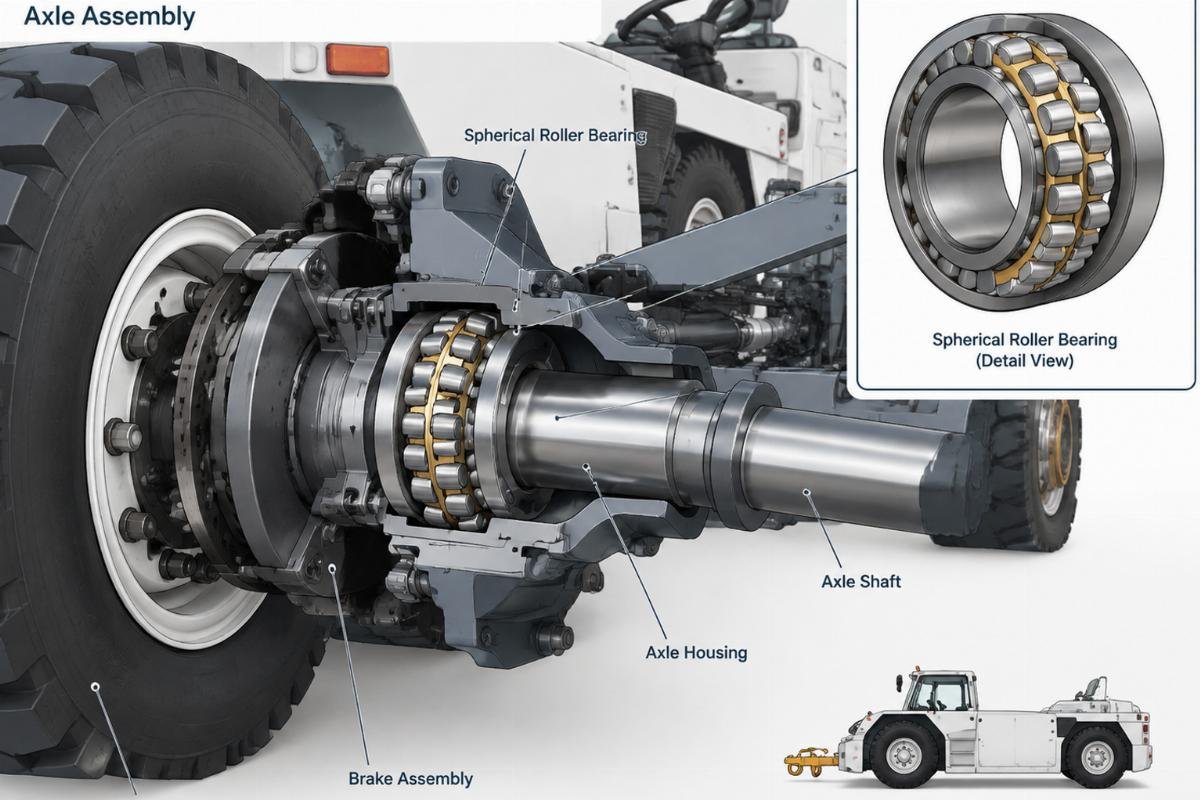
Aircraft tow tractors are subject to intense shock loads and misalignment stresses due to the uneven surfaces of tarmacs and the heavy weight of aircraft. Selecting the right bearing type is critical for ensuring durability and minimizing maintenance frequency.
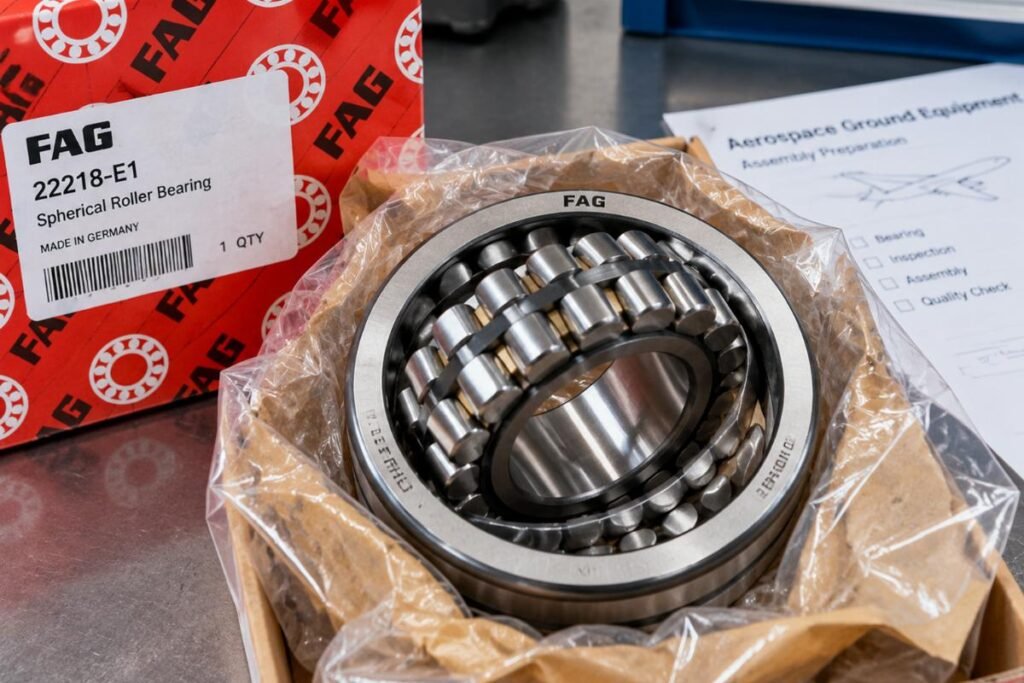
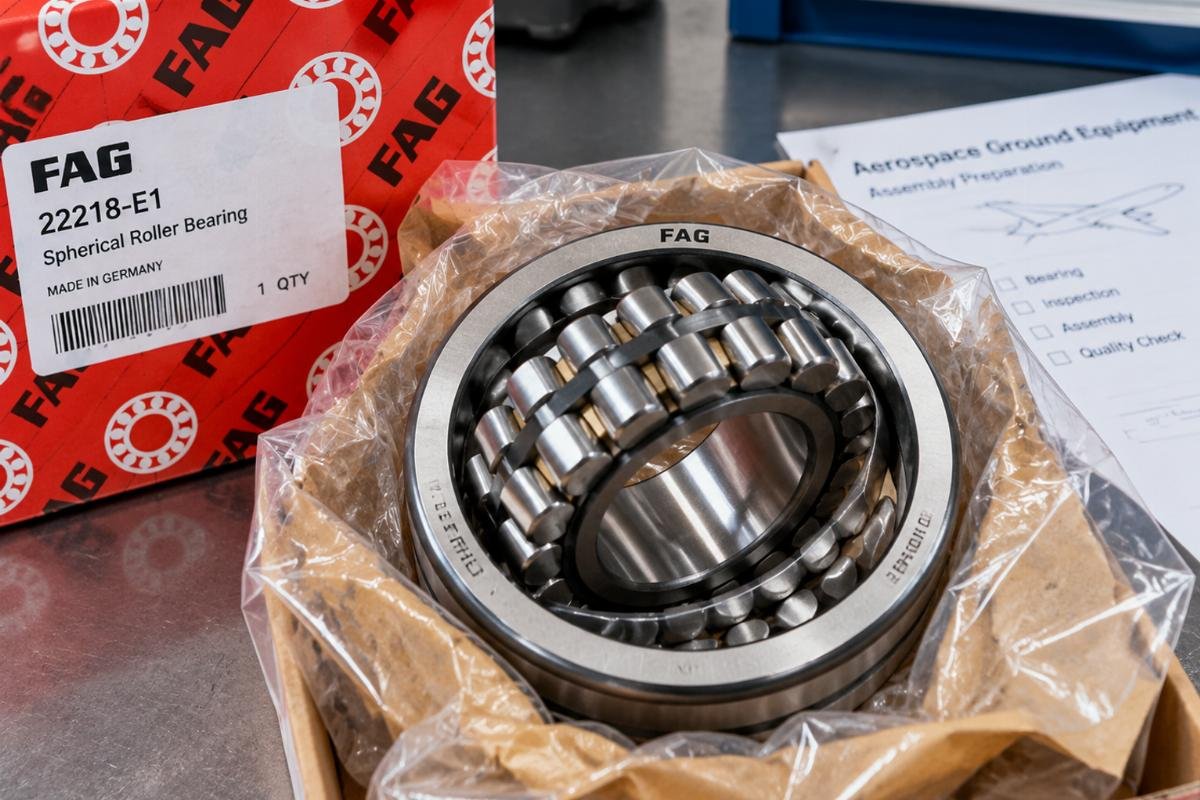
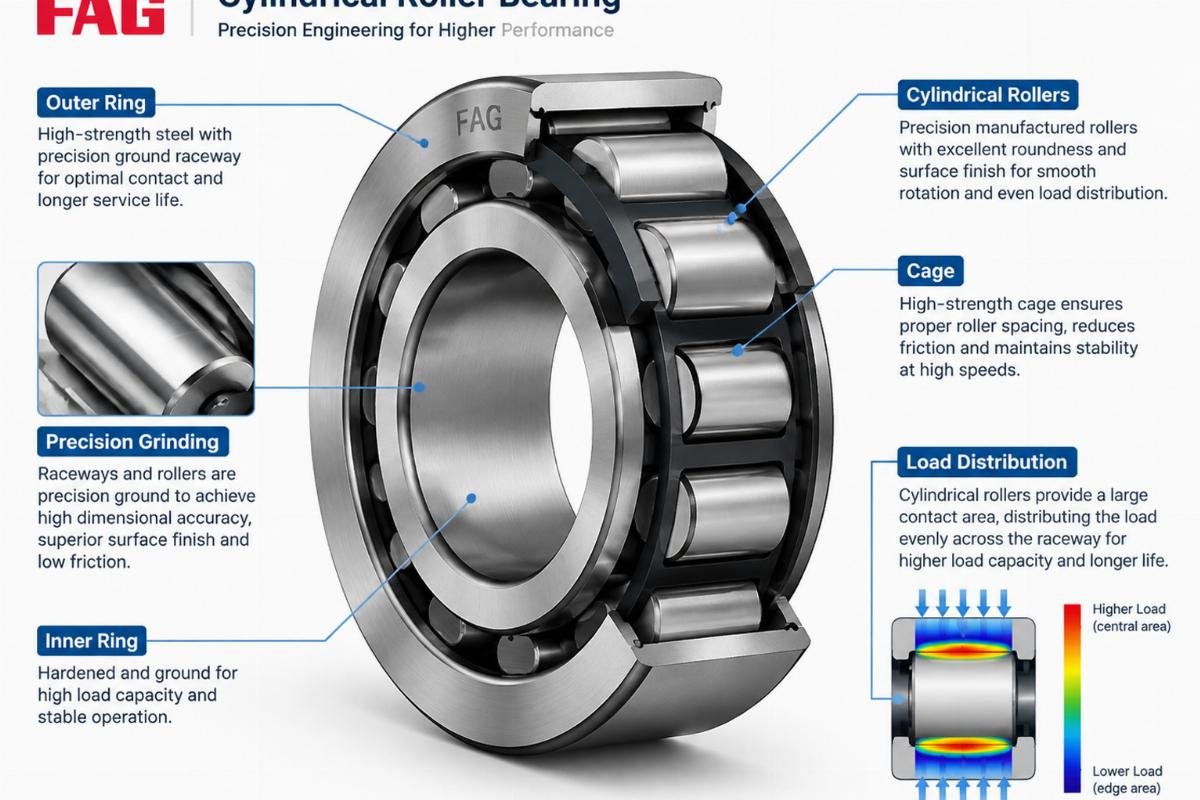
Spherical roller bearings are particularly well-suited for these applications because they can accommodate angular misalignment and heavy radial loads. Their self-aligning capability reduces stress on the housing and extends service life in rough operating conditions. Cylindrical roller bearings, on the other hand, offer high radial load capacity and stiffness, making them ideal for gearbox applications where precision and strength are paramount.
When sourcing these components, it is important to verify the precision grade. For GSE applications, standard P0 or P6 grades are often sufficient, but high-speed components may require P5 precision. Distributors should consult technical datasheets to ensure the selected bearings meet the specific load ratings and speed requirements of the equipment.
A European wind farm operator once consolidated their GSE maintenance by switching to a unified supply of FAG spherical roller bearings for their heavy transport vehicles. This standardization reduced SKU complexity and improved lead times for spare parts. By focusing on the most robust bearing types for their heaviest duties, they achieved noticeable reductions in unplanned maintenance events. This strategy highlights the importance of matching bearing characteristics to operational demands.
Conclusion
Authenticity, documentation, and protection define the value of aerospace ground support bearings.
Sourcing FAG bearings for US aerospace ground equipment requires a holistic approach that extends beyond simple product selection. Ensuring genuine origin through verifiable traceability documents and maintaining integrity via marine-grade packaging are essential steps for any serious supplier. By adhering to these standards, distributors can provide reliable solutions that meet the rigorous demands of the aviation industry.



