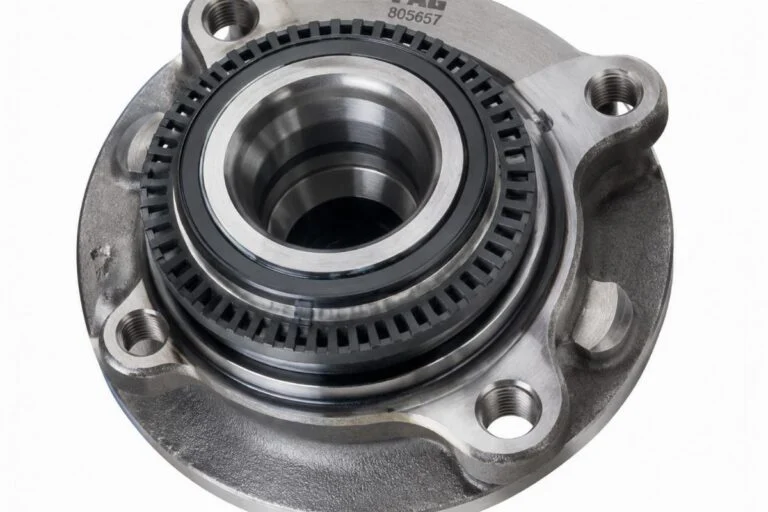
A missing suffix on a commercial invoice can cost more than the bearing itself.
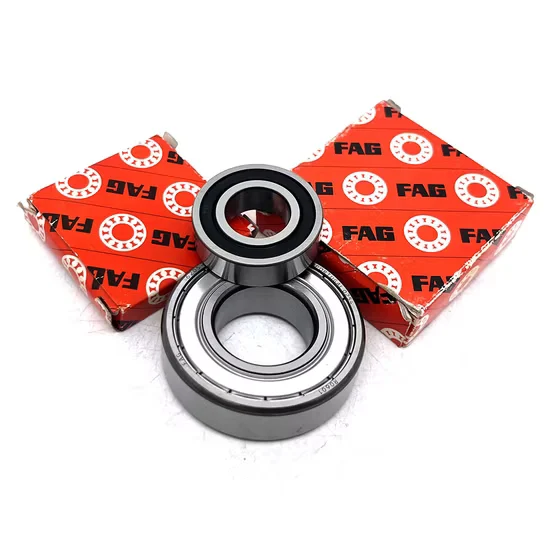
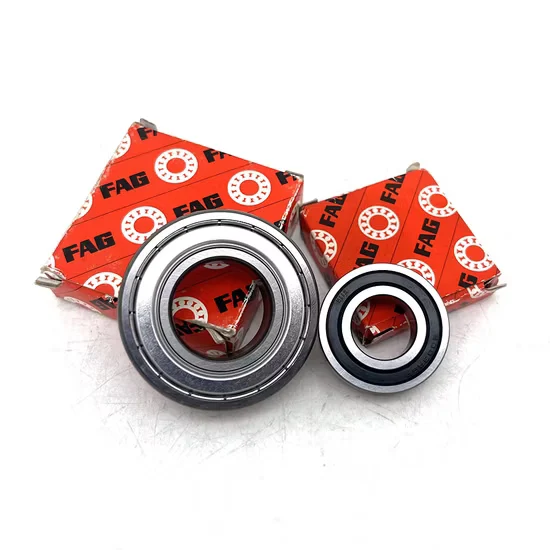
The FAG 6204-2ZR-C3 is a deep groove ball bearing with a 20mm bore, 47mm outer diameter, and 14mm width, featuring dual metal shields (2ZR) for contamination protection and C3 internal radial clearance for high-temperature or high-speed applications. This specific configuration is not merely a technical preference but a critical requirement for preventing thermal seizure in motors and ensuring smooth customs clearance in international trade.
I still remember the humidity of the Apapa port in Lagos. The air was thick with salt and diesel fumes. A container of bearings sat on the dock, accumulating demurrage charges that grew faster than the rust on the shipping containers. The issue was not the quality of the steel or the precision of the grinding. The problem was a single line on the paperwork. The commercial invoice listed “FAG 6204,” omitting the vital “-2ZR-C3” suffix. Customs officials, seeing a discrepancy between the physical goods marked with full suffixes and the documents listing a generic open bearing, flagged the shipment. It took days of clarification, letters from the manufacturer, and significant financial penalty to release the cargo. That experience ingrained a simple rule in my workflow: the suffix is not an optional detail; it is the identity of the component.

For buyers sourcing these components, understanding the exact specifications is the first step toward avoiding operational failure and logistical nightmares. This guide breaks down the technical realities of the FAG 6204-2ZR-C3, focusing on why the C3 clearance and 2ZR shielding matter in real-world industrial environments.
What Do the Suffixes “2ZR” and “C3” Actually Mean?
These suffixes define the bearing’s environment tolerance and thermal behavior, not just its size.
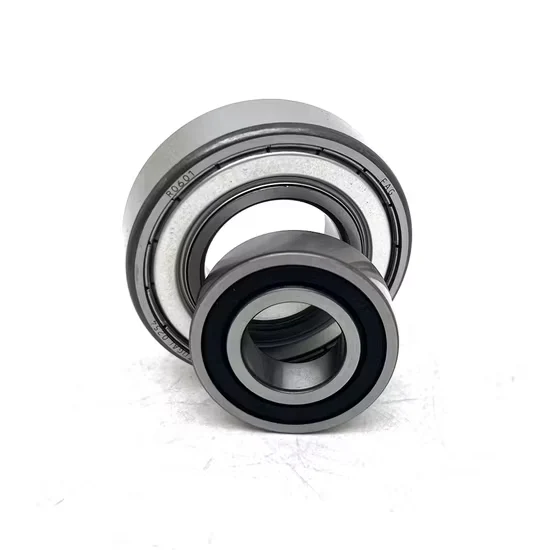
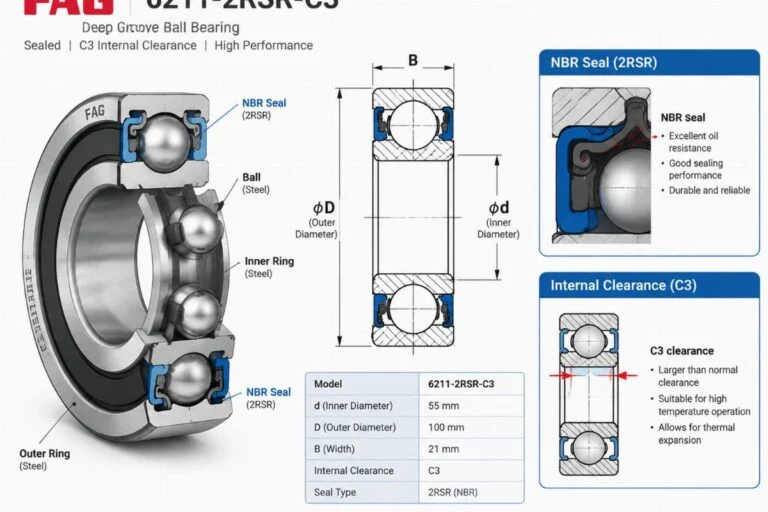
Many procurement officers view suffixes as administrative codes. In reality, they dictate whether a bearing will survive in a dusty mine or overheat in a high-speed motor. The “2ZR” indicates that the bearing is equipped with non-contact metal shields on both sides. Unlike rubber seals, which create friction and heat, metal shields offer robust protection against larger particles while maintaining low torque. They also retain the factory-filled grease, making the bearing maintenance-free for its design life. This is crucial for remote sites where regular re-lubrication is impractical or risky due to contamination ingress during service.
The “C3” suffix refers to the internal radial clearance. Standard bearings have “CN” clearance. A C3 bearing has a larger internal gap between the balls and the raceways. This is not a manufacturing defect or a sign of loose fit. It is a deliberate engineering choice. When a bearing operates at high speeds or in high ambient temperatures, the inner ring expands faster than the outer ring due to heat generation and transfer. If a standard CN bearing is used in such conditions, this thermal expansion eliminates the internal clearance, leading to preload, excessive friction, and eventual seizure. The C3 clearance provides the necessary space for this thermal expansion, ensuring the bearing continues to rotate freely even when hot.
Consider a case involving a cement plant in Ethiopia. The facility experienced repeated failures in their conveyor drive motors. The maintenance team had been replacing failed bearings with standard CN clearance units, assuming they were identical to the originals. However, the original equipment manufacturer specified C3 clearance due to the high operating temperature of the motors. By switching to the correct FAG 6204-2ZR-C3 specification, the frequency of bearing failures dropped noticeably. The C3 clearance allowed the bearing to accommodate the thermal growth without binding, extending the service life meaningfully.
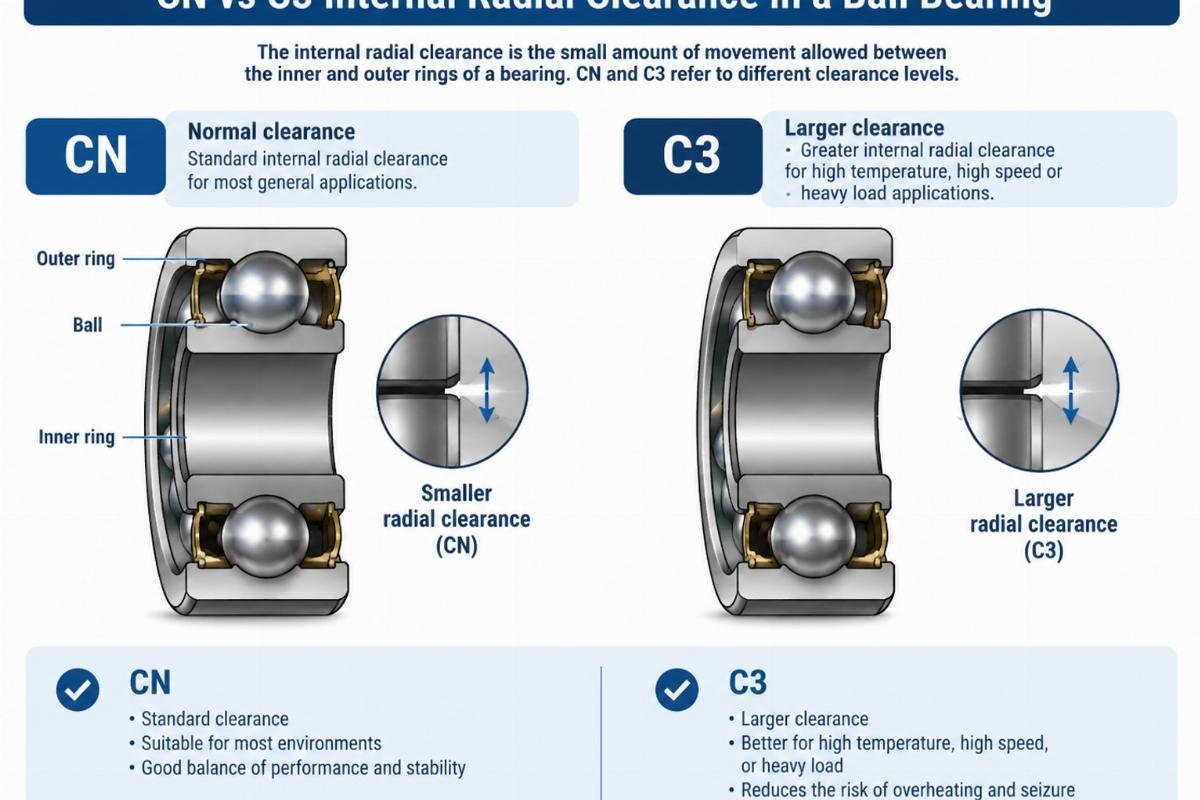
Understanding these suffixes prevents the common mistake of substituting a standard bearing for a specialized one. For a FAG 6204-2ZR-C3 wholesale supplier, verifying these details is the first step in ensuring the product matches the application requirements.
FAG 6204-2ZR-C3 Core Specifications & Dimensions
Exact dimensional data ensures mechanical integration and avoids assembly errors.
Precision is the cornerstone of bearing performance. The FAG 6204-2ZR-C3 adheres to strict ISO dimensional standards. Any deviation in bore, outer diameter, or width can lead to improper fit, vibration, and premature failure. Buyers must verify these dimensions against their housing and shaft specifications before placing orders. The following table outlines the key dimensional parameters for this specific model.
| Parameter | Value | Standard Reference |
|---|---|---|
| Bore Diameter (d) | 20 mm | ISO 15 |
| Outer Diameter (D) | 47 mm | ISO 15 |
| Width (B) | 14 mm | ISO 15 |
| Chamfer Dimension (min) | 0.6 mm | ISO 584 |
| Mass | Approx. 0.11 kg | Manufacturer Data |
These dimensions are critical for MRO buyers who need to replace worn components without modifying the machinery. A common error occurs when buyers confuse the 6204 series with the 6304 series, which has the same bore but a larger outer diameter and width. Such a mistake renders the bearing unusable in the existing housing. By specifying FAG 6204-2ZR-C3, buyers ensure they receive a component that fits the standard 20mm shaft and 47mm housing bore precisely.
In a recent project for a marine equipment distributor in Southeast Asia, a client requested urgent replacements for pump bearings. The initial inquiry lacked specific width details. By confirming the model as FAG 6204-2ZR-C3, we verified the 14mm width, which was essential for the pump’s axial positioning. Had a wider bearing been supplied, it would have interfered with the impeller assembly. Accurate dimensional verification prevented a costly rework scenario.
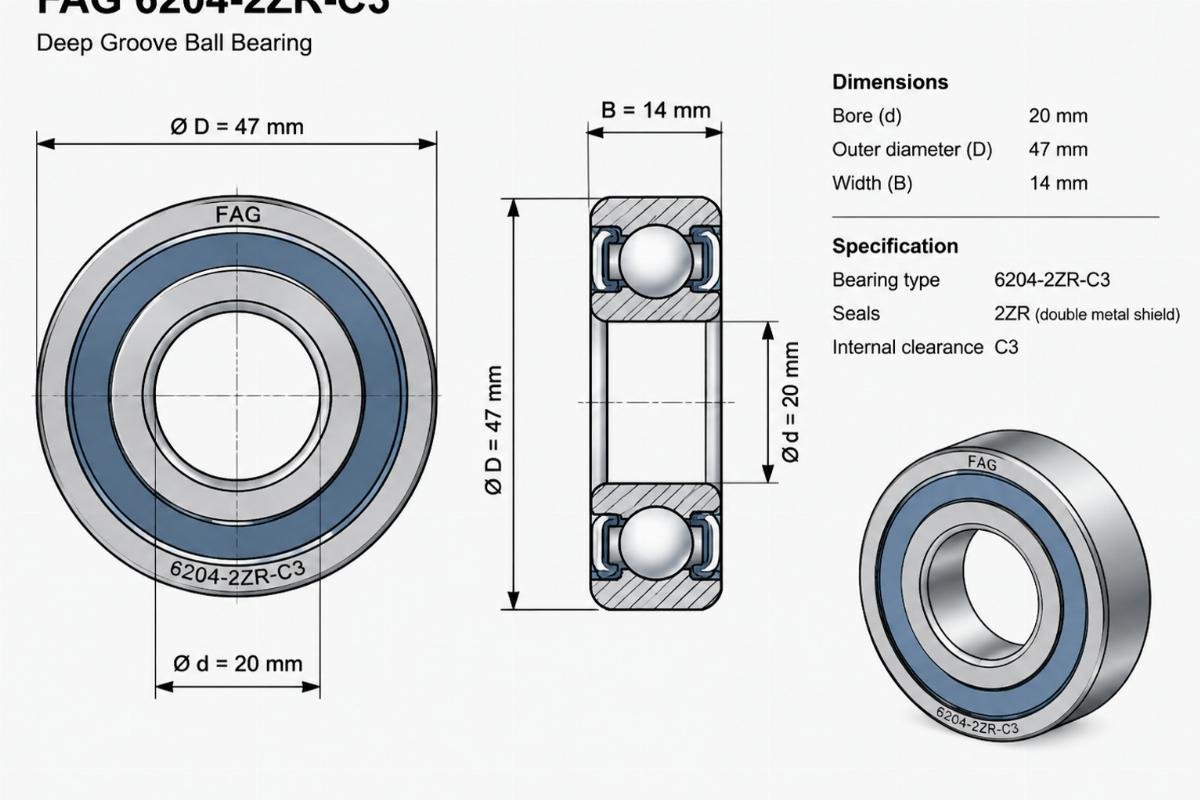
When sourcing from a FAG 6204-2ZR-C3 wholesale supplier, requesting the official datasheet confirms these dimensions. This documentation also serves as proof of specification for quality assurance teams.
Load Ratings, Speed Limits & C3 Clearance Impact
C3 clearance alters the operational limits compared to standard CN bearings.
Load ratings and speed limits are not static values; they depend on the internal configuration of the bearing. The FAG 6204-2ZR-C3 offers specific dynamic and static load capacities that must be respected to ensure longevity. The C3 clearance does not significantly reduce the load-carrying capacity, but it does influence the optimal operating speed range.
| Parameter | Value/Factor | Note |
|---|---|---|
| Dynamic Load Rating (Cr) | Standard for 6204 series | |
| Static Load Rating (Cor) | Standard for 6204 series | |
| Limiting Speed (Grease) | High | Dependent on 2ZR shield design |
| Thermal Expansion Compensation | High | Due to C3 clearance |
The 2ZR shields limit the maximum speed slightly compared to open bearings due to potential grease churning at very high RPMs, but they provide superior protection. The C3 clearance allows the bearing to operate safely at higher temperatures, which often accompany high-speed operation. In contrast, a standard CN bearing might reach its thermal limit sooner, leading to a rapid decline in performance.
A wind farm operator in Latin America faced issues with gearbox bearings overheating during peak load periods. The investigation revealed that standard clearance bearings were being used in positions subject to significant heat buildup. Switching to C3 clearance variants, such as the FAG 6204-2ZR-C3 where applicable, allowed the bearings to handle the thermal expansion without generating excessive internal stress. The result was a more stable operating temperature and extended maintenance intervals.
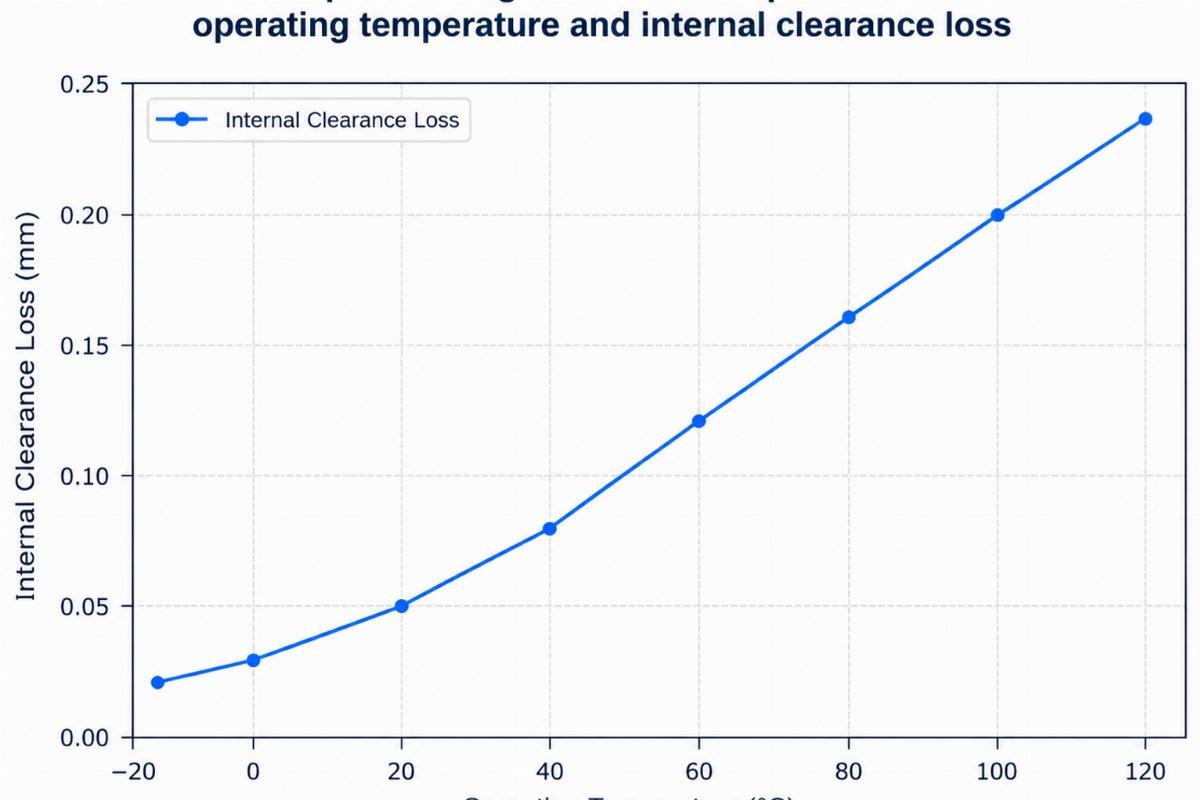
For engineers selecting components, understanding the interplay between load, speed, and clearance is vital. The FAG 6204-2ZR-C3 provides a balanced solution for applications requiring moderate to high speeds and elevated temperatures.
Sourcing & Customs: Why Exact Suffixes Matter in Trade
Incomplete paperwork leads to delays, while precise specification ensures smooth logistics.
International trade in industrial components requires meticulous attention to detail. The difference between a smooth transaction and a stalled shipment often lies in the accuracy of the product description. As seen in the Lagos incident, omitting suffixes like “-2ZR-C3” can trigger customs inspections. Officials may suspect misdeclaration if the physical goods do not match the generic description on the invoice.
When working with a FAG 6204-2ZR-C3 wholesale supplier, ensure that the commercial invoice, packing list, and certificate of origin all reflect the full part number. This consistency verifies the authenticity of the goods and facilitates faster clearance. Additionally, genuine FAG bearings come with traceability documentation, including batch numbers and manufacturing dates. This traceability is essential for industries with strict quality control requirements, such as aerospace or medical equipment manufacturing.
A distributor in the Middle East once received a mixed batch of bearings from an unverified source. Half the batch lacked proper packaging and documentation. When attempting to clear customs, the lack of verifiable origin led to a prolonged hold. By switching to a supplier with strict document verification and genuine FAG traceability, the distributor eliminated these risks. The ability to consolidate mixed-brand orders while maintaining accurate documentation for each item streamlined their import process significantly.

Sourcing from a reliable partner ensures that every FAG 6204-2ZR-C3 unit is accompanied by the necessary paperwork. This reduces the administrative burden on buyers and minimizes the risk of unexpected delays.
Conclusion
Precision in specification prevents failure in operation and logistics.
The FAG 6204-2ZR-C3 is a specialized component designed for demanding environments. Its C3 clearance and 2ZR shields offer distinct advantages in high-temperature and contaminated settings. Understanding these features is essential for selecting the right bearing for your application. Moreover, accurate documentation of these suffixes is critical for smooth international trade. By prioritizing precise specification and verified sourcing, buyers can ensure reliable performance and efficient supply chain operations.