The suffix letters define the survival of your spindle, not just its identity.
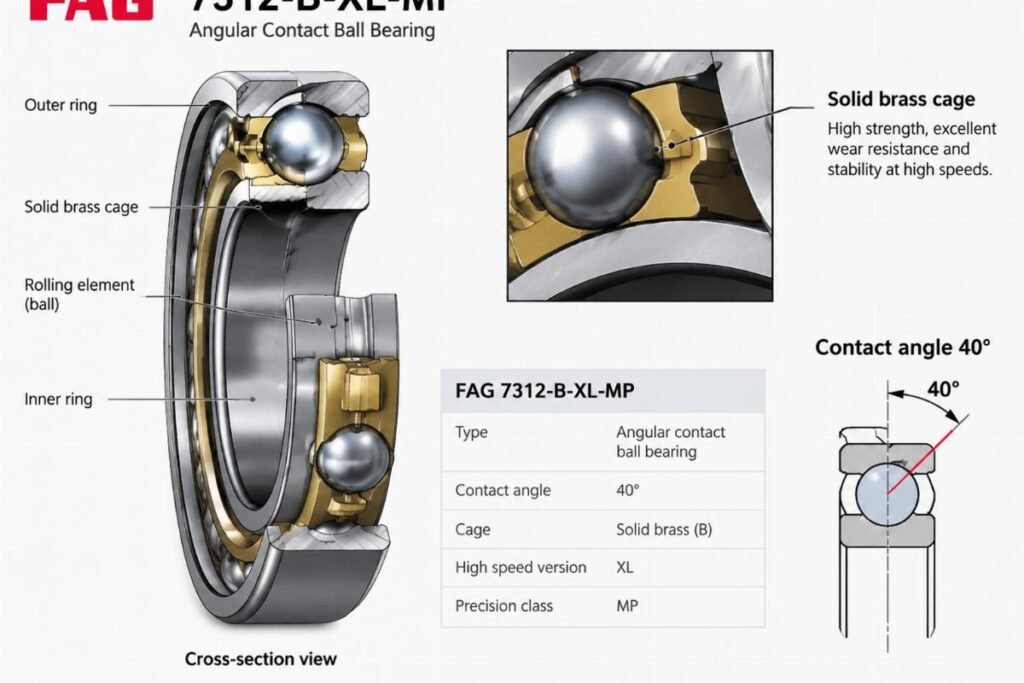
For high-speed and heavy-load applications, the FAG 7312-B-XL-MP is defined by a 40-degree contact angle (B), an X-life optimized internal geometry (XL), and a solid brass cage (MP). Its critical dimensions are 60mm bore, 130mm outer diameter, and 31mm width. Substituting the MP brass cage with standard polymer alternatives in high-temperature environments risks thermal expansion failure and catastrophic seizure.
I still remember the humidity in that warehouse in southern Brazil. The air was thick enough to taste, and the silence from the assembly line was heavier than the crushed ore these machines were meant to process. A mining equipment manufacturer had ordered a batch of angular contact bearings for their primary crusher spindles. On paper, the part number looked correct. The dimensions matched. The load ratings seemed sufficient. But when the machines hit full operational temperature, the spindles locked up. Not gradually. Instantly. The heat generated by friction exceeded the thermal limit of the nylon keepers we had inadvertently supplied instead of the specified brass ones. The entire batch was scrapped. That mid-six-figure loss wasn’t due to a lack of inventory; it was due to a lack of attention to the suffix. Since then, I have learned that in the world of precision engineering, the difference between a running machine and a pile of scrap metal often lies in two letters: MP.

Understanding these nuances is not just about reading a catalog. It is about ensuring that the FAG 7312-B-XL-MP you source performs exactly as the original equipment manufacturer intended. As a global supplier dealing with complex MRO requirements across multiple regions, I see too many procurement errors stem from treating bearings as generic commodities rather than precision-engineered components.
How to Decode the FAG 7312-B-XL-MP Suffix?
The suffix code is a technical blueprint, not a random identifier.
To select the right FAG 7312-B-XL-MP, you must dissect the alphanumeric string into its functional components. Each segment dictates a specific physical property that affects performance under load. Ignoring any part of this code can lead to premature failure.
The base designation “7312” indicates the series and size. The “7” denotes the angular contact ball bearing series, “3” indicates the medium width series, and “12” corresponds to the bore code. For a bore code of 12, the inner diameter is calculated as 12 multiplied by 5, resulting in 60mm. This is a standard metric dimension, but it is only the starting point.
The first suffix letter, “B”, is critical for load direction. In the context of single-row angular contact ball bearings, B specifies a contact angle of 40 degrees. This is significantly steeper than the standard 15-degree or 25-degree angles found in other variants. A 40-degree contact angle allows the FAG 7312-B-XL-MP to handle higher axial loads relative to radial loads. If your application involves significant thrust forces, such as in vertical pumps or gearboxes, this angle is non-negotiable. Using a bearing with a smaller contact angle in such scenarios will result in excessive deflection and early fatigue.
Next is “XL”. This stands for X-life, FAG’s premium performance class. It does not refer to a physical dimension but to an optimized internal geometry. The raceways and rolling elements are designed with superior surface finish and modified curvature. This optimization reduces friction and heat generation, extending the service life substantially compared to standard designs. For distributors and OEMs, this means lower maintenance frequency and higher reliability for end-users.
Finally, “MP” defines the cage material and construction. M indicates a solid cage, and P indicates it is made from brass. Brass is chosen for its high strength, excellent thermal conductivity, and resistance to deformation at elevated temperatures. Unlike polyamide (nylon) cages, which can absorb moisture and expand, or phenolic resin cages, which may become brittle, a solid brass cage maintains its integrity under harsh conditions. This is why the FAG 7312-B-XL-MP is preferred in heavy-duty industrial environments where temperature fluctuations are common.
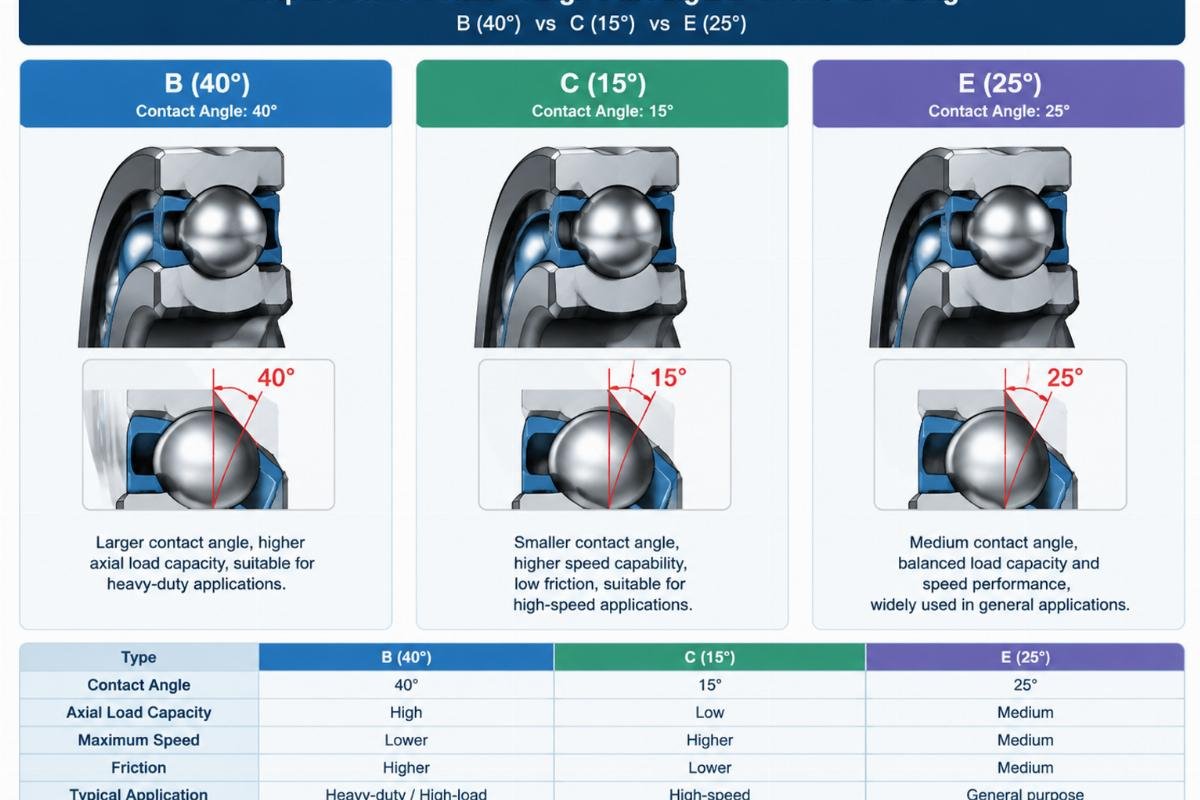
When sourcing the FAG 7312-B-XL-MP, verify that all four elements are present. A missing XL might mean you are getting an older design with higher friction. A missing MP could mean you are receiving a cheaper, less durable cage material. Precision matters.
What Are the Critical Dimensions and Load Ratings?
Dimensions ensure fit, but load ratings ensure survival.
While the 60x130x31mm envelope of the FAG 7312-B-XL-MP is fixed, the internal capacity to handle stress is what differentiates a suitable bearing from a failing one. Procurement teams often focus solely on whether the bearing fits the shaft and housing, neglecting the dynamic and static load ratings that determine operational safety.
The basic dynamic load rating (Cr) indicates the load a bearing can endure for a theoretical life of one million revolutions. For the FAG 7312-B-XL-MP, this value is substantial, reflecting the robustness of the X-life design. However, the static load rating (Cor) is equally important for applications with heavy shocks or stationary loads. The 40-degree contact angle enhances the axial component of these ratings, making the bearing particularly effective in combined load scenarios.
It is crucial to understand that these ratings are based on ideal conditions. In real-world applications, factors such as lubrication quality, alignment, and contamination reduce the effective life. The solid brass cage of the MP variant helps mitigate some of these risks by maintaining precise ball spacing even under vibration, preventing skewing and uneven wear.
| Parameter | Specification | Significance |
|---|---|---|
| Bore Diameter | 60 mm | Fits standard 60mm shafts |
| Outer Diameter | 130 mm | Fits standard 130mm housings |
| Width | 31 mm | Medium width series for balanced load capacity |
| Contact Angle | 40 degrees (B) | High axial load capacity |
| Cage Material | Solid Brass (MP) | High thermal stability and strength |
| Design Class | X-life (XL) | Optimized internal geometry for longer life |
When evaluating suppliers, ask for the specific load rating data sheets for the FAG 7312-B-XL-MP. Do not accept generic charts for the 7312 series. The XL optimization and MP cage can influence the permissible speeds and load distributions. A reputable supplier will provide traceable documentation linking the physical product to these certified values.
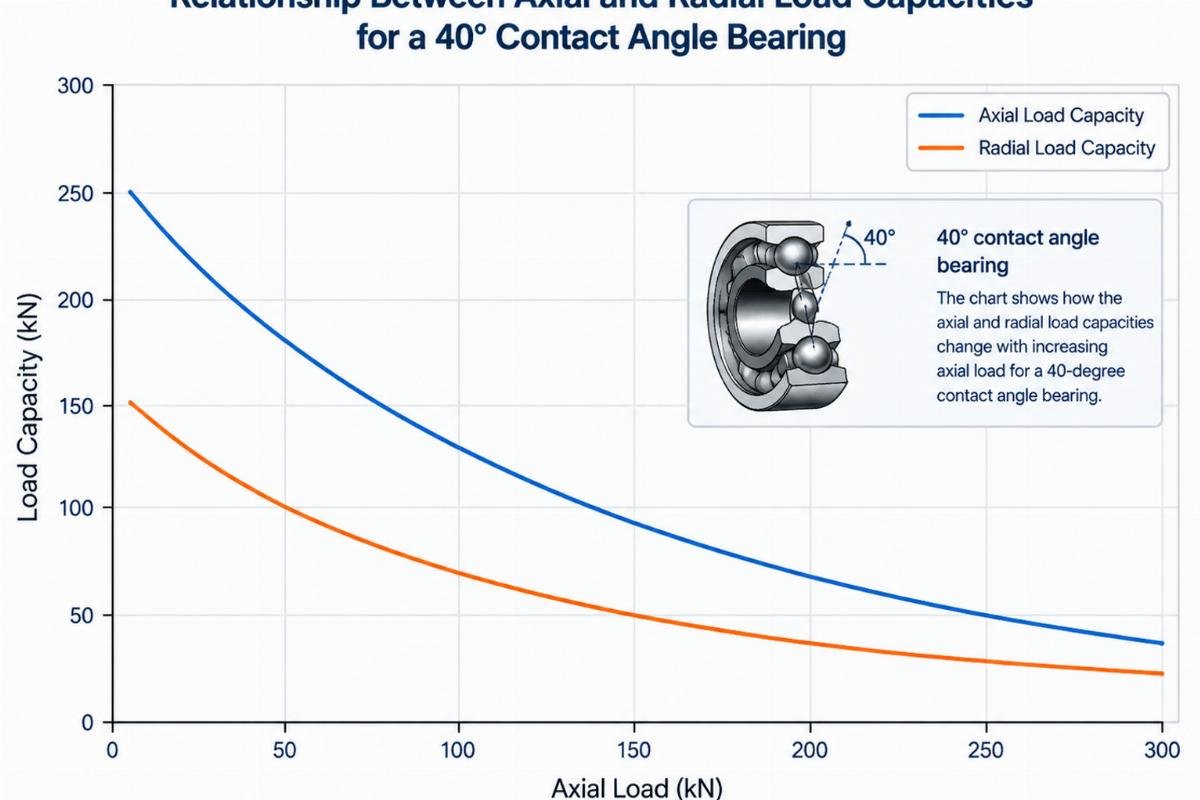
Ensuring that the load ratings match your application’s demands prevents overloading, which is a leading cause of premature bearing failure. Always consult with technical experts if your operating conditions deviate from standard assumptions.
Why Does the Solid Brass Cage (MP) Matter for Heavy-Duty Spindles?
Material choice dictates thermal resilience, not just cost.
The decision to specify MP (solid brass cage) in the FAG 7312-B-XL-MP is often driven by the need for reliability in demanding environments. Many buyers assume that all cages perform similarly, but the material properties of brass offer distinct advantages over polymers or stamped steel in high-performance applications.
Brass has a higher melting point and better thermal conductivity than polyamide. In high-speed spindle applications, friction generates heat. A brass cage helps dissipate this heat away from the rolling elements, reducing the risk of thermal runaway. Furthermore, brass does not absorb moisture, which means its dimensions remain stable regardless of humidity levels. This stability is critical for maintaining the precise clearances required for high-precision machining or heavy crushing operations.
In contrast, polyamide cages, while lighter and cheaper, can soften at elevated temperatures and absorb oils or coolants, leading to swelling. This swelling can alter the internal clearance, causing increased friction or even cage rupture. Stamped steel cages, while strong, are prone to fatigue cracking under high vibration and do not offer the same level of damping as solid brass.
A case from a European wind farm operator illustrates this point. They experienced repeated failures in the gearbox main shaft bearings during summer months. Upon investigation, it was found that the ambient temperature combined with operational heat pushed the polymer cages beyond their glass transition temperature. Switching to bearings with solid brass cages, such as the FAG 7312-B-XL-MP equivalent for their larger units, resolved the issue. The brass cages maintained their structural integrity, allowing the turbines to operate continuously through peak temperature periods.
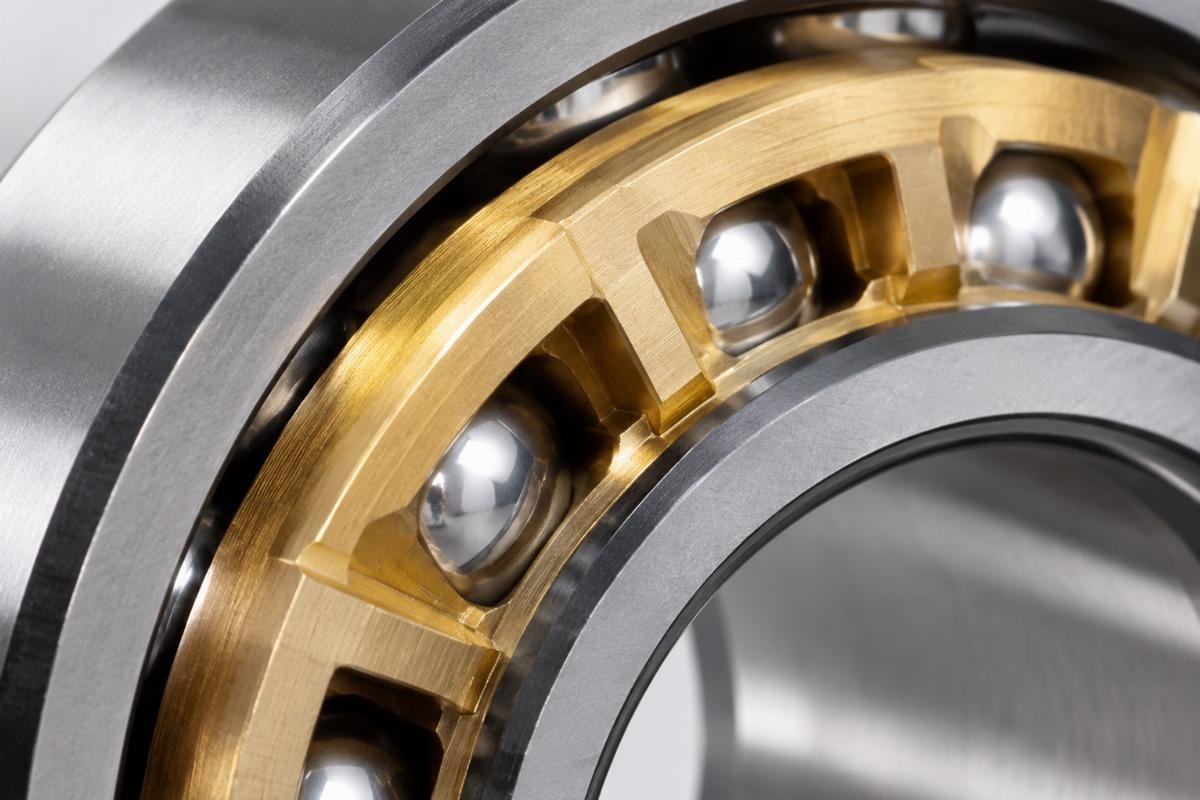
For distributors serving industries like mining, steel production, or heavy manufacturing, stocking the MP variant is essential. It provides a safety margin against thermal and mechanical stress that cheaper alternatives cannot match. When customers ask for a “standard” 7312 bearing, clarifying the cage requirement can save them from costly downtime.
How to Verify Genuine Specs During Procurement?
Trust, but verify every suffix and serial number.
Counterfeit and mislabeled bearings are a persistent risk in the global supply chain. A bearing labeled as FAG 7312-B-XL-MP may look identical to a standard 7312-B-TVP, but the performance difference is vast. Verifying authenticity requires a systematic approach that goes beyond visual inspection.
First, check the packaging. Genuine FAG products come in sealed, branded packaging with holographic security labels. The box should clearly state the full part number, including all suffixes. Any discrepancy, such as a missing “MP” or “XL”, is a red flag.
Second, inspect the bearing itself. The laser marking on the outer ring should be crisp, deep, and include the full designation. Look for the “FAG” logo and the country of origin. The brass cage should have a distinct golden hue and a smooth, machined finish. Rough edges or discoloration may indicate inferior manufacturing or refurbishment.
Third, request traceability documentation. A legitimate supplier will provide a certificate of conformity or a mill test certificate that links the bearing batch to the manufacturer’s production records. This document should confirm the material specifications and quality control tests performed. Without this paper trail, you are buying blind.
Finally, consider the source. Authorized distributors and established wholesalers with direct relationships with manufacturers are less likely to supply counterfeit goods. They have the technical expertise to verify specs and the reputation to protect. When dealing with new suppliers, start with small trial orders and verify the products independently before committing to large volumes.
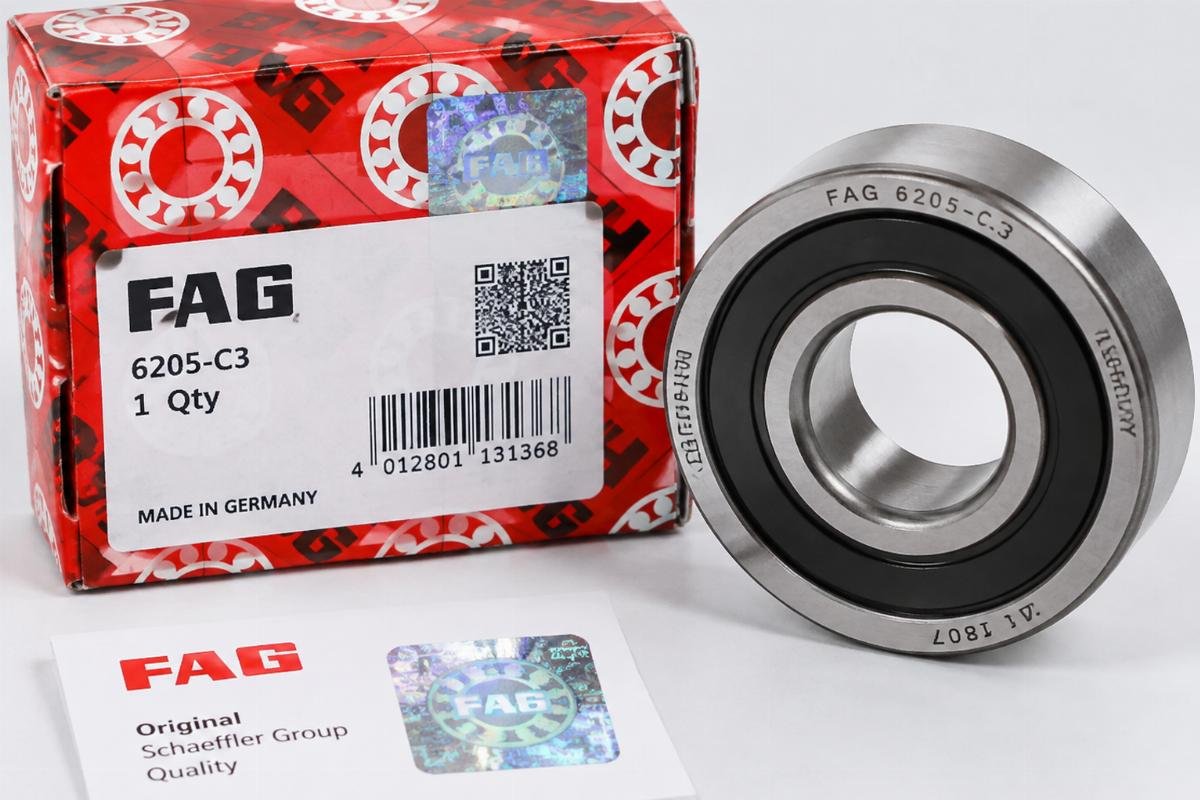
By implementing these verification steps, you protect your business and your customers from the risks associated with substandard components. The cost of verification is negligible compared to the cost of failure.
Conclusion
Precision in specification prevents chaos in operation.
The FAG 7312-B-XL-MP is not just a bearing; it is a engineered solution for high-load, high-temperature challenges. Its 40-degree contact angle, X-life optimization, and solid brass cage work together to deliver reliability where it matters most. Understanding these features allows buyers to make informed decisions that safeguard their machinery and their bottom line. Always verify the suffixes, demand traceability, and prioritize quality over short-term savings.