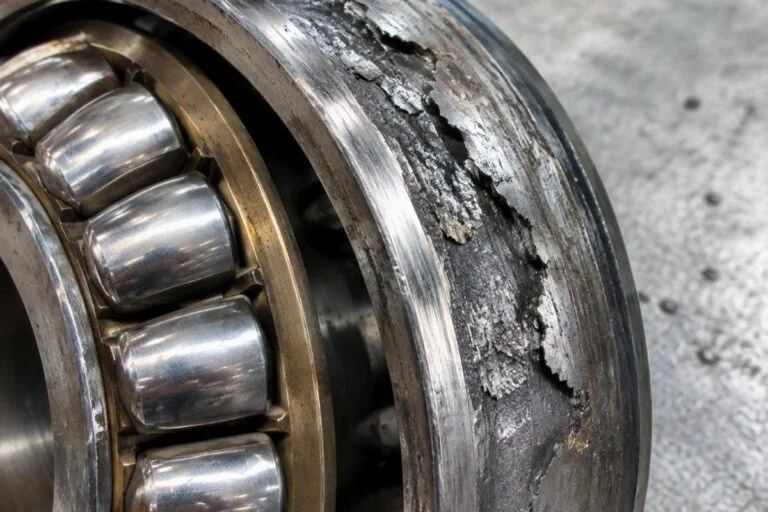
The cheapest line item on a purchase order often triggers the most expensive downtime.
For mining procurement managers and regional distributors, securing genuine FAG bearings is only half the battle. The critical failure point in cross-border heavy equipment supply chains is rarely the bearing quality itself, but the compliance of its packaging and customs documentation. A single missing IPPC stamp on a wooden pallet or an ambiguous HS code declaration can halt a shipment at ports like Long Beach, turning sea freight savings into exponential air freight costs and weeks of operational silence.
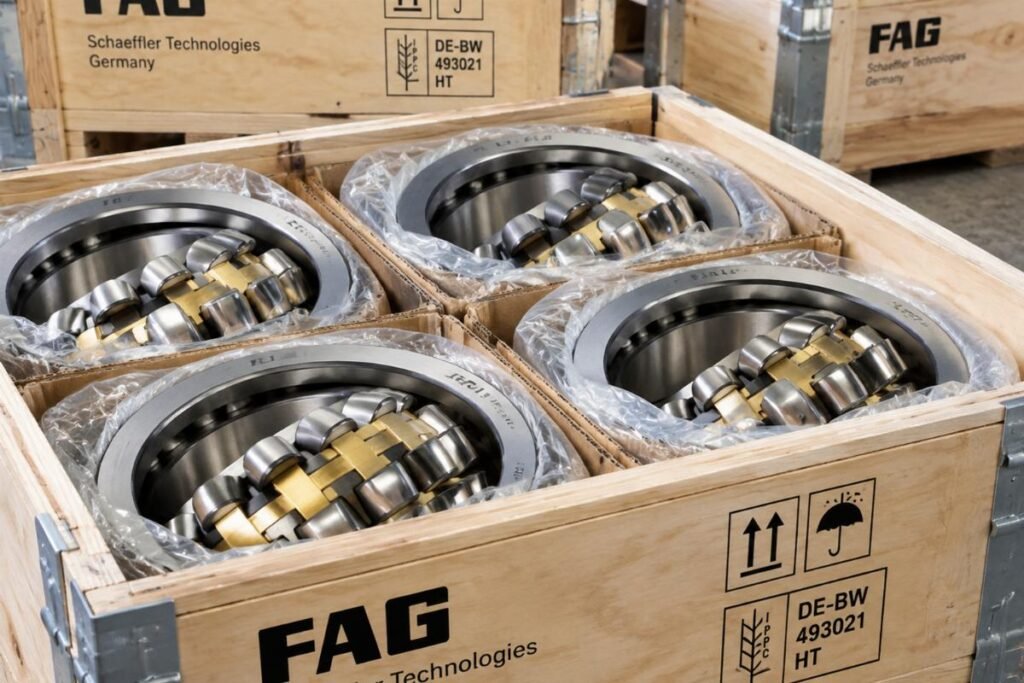
My perspective on this was forged not in a boardroom, but on the dusty docks of Long Beach, watching a critical shipment for an Arizona copper mine get flagged. The bearings inside were authentic, high-precision FAG spherical roller bearings, capable of handling the extreme radial loads of a primary crusher. Yet, they were trapped behind a customs hold because the consolidation cargo included non-compliant wooden dunnage from a mixed-brand order. That incident shifted my entire approach to FAG bearings copper mine case study logistics: technical authenticity must be matched by regulatory precision.
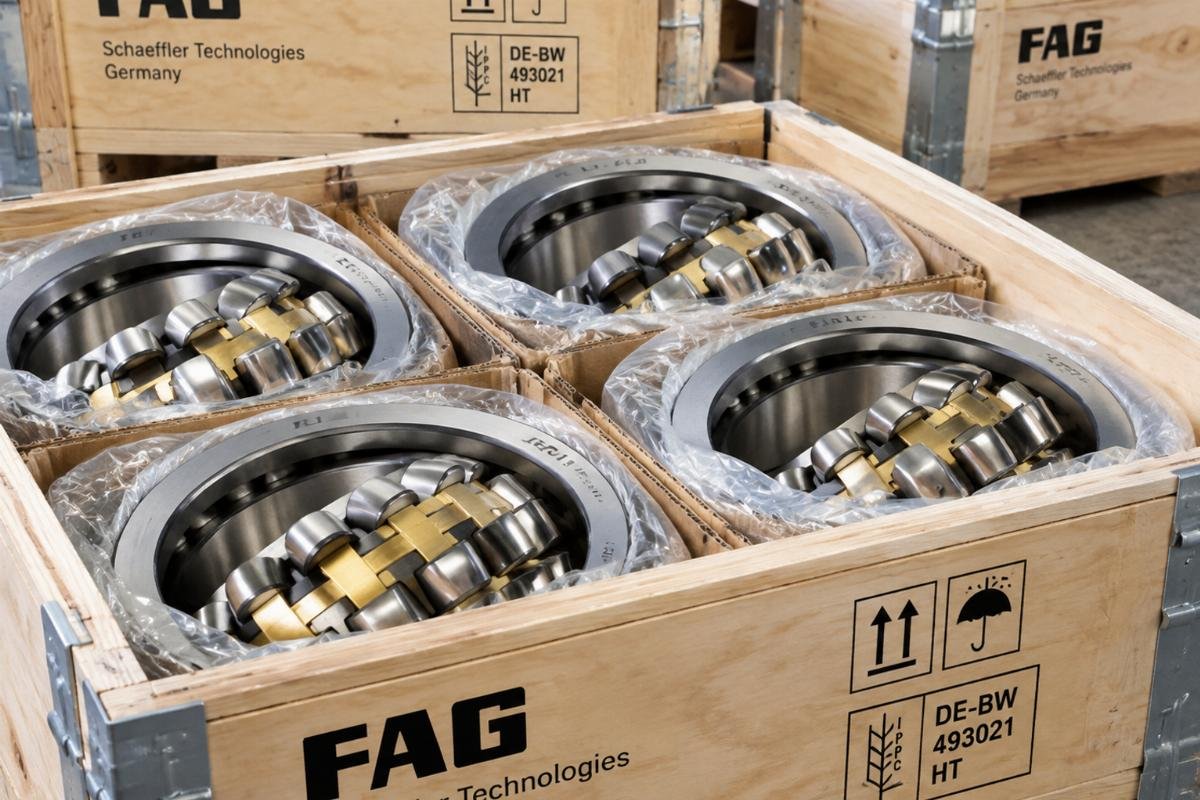
This narrative explores how proper packaging, genuine component sourcing, and strict customs compliance prevent costly downtime, drawing from real-world logistical hurdles faced by industrial buyers.
Why Did the Arizona Copper Mine Face Critical Downtime?
Compliance failures are invisible until they stop production.
In the heavy industry sector, particularly in remote mining operations, the lead time for replacement parts is a critical metric. A recent scenario involving a major copper operation in Arizona highlights a common pitfall in global procurement. The maintenance team needed a specific set of large-bore spherical roller bearings for a gyratory crusher. To optimize costs, the procurement officer consolidated the order with other general MRO supplies, including some lower-cost alternative brands and structural steel components.
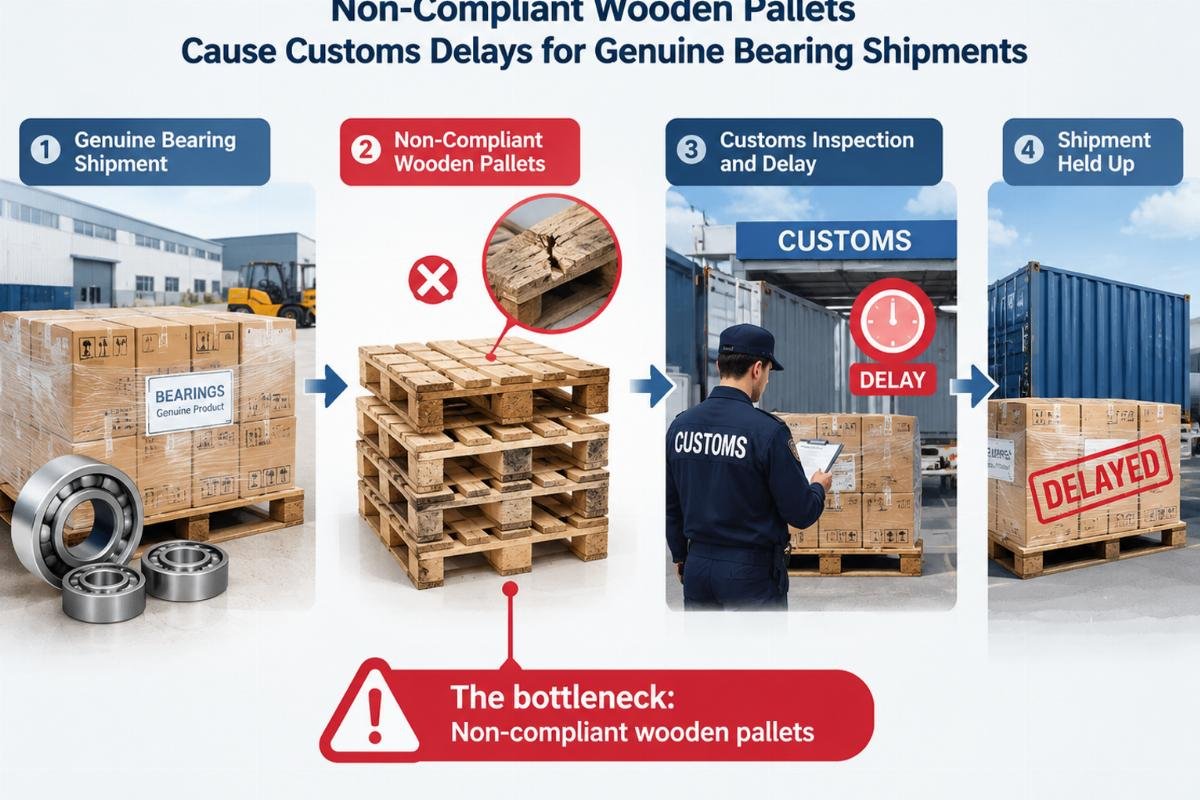
The shipment arrived at the US port of entry, but instead of moving to inland rail, it was held for inspection. The issue was not the bearings themselves, but the wooden pallets used for the consolidated cargo. Under international phytosanitary standards, all wood packaging material entering the United States must be treated and marked according to the International Plant Protection Convention (IPPC) guidelines. The pallets used for the mixed cargo lacked the required heat-treatment stamp, likely sourced from a local supplier who did not adhere to export-grade protocols.
For a mining spherical roller bearings supplier, this is a nightmare scenario. The genuine FAG units were sitting in a bonded warehouse, unable to clear customs because they were physically attached to non-compliant wood. The mine’s crusher was down, waiting for these specific components. The procurement team had focused on the unit price of the bearings and the freight rate, overlooking the “hidden” variable of packaging compliance.
This incident underscores that in heavy equipment bearing consolidation shipping, the weakest link in the chain dictates the timeline. The bearings were perfect, but the logistics were flawed. The downtime cost per hour for a primary crusher in a copper mine can easily surpass the total value of the bearing order, making the initial savings on packaging or consolidation negligible compared to the operational loss.
What Are the Hidden Costs of Non-Compliant Bearing Shipments?
Air freight premiums erase any margin gained from ocean consolidation.
When a shipment is held at customs due to packaging or documentation errors, the immediate reaction is often to expedite a replacement. In the Arizona case, the mine could not wait for the original container to be re-palletized and cleared, a process that could take days or weeks depending on the severity of the violation and port congestion. The decision was made to air freight a new set of bearings directly from the source.
The cost differential between ocean freight and air freight for heavy industrial components is substantial. Ocean freight is calculated by volume or weight at a relatively low rate, suitable for bulk heavy equipment bearing consolidation shipping. Air freight, however, is charged by chargeable weight, which for dense items like steel bearings, results in a massive premium. Furthermore, express air services require precise commercial invoices and often stricter pre-clearance checks.
Beyond the direct logistics cost, there is the operational penalty. The mine had to rent temporary crushing capacity or reduce throughput, impacting their monthly production targets. The “savings” achieved by choosing a cheaper forwarder or mixing suppliers in one container were wiped out instantly. This is a classic example of false economy in industrial procurement.
For buyers seeking a reliable FAG bearings copper mine case study reference, the lesson is clear: the total landed cost includes the risk of delay. A slightly higher upfront cost for a supplier who guarantees compliant packaging and dedicated lanes for critical spares is often cheaper than the emergency response required when things go wrong. The hidden costs include:
- Expedited freight premiums.
- Customs brokerage fees for resolving holds.
- Operational downtime and lost production revenue.
- Administrative burden on the procurement and maintenance teams.

How to Ensure Smooth Customs Clearance for Heavy Bearing Consolidation?
Precision in documentation is as vital as precision in manufacturing.
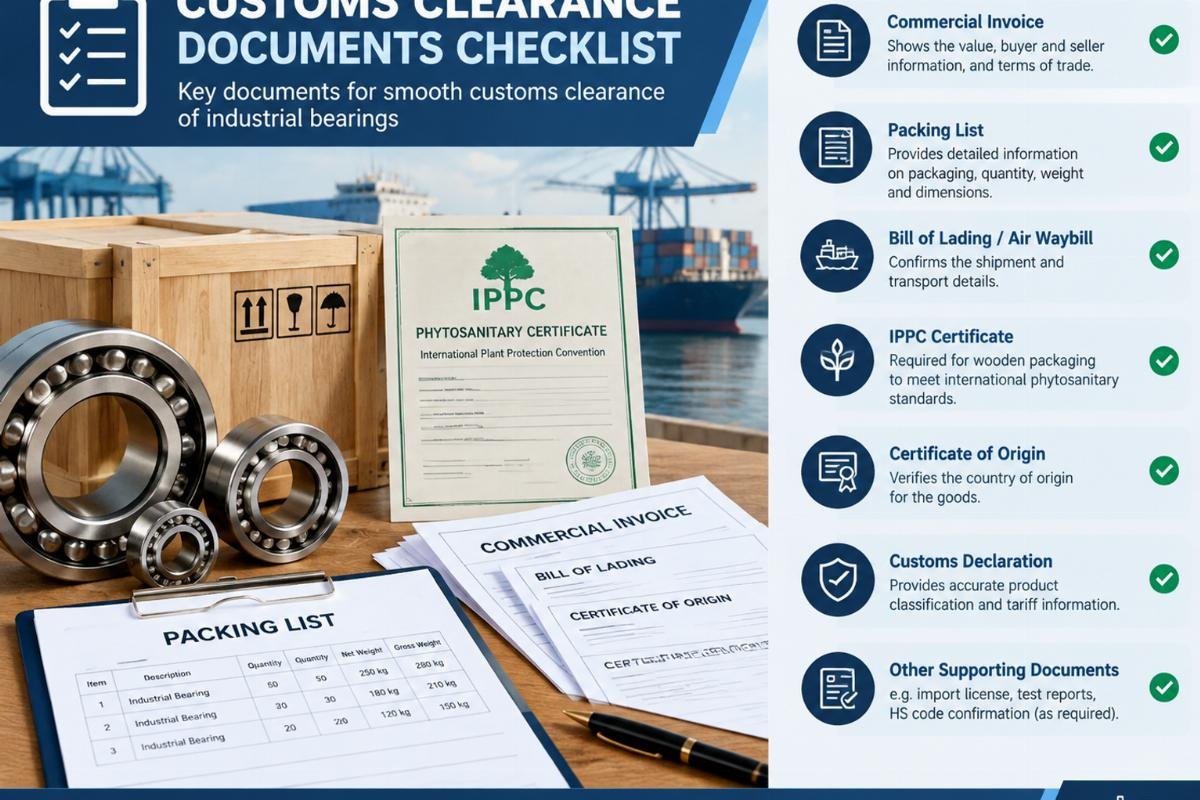
To avoid the pitfalls experienced in the Arizona case, a rigorous Standard Operating Procedure (SOP) for FAG bearing customs clearance is essential. This begins long before the goods leave the factory floor. The first step is verifying the origin and treatment of all packaging materials. For any wood used in crating or palletizing, the IPPC mark must be clearly visible and legible. If plastic or metal alternatives are available, they should be preferred for high-value, time-sensitive shipments to eliminate phytosanitary risks entirely.
Secondly, the commercial invoice and packing list must be meticulously detailed. Vague descriptions like “machine parts” or “bearings” are insufficient for complex consolidations. Each item should be listed with its specific HS code, brand, model number, and country of origin. For mixed-brand shipments, this transparency helps customs officers verify that the goods match the declaration, reducing the likelihood of physical inspections that delay release.
| Compliance Factor | Risk Level | Mitigation Strategy |
|---|---|---|
| Wood Packaging Material | High | Use IPPC-stamped wood or switch to plastic/metal skids. |
| HS Code Accuracy | Medium | Use specific codes for each bearing type and brand. |
| Brand Documentation | Medium | Provide certificates of authenticity and origin for premium brands. |
| Consolidation Mixing | High | Separate critical spares from general cargo if possible. |
For a mining spherical roller bearings supplier, providing these documents is part of the service. Buyers should request a pre-shipment copy of all documentation for review. This allows for corrections before the vessel departs, preventing issues at the destination port. In the context of FAG bearings copper mine case study scenarios, this proactive verification step is what separates professional suppliers from simple traders.
How Does a Professional Supplier Mitigate Mining Procurement Risks?
Reliability is built on traceability and logistical expertise.
Sourcing genuine bearings for heavy industry requires more than just finding a vendor with stock. It requires a partner who understands the end-use environment. In mining, bearings operate under extreme conditions: high loads, contamination, and continuous operation. A counterfeit or substandard bearing will fail prematurely, causing catastrophic damage to the host machinery. Therefore, the supply chain must guarantee authenticity.
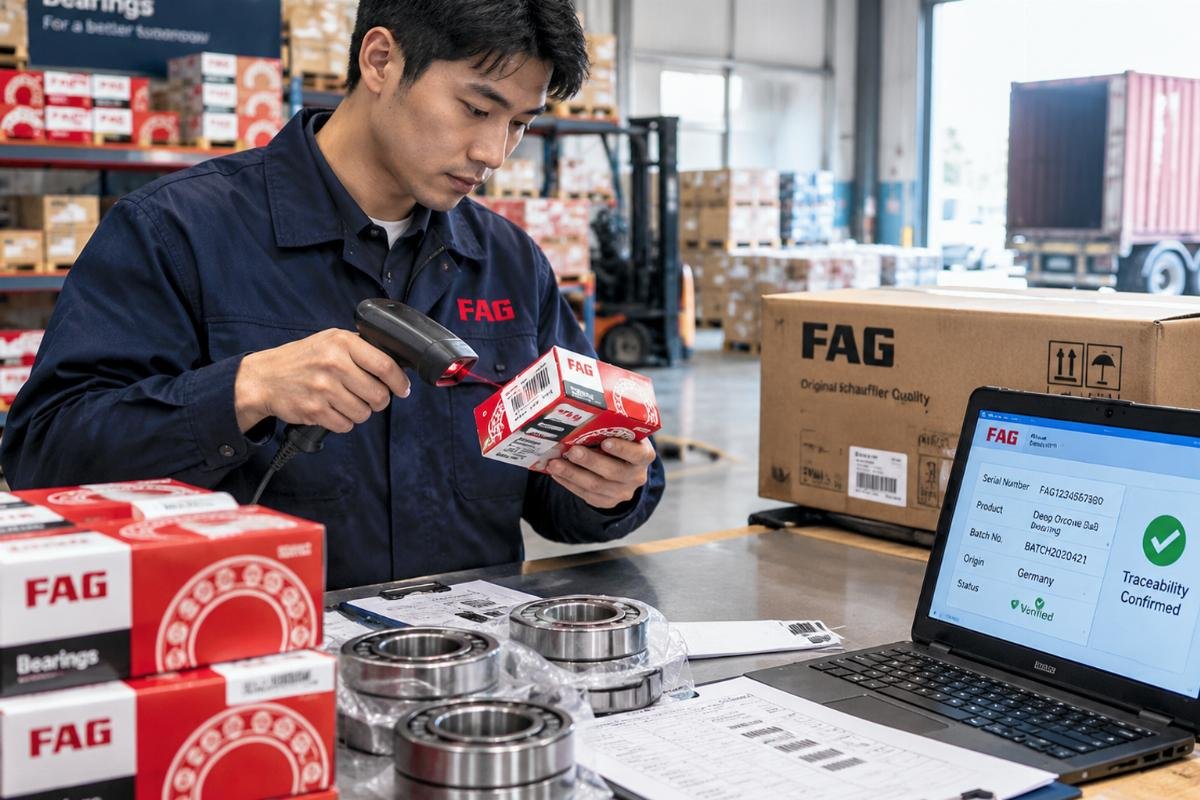
A professional supplier maintains direct relationships with manufacturers and authorized distributors, ensuring that every FAG bearings copper mine case study component is traceable back to the factory. This includes providing batch numbers and original packaging. But beyond product authenticity, the supplier’s role extends to logistics management.
For heavy equipment bearing consolidation shipping, a skilled supplier will assess the risk profile of the order. If a shipment contains critical spares for a live mine site, they may recommend separating these items from general cargo to ensure faster clearance and reduced handling risk. They will also handle the complexities of FAG bearing customs clearance, ensuring that all regulatory requirements for the destination country are met.
This holistic approach reduces the administrative burden on the buyer. Instead of managing multiple vendors for different brands or types of bearings, a single point of contact can provide a comprehensive solution. This is particularly valuable for regional distributors who need to stock a wide range of products for their local clients. By leveraging the supplier’s expertise in global trade regulations and technical specifications, buyers can focus on their core operations rather than logistics firefighting.
Conclusion
Procurement success in mining is defined by uptime, not just unit price.
The Arizona copper mine incident serves as a stark reminder that in heavy industry, the supply chain is as critical as the equipment itself. Genuine FAG bearings are essential for performance, but they are useless if stuck in customs due to preventable compliance errors. By prioritizing packaging standards, accurate documentation, and working with suppliers who understand the nuances of FAG bearings copper mine case study logistics, buyers can protect their operations from costly disruptions.
Whether you are a regional distributor managing inventory or a mine operator planning maintenance, the integration of technical quality and logistical compliance is the key to sustainable efficiency. Choosing a partner who delivers both ensures that your heavy equipment keeps running, regardless of where the parts come from.