FOB price is not your landed cost.
The 2026 US tariff updates for European bearings mandate precise HS code classification and strategic sourcing diversification to prevent customs seizures and margin erosion. Buyers must verify origin documentation and consider verified alternatives to maintain supply chain stability under the new duty structures.
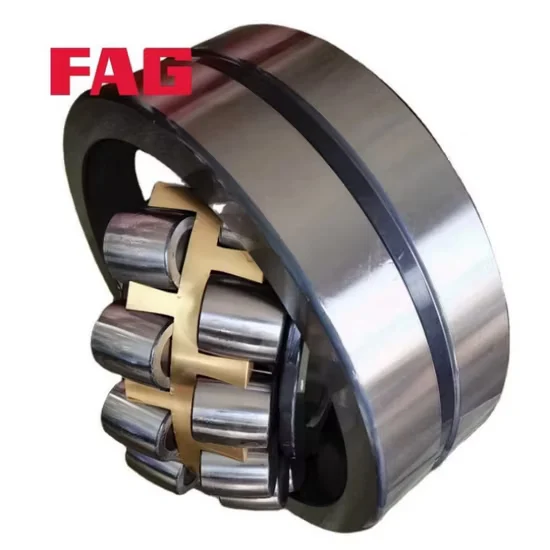
Standing on the tarmac at Ningbo Beilun Port, I watched a container of FAG spherical roller bearings sit idle for weeks. The paperwork looked perfect to the untrained eye, but a single digit error in the HS code classification triggered a customs hold in Chicago. Demurrage charges accumulated daily, turning a profitable order into a mid-six-figure loss. That incident reshaped my approach to international trade. It was not just about moving boxes; it was about navigating the invisible walls of tariff regulations. Today, as the 2026 US tariff updates reshape the landscape for European imports, many distributors still focus solely on unit price. They miss the hidden costs of compliance and delay. Understanding these shifts is critical for anyone importing industrial components into the United States.
The regulatory environment has tightened. What used to be a straightforward clearance process now requires meticulous attention to detail. The US Tariff Updates 2026 European Bearings framework introduces stricter scrutiny on origin claims and classification accuracy. For buyers, this means the old playbook no longer works. You cannot rely on generic descriptions or assume that premium brands automatically clear without issue. The burden of proof lies with the importer.
What Changed in 2026 US Tariffs for European Bearings?
New duty rates and scope expansions have redefined the cost structure for EU-manufactured bearings.
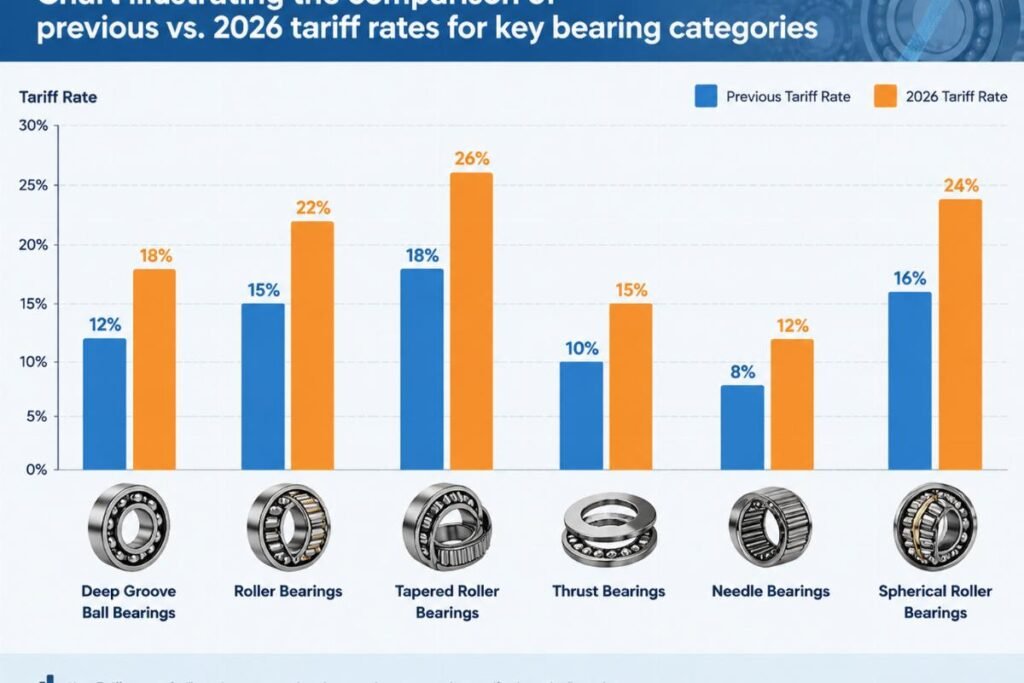
The 2026 adjustments are not merely incremental increases. They represent a structural shift in how the US Customs and Border Protection (CBP) evaluates imported mechanical components. The primary change involves the expansion of tariff scopes to include specific subcategories of roller and ball bearings that were previously exempt or subject to lower rates. This expansion targets high-value industrial bearings used in heavy machinery and automotive applications.
For importers, the impact is immediate. The base duty rates for certain European-origin bearings have risen significantly. More importantly, the enforcement mechanisms have become more aggressive. CBP officers are now trained to identify misclassified items that attempt to bypass higher tariffs by using incorrect HS codes.
Consider the case of a distributor in the Midwest who imported a batch of INA needle bearings. He classified them under a general machine part code to avoid the specific bearing tariff. The shipment was flagged during a routine audit. The result was not just a retroactive duty payment but a penalty that doubled the original tax liability. The lesson here is clear: classification errors are expensive.
The US Tariff Updates 2026 European Bearings also introduce new requirements for origin documentation. Importers must now provide detailed traceability records proving the country of manufacture. This is particularly relevant for global brands that produce in multiple locations. A bearing branded as German may have been manufactured in a facility outside the EU, affecting its tariff status. Verifying the actual point of production is no longer optional; it is a compliance necessity.
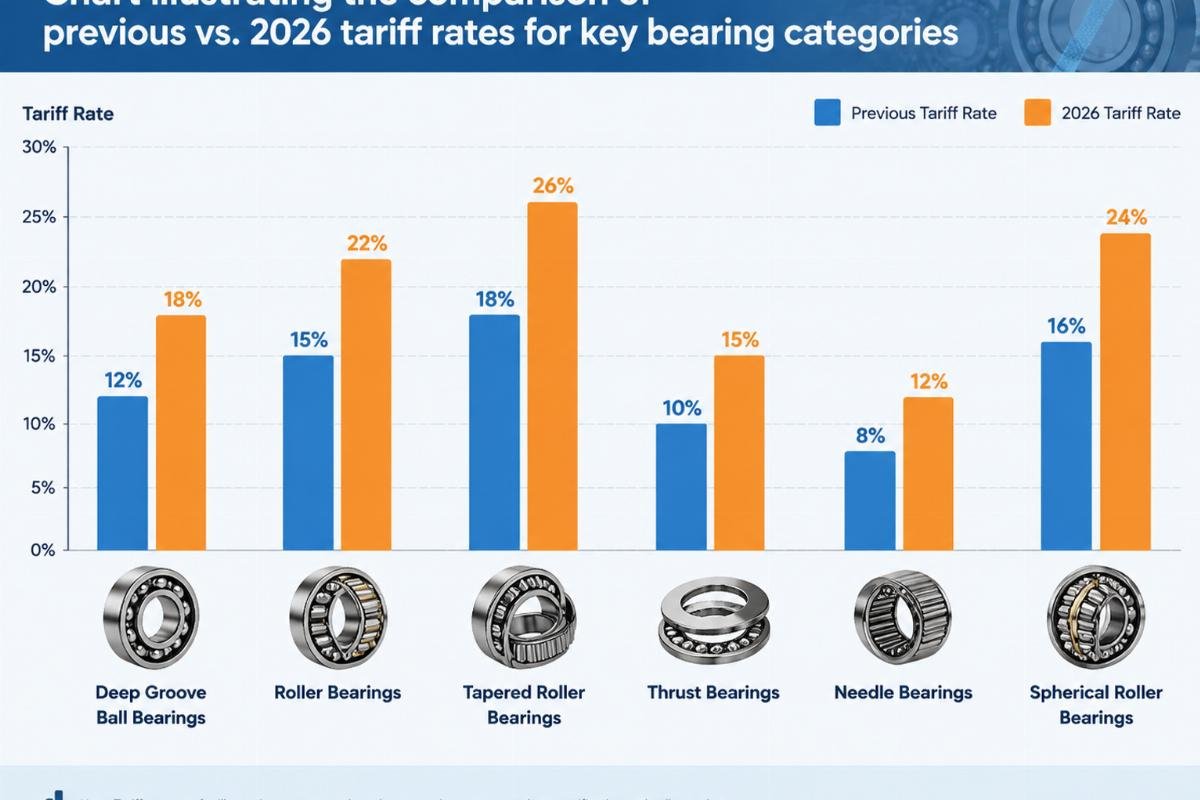
To navigate these changes, buyers must work closely with their suppliers. A reliable partner will provide transparent documentation and accurate classification advice. Relying on outdated data or generic assumptions can lead to severe financial consequences. The goal is to ensure that every shipment clears customs smoothly, without unexpected delays or charges.
Why Do HS Code Misclassifications Trigger Customs Seizures?
A single digit error in bearing categorization leads to massive port delays and financial penalties.
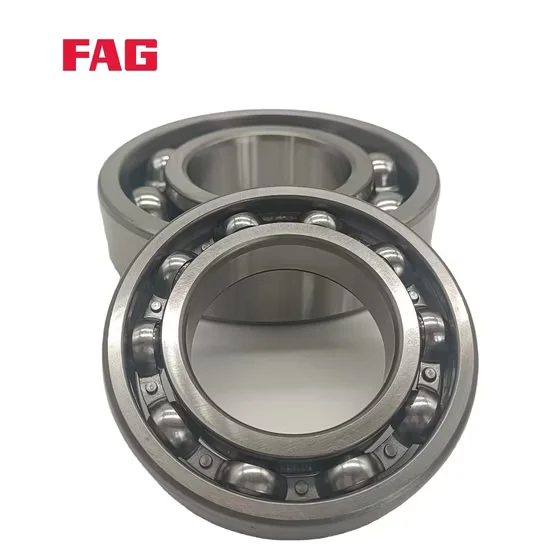
HS code classification is the backbone of international trade compliance. For bearings, the distinction between different types—such as deep-groove ball bearings versus spherical roller bearings—can determine the applicable duty rate. In the 2026 regulatory environment, even minor discrepancies can trigger automatic flags in the CBP system.
The complexity arises from the technical nuances of bearing design. A cylindrical roller bearing and a tapered roller bearing may look similar to a non-specialist, but they fall under different HS subheadings. Misclassifying one for the other is a common error that results in customs seizures.
I recall a shipment of SKF angular contact ball bearings destined for an automotive plant in Detroit. The broker used a generic code for “ball bearings” instead of the specific code for “angular contact” types. The difference seemed trivial, but the specific code carried a higher duty rate due to recent trade policies. The shipment was held for verification, causing a production line shutdown at the customer’s facility. The cost of the delay far exceeded the duty savings attempted.
To avoid such pitfalls, importers must understand the specific criteria for each HS code. The classification depends on factors such as the type of rolling element, the bearing’s design, and its intended application. Using the wrong code is not just a clerical error; it is viewed as an attempt to evade duties. This perception can lead to increased scrutiny of future shipments from the same importer.
| Bearing Type | Common HS Code Category | Risk Level if Misclassified | Documentation Requirement |
|---|---|---|---|
| Deep-Groove Ball Bearings | Standard Ball Bearing | Moderate | Basic Origin Certificate |
| Spherical Roller Bearings | Specialized Roller Bearing | High | Detailed Technical Specs |
| Tapered Roller Bearings | Automotive/Industrial Specific | High | Proof of Application Use |
| Needle Bearings | Precision Component | Critical | Full Traceability Records |
The table above highlights the varying levels of risk associated with different bearing types. As shown, precision components like needle bearings require the highest level of documentation. Importers must ensure that their suppliers provide accurate technical data to support the chosen HS code.
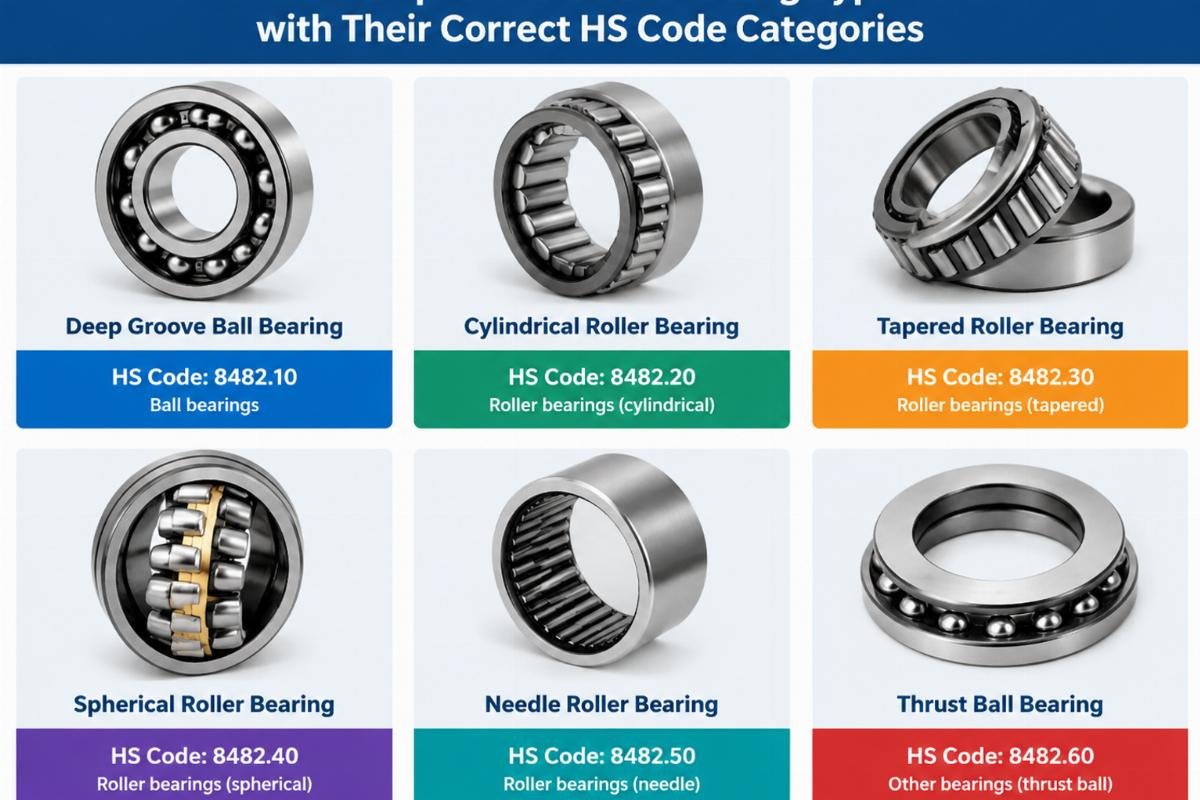
The US Tariff Updates 2026 European Bearings emphasize the importance of accuracy. Buyers should not rely on brokers alone to determine classification. Instead, they should verify the codes with their suppliers and cross-reference them with official CBP guidelines. This proactive approach minimizes the risk of seizures and ensures smoother customs clearance.
How to Build a Tariff-Resilient Sourcing Strategy?
Diversifying brands and leveraging mixed-container consolidation optimizes landed costs and reduces risk.
Relying solely on premium European brands is no longer a viable strategy for many buyers. The 2026 tariff hikes have made these products significantly more expensive. To maintain margins, importers must explore alternative sourcing options. This does not mean compromising on quality. Verified alternatives from reputable manufacturers can offer identical specifications at a lower landed cost.
A mining operator in South America faced rising costs for his maintenance inventory. He switched from exclusive use of European brands to a mix of premium and verified alternative bearings for standard MRO applications. The result was a noticeable reduction in total procurement costs without any impact on equipment performance. The key was rigorous testing and validation of the alternative products before full-scale adoption.
Mixed-container consolidation is another effective tactic. By combining different brands and types of bearings in a single shipment, buyers can optimize logistics costs and reduce the impact of tariffs on specific items. This approach requires a supplier with a broad inventory and the ability to manage complex orders.
Our portfolio includes genuine products from SKF, FAG, INA, NSK, NTN, TIMKEN, KOYO, NACHI, IKO, and other premium global brands, alongside reliable domestic Chinese bearing lines such as ZWZ, HRB, and LYC. This diversity allows us to offer tailored solutions that meet both performance and budget requirements. For urgent maintenance needs, we provide flexible MOQs ranging from single-unit orders to full container loads.
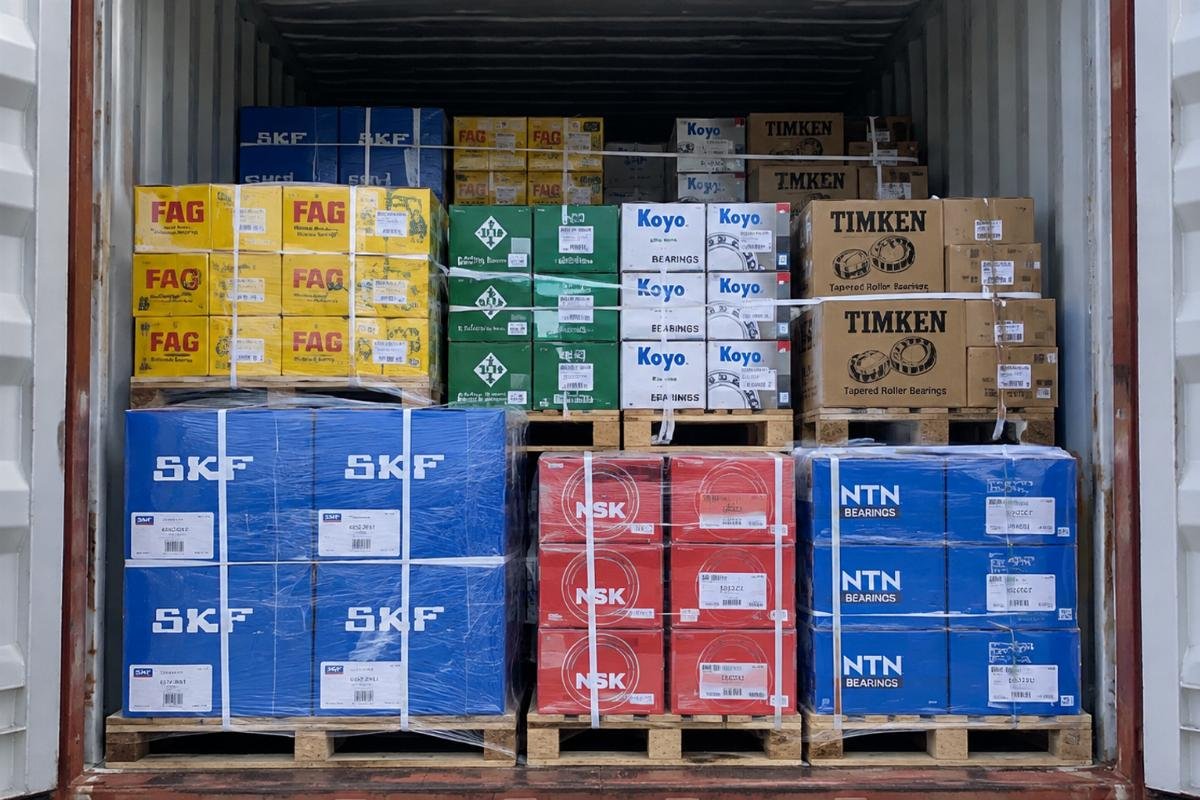
Building a resilient strategy also involves maintaining strong relationships with suppliers who understand the regulatory landscape. A partner who can provide accurate documentation and timely updates on tariff changes is invaluable. They can help you navigate the complexities of the US Tariff Updates 2026 European Bearings framework and identify opportunities for cost savings.
Importers should also consider the total cost of ownership, not just the purchase price. Factors such as durability, maintenance frequency, and availability of spare parts play a crucial role in long-term value. Verified alternatives often offer competitive performance in these areas, making them a smart choice for many applications.
Navigating Customs Audits with Complete Traceability
Providing full traceability docs proves origin and ensures zero penalties during audits.
Customs audits are becoming more frequent and thorough. Importers must be prepared to provide comprehensive documentation for every shipment. This includes certificates of origin, commercial invoices, packing lists, and technical specifications. The goal is to prove the authenticity and origin of the goods beyond any doubt.
A European wind farm operator recently underwent a random CBP audit. His supplier provided complete traceability documents for all INA bearings used in the turbines. The audit concluded with zero penalties and no delays. This outcome was due to the meticulous record-keeping and transparency of the supply chain.
Traceability is not just about paperwork; it is about trust. Buyers need to know that the bearings they receive are genuine and meet the specified standards. Counterfeit or substandard products can lead to equipment failure and safety hazards. Therefore, working with suppliers who prioritize authenticity is essential.
We ensure genuine original bearings with complete traceability documentation for all our products. Our ISO-compliant quality assurance processes guarantee that every item meets international standards. This commitment to quality and transparency helps our clients avoid the risks associated with customs audits and regulatory non-compliance.

The US Tariff Updates 2026 European Bearings require a higher level of diligence. Importers must verify the origin of their goods and ensure that all documentation is accurate and up-to-date. Failure to do so can result in severe penalties and reputational damage. By prioritizing traceability, buyers can protect their businesses and maintain smooth operations.
Conclusion
Tariff compliance is a strategic advantage, not just a regulatory hurdle.
The 2026 US tariff updates demand a proactive approach to sourcing and compliance. By understanding the new rules, verifying HS codes, and diversifying supply chains, buyers can mitigate risks and maintain profitability. The US Tariff Updates 2026 European Bearings framework is complex, but with the right partner and strategy, it can be navigated successfully. Focus on total landed cost, prioritize documentation, and choose suppliers who offer transparency and reliability. This approach ensures long-term stability in an evolving trade environment.