Standard C3 clearance often fails in US quarries despite high ambient temperatures.
Selecting FAG bearings for US aggregate plants requires prioritizing advanced sealing structures over thermal clearance adjustments to combat extreme silica dust ingress and inconsistent lubrication, which are the primary drivers of premature failure in jaw crushers and vibrating screens.
I still remember the panic in the voice of a Texas quarry owner I assisted recently. He had stocked his vibrating screens with standard spherical roller bearings, assuming that the desert-like heat of his region mirrored the conditions I frequently manage in Riyadh. In the Middle East, high ambient temperature is indeed the dominant stressor, often necessitating larger internal clearances to accommodate thermal expansion. However, when he applied this same logic to his US operations, the bearings seized within months. The root cause was not heat, but fine silica dust penetrating the seals due to inadequate protection, mixing with grease, and forming an abrasive paste that destroyed the raceways. This incident reinforced a critical distinction: while thermal management is universal, the contamination profile in North American aggregate processing demands a specific approach to sealing and clearance that differs significantly from other arid regions.
Understanding these regional nuances is essential for any procurement strategy involving FAG bearings for US aggregate plants. The following insights detail how to adjust selection criteria to prevent costly downtime.
Why Do FAG Bearings Fail Prematurely in US Quarries?
Extreme dust concentration and poor lubrication practices override standard thermal assumptions in US aggregate environments.
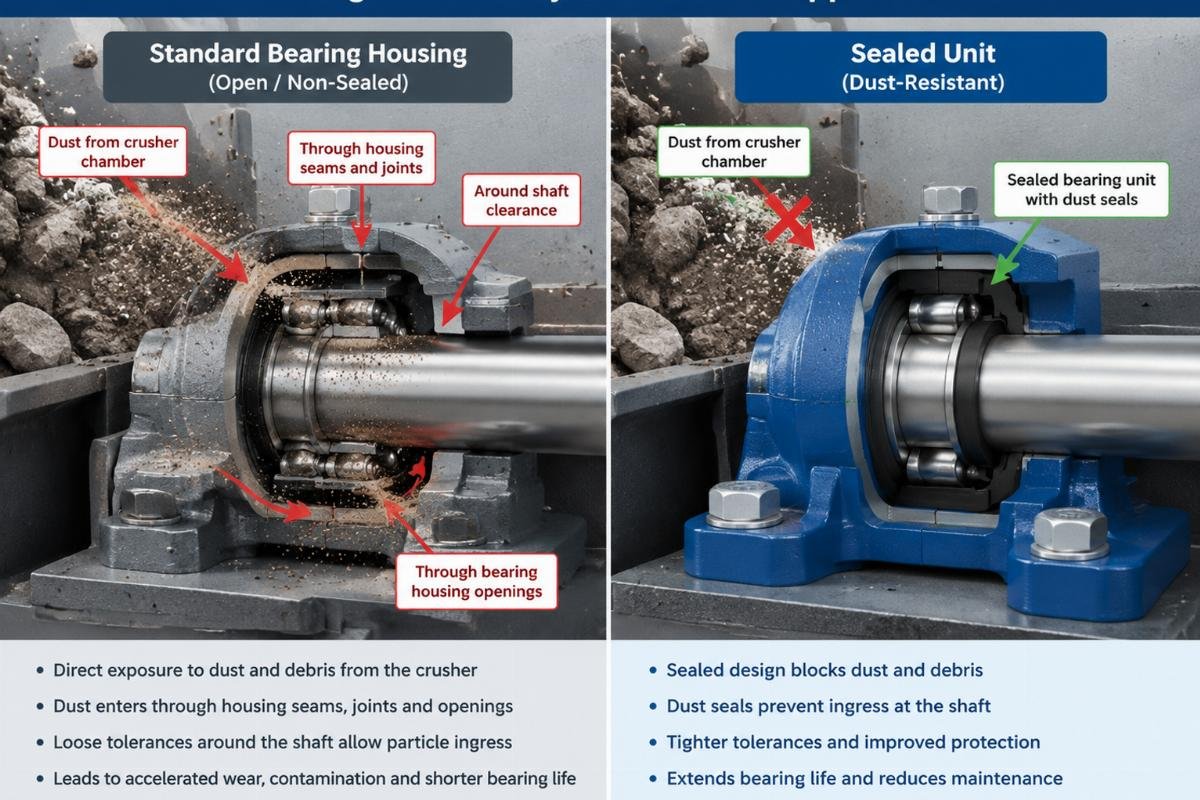
In many global mining contexts, bearing failures are attributed to overload or misalignment. However, in US quarries, the primary antagonist is airborne particulate matter. The crushing process generates vast amounts of fine silica dust, which is highly abrasive and pervasive. When this dust infiltrates the bearing housing, it compromises the lubricant film. Unlike larger debris that might be filtered out by simple guards, silica particles are small enough to bypass standard lip seals if the sealing system is not specifically designed for high-contamination environments.
The failure mode typically follows a predictable pattern. Initially, the contaminant mixes with the grease, increasing friction torque. This leads to a gradual rise in operating temperature, which operators often mistake for a clearance issue. They may attempt to switch to a bearing with greater internal clearance, hoping to reduce heat generation. However, this does not address the root cause. The abrasive paste continues to wear down the rolling elements and raceways, leading to spalling and eventual seizure.
A key observation from field data is that the rate of dust ingress is directly correlated with the effectiveness of the sealing interface, not just the bearing type. In US plants, where environmental regulations may limit water usage for dust suppression, dry dust levels remain critically high. This makes the choice of seal material and geometry paramount. Standard rubber seals may harden or degrade under the combined stress of frictional heat and chemical exposure from certain lubricants, creating gaps for dust entry. Therefore, the solution lies in integrating bearings with robust sealing solutions, such as labyrinth seals or specialized contact seals, rather than solely focusing on internal geometry.
For distributors and MRO managers sourcing FAG bearings for US aggregate plants, recognizing this failure mechanism is the first step toward improving reliability. It shifts the focus from merely replacing failed components to engineering a more resilient system.
How to Choose the Right Clearance for Vibrating Screens?
Match internal clearance to actual operating temperatures generated by friction and load, not just ambient desert heat.
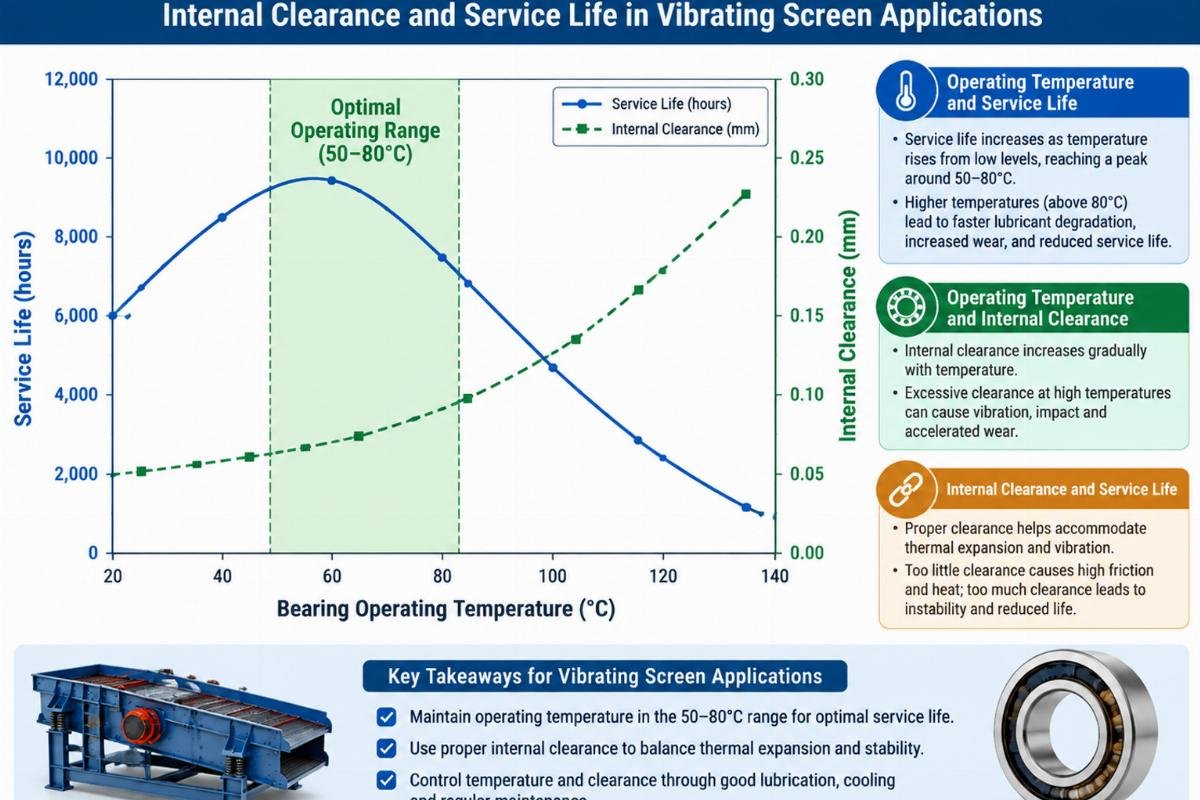
Vibrating screens subject bearings to complex dynamic loads, including centrifugal forces and continuous vibration. Selecting the correct internal clearance is critical to preventing skidding and ensuring proper load distribution. A common misconception is that higher ambient temperatures always require larger clearances, such as C3 or C4. While thermal expansion is a factor, the operating temperature of the bearing itself is influenced by friction, which increases significantly if dust contamination is present.
If a bearing is selected with excessive clearance based on an assumption of high ambient heat, but the actual operating environment is dominated by contamination-induced friction, the bearing may experience unstable internal kinematics. This can lead to increased vibration and accelerated wear. Conversely, too little clearance can cause preloading and overheating. The goal is to match the clearance to the true thermal state of the bearing during operation.
| Operating Condition | Recommended Clearance Class | Sealing Requirement | Lubrication Strategy |
|---|---|---|---|
| Low Dust, Moderate Temp | C3 | Standard Lip Seal | Standard Grease Replenishment |
| High Dust, High Vibration | C3 or C4 (Verified) | Labyrinth or Taconite Seal | High-Viscosity, EP Additive Grease |
| Extreme Contamination | C3 (With Caution) | Advanced Multi-Lip Seal | Frequent Purging or Oil Mist |
In a recent case involving a Midwest aggregate producer, switching from a standard C3 clearance to a verified C3 with enhanced sealing reduced unplanned downtime significantly. The key was not changing the clearance class arbitrarily, but ensuring that the clearance was appropriate for the actual thermal profile, which was lower than expected once the sealing was improved. This highlights that clearance selection must be part of a holistic system design, not an isolated parameter.
When evaluating FAG bearings for US aggregate plants, it is advisable to consult technical datasheets that provide guidance on clearance selection based on both temperature and load conditions. For vibrating screens, where dynamic loads are prevalent, maintaining the correct fit between the shaft and housing is equally important to prevent creep and fretting corrosion.
What Sealing Solutions Prevent Jaw Crusher Contamination?
Advanced labyrinth seals are critical to block fine silica dust in high-vibration jaw crusher applications.
Jaw crushers operate under some of the harshest conditions in an aggregate plant. The crushing action generates significant shock loads and ejects dust at high velocity. Standard seals often fail in this environment because they cannot withstand the combination of mechanical stress and abrasive particle impact. The direction of dust ingress is typically radial and axial, driven by the pressure fluctuations within the crusher chamber.
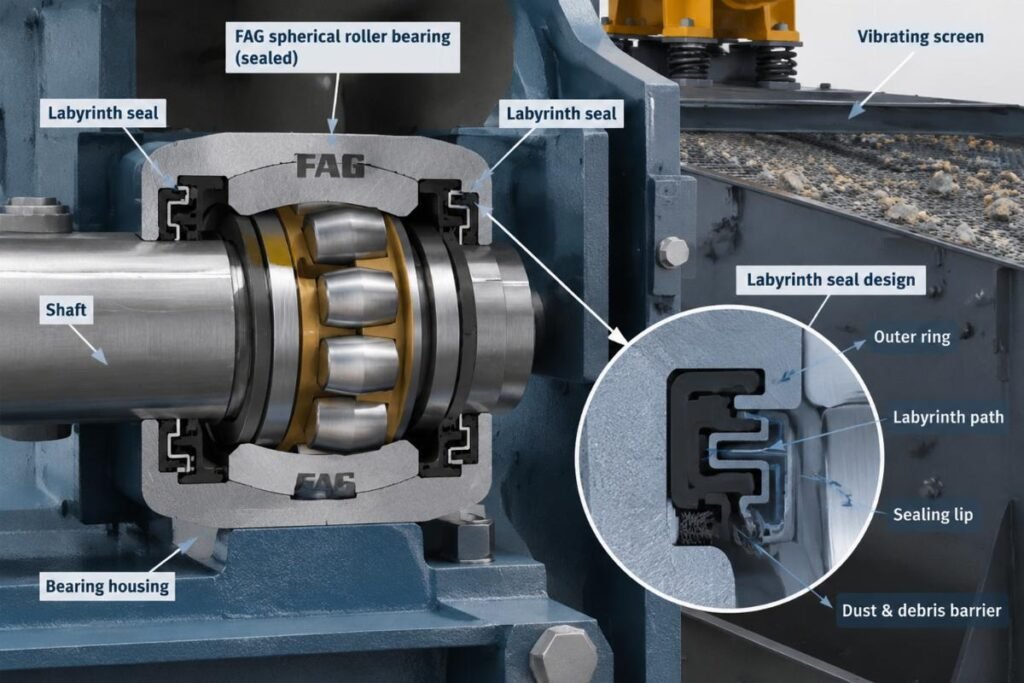
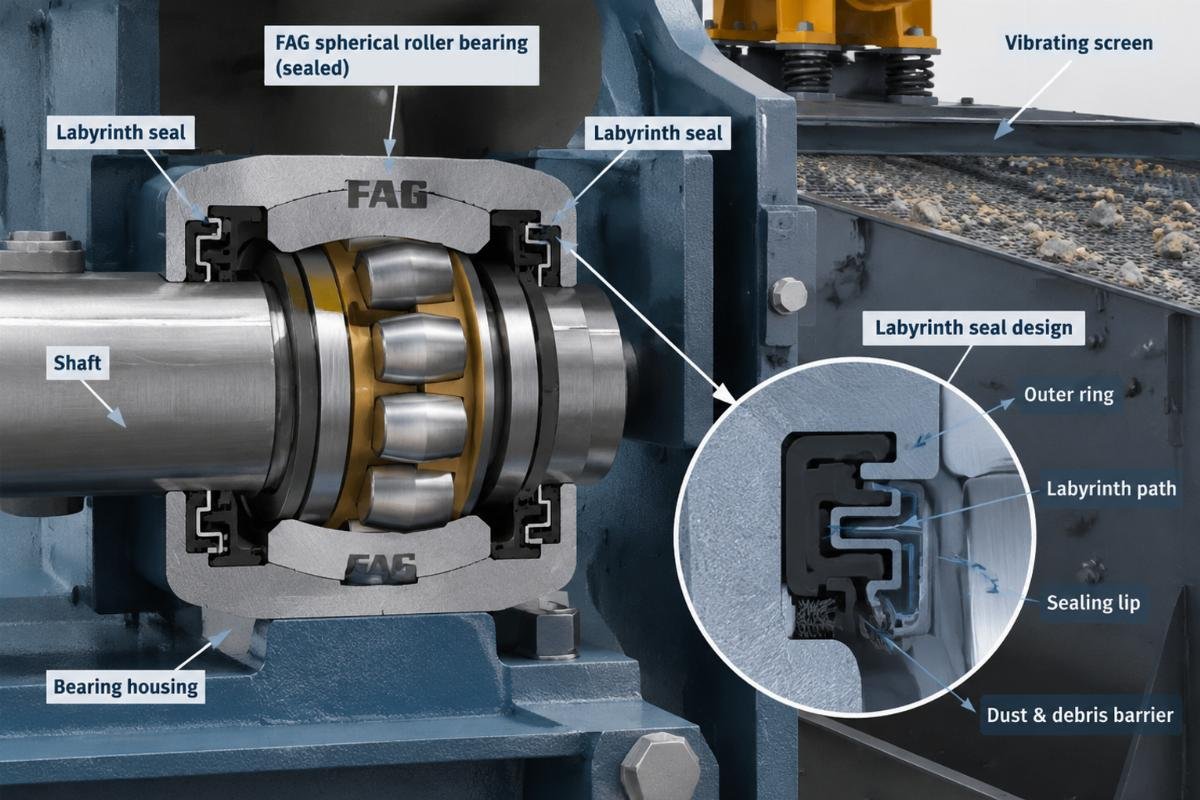
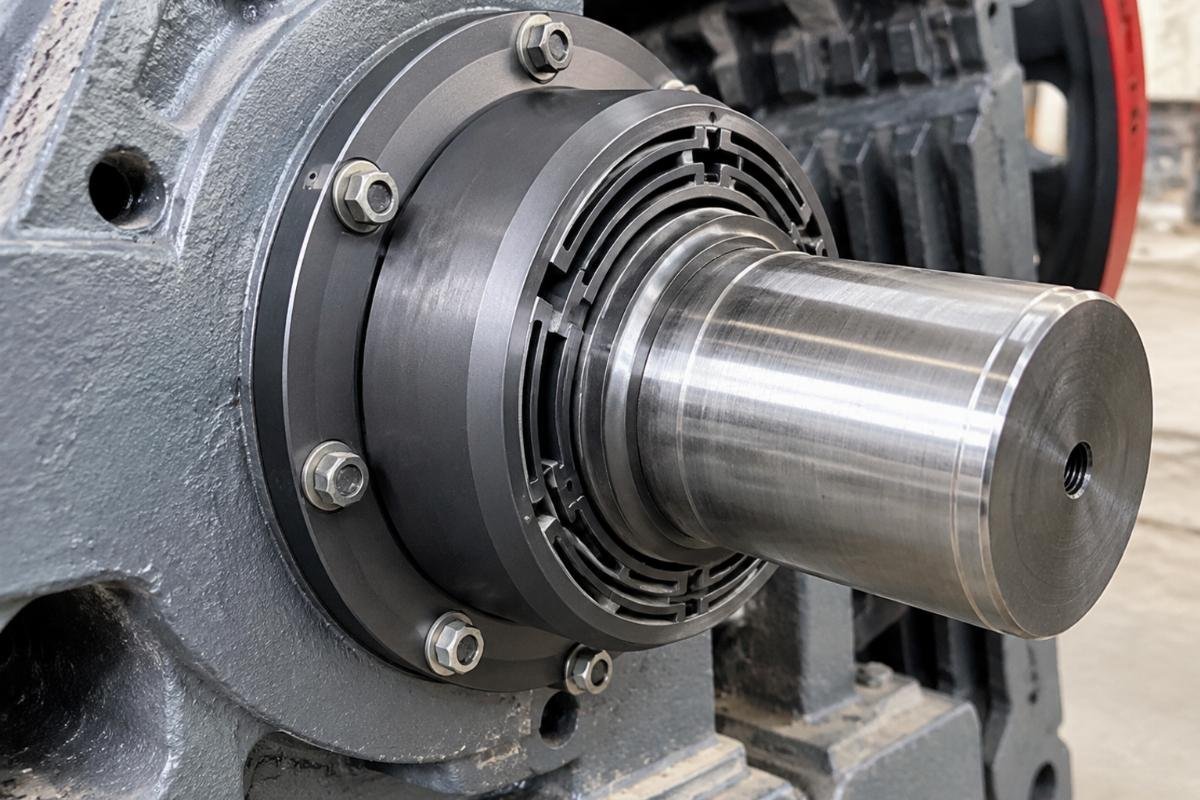
To mitigate this, sealing solutions must go beyond simple contact seals. Labyrinth seals, which create a tortuous path for contaminants, are highly effective in blocking dust without generating excessive friction heat. These seals do not rely on tight contact with the rotating element, reducing wear and extending service life. In some cases, Taconite seals or similar proprietary designs are used, which incorporate a grease purge mechanism to actively expel contaminants.
A notable example involved a granite quarry in the Northeast US. The facility experienced frequent bearing failures in their primary jaw crusher. Upon inspection, it was found that standard lip seals were being shredded by rock fragments and dust. By retrofitting the housings with labyrinth seals and using a high-viscosity grease with extreme pressure additives, the site extended bearing life substantially. The grease acted as a secondary barrier, trapping any particles that managed to bypass the primary seal.
It is also important to consider the material compatibility of the seals. Silica dust can be chemically inert, but the lubricants used may contain additives that degrade certain elastomers. Ensuring that the seal material is compatible with the chosen lubricant is essential for long-term performance. For those sourcing FAG bearings for US aggregate plants, verifying the seal specification against the specific operational environment is a crucial step in the selection process.
How to Verify Genuine FAG Bearings for Aggregate Use?
Traceability documentation and proper storage conditions are vital for ensuring authenticity and performance in harsh environments.
The market for industrial bearings is fraught with counterfeits, which pose a significant risk to heavy-duty applications like aggregate processing. A counterfeit bearing may look identical to a genuine product but lack the precise metallurgy and manufacturing tolerances required for high-load operations. Using such components can lead to catastrophic failures, resulting in extensive damage to machinery and prolonged production stops.
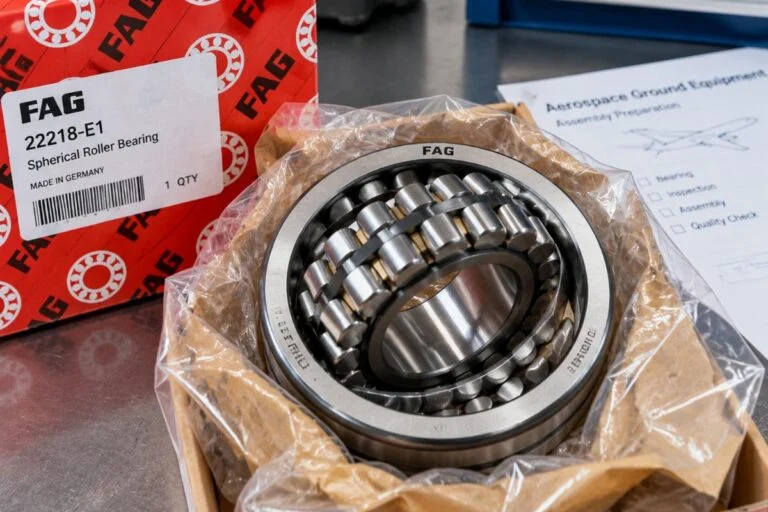
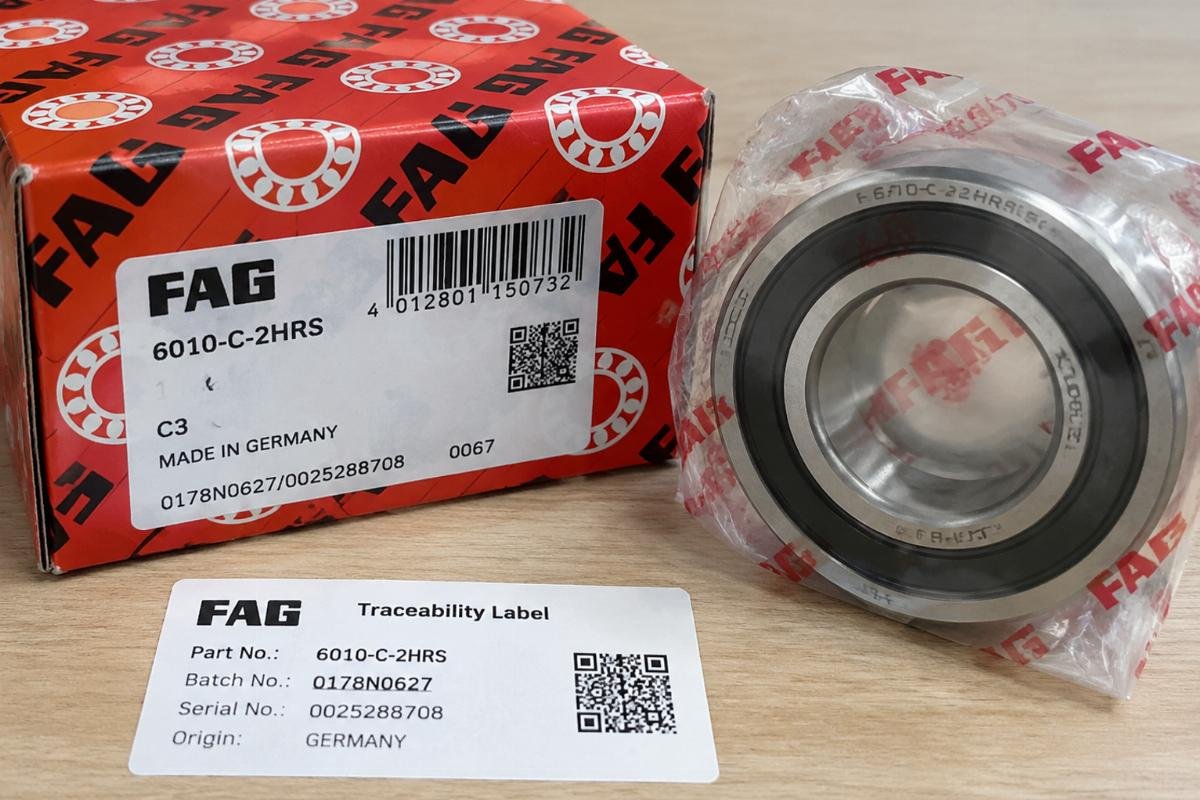
Verifying the authenticity of FAG bearings involves checking several key indicators. First, traceability documentation, such as mill certificates and batch numbers, should be provided by the supplier. These documents allow the buyer to verify the origin and quality control history of the bearings. Second, physical inspection of the packaging and marking can reveal discrepancies. Genuine products typically have high-quality printing, precise laser etching, and robust packaging that protects against moisture and damage during transit.
Storage conditions also play a role in maintaining bearing integrity. Bearings should be stored in a clean, dry environment, away from direct sunlight and extreme temperature fluctuations. Improper storage can lead to corrosion or degradation of seals and lubricants before the bearing is even installed. For distributors and end-users, establishing a rigorous incoming inspection protocol is essential to ensure that only genuine, high-quality components enter the supply chain.
When partnering with a supplier for FAG bearings for US aggregate plants, it is important to choose a partner who prioritizes transparency and quality assurance. This includes providing full traceability for all products and offering technical support for verification processes. By ensuring the authenticity of the bearings, operators can have confidence in the performance and reliability of their equipment.
Conclusion
Sealing integrity outweighs thermal clearance adjustments in US aggregate environments.
Premature bearing failure in US quarries is primarily driven by silica dust ingress rather than ambient heat. Selecting FAG bearings for US aggregate plants requires a focus on advanced sealing solutions and verified clearance matching actual operating conditions. Authenticity and proper handling remain foundational to achieving reliable service life in these demanding applications.