Stainless steel housings do not save bearings from CIP washdown failure.
The core reason standard bearings fail in US bottling plants is not corrosion of the outer ring, but the chemical degradation of standard rubber seals by aggressive cleaning agents, leading to rapid lubricant washout and internal rusting. Selecting food-grade FAG deep groove ball bearings with chemically resistant sealing materials and FDA-compliant lubricants is the only reliable method to prevent unplanned downtime in high-humidity CIP environments.
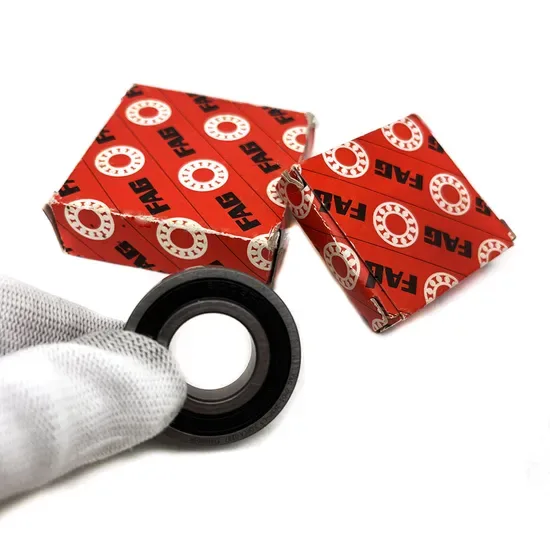
I still remember the heat of the Chicago trade show floor when a frantic production manager from a mid-sized beverage facility slammed a seized bearing onto my counter. It was a standard industrial unit, shiny on the outside but fused solid inside. He had installed them on a new filling line just two weeks prior. The culprit was not heavy load or high speed, but the daily caustic washdown cycle. The cleaning fluid had penetrated the standard iron shields, emulsified the grease, and caused catastrophic internal corrosion. That incident shifted my entire approach to sourcing. I stopped looking merely at dimensions and started scrutinizing seal chemistry and lubricant compatibility. For anyone managing MRO in this sector, understanding these nuances is not optional; it is essential for operational continuity.

This experience highlights why generic industrial solutions often fall short in specialized food and beverage applications. When you search for reliable FAG bearings US bottling plants, you are not just looking for a part number; you are looking for a component engineered to survive a hostile chemical environment while maintaining strict hygiene standards.
Why Standard Bearings Fail in Bottling Lines?
CIP chemicals destroy standard seals rapidly, rendering even high-quality steel vulnerable.
Most maintenance teams assume that if the bearing housing is stainless steel, the internal components are safe. This is a dangerous misconception. The primary failure mode in bottling lines is not external rust but internal contamination. Clean-in-Place (CIP) systems use hot water, caustic soda, and acidic rinses to sterilize equipment. These fluids are highly aggressive toward standard nitrile rubber seals commonly found in general-purpose bearings.
When the seal material swells or cracks due to chemical exposure, the barrier is breached. High-pressure spray nozzles then force contaminated water and cleaning agents into the bearing raceway. Once inside, these fluids mix with the standard lithium-based grease, creating an abrasive slurry that accelerates wear and leads to premature seizure.
I have seen this pattern repeat across multiple facilities. A European wine producer once reported that their filler heads were failing every few months. Upon inspection, we found that the standard shields offered zero protection against the steam and acidic cleaners used in their sanitation routine. The solution was not a heavier bearing, but a different seal design. By switching to units with fluoroelastomer seals, which offer superior chemical resistance, the maintenance interval extended significantly.
| Failure Factor | Standard Industrial Bearing | Food-Grade Sealed Bearing |
|---|---|---|
| Seal Material | Nitrile Rubber (NBR) | Fluoroelastomer (FKM) or PTFE |
| Chemical Resistance | Vulnerable to caustics/acids | Resistant to CIP agents |
| Lubricant Type | General Purpose Lithium | FDA-Compliant White Grease |
| Ingress Protection | Basic Dust Shield | High-Level Sealing |
| Washdown Suitability | Not Recommended | Robust |
This table illustrates why simply buying a “stainless” bearing is insufficient. The internal architecture must match the external environment. For buyers sourcing FAG bearings US bottling plants, verifying the seal material specification is as critical as checking the bore diameter. Without this alignment, even the most premium brand will fail under the relentless assault of daily sanitation cycles.

Critical FAG Bearing Specs for Washdown Environments?
Focus on seal types and food-grade grease rather than precision grade alone.
In dry manufacturing settings, higher precision grades like P4 or P5 are often prioritized to reduce vibration and noise. However, in a wet bottling plant, precision is secondary to sealing integrity. A perfectly machined bearing will still fail if its seal cannot withstand the pH levels of the cleaning solution. The key specifications to prioritize are the seal material composition and the lubricant type.
FAG offers specific series designed for these harsh conditions. These units typically feature non-contacting seals or specialized contacting lips made from materials that resist swelling and hardening when exposed to aggressive chemicals. Furthermore, the lubricant must be NSF H1 registered, ensuring it is safe for incidental food contact. This is a non-negotiable requirement for any facility adhering to FDA regulations.
During a recent overhaul for a craft brewery in the Pacific Northwest, the engineering team was initially focused on reducing noise levels. They requested high-precision open bearings. I advised against this, explaining that the open design would invite moisture ingress immediately. Instead, we selected sealed deep groove ball bearings with a robust fluorocarbon elastomer seal. The result was a dramatic reduction in unscheduled stops. The bearings survived the nightly hot-water and caustic wash cycles without degradation.
When evaluating options for FAG bearings US bottling plants, ask suppliers for the technical data sheet regarding seal compatibility. Do not settle for generic “water-resistant” claims. Request specific chemical resistance charts that list performance against sodium hydroxide and nitric acid, which are staples in CIP protocols. This level of detail separates a suitable component from a costly mistake.

How to Source Genuine FAG Bearings for US Plants?
Verify traceability and avoid counterfeit risks through documented supply chains.
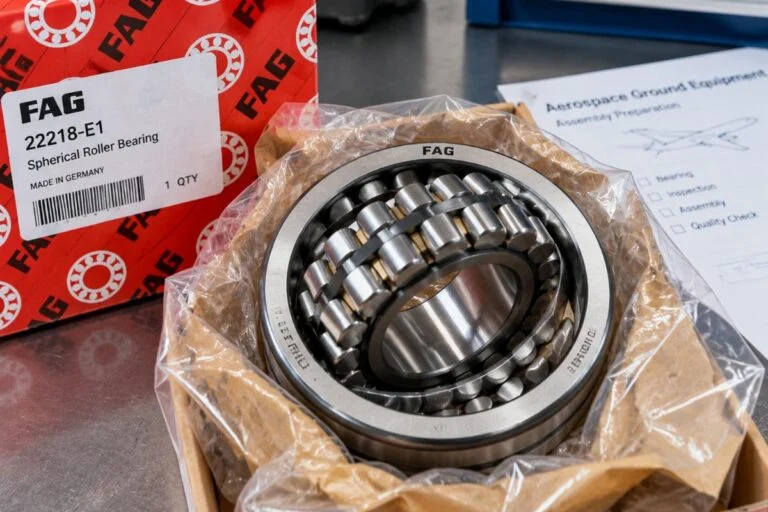
The global bearing market is flooded with counterfeits, and the food and beverage industry is a prime target due to the high cost of downtime. A fake bearing might look identical to the genuine article, but the steel quality, heat treatment, and seal materials will be substandard. In a washdown environment, these inferior materials degrade much faster, leading to unexpected failures.
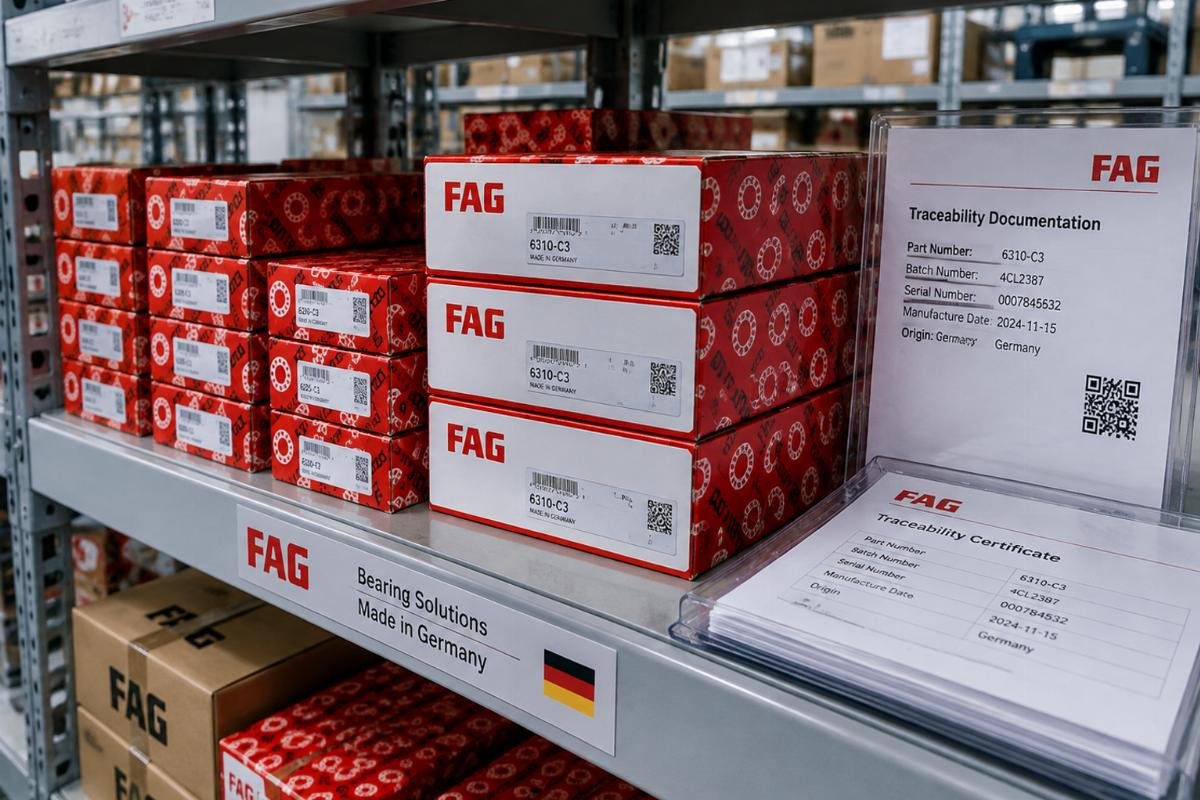
Sourcing genuine products requires more than just a low price. It demands a supplier who can provide complete traceability documentation. This includes original mill certificates, batch numbers, and proof of authorized distribution. When I procure stock for clients, I ensure that every unit can be traced back to the manufacturer’s production facilities. This transparency is crucial for audits and quality assurance.
A distributor in Latin America once shared how they lost a major contract after a batch of bearings failed prematurely. The root cause was traced to unauthorized resellers who had mixed genuine parts with lower-quality alternatives. Since then, they have strictly partnered with suppliers who offer verified authenticity and mixed-brand consolidation capabilities. This approach allows them to maintain high standards while optimizing procurement costs.
For MRO managers and OEMs looking for FAG bearings US bottling plants, working with a professional global full-range bearing supplier is advantageous. Such partners can offer one-stop sourcing solutions, combining FAG units with other necessary components from brands like SKF or NSK. This consolidation simplifies logistics and ensures that all parts meet the same rigorous quality standards.
Optimizing Maintenance Cycles with Correct Selection
Proper sealing extends service life meaningfully, reducing total cost of ownership.
Selecting the right bearing is only half the battle; proper installation and maintenance practices are equally important. Even the best-sealed bearing can fail if installed incorrectly or if the surrounding hardware is compromised. Ensuring that shafts and housings are clean and free from damage before installation prevents external contaminants from bypassing the seal.
Regular inspection schedules should focus on signs of seal degradation rather than just vibration analysis. Look for discoloration, swelling, or cracking of the seal lips. If these signs are present, the bearing should be replaced proactively before internal contamination occurs. This proactive approach minimizes the risk of catastrophic line stoppages.
In a large-scale bottling facility in the Midwest, the maintenance team switched from reactive replacement to a predictive model based on seal condition monitoring. By using high-quality sealed bearings, they were able to extend their replacement intervals substantially. This shift not only reduced spare parts consumption but also freed up maintenance staff for other critical tasks.
When you source FAG bearings US bottling plants, consider the long-term operational impact. A slightly higher upfront cost for a properly sealed, food-grade unit is negligible compared to the cost of a single hour of downtime. The reliability of the component directly influences the efficiency of the entire production line.

Conclusion
Seal chemistry dictates survival in CIP environments, not just steel quality.
Surviving the harsh realities of US bottling plants requires a shift in focus from general industrial standards to specialized food-grade specifications. Prioritizing chemically resistant seals and FDA-compliant lubricants ensures that bearings can withstand aggressive washdown cycles without failing. By partnering with suppliers who offer genuine, traceable products, facilities can secure the reliability needed for continuous operation.
For those responsible for keeping production lines running, the choice of FAG bearings US bottling plants is a strategic decision. It impacts not just maintenance budgets, but the overall productivity and safety of the facility. Make sure every component selected is built to endure the specific challenges of your environment.