FAG Bearings in US Cement Kilns: Selection & Failure Analysis
Most kiln bearing failures are not caused by overload, but by incorrect internal clearance selection.
Selecting genuine FAG bearings with precise C3 or C4 internal clearance and advanced labyrinth sealing is the only reliable method to withstand the extreme thermal expansion and pervasive dust ingress in US cement kilns. This approach prevents premature cage fracture and ensures continuous operation under high-temperature conditions.
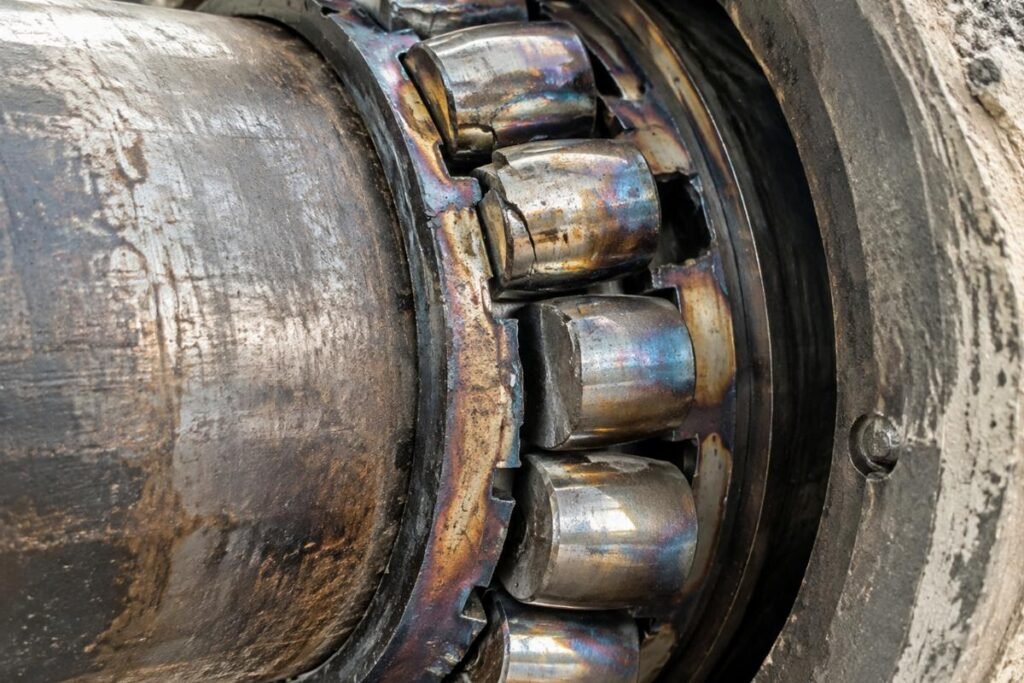
I still remember the silence of a rotary kiln in West Africa that should have been roaring. The trunnion bearing had failed after less than three months of operation. The cage was shattered, scattered like broken glass across the foundation. At the time, I had just transitioned from documentation to field operations. To replace that single set of FAG spherical roller bearings, I spent half a month battling customs clearance at the Lagos port. That delay cost the plant far more than the price of the bearing itself. It taught me that in heavy industry, the component is cheap, but the downtime is expensive. Now, when I consult with US cement plant managers, I do not start with part numbers. I start with the heat. The kiln head and tail operate at hundreds of degrees Celsius, with dust that finds its way into the smallest gap. Choosing the wrong cage material or accepting non-genuine parts turns minor savings into massive production losses. The precise clearance control and sealing design of authentic FAG bearings are the only things that stand between stable operation and catastrophic shutdown.
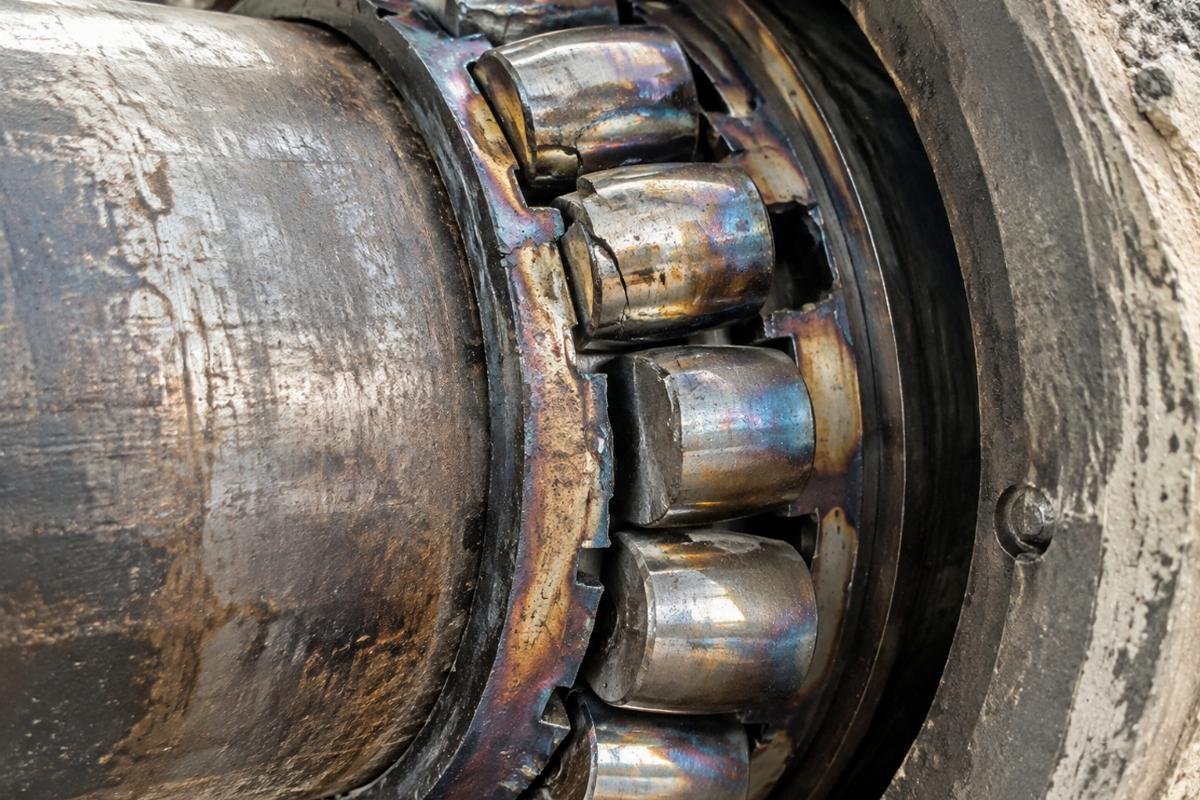
The core issue in these environments is not just the load, but the thermal dynamics. When a kiln rotates, the shell expands. If the bearing internal clearance is too tight, this expansion generates excessive preload, leading to rapid temperature rise and eventual seizure. If it is too loose, vibration increases, causing fatigue spalling. This is why standard clearance bearings often fail quickly in kiln applications.
Why Do Cement Kiln Bearings Fail Prematurely?
Thermal expansion and dust ingress are the primary culprits of premature failure, not just heavy static loads.
Many maintenance teams assume that if a bearing fails, it was simply overloaded. However, in rotary kiln applications, the load is relatively constant. The variable is temperature. As the kiln heats up, the shaft expands longitudinally. If the bearing cannot accommodate this expansion through its internal clearance, the rolling elements become pinched. This generates friction heat, which further expands the metal, creating a vicious cycle that ends in seizure or cage collapse.
Dust is the second silent killer. Cement dust is fine, abrasive, and ubiquitous. It penetrates standard seals and mixes with lubricant, forming a grinding paste that accelerates wear on the raceways and rolling elements.
I have seen this pattern repeatedly. A US plant once reported frequent failures at the kiln inlet end. Upon inspection, we found that the bearings were standard clearance units. The thermal expansion of the long kiln shell had eliminated the internal clearance entirely during operation. The resulting preload caused the rollers to skid rather than roll, flattening the raceways. Switching to bearings with C3 or C4 clearance allowed the necessary thermal movement without generating destructive preload.
Another common issue is seal failure. Standard rubber seals degrade quickly under the radiant heat of the kiln hood. Once the seal hardens or cracks, dust enters freely. In one case, a maintenance team used generic labyrinth seals that did not match the housing geometry precisely. Dust bypassed the seal, contaminating the grease within weeks. The bearing vibrated itself apart long before its calculated fatigue life was reached.

The solution lies in understanding the specific operating conditions. The kiln head experiences higher temperatures and more direct dust exposure than the tail. Therefore, the selection criteria must be stricter. Genuine FAG bearings designed for these applications feature optimized internal geometries that balance load capacity with thermal accommodation. They also use high-temperature resistant materials for cages and seals, ensuring integrity even when the surrounding air is filled with particulate matter.
How to Select the Right FAG Bearing for Kiln Head and Tail?
Correct internal clearance and advanced sealing are non-negotiable for extreme temperatures and dusty environments.
Selecting the right bearing is not about picking the largest size. It is about matching the internal specification to the thermal profile. For cement kilns, spherical roller bearings are the standard choice due to their ability to accommodate misalignment caused by shaft deflection or foundation settlement. However, the clearance class is critical.
Standard clearance (C0) is rarely suitable for kiln trunnions. The thermal expansion of the shaft typically requires at least C3 clearance, and in some high-temperature zones, C4 is necessary. Using a clearance that is too small leads to overheating, while too much clearance can cause excessive vibration and noise. The correct choice depends on the temperature difference between installation and operation, as well as the fit between the inner ring and the shaft.
| Feature | Standard Clearance (C0) | Increased Clearance (C3/C4) |
|---|---|---|
| Thermal Accommodation | Poor | Excellent |
| Risk of Preload | High in hot conditions | Low |
| Vibration Level | Lower when cold | Slightly higher when cold, stable when hot |
| Suitability for Kilns | Not Recommended | Highly Recommended |
Sealing is equally important. Labyrinth seals are preferred over contact seals in high-temperature areas because they do not generate friction heat and are less prone to degradation. However, they must be designed correctly to create a tortuous path for dust while allowing for slight axial movement. Some modern FAG designs integrate enhanced sealing systems that provide better protection against fine cement dust without compromising the bearing’s ability to handle thermal expansion.
I recall a project where a plant switched from a cheaper alternative to genuine FAG spherical roller bearings with C4 clearance and specialized labyrinth seals. The initial cost was higher, but the replacement cycle extended significantly. The maintenance team reported that the bearings ran cooler and required less frequent greasing, as the seals kept the contamination out more effectively. This reduced the overall maintenance burden and minimized the risk of unplanned stops.

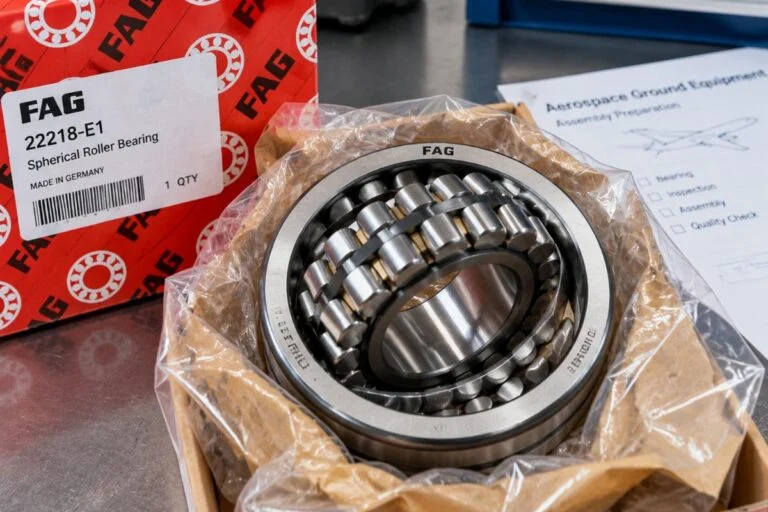
When sourcing these components, traceability is key. Ensure that the bearings come with full documentation verifying their origin and specifications. Counterfeit parts often lack the precise internal clearance controls and material quality of genuine products, making them unsuitable for such demanding applications.
What Are the Hidden Costs of Non-Genuine Bearings?
Counterfeit cages fracture rapidly, turning minor upfront savings into massive production losses.
The temptation to cut costs by using non-genuine bearings is strong, especially when the price difference seems significant. However, in a cement kiln, the cost of the bearing is negligible compared to the cost of downtime. A single hour of unplanned shutdown can cost tens of thousands of dollars in lost production. If a counterfeit bearing fails, the damage often extends beyond the bearing itself, potentially damaging the shaft, housing, or other connected components.
One of the most common failure points in counterfeit bearings is the cage. Genuine FAG bearings use high-strength, machined brass or steel cages that are designed to withstand high speeds and heavy loads. Counterfeit versions often use inferior materials or poor manufacturing processes, leading to weak cages that can fracture under stress. When a cage breaks, the rolling elements lose their spacing, causing immediate catastrophic failure.
A US buyer once shared a story about a line shutdown caused by a counterfeit bearing. The plant had saved a small amount on the purchase price, but the bearing failed after only a few weeks. The resulting downtime lasted for days as they waited for a replacement and repaired the secondary damage. The total loss was many times the savings they had initially achieved. This is a classic example of false economy.
| Aspect | Genuine FAG Bearings | Non-Genuine/Counterfeit |
|---|---|---|
| Cage Material | High-strength, verified | Often inferior, unverified |
| Internal Clearance | Precise, consistent | Inconsistent, often incorrect |
| Steel Quality | Clean, high-purity | Variable, potential impurities |
| Traceability | Full documentation | None or falsified |
| Downtime Risk | Low | High |
Furthermore, non-genuine bearings often lack the precise heat treatment and surface finish of authentic products. This can lead to premature fatigue spalling and increased friction, which generates more heat and accelerates failure. In the harsh environment of a cement kiln, these deficiencies are magnified.
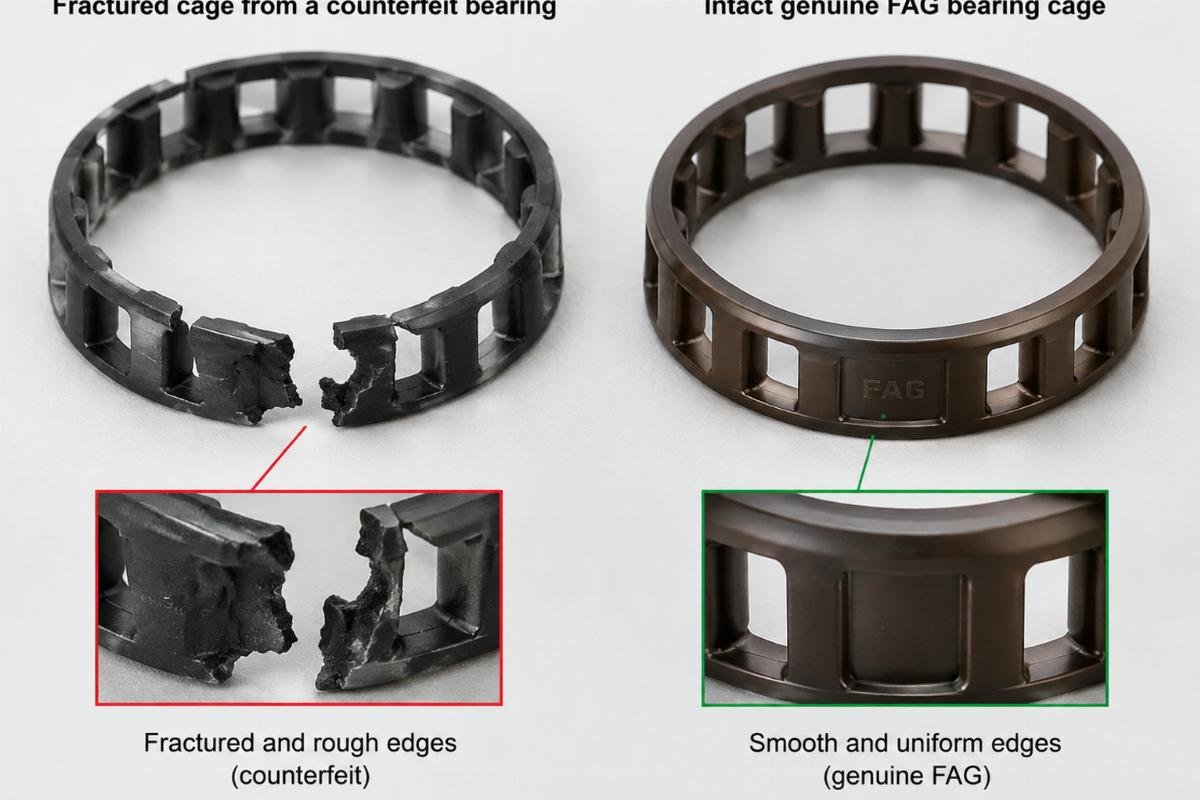
To avoid these risks, it is essential to source bearings from authorized distributors who can provide verifiable proof of authenticity. This includes checking serial numbers, packaging details, and accompanying certificates. Investing in genuine components is an insurance policy against costly unplanned downtime.
How to Verify Authenticity and Ensure Proper Installation?
Traceability documents and strict storage/handling protocols are mandatory for MRO teams.
Verifying the authenticity of FAG bearings is the first step in ensuring reliability. Genuine products come with specific packaging features, including holographic labels, unique serial numbers, and high-quality printing. The bearings themselves should have clear, laser-etched markings that are difficult to replicate. Always request traceability documents from your supplier, which link the bearing to its manufacturing batch and origin.
Storage and handling are also critical. Bearings should be stored in their original packaging in a clean, dry environment until installation. Exposure to moisture or dust during storage can compromise the corrosion protection and introduce contaminants. When handling bearings, use clean tools and avoid striking the rings or rolling elements directly, as this can cause brinelling or other damage.
Installation must be performed according to the manufacturer’s guidelines. This includes using the correct heating methods for mounting inner rings onto shafts, ensuring proper alignment, and applying the recommended amount and type of lubricant. Incorrect installation can negate the benefits of even the highest quality bearing. For example, using a hammer to force a bearing onto a shaft can damage the raceways and reduce service life significantly.
I always advise maintenance teams to conduct a pre-installation inspection. Check the shaft and housing for dimensional accuracy and surface finish. Ensure that the fits are within the specified tolerances. After installation, monitor the bearing temperature and vibration levels during the initial run-in period. Any abnormal readings should be investigated immediately to prevent potential failure.
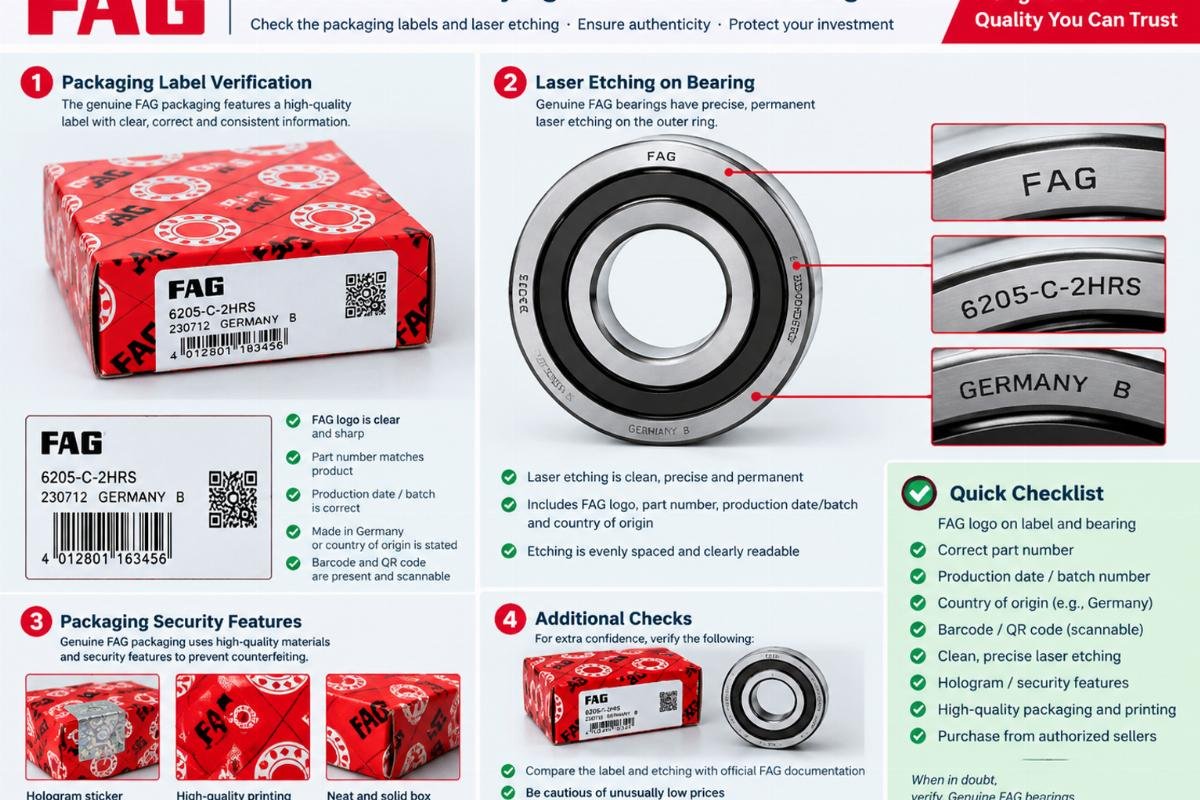
By following these verification and installation protocols, you can maximize the performance and lifespan of your kiln bearings. This proactive approach reduces the risk of unexpected failures and ensures that your plant operates efficiently and safely. Sourcing from a reliable partner who understands these technical requirements and can provide global consolidation for urgent MRO replacements is invaluable in maintaining operational continuity.
Conclusion
Precision clearance and authentic sealing are the definitive safeguards for kiln longevity.
Selecting the correct FAG spherical roller bearings with appropriate C3 or C4 clearance and robust sealing solutions is essential for surviving the extreme heat and dust of US cement kilns. Avoiding counterfeit parts and adhering to strict installation protocols prevents costly downtime and ensures reliable long-term performance.