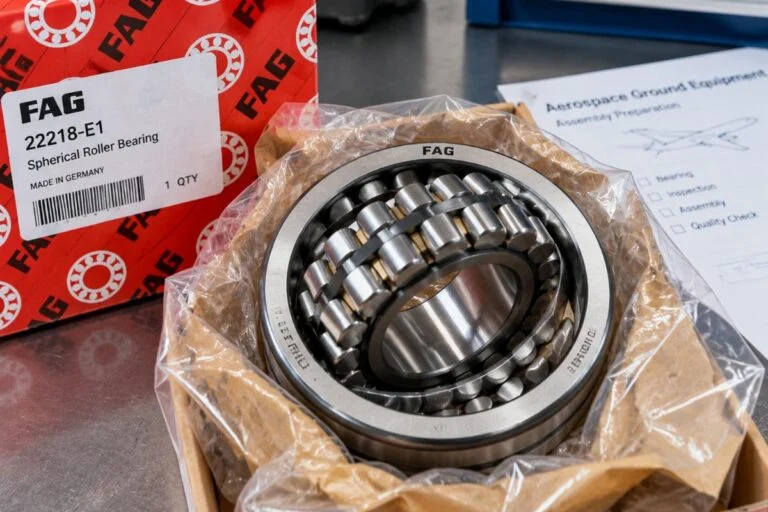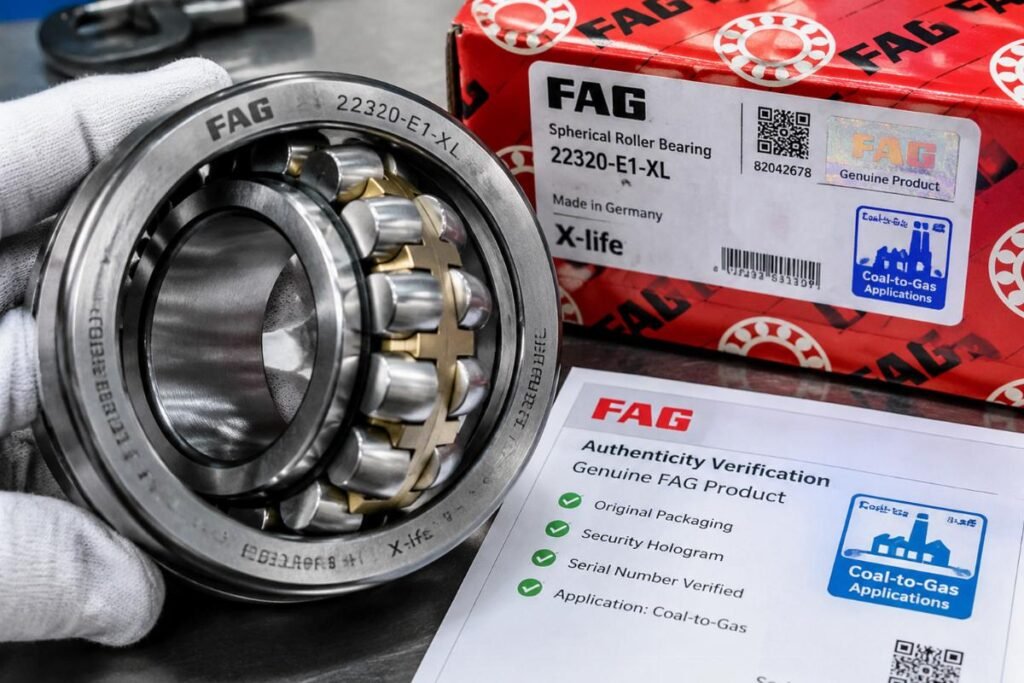
The cheapest bearing on the quote is often the most expensive component in a coal-to-gas retrofit.
Genuine FAG bearings are non-negotiable for US coal-to-gas conversions because standard industrial clearances cannot withstand the extreme thermal shifts and heavy loads inherent in these retrofits. Sourcing from a verified FAG Bearings for US Coal-to-Gas Conversion Wholesale Supplier ensures traceability, correct internal clearance specifications, and avoidance of catastrophic downtime caused by counterfeit or misapplied substitutes.
I still remember the silence in the control room of a Midwestern power plant years ago. It was not the peaceful quiet of efficient operation, but the deafening absence of turbine hum after a boiler feed pump seized. I had approved a batch of bearings to cut procurement costs, ignoring the specific thermal requirements of the new gas-fired configuration. Within months, the high-temperature environment degraded*nce of generic parts. The resulting shaft misalignment did not just stop a pump; it halted an entire unit during peak demand. That failure taught me that in energy transitions, precision is not a luxury—it is the baseline for survival. Today, when I advise clients on sourcing, I look past the initial price tag to the total cost of reliability.
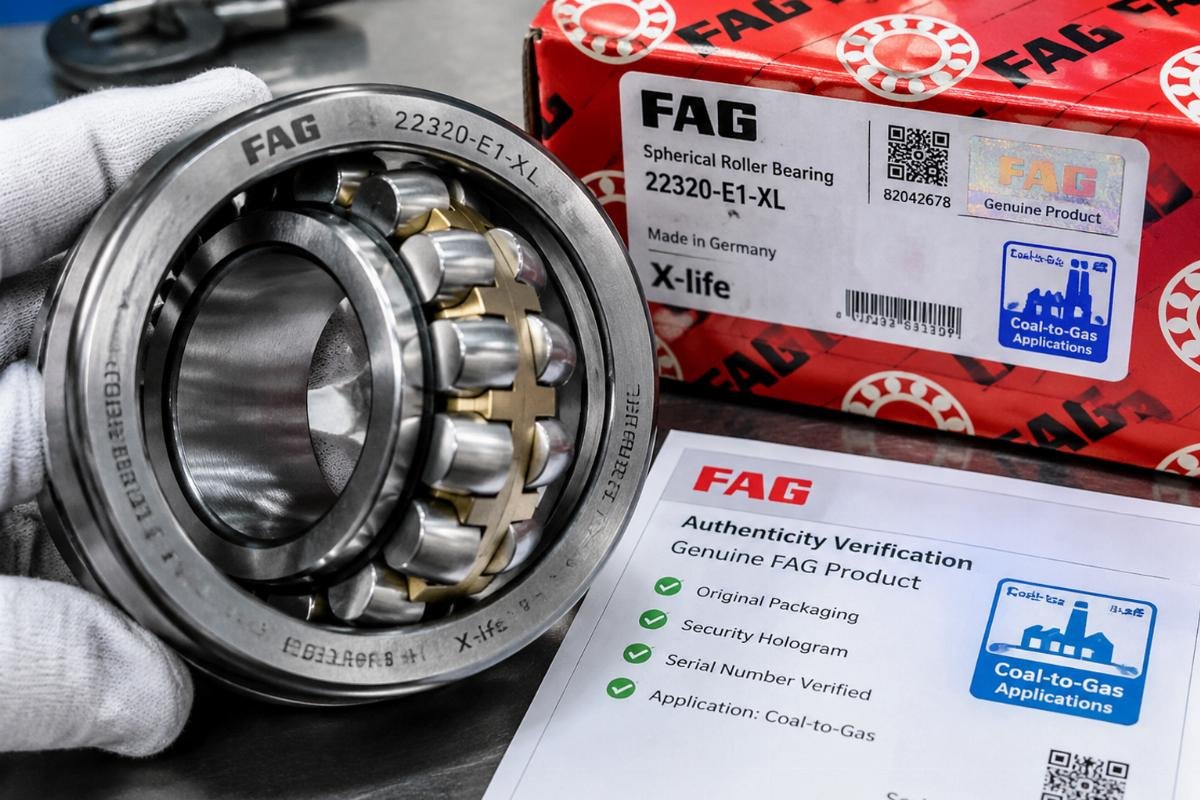
This experience drives my approach to helping MRO operators and OEMs navigate the complex supply chain. The shift from coal to natural gas is not merely a fuel swap; it is a fundamental change in operational physics. Understanding this distinction is critical for anyone acting as a FAG Bearings for US Coal-to-Gas Conversion Wholesale Supplier or procuring from one.
Why Do Standard Bearings Fail in Coal-to-Gas Retrofits?
Standard industrial bearings fail because they lack the specialized internal clearances required for the rapid thermal expansion cycles in gas conversion projects.
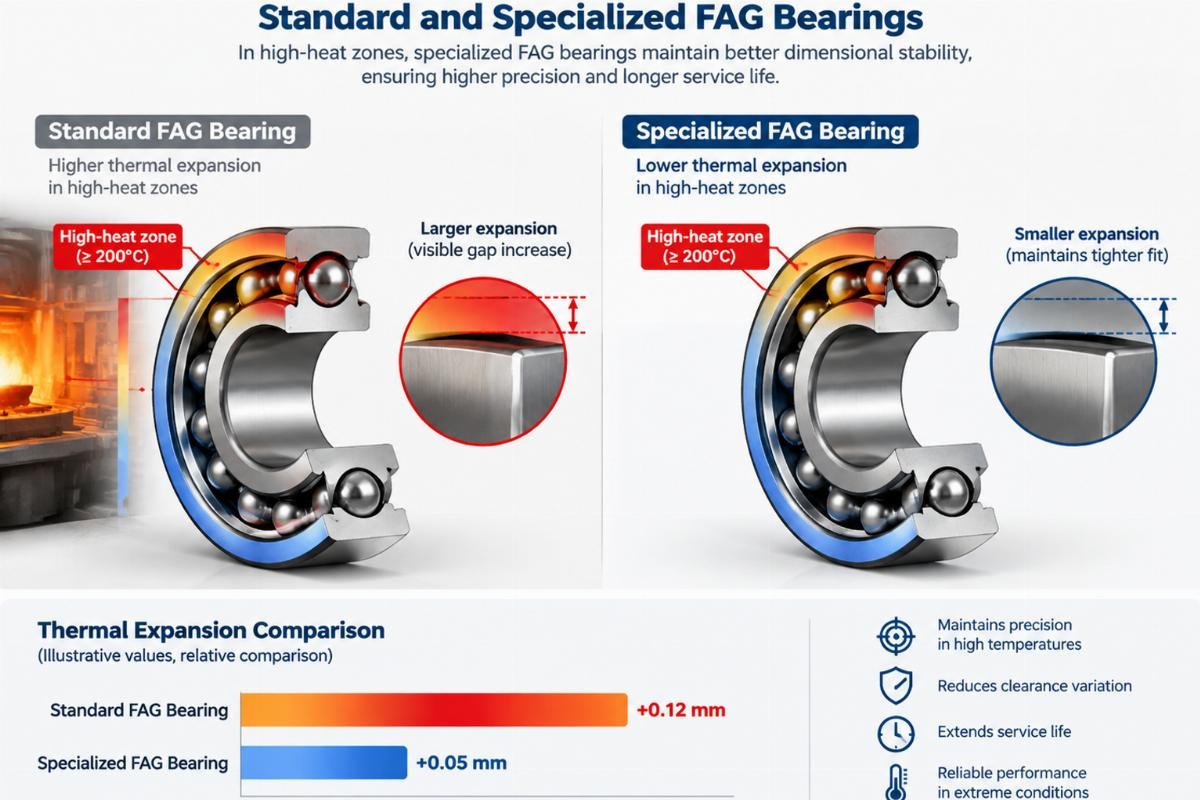
Coal-fired boilers operate with a certain thermal inertia. Gas-fired systems, however, can ramp up and down much faster, creating steep thermal gradients. Components like boiler feed pumps and induced draft fans experience sudden temperature spikes that standard C3 clearance bearings cannot accommodate. When the inner ring expands faster than the outer ring due to heat soak, pre-load increases dramatically. Without the precise engineering found in authentic FAG spherical roller bearings, this leads to immediate overheating and cage fracture.
Consider the case of a large utility in the Appalachian region. During their transition, they upgraded several coal gasifier fans. The original equipment manufacturer specified standard heavy-duty bearings. However, the new operational profile introduced higher vibration levels and slight shaft misalignments that were negligible in the coal era but critical in the gas setup. By switching to genuine FAG units designed with optimized internal geometry and higher dynamic load ratings, the plant resolved severe vibration issues. The difference was not just in the brand name, but in the metallurgical consistency and heat treatment processes that allow these bearings to maintain structural integrity under fluctuating stress.
A common misconception is that any “heavy-duty” bearing will suffice. In reality, the material purity and surface finish of genuine FAG products reduce friction-generated heat, which is vital when ambient temperatures in the housing are already elevated. Counterfeit or lower-tier substitutes often have inconsistent hardness levels in the raceways. Under heavy load, these soft spots deform, creating brinelling that accelerates fatigue. For a FAG Bearings for US Coal-to-Gas Conversion Wholesale Supplier, educating buyers on these technical nuances is part of the value proposition, ensuring they do not compromise system integrity for marginal upfront savings.
How to Identify Genuine FAG Bearings for Heavy-Duty Energy Projects?
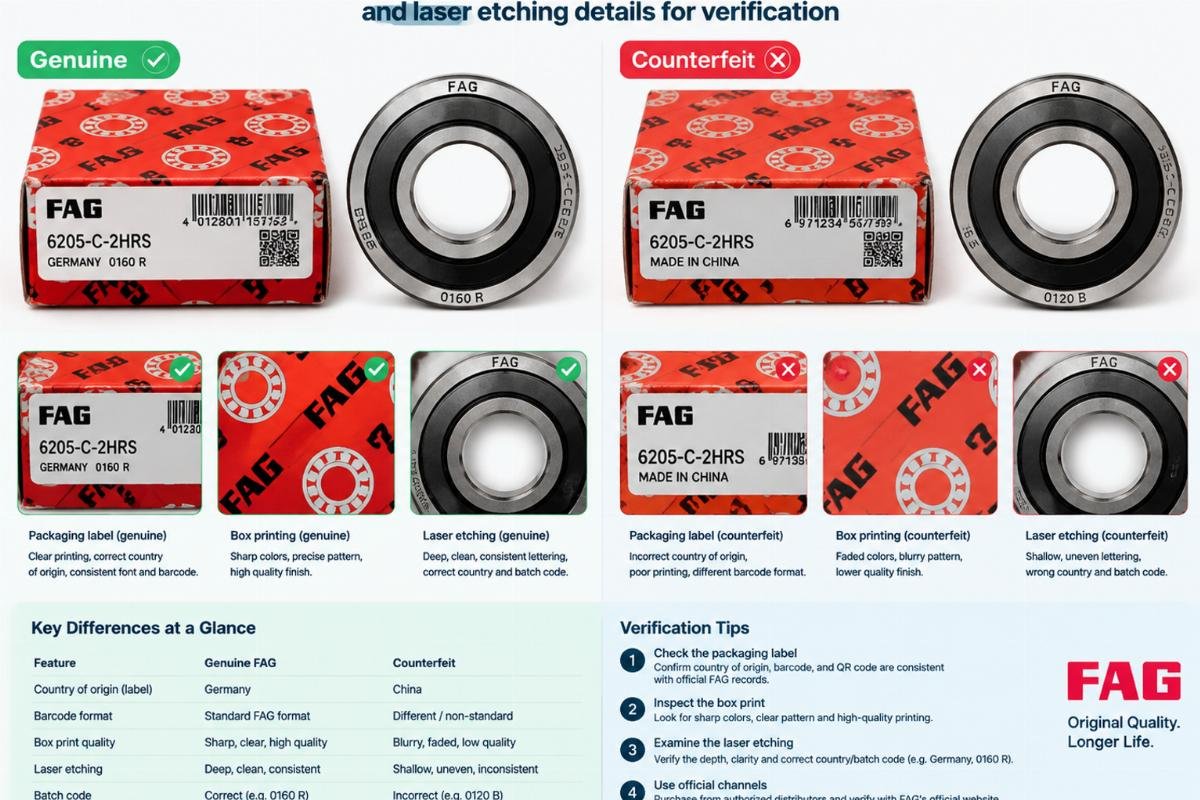
Traceability documentation and physical packaging verification are the only reliable methods to distinguish genuine FAG bearings from sophisticated counterfeits in the MRO market.
The market for industrial bearings is flooded with high-quality fakes that look identical to the naked eye. These counterfeits may pass initial visual inspections but fail prematurely under load. For projects involving critical infrastructure like coal-to-gas conversions, the risk is unacceptable. Identifying authenticity requires a multi-layered approach that goes beyond checking the logo on the box.
First, examine the packaging. Genuine FAG bearings come in sealed, tamper-evident packaging with specific labeling formats that include batch numbers and manufacturing dates. These codes must match the accompanying certificate of conformity. Second, inspect the bearing itself. Authentic products have laser-etched markings that are crisp, deep, and evenly spaced. Counterfeits often use dot-peen marking that appears shallow or irregular. The surface finish of genuine rollers is mirror-like, whereas fakes may show grinding marks or discoloration.
I once assisted a procurement team in Texas that received a shipment of what they believed were premium spherical roller bearings. The price was too good to be true. Upon closer inspection using a magnifying lens, we noticed that the font on the inner ring was slightly off-center—a subtle telltale sign of a fake. More importantly, the supplier could not provide a chain-of-custody document tracing the parts back to the manufacturer’s distribution center. We rejected the shipment. Had those bearings been installed in their gas turbine auxiliary systems, the resulting failure would have cost far more than the savings they thought they were achieving.
For a FAG Bearings for US Coal-to-Gas Conversion Wholesale Supplier, maintaining strict supply chain controls is essential. This means sourcing directly from authorized channels or verified distributors who can provide full traceability. Buyers should demand material certificates and test reports for critical applications. If a supplier hesitates to provide these documents, it is a red flag. Reliability in energy projects depends on knowing exactly where every component came from and how it was handled before it reached your site.
What Are the Real Costs of Sourcing Cheap Substitutes?
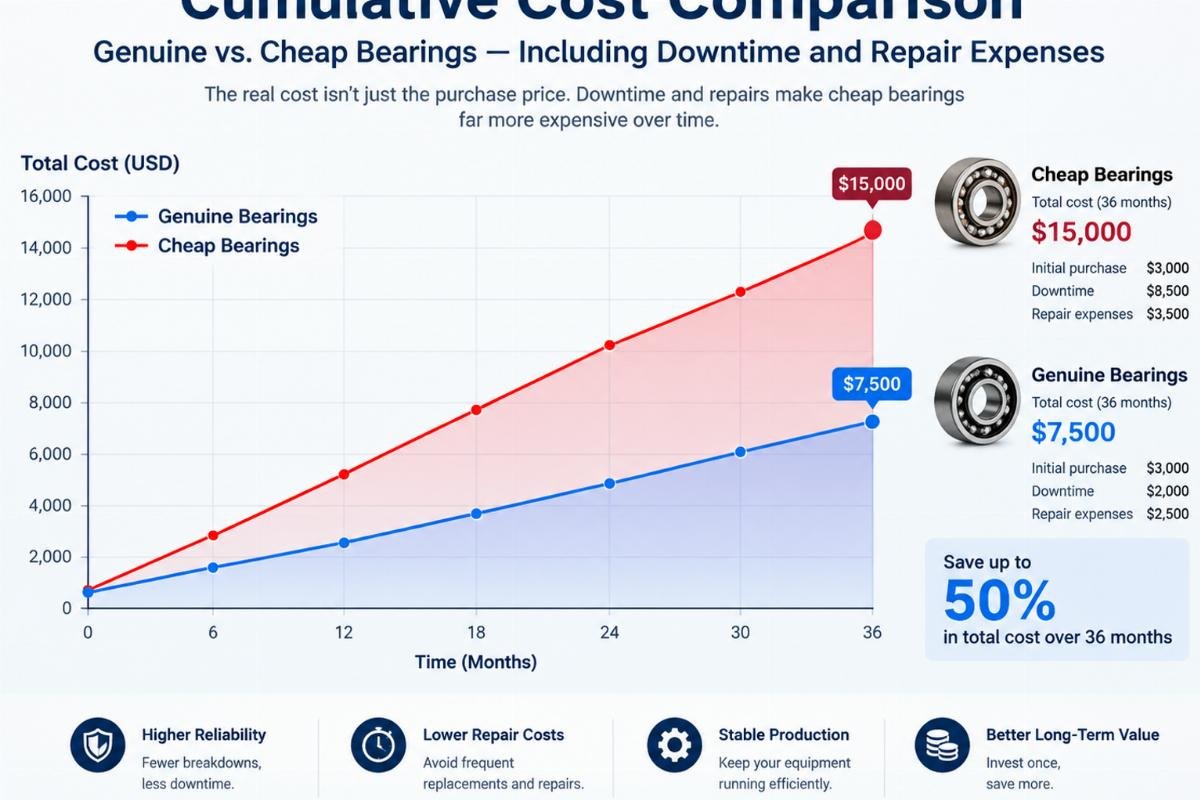
Unplanned downtime and secondary equipment damage from failed cheap substitutes exponentially exceed the initial procurement savings.
It is tempting to view bearings as commodities, interchangeable parts where price is the primary differentiator. In the context of coal-to-gas conversions, this view is dangerously flawed. The cost of a bearing is negligible compared to the cost of the machine it supports and the revenue lost when that machine stops. A single hour of unplanned downtime in a power generation facility can result in losses ranging into the tens of thousands of dollars, depending on the unit size and market conditions.
When a substandard bearing fails, it rarely does so in isolation. A seized bearing can destroy the shaft, damage the housing, and contaminate the lubrication system with metal debris. Cleaning and repairing this collateral damage requires significant labor and parts. Furthermore, the emergency nature of the repair often incurs expedited shipping fees and overtime labor costs. In contrast, genuine FAG bearings offer predictable service life, allowing for planned maintenance schedules that minimize disruption.
A European wind farm operator once shared their experience with me. They had initially opted for cheaper alternatives for their gearbox repairs to stay within budget. Within a year, they faced multiple failures that required crane rentals and specialized technicians to replace entire assemblies. The total cost was several times higher than if they had used genuine components from the start. They switched to a trusted FAG Bearings for US Coal-to-Gas Conversion Wholesale Supplier for their subsequent projects, prioritizing lifecycle cost over purchase price. The result was a noticeable reduction in maintenance frequency and a more stable operational budget.
The hidden costs also include reputational damage and regulatory scrutiny. In the energy sector, reliability is closely monitored. Frequent failures can lead to increased insurance premiums and stricter oversight from regulatory bodies. Investing in quality bearings is an investment in operational stability and compliance. It signals to stakeholders that the facility is managed with a focus on long-term performance rather than short-term cost cutting.
How to Optimize Bearing Sourcing for Energy Conversions?
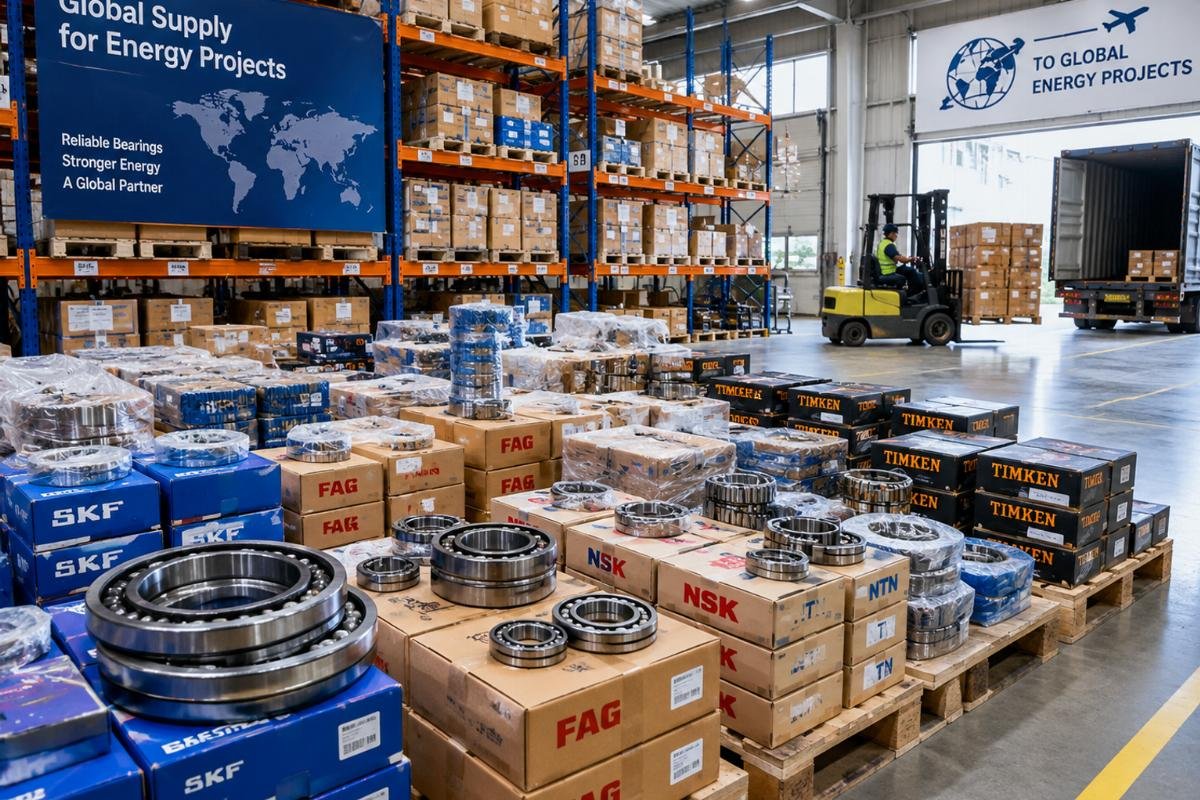
Consolidating mixed-brand orders through a one-stop global sourcing partner ensures technical alignment, faster lead times, and reduced administrative burden for urgent MRO needs.
Managing the supply chain for a coal-to-gas conversion involves coordinating hundreds of components from various manufacturers. Sourcing bearings individually from multiple vendors creates logistical nightmares, inconsistent quality standards, and delayed shipments. A more efficient approach is to work with a comprehensive supplier who can provide genuine products from multiple premium brands, including FAG, SKF, and TIMKEN, alongside reliable domestic options.
This consolidation strategy offers several advantages. First, it simplifies procurement. Instead of managing dozens of relationships, you deal with a single point of contact who understands your technical requirements. Second, it enables better inventory management. A capable supplier can hold stock of critical items, reducing lead times for emergency replacements. Third, it provides access to technical expertise. A knowledgeable supplier can help select the right bearing for specific applications, considering factors like load, speed, and temperature.
For example, a mining company in South America needed to upgrade its crushing equipment while simultaneously maintaining its existing fleet. By partnering with a global supplier, they were able to source genuine FAG bearings for the new installations and compatible alternatives for older machines, all in a single consolidated shipment. This approach reduced their shipping costs and ensured that all parts met their quality standards. The supplier also provided technical support for installation, helping to prevent early failures due to improper handling.
As a FAG Bearings for US Coal-to-Gas Conversion Wholesale Supplier, the ability to offer flexible minimum order quantities and mixed-container shipments is crucial. It allows clients to balance their inventory levels, ordering bulk quantities for planned outages and smaller batches for unexpected repairs. This flexibility, combined with genuine product assurance, creates a resilient supply chain that supports continuous operation. The goal is not just to sell bearings, but to enable reliability.
Conclusion
Reliability in coal-to-gas conversions hinges on the integrity of every rotating component, starting with the bearing.
Choosing genuine FAG bearings is a strategic decision that protects against the high costs of failure and ensures operational continuity. By prioritizing traceability, understanding technical requirements, and optimizing sourcing strategies, energy operators can navigate the complexities of retrofitting with confidence. Partnering with a knowledgeable FAG Bearings for US Coal-to-Gas Conversion Wholesale Supplier transforms procurement from a transactional task into a pillar of asset management.