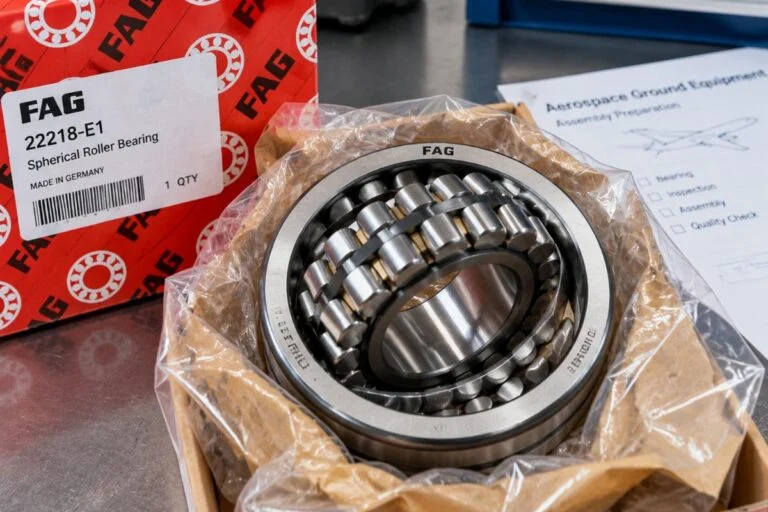
Most bearing failures in copper mining are not caused by load, but by unverified supply chains.
In US copper mines, maximizing reliability with FAG bearings US copper mines applications hinges on strict original traceability documentation and flexible mixed-SKU bulk stock to prevent catastrophic downtime. Procurement officers must prioritize verified batch origins over lowest initial cost to ensure operational continuity in high-dust, heavy-load environments.
I still remember the silence in the control room of a major copper project in the American Southwest. It was not the good kind of silence. The primary crusher had stopped. Again. We had supplied what we thought were standard replacements, focusing entirely on dimensional accuracy and physical appearance. The parts looked perfect. They fit perfectly. But within months, the spherical roller bearings seized. The client did not just complain; they brought the failed components to our meeting, pointing out micro-defects that only appeared under extreme stress. That failure was not due to poor engineering on our part, but a gap in our verification process. I realized then that in mining, the paper trail is as critical as the steel.

This experience reshaped how I approach every order for FAG bearings US copper mines. It is no longer enough to simply ship a box. The value lies in proving where that box came from and ensuring that when a mill goes down, you can pull dozens of different sizes from a single consolidated stockpile rather than waiting for multiple brand-specific shipments.
Why Do FAG Bearings Fail in US Copper Mines?
Harsh dust and heavy loads expose unverified parts instantly.
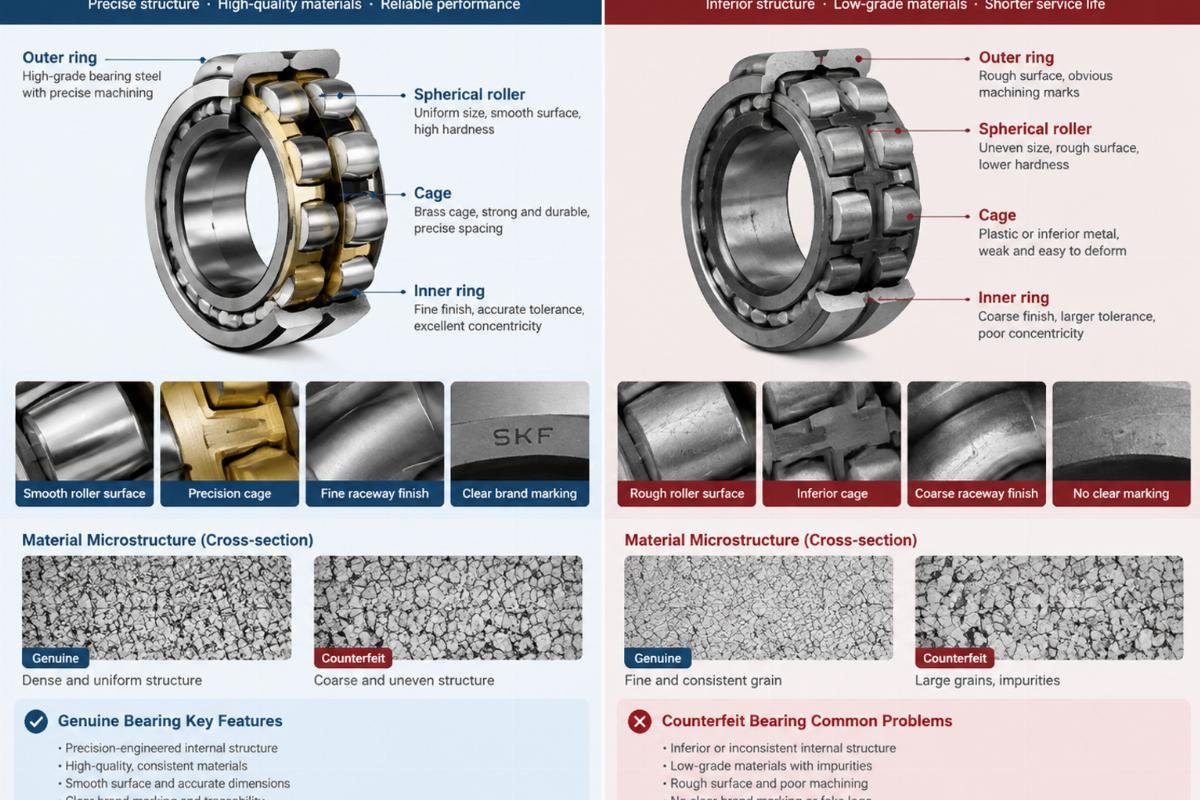
Copper mining operations are among the most punishing environments for rotating equipment. Crushers, mills, and conveyors operate under constant shock loads while being bombarded by abrasive silica dust. In such conditions, even a minor deviation in material purity or heat treatment can lead to premature fatigue. Many buyers assume that if a bearing fits and spins, it will last. This is a dangerous misconception. The real culprit is often the introduction of micro-defects through unverified supply chains.
When I source FAG bearings US copper mines components, I look beyond the basic load ratings. Spherical roller bearings, for instance, are designed to accommodate misalignment and heavy radial loads. However, their lifespan is dictated by the integrity of the rolling elements and the cage. Counterfeit or grey-market parts often use lower-grade steel or improper hardening processes. These defects are invisible to the naked eye but become fatal under the cyclic stress of a rock crusher.
| Failure Factor | Verified Genuine Supply | Unverified/Grey Market |
|---|---|---|
| Material Purity | Controlled inclusion density | Vulnerable to micro-cracks |
| Heat Treatment | Consistent case depth | Noticeably reduced surface hardness |
| Seal Integrity | Robust against fine dust | Vulnerable to rapid contamination |
| Traceability | Full batch-level documentation | Sample-level or None |
A recent case involved a mid-sized mine in Arizona. They switched to a cheaper supplier for their conveyor idlers. The bearings failed in less than half the expected time. Upon analysis, the raceways showed signs of spalling consistent with subsurface fatigue, accelerated by inconsistent material quality. By switching back to a source that provided full traceability for FAG bearings US copper mines, they stabilized their maintenance schedule. The cost of the premium bearing was negligible compared to the downtime avoided.
The Critical Role of Traceability in Mining Procurement
Original docs are non-negotiable for site compliance and quality.
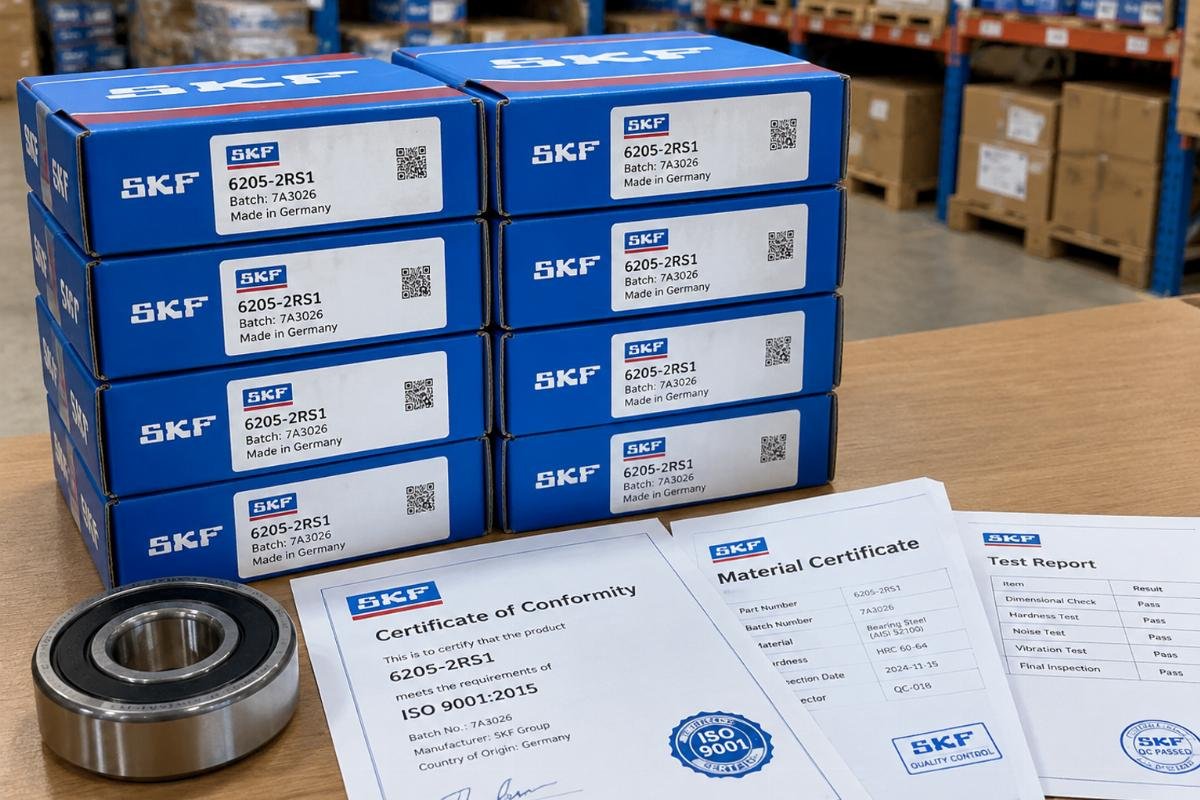
In the modern mining sector, procurement is not just about buying parts; it is about risk management. Site audits have become increasingly stringent. Managers need to prove that every component installed meets specific safety and quality standards. This is where traceability becomes the primary asset. Without original factory documentation, a bearing is just a piece of metal with no history.
I once assisted a procurement team that faced a rigorous audit. They had purchased a large batch of bearings from a distributor who could not provide batch-specific certificates. The auditors flagged the entire inventory as non-compliant. The mine had to halt installation until they could verify the origin of each unit. This delay cost them significantly more than the price difference between the cheap distributor and a verified supplier.
For FAG bearings US copper mines projects, I ensure that every shipment includes complete traceability documentation. This means linking the serial number on the bearing to the specific production batch at the manufacturer’s facility. It allows engineers to track material certifications and quality control records. This level of detail is not bureaucratic overhead; it is insurance. When a failure occurs, having this data allows for precise root cause analysis rather than guesswork.
Solving Downtime with Mixed-Brand Bulk Stock
Flexible MOQ and mixed SKUs are vital for emergency MRO.
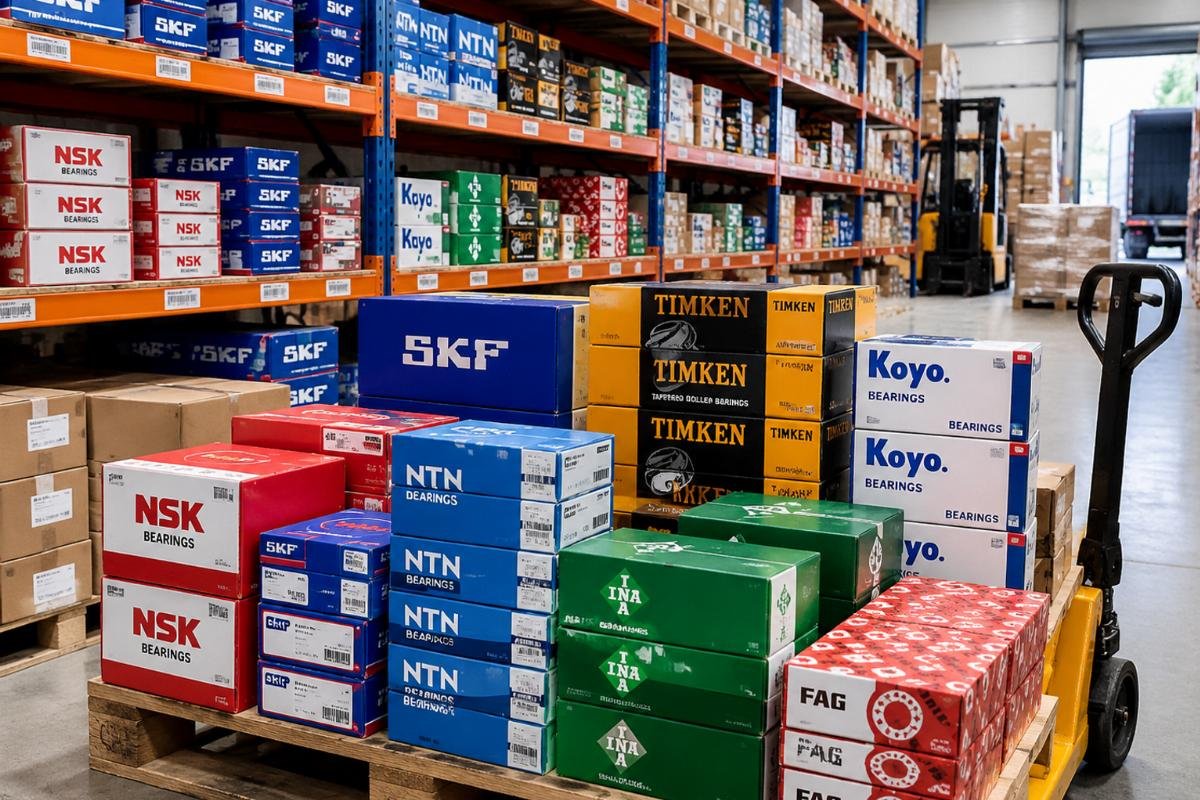
Downtime in a copper mine is measured in thousands of dollars per hour. When a critical piece of equipment fails, the ability to source replacements quickly is paramount. Traditional official channels often require separate orders for different brands or types, leading to fragmented shipments and delayed consolidation. This is where specialized global suppliers offer a distinct advantage.
I recall an emergency request from a mill operator in Nevada. A unexpected failure in their grinding circuit required a mix of spherical roller bearings, cylindrical roller bearings, and deep-groove ball bearings. They needed dozens of units across various sizes immediately. Ordering from individual brand distributors would have taken weeks to consolidate. Instead, we pulled from our massive spot inventory, mixing SKUs from FAG, SKF, and other premium brands into a single consolidated shipment.
This approach to FAG bearings US copper mines sourcing allows for rapid response. By maintaining a broad stock of genuine products, we can fulfill mixed-batch orders that official single-brand channels often cannot handle efficiently. The key is not just having stock, but having the right stock—verified, genuine, and ready to ship. This flexibility minimizes the time equipment sits idle, protecting the mine’s production targets.
How to Verify Genuine FAG Bearings Before Installation
Practical steps for on-site inspection and document checking.
Even with a trusted supplier, on-site verification is a crucial final step. Counterfeits have become sophisticated, making visual inspection alone insufficient. However, there are reliable methods to confirm authenticity before a bearing is installed.
First, check the packaging. Genuine FAG bearings come in high-quality packaging with clear, sharp printing and specific security features. Look for the holographic labels and batch numbers that match the documentation provided. Second, inspect the bearing itself. The marking should be laser-etched or stamped with precision, not painted or poorly engraved. The surface finish should be smooth and uniform, without any signs of rough machining or discoloration.
For FAG bearings US copper mines applications, I recommend a three-step verification process:
- Document Match: Ensure the batch number on the bearing matches the certificate of origin.
- Visual Inspection: Check for consistent branding, high-quality packaging, and precise marking.
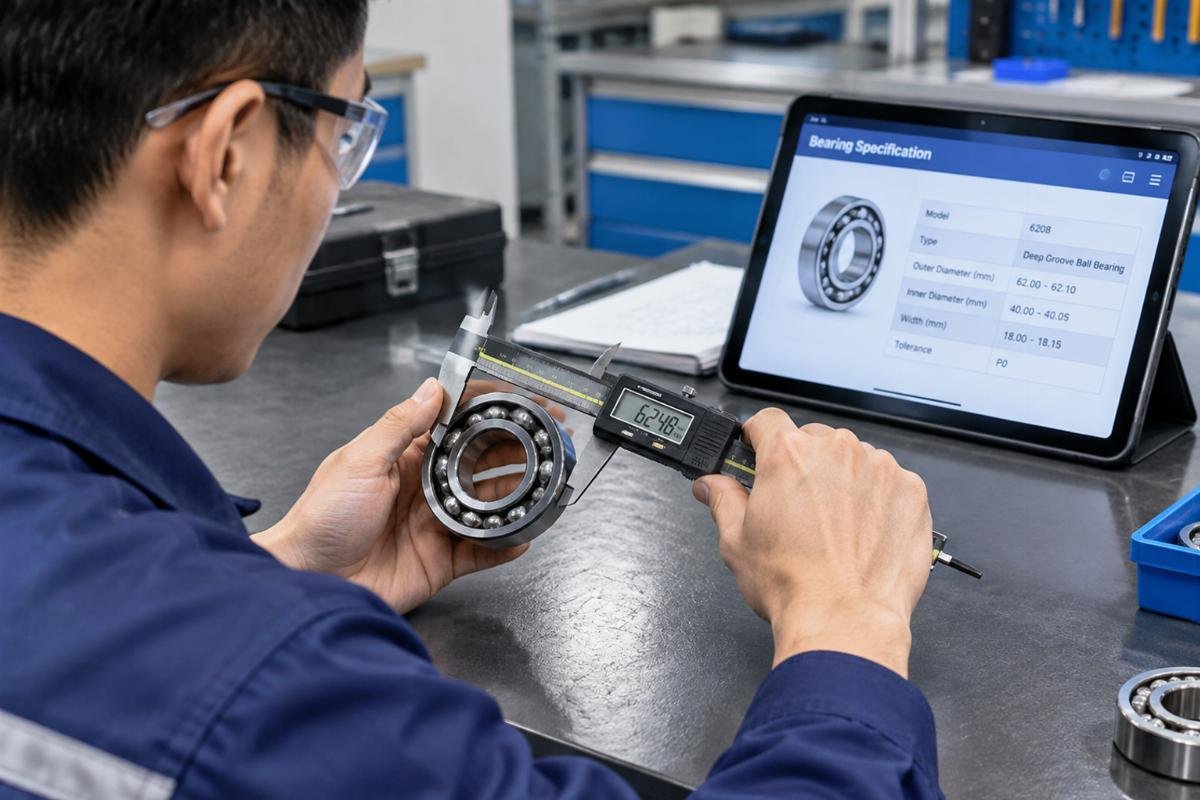
- Dimensional Check: Use calibrated tools to verify critical dimensions against the manufacturer’s specifications.
By following these steps, maintenance teams can ensure that only genuine components enter their critical systems. This diligence prevents the costly mistakes that come from installing substandard parts.
Conclusion
Reliability in copper mining starts with verified sources.
Maximizing the performance of FAG bearings US copper mines operations requires more than just selecting the right model. It demands a commitment to traceability, flexible sourcing strategies, and rigorous verification. By prioritizing genuine products with complete documentation and leveraging suppliers who can provide mixed-SKU bulk stock, mines can significantly reduce unplanned downtime. The cost of verification is always lower than the cost of failure.