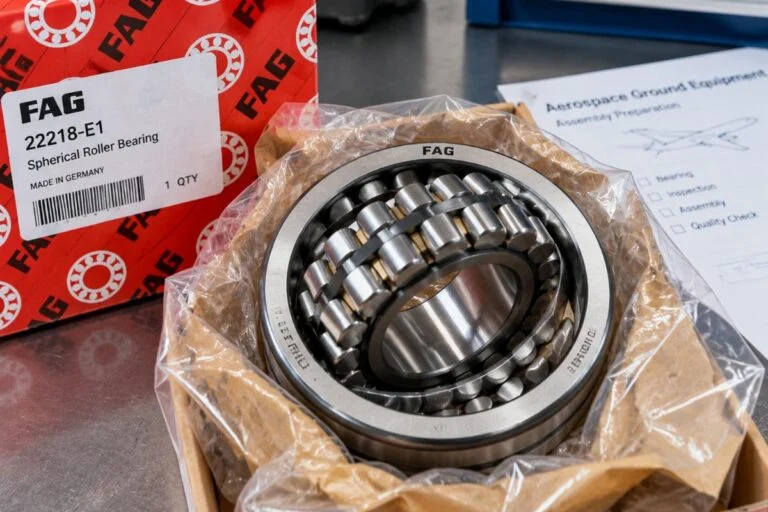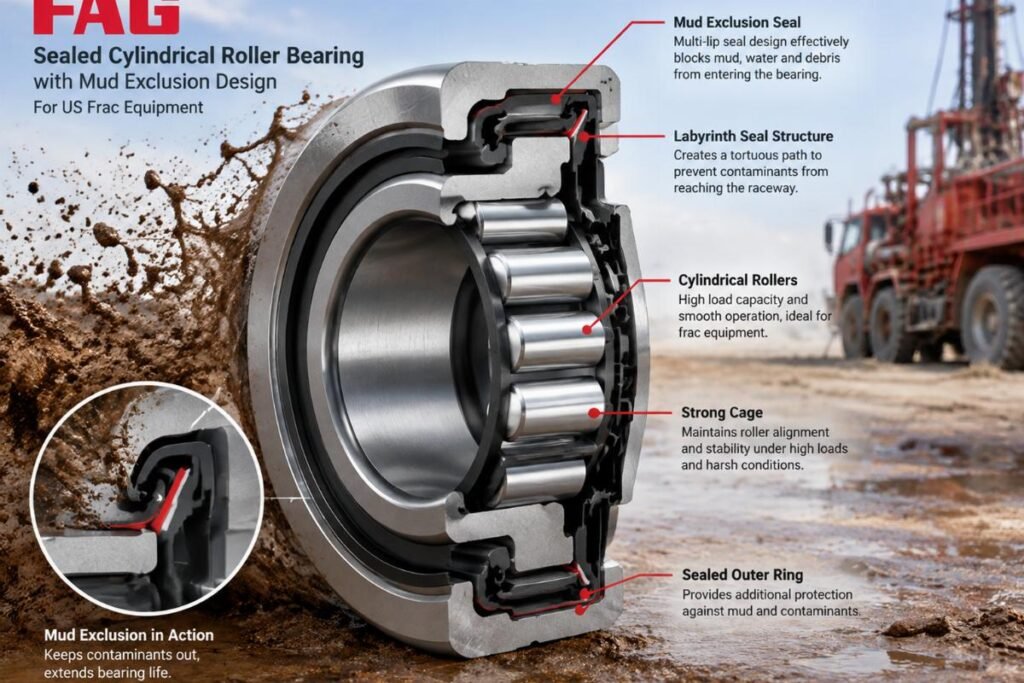
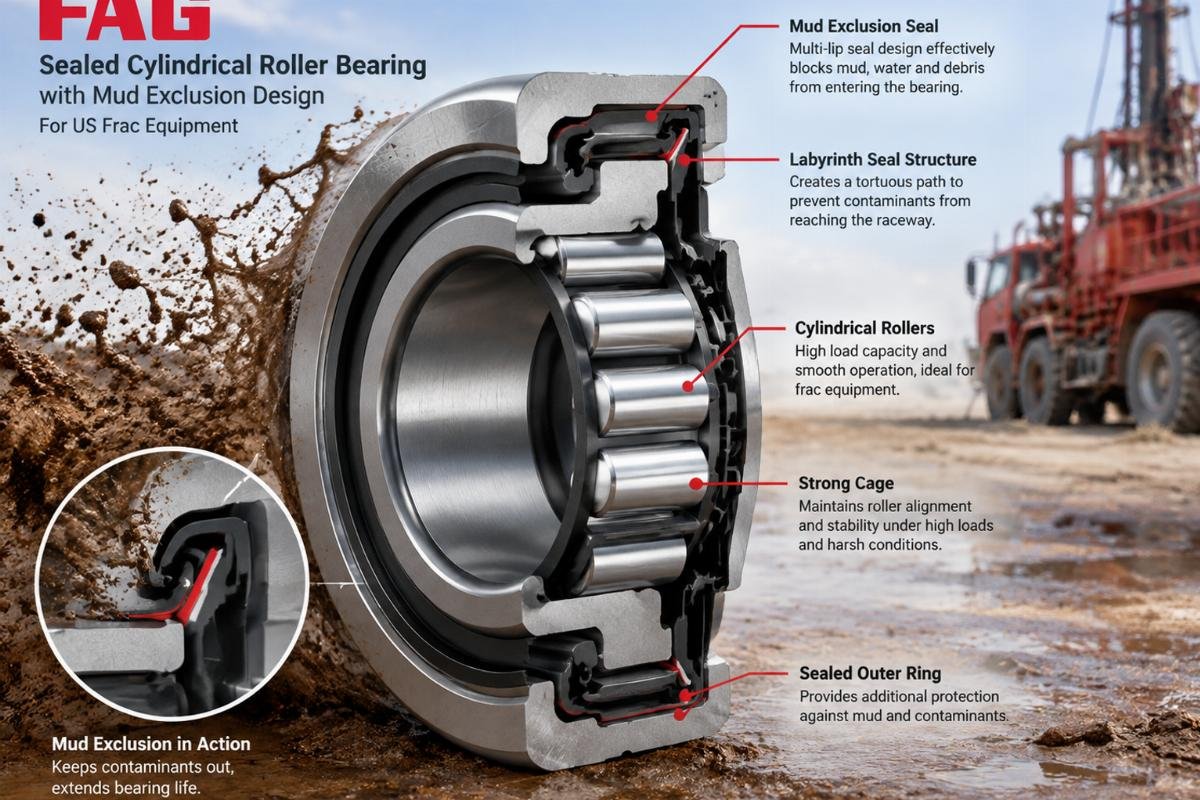
Mud, not overload, is the primary killer of frac pump bearings.
Selecting FAG bearings US frac equipment requires prioritizing specialized sealing systems and reinforced cage designs over raw load ratings alone. Standard heavy-duty bearings fail rapidly in shale gas operations because they cannot withstand the continuous ingress of abrasive drilling mud and high-frequency vibration inherent to fracturing pumps. The correct solution involves cylindrical roller bearings with enhanced IP-rated seals and special surface coatings designed specifically for contaminated environments.
Having stood knee-deep in drilling fluid on a rig site in Texas, watching a pump seize after a routine maintenance cycle, I learned that specifications on paper rarely match the reality of the oilfield. The bearing had been rated for the theoretical load, but the environment told a different story. This disconnect between standard engineering assumptions and field conditions drives the need for precise component selection. When dealing with FAG bearings US frac equipment, the focus must shift from generic durability to specific resistance against particulate contamination and dynamic shock loads.
Why Do Standard Bearings Fail in US Frac Pumps?
Standard lubrication protocols collapse under the pressure of fine silica and clay particles.
In the context of FAG bearings US frac equipment, the most common failure mode is not fatigue from excessive weight, but the destruction of the lubricant film by external contaminants. Fracturing pumps operate in an environment where high-pressure fluid mixes with sand and proppants. Even microscopic amounts of this mixture can bypass standard labyrinth seals. Once inside, the abrasive particles act like grinding paste, accelerating wear on the raceways and rolling elements.
The cage, often made of standard brass or steel, suffers from impact fatigue due to the high-frequency pulsations of the pump. Without reinforcement, these cages fracture prematurely. Industry failure analysis reports indicate that seal integrity is the single most critical factor in extending service life. When the seal fails, the bearing’s lifespan drops from thousands of hours to mere hundreds.
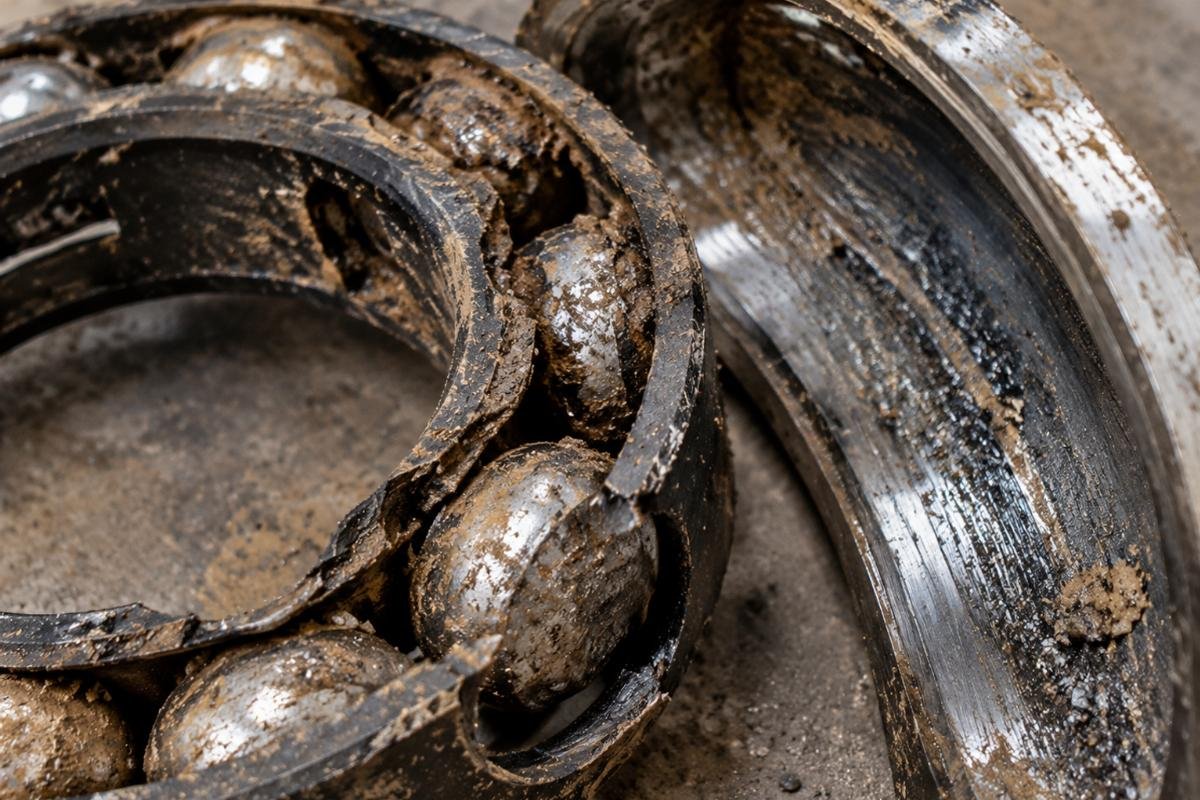
A typical scenario involves a pump running at peak pressure during a shale gas operation. The vibration levels exceed standard industrial norms, causing micro-movements that weaken standard seal lips. Mud enters, contaminates the grease, and the resulting friction generates heat. This thermal expansion further compromises the seal, creating a vicious cycle of degradation. Understanding this mechanism is essential when evaluating FAG bearings US frac equipment for any critical application.
What Makes FAG Bearings the Right Choice for Frac Equipment?
Enhanced seals and reinforced cages provide the necessary defense against extreme contamination.
For operators seeking reliable FAG bearings US frac equipment, the value lies in the engineered solutions that address the specific challenges of fracturing. These bearings are not merely larger versions of standard units; they incorporate design features specifically tested for harsh oilfield conditions. The use of advanced polymer or reinforced steel cages ensures that the rolling elements remain properly spaced even under severe shock loading.
The sealing technology employed in these specialized bearings offers superior protection against mud and water ingress. Unlike standard rubber seals that may harden or crack under fluctuating temperatures, these enhanced seals maintain flexibility and contact pressure. This consistency is vital for maintaining the integrity of the lubricant film. Additionally, special surface coatings can be applied to the outer rings to resist corrosion from acidic drilling fluids.
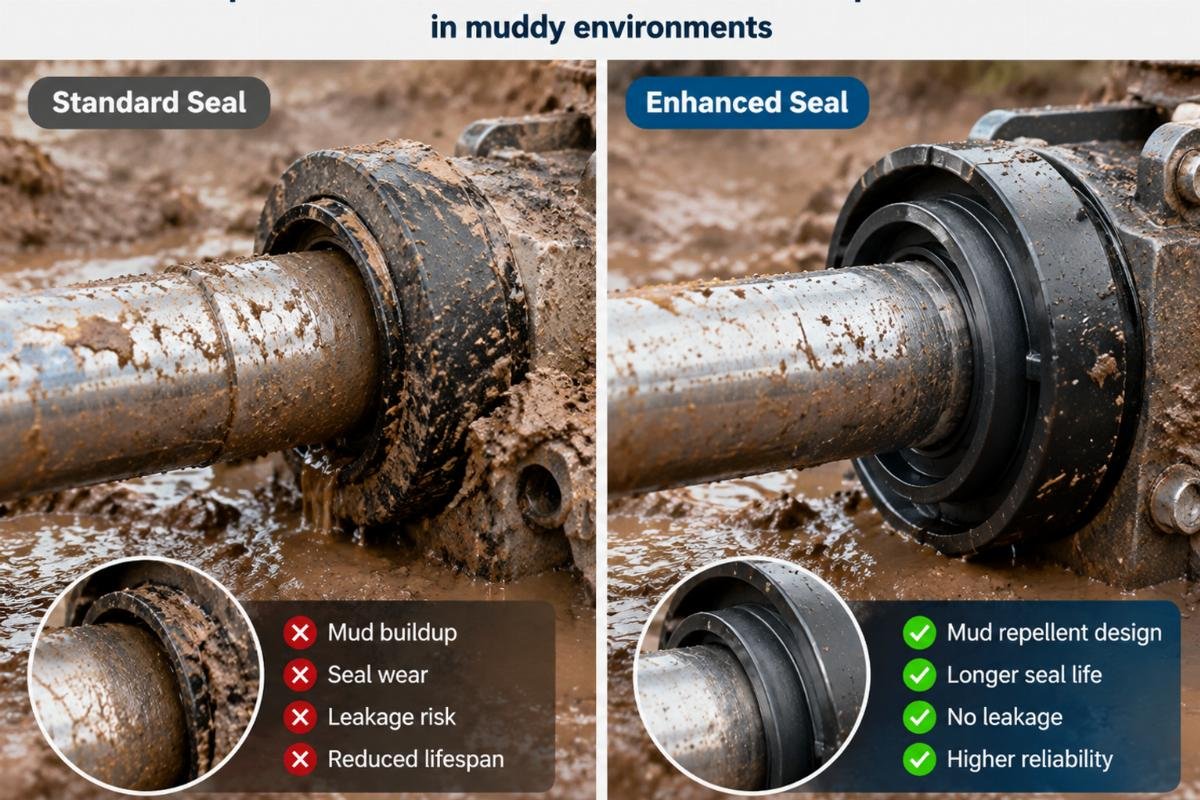
Technical data from manufacturer testing highlights the importance of material purity and heat treatment consistency in these components. The steel used in FAG bearings US frac equipment undergoes rigorous quality control to ensure uniform hardness and resistance to spalling. This level of manufacturing precision translates directly to reliability in the field, reducing the frequency of unexpected downtime.
How to Select the Correct FAG Bearing for Your Frac Pump?
Match the bearing type and seal rating to the specific operating profile of the pump.
Choosing the right FAG bearings US frac equipment involves more than checking dimensions. It requires a detailed analysis of the pump’s operating conditions, including speed, load direction, and environmental exposure. Cylindrical roller bearings are often preferred for their high radial load capacity, but the specific configuration must align with the pump’s design.
Key selection criteria include:
- Seal Type: Verify the ingress protection rating. For frac pumps, seals must withstand high-pressure washdowns and direct mud exposure.
- Cage Material: Opt for reinforced cages that can handle high vibration without fatigue failure.
- Load Rating: Ensure the dynamic load rating exceeds the maximum expected operational load with a sufficient safety margin.
- Lubrication Compatibility: Confirm that the bearing grease is compatible with the pump’s lubrication system and resistant to contamination.
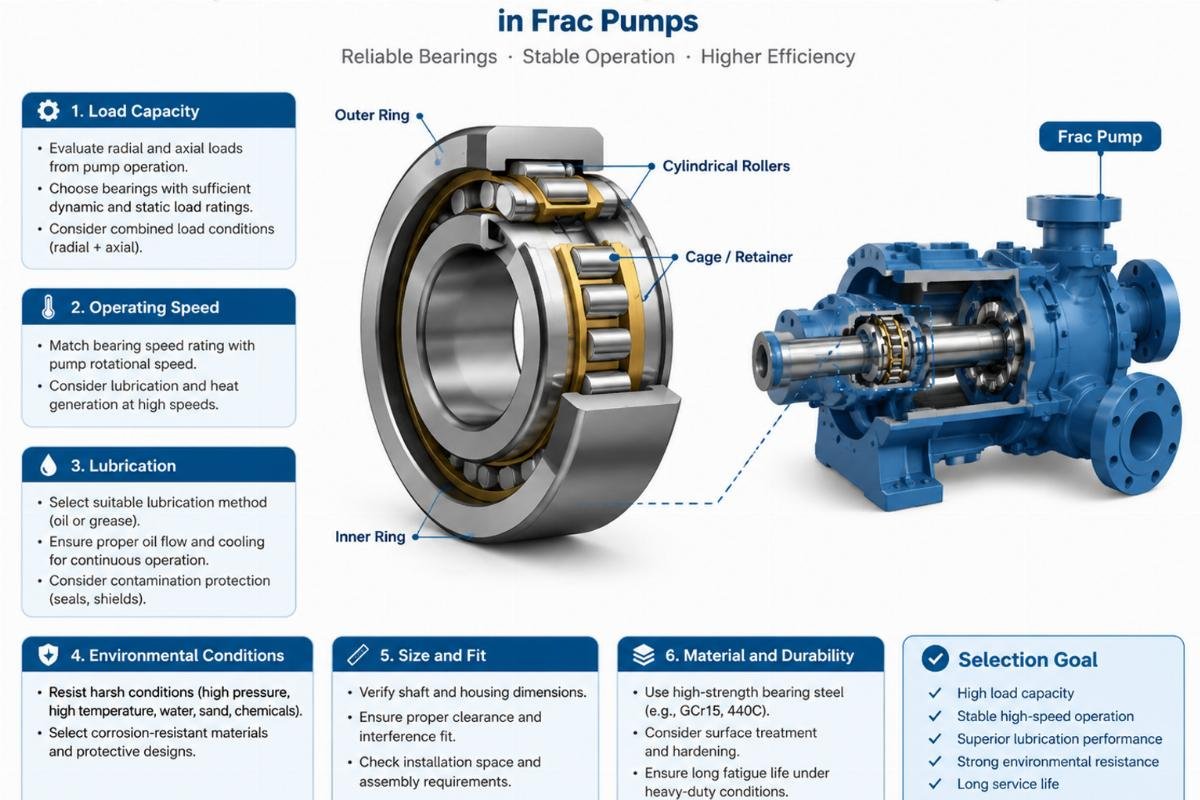
A common mistake is selecting a bearing based solely on static load capacity. In dynamic applications like fracturing, the dynamic load rating and fatigue limit are far more relevant. Engineers should consult technical manuals to verify that the selected FAG bearings US frac equipment meet the required performance standards for the specific pump model. Cross-referencing part numbers with OEM specifications ensures compatibility and optimal performance.
How to Verify Authenticity and Ensure Reliable Supply?
Traceability documentation and authorized sourcing channels prevent counterfeit risks.
The market for FAG bearings US frac equipment is flooded with counterfeit products that look identical to genuine parts but lack the material quality and precision engineering. Using fake bearings can lead to catastrophic failures, resulting in significant financial loss and safety hazards. Therefore, verifying authenticity is a critical step in the procurement process.
Genuine bearings come with complete traceability documentation, including batch numbers and material certificates. These documents allow users to track the product back to the manufacturer’s production facilities. Working with established global suppliers who specialize in industrial bearings ensures access to authentic stock. These suppliers often have direct relationships with manufacturers and adhere to strict quality assurance protocols.
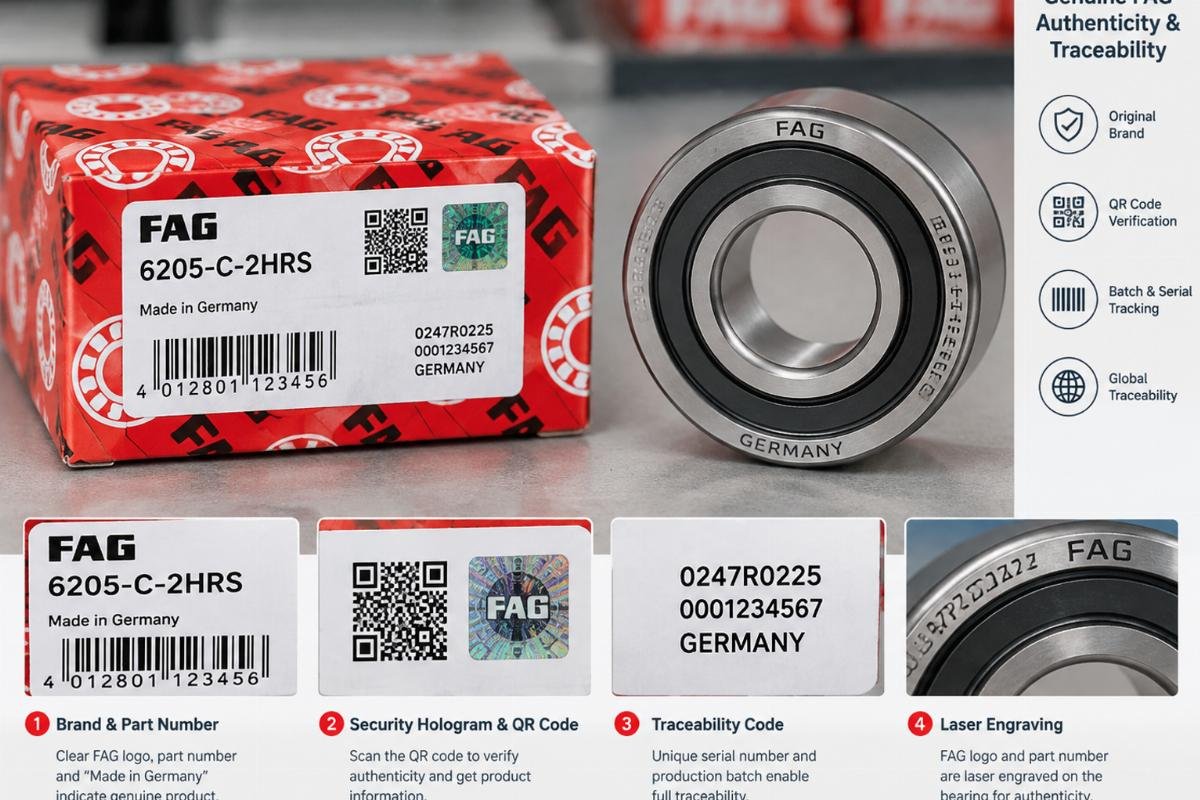
When sourcing FAG bearings US frac equipment, request proof of origin and inspect the packaging for security features. Reputable distributors will provide technical support and assistance with model selection, helping buyers avoid common pitfalls. Building a long-term relationship with a trusted supplier also facilitates faster access to spare parts during emergency maintenance situations, minimizing operational downtime.
Conclusion
Reliability in frac operations depends on selecting bearings designed for contamination, not just load.
Standard components cannot survive the abrasive, high-vibration environment of US fracturing pumps. Success requires FAG bearings US frac equipment with specialized seals, reinforced cages, and verified authenticity. Prioritizing these technical specifics over generic specifications ensures extended service life and reduced downtime for critical oilfield assets.