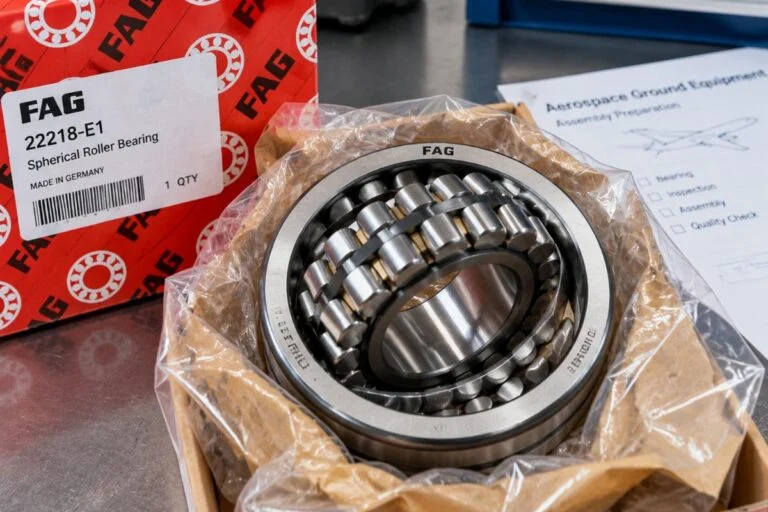
Price is rarely the deciding factor when a freight line shuts down.
For MRO operators and regional distributors managing US freight railcar maintenance, sourcing genuine FAG bearings requires prioritizing complete traceability documentation and flexible supply chain consolidation over initial unit cost. The ability to clear US Customs without delay and secure verified stock for urgent heavy-haul repairs determines operational continuity.
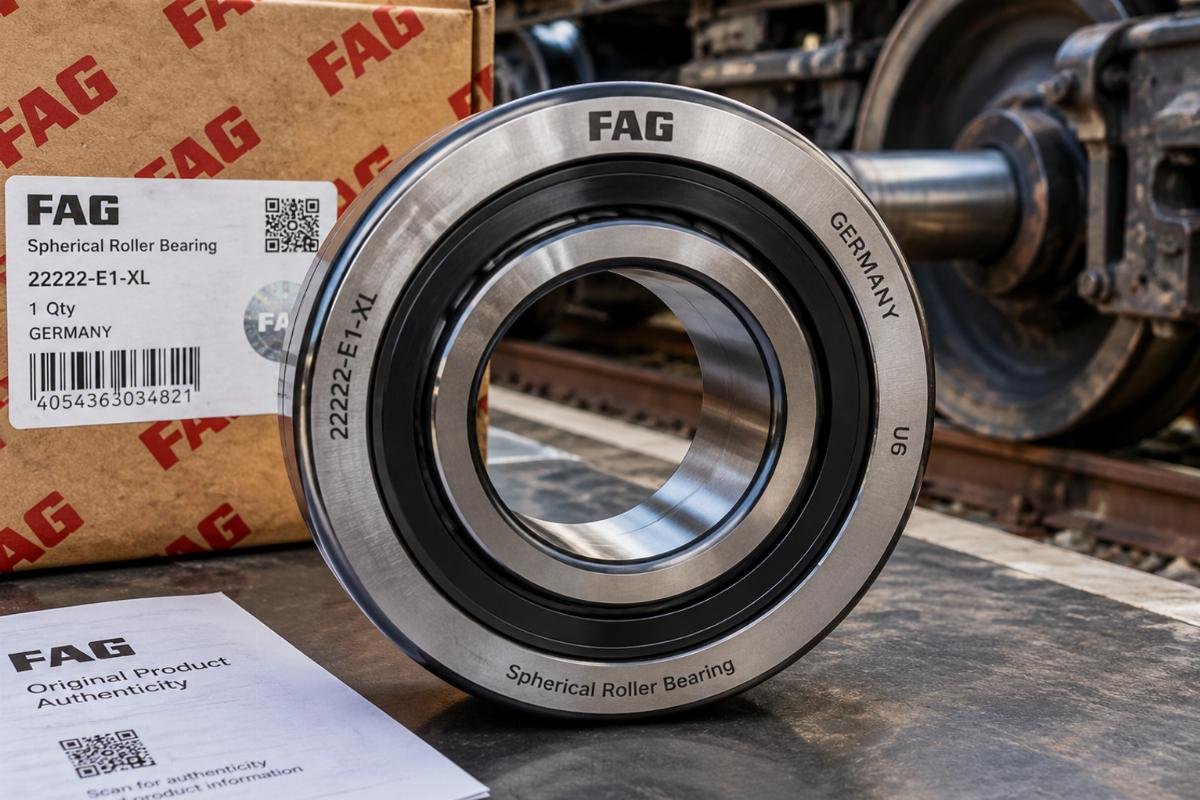
The difference between a routine maintenance window and a costly line stoppage often lies in the paperwork accompanying the hardware. I recall a specific incident involving a shipment of spherical roller bearings destined for a repair facility on the West Coast. The components were authentic, sourced directly from authorized channels, but the original traceability stamps were missing from the accompanying documentation. The cargo sat in customs for weeks while the buyer scrambled to verify provenance. The rail yard faced imminent shutdown pressures, forcing them to cover expedited air freight costs for replacement units just to keep operations moving. This experience highlighted a critical reality in the railway sector: compliance and verification speed outweigh simple price competition.
Why FAG Bearings Dominate US Freight Railcar MRO?
Heavy-haul routes demand fatigue resistance that standard commercial bearings cannot provide.
Freight railcars in the United States operate under extreme conditions, carrying substantial axle loads that push mechanical components to their limits. FAG bearings have established a dominant position in this sector due to their engineered capacity to withstand high radial loads and misalignment issues common in older track infrastructure. The design philosophy focuses on extending service life in harsh environments where contamination and variable stress levels are constant threats.
The primary technical advantage lies in the internal geometry of the spherical roller bearings. These components are designed to accommodate angular misalignment between the shaft and housing, a frequent occurrence in railcar bogies subjected to uneven track surfaces. The robust cage designs and optimized roller profiles distribute load more evenly, reducing the risk of premature edge loading that leads to catastrophic failure.
For MRO teams, selecting the right specification is not just about matching dimensions. It involves understanding the operational context. A bearing that performs adequately in a light industrial conveyor may fail rapidly under the dynamic shock loads of a freight train. The material purity and heat treatment processes used in genuine FAG production ensure consistent hardness and toughness, which are vital for resisting the subsurface fatigue cracks that initiate most bearing failures in heavy-duty applications.

What Are the Hidden Risks of Counterfeit Rail Bearings?
Visual similarity does not guarantee mechanical integrity or safety compliance.
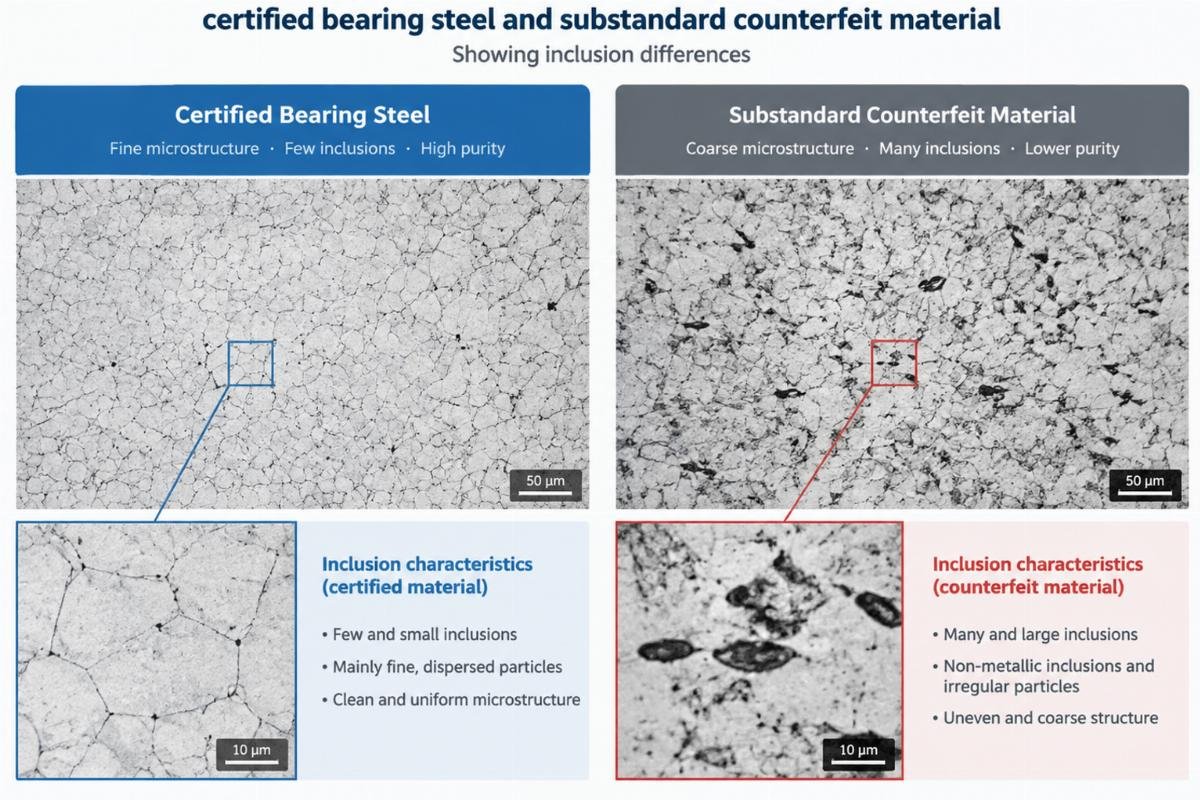
The market for railway maintenance parts is unfortunately populated by counterfeit products that mimic the packaging and external appearance of premium brands. For procurement officers, the risk extends beyond financial loss; it introduces severe safety hazards and operational vulnerabilities. A counterfeit bearing may look identical to a genuine FAG unit, but the internal metallurgy and manufacturing precision are often substandard.
The consequences of installing such components are rarely immediate. Instead, they manifest as reduced service life, increased vibration, and unexpected downtime. In a heavy-haul environment, a bearing failure can lead to wheel set damage, track disruption, and significant safety incidents. The cost of replacing a failed bearing is minor compared to the expenses associated with emergency repairs, regulatory investigations, and potential liability claims.
| Risk Factor | Genuine FAG Bearing | Counterfeit/Unverified Unit |
|---|---|---|
| Material Purity | Controlled steel quality with low inclusion density | Uncontrolled material source with high impurity risk |
| Dimensional Precision | Micron-level tolerance adherence | Variable tolerances leading to fit issues |
| Traceability | Full batch-level documentation available | No verifiable origin or production data |
| Fatigue Resistance | Engineered for extended heavy-load cycles | Prone to early subsurface cracking |
| Regulatory Compliance | Meets ISO and industry-specific standards | Unknown compliance status |
Verifying authenticity requires more than checking the box. It involves examining the marking clarity, cage construction, and surface finish. However, the most reliable method is securing components through suppliers who provide unbroken chains of custody.
How to Ensure Traceability and Avoid Customs Delays?
Complete original documentation is mandatory for smooth US railway compliance.
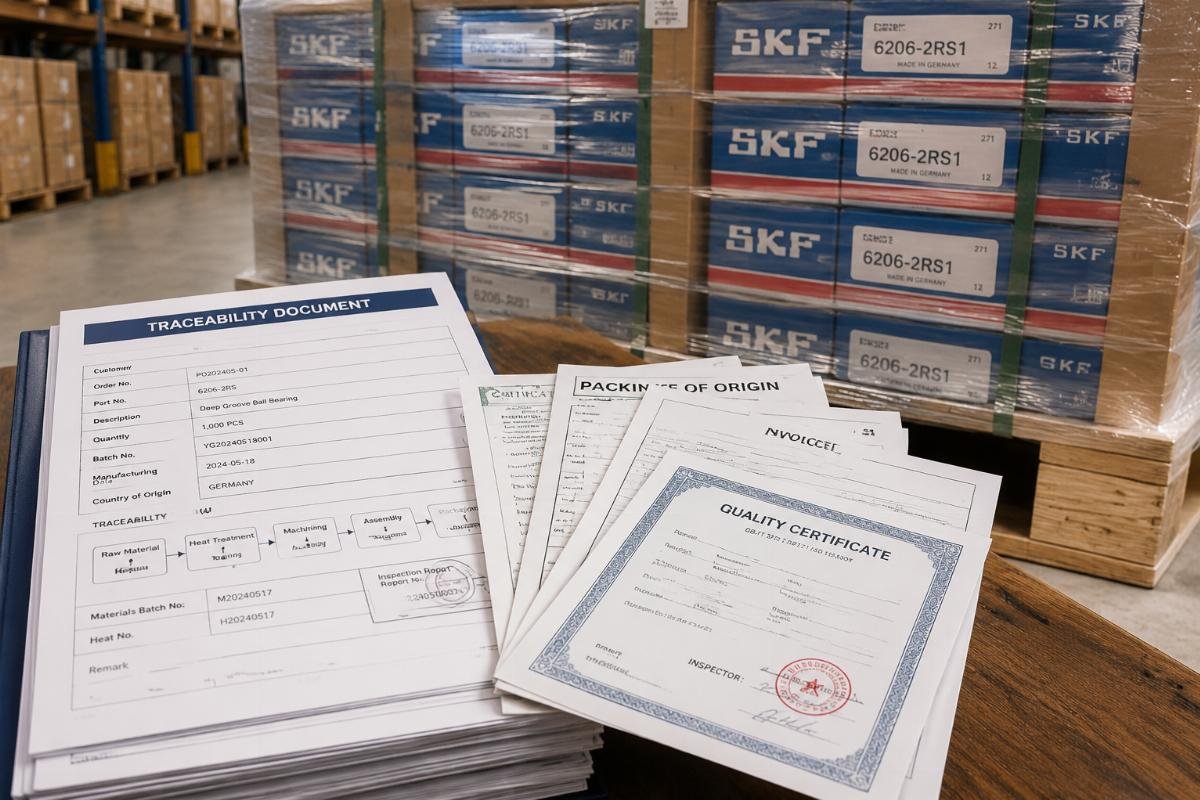
Navigating US Customs for industrial components requires meticulous attention to detail. Railway operators and distributors must ensure that every shipment of FAG bearings includes the necessary proof of origin and authenticity. Missing or incomplete paperwork can result in prolonged holds, storage fees, and missed maintenance windows. The key is to establish a sourcing process that prioritizes document integrity alongside product quality.
Traceability documents serve as the legal and technical passport for the bearings. They confirm that the items were produced by the manufacturer and have not been altered or substituted during transit. For railway applications, these records are often audited during safety inspections or incident investigations. Having immediate access to batch numbers, production dates, and certification sheets is essential for maintaining compliance with industry standards.
A common pitfall is relying on suppliers who consolidate goods without preserving individual brand documentation. While mixed-brand consolidation offers logistical efficiency, it must be managed carefully to ensure that each item retains its specific traceability trail. Working with a partner who understands the nuances of US import regulations for railway parts can prevent costly delays. They should be able to provide clear, legible copies of all relevant certificates before the goods even leave the origin country.
How to Optimize Sourcing for Urgent Railway Maintenance?
Flexible consolidation minimizes unplanned downtime for critical MRO tasks.
Emergency repairs do not follow a schedule. When a freight car is taken out of service due to a bearing issue, the pressure to return it to operation is intense. Traditional procurement channels often struggle with the rigidity of minimum order quantities and long lead times. Optimizing sourcing for these scenarios requires a strategy that balances inventory availability with logistical flexibility.
One effective approach is utilizing suppliers who offer mixed-brand and mixed-size container consolidation. This allows MRO teams to maintain a diverse stock of critical spares without tying up capital in large single-brand orders. By combining various bearing types and sizes into a single shipment, operators can reduce shipping costs per unit and ensure a broader range of parts is available for immediate deployment.
Additionally, having access to a supplier with a substantial spot inventory of standard and special part numbers is crucial. This eliminates the wait time associated with manufacturing new batches. The ability to source genuine FAG bearings quickly, along with other premium brands like SKF or TIMKEN, provides the versatility needed to handle diverse fleet requirements. Technical support for cross-brand equivalent lookup further accelerates the selection process, ensuring that the correct replacement is identified and shipped without delay.

Conclusion
Reliability in rail MRO stems from verified supply chains, not just component specs.
Sourcing FAG bearings for US freight railcars demands a focus on traceability, compliance, and logistical agility. By prioritizing genuine documentation and leveraging flexible consolidation services, operators can mitigate the risks of counterfeits and customs delays. This strategic approach ensures that maintenance teams have the right parts at the right time, keeping heavy-haul networks running efficiently and safely.