Most irrigation failures stem not from load, but from unoptimized thermal clearances.
Selecting the right FAG bearings with optimized seals and clearances is critical for preventing premature failures in US irrigation systems exposed to dust, high loads, and extreme temperatures. Standard off-the-shelf units often lack the specific internal geometry required for the thermal expansion cycles common in arid agricultural zones, leading to rapid seizure regardless of lubrication frequency.

The shift toward precision agriculture in the United States has placed unprecedented stress on mechanical components. I recall standing in a dusty field in the Midwest, watching a massive center pivot system grind to a halt. The local maintenance team had been greasing the wheel hubs religiously, yet the bearings failed within a single season. The issue was not a lack of lubricant, but an excess of it combined with inadequate sealing, which turned the grease into an abrasive paste that accelerated wear. This scenario highlights why FAG bearings for US irrigation systems must be selected based on environmental sealing capabilities and internal clearance specifications rather than just basic load ratings.
Why Do Standard Bearings Fail in US Irrigation?
Standard industrial bearings are rarely designed for the unique combination of high particulate matter and thermal cycling found in irrigation applications.
The primary reason for premature failure in these environments is the mismatch between standard bearing clearances and the operational temperature ranges of outdoor agricultural equipment. In many cases, engineers specify standard C0 or C3 clearance bearings without accounting for the significant heat generated by friction in high-load pivot points or the ambient temperature swings from dawn to midday. When a bearing operates at the upper limit of its thermal range, the inner ring expands faster than the outer ring if the clearance is insufficient. This reduction in internal play leads to preloading, which drastically increases friction and temperature, creating a vicious cycle that ends in seizure.
Furthermore, the ingress of contaminants is a persistent threat. While many assume that frequent greasing flushes out dust, this practice can be detrimental if the bearing lacks proper labyrinth seals. Over-greasing forces contaminated lubricant past the seals, introducing abrasive particles directly into the raceways. In contrast, specialized agricultural bearings utilize enhanced sealing technologies that maintain a positive pressure barrier while allowing for thermal breathing. This design prevents the intake of dust and moisture during cooling phases, which is when most contamination occurs.
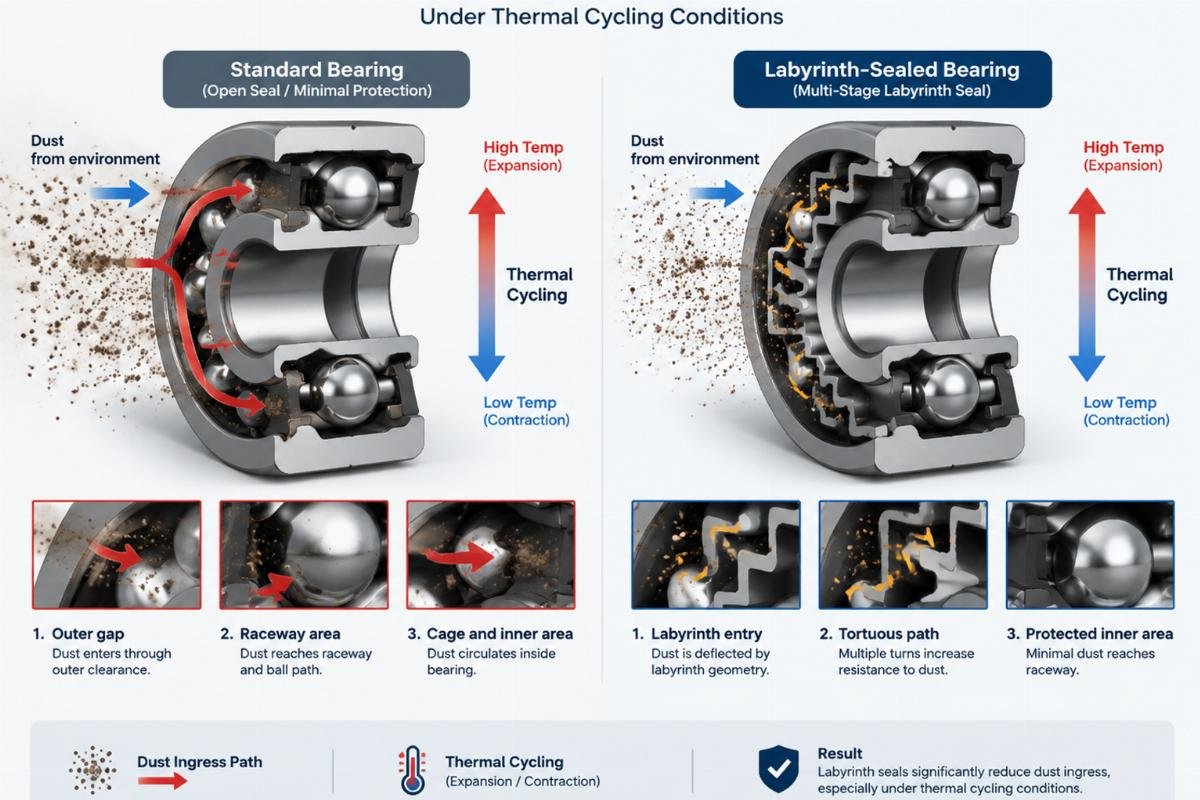
For distributors and OEMs, understanding this dynamic is crucial. Specifying FAG bearings for US irrigation systems requires a focus on the seal type and the internal clearance class. A bearing that performs adequately in a controlled factory environment may fail rapidly in an open-field irrigation setup due to these unaddressed environmental factors. The solution lies in selecting units with optimized clearances that accommodate thermal expansion without sacrificing structural integrity under load.
Which FAG Bearing Types Suit Center Pivot Irrigators?
Deep groove ball bearings and spherical roller bearings are the primary choices for handling the mixed radial and axial loads of center pivot systems.
Center pivot irrigators subject their support wheels to complex loading patterns. As the structure moves across uneven terrain, the wheels experience significant radial loads from the weight of the water-filled pipes, as well as axial loads from wind resistance and alignment shifts. Selecting the correct bearing type is essential for maintaining smooth operation and minimizing downtime.
| Bearing Type | Load Capacity | Misalignment Tolerance | Sealing Options | Typical Application Point |
|---|---|---|---|---|
| Deep Groove Ball | Moderate Radial/Light Axial | Low | High (Labyrinth/Contact) | Wheel Hubs, Gearboxes |
| Spherical Roller | High Radial/Moderate Axial | High | Medium (Non-contact) | Main Pivot Points, Drive Units |
| Cylindrical Roller | Very High Radial/No Axial | None | Low | Heavy Duty Drive Shafts |
Deep groove ball bearings are widely used in wheel hub assemblies due to their ability to handle moderate radial and axial loads simultaneously. Their compact design allows for effective sealing, which is vital for protecting against dust and moisture. However, they have limited tolerance for misalignment. If the pivot structure twists or the ground is uneven, the resulting angular misalignment can cause edge loading and premature fatigue.
Spherical roller bearings, on the other hand, are ideal for main pivot points and drive units where misalignment is inevitable. Their self-aligning capability compensates for shaft deflection and mounting errors, ensuring that the load is distributed evenly across the rolling elements. This feature significantly extends service life in rough terrain conditions. When sourcing FAG bearings for US irrigation systems, it is important to verify that the spherical roller bearings selected have appropriate cage materials and surface treatments to withstand the harsh agricultural environment.
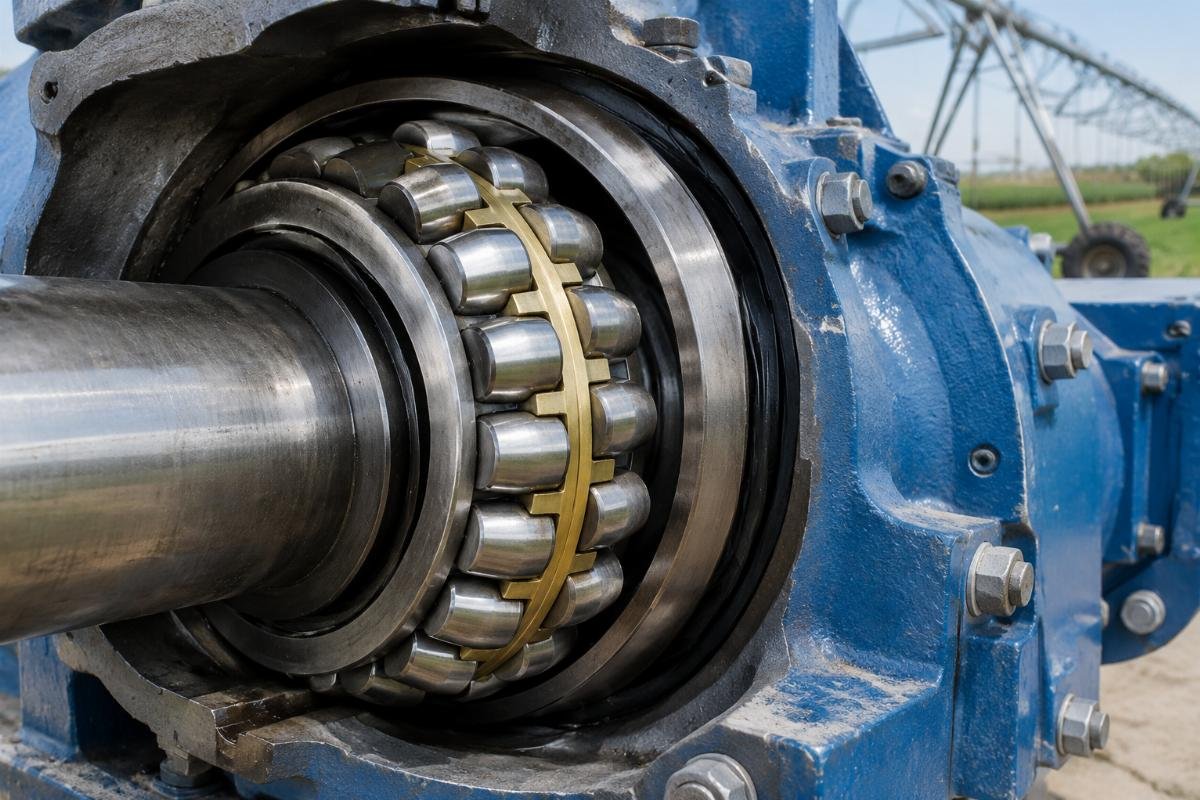
The choice between these types often depends on the specific location within the irrigation system. For high-speed gearbox applications, deep groove ball bearings with precision grades may be required to minimize vibration and noise. For slow-moving, high-load pivot points, spherical roller bearings provide the necessary robustness. Understanding these distinctions allows for more accurate specification and reduced maintenance costs over the lifecycle of the equipment.
How to Select Bearings for High-Load Water Pumps?
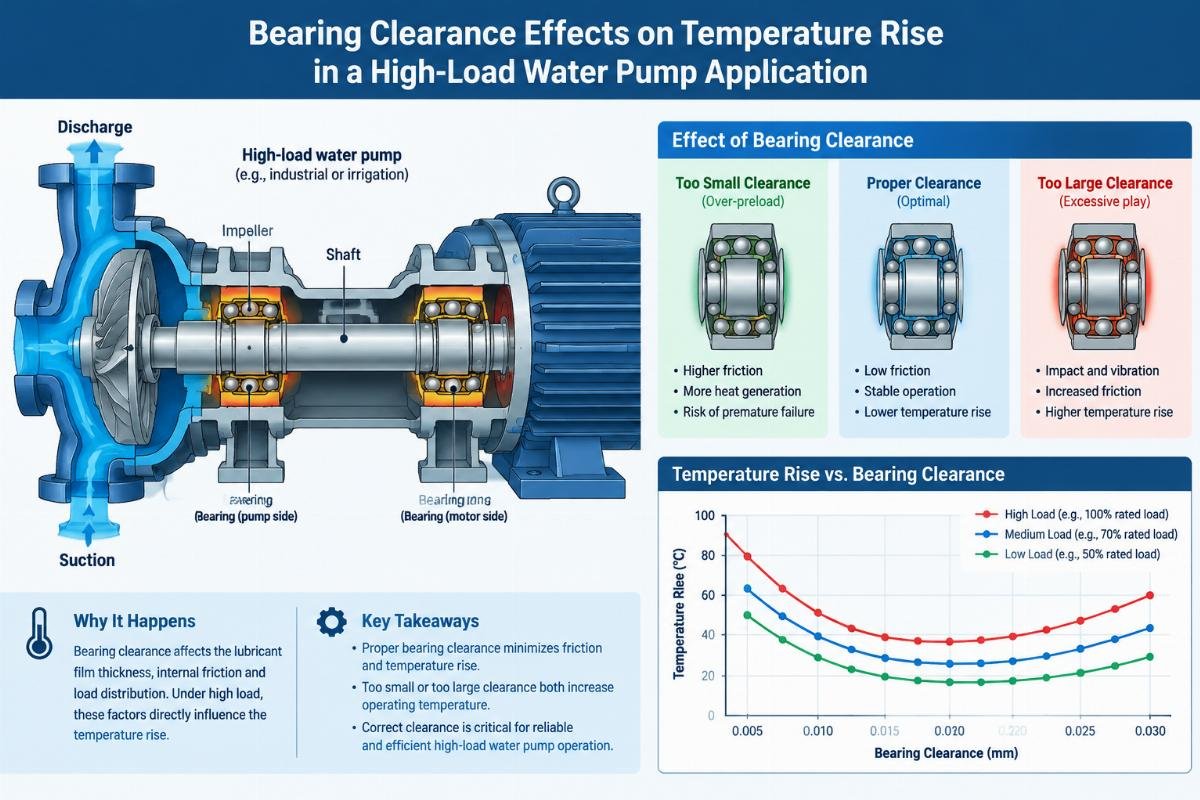
Proper clearance selection and material specifications are non-negotiable for preventing overheating in high-load pump stations.
Water pumps in irrigation systems operate under continuous heavy loads, often running for extended periods during peak growing seasons. The bearings in these pumps must withstand not only the radial and axial forces generated by the impeller but also the thermal stresses from prolonged operation. Selecting the wrong clearance can lead to catastrophic failure, as the bearing may either run too loose, causing vibration and noise, or too tight, leading to excessive heat generation.
The key to successful selection lies in understanding the operating temperature range and the load profile of the pump. For high-speed pumps, bearings with C3 or C4 clearances are often recommended to accommodate thermal expansion. However, in low-speed, high-load applications, standard clearances may be sufficient if the housing design allows for adequate heat dissipation. It is also crucial to consider the material of the bearing rings and rolling elements. Bearings made from high-quality vacuum-degassed steel offer superior fatigue resistance and longevity compared to standard materials.
Another critical factor is the lubrication method. Grease-lubricated bearings are common in smaller pumps, but oil-lubricated systems are often preferred for larger, high-load units due to their superior cooling properties. When using grease, it is essential to select a type with high dropping point and water resistance to prevent washout and degradation. Regular monitoring of bearing temperature and vibration levels can help detect early signs of failure, allowing for proactive maintenance before a breakdown occurs.
For those sourcing FAG bearings for US irrigation systems, working with a supplier who understands these technical nuances is vital. They can provide guidance on the optimal clearance and lubrication strategy for specific pump models, ensuring reliable performance even under the most demanding conditions. This technical support is particularly valuable for MRO operations, where minimizing downtime is a top priority.
What Maintenance Practices Extend Bearing Life?
Correct lubrication intervals and contamination control are more effective than frequent greasing in extending bearing life.
Many maintenance teams operate under the misconception that more grease equals better protection. In reality, over-greasing is a leading cause of bearing failure in irrigation systems. Excess grease creates churning losses, which generate heat and increase the risk of seal damage. It also attracts dust and debris, which can penetrate the sealing system and contaminate the lubricant. The correct approach is to follow the manufacturer’s recommended lubrication intervals and quantities, which are calculated based on bearing size, speed, and operating conditions.
Contamination control is equally important. Ensuring that seals are intact and properly installed is the first line of defense against dust and moisture. In dusty environments, using bearings with enhanced sealing features, such as labyrinth seals or contact seals with special lip designs, can significantly reduce the risk of ingress. Additionally, keeping the surrounding area clean and using protective covers when possible can help minimize exposure to contaminants.
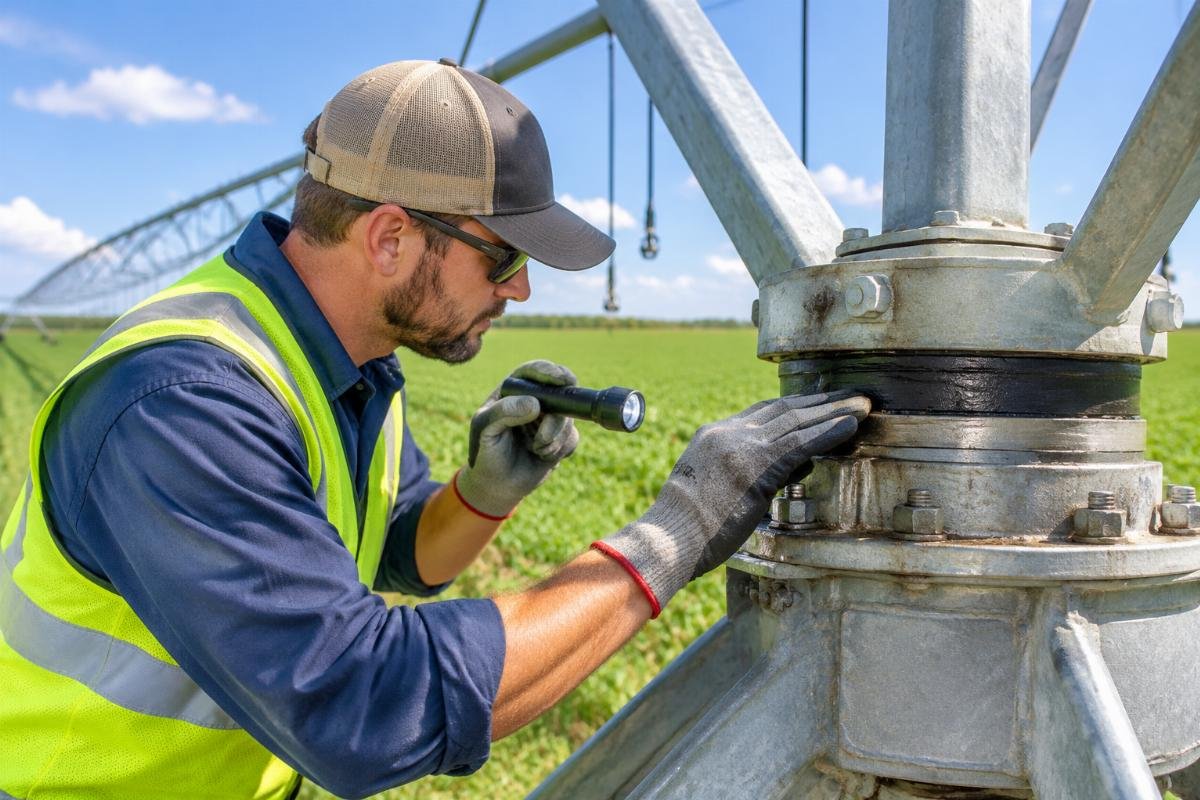
Regular inspection is also key to proactive maintenance. Visual checks for leaks, discoloration, or unusual noise can reveal early signs of trouble. Vibration analysis and thermography are more advanced techniques that can detect internal defects before they lead to failure. By implementing a structured maintenance program that focuses on proper lubrication and contamination control, operators can extend the service life of their bearings and reduce overall maintenance costs.
When dealing with mixed-brand replacement scenarios, accuracy in cross-referencing is crucial. Using inferior substitutes can compromise the entire system. Sourcing genuine FAG bearings for US irrigation systems ensures that the replacements meet the original equipment specifications, providing peace of mind and reliable performance. This is where a knowledgeable supplier can add significant value by offering technical consultation and verifying part numbers to ensure compatibility.
Conclusion
Precision in selection and discipline in maintenance define the reliability of irrigation infrastructure.
The longevity of US irrigation systems depends heavily on the correct application of specialized components like FAG bearings for US irrigation systems. By prioritizing optimized seals, appropriate clearances, and disciplined lubrication practices, operators can mitigate the risks posed by harsh agricultural environments. This approach not only prevents premature failures but also enhances the overall efficiency and productivity of irrigation operations.