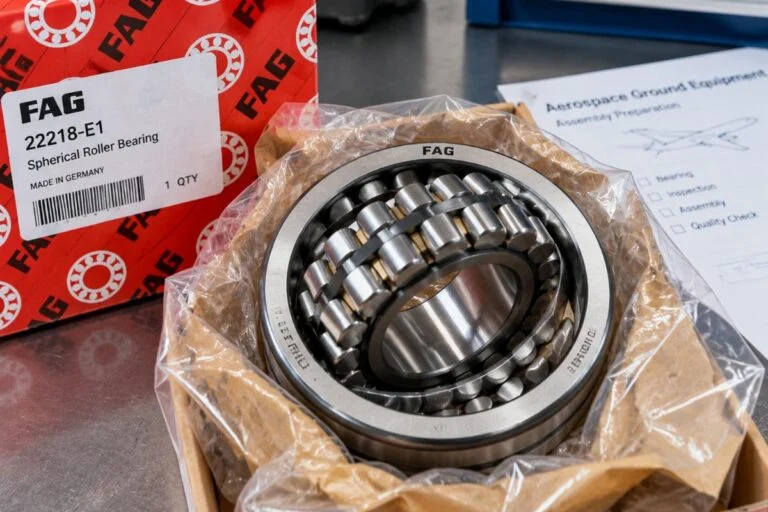
Standard off-the-shelf bearings are not sufficient for the extreme thermal and contamination loads in modern mini-mill rolling stands.
Selecting genuine FAG spherical roller bearings with precise clearance suffixes (such as C3 or C4) and verifying original traceability through authorized supply channels are the only reliable methods to prevent catastrophic cage fragmentation and unplanned downtime in US mini-mills. Procurement strategies must prioritize mixed-brand consolidation services that offer single-unit flexibility alongside full-container bulk sourcing to balance inventory costs with emergency response capabilities.
I still recall the silence on the shop floor of a Southeast Asian steel project I supported years ago. It was not the quiet of efficiency, but the heavy, expensive silence of a halted production line. The issue was not a lack of effort; the maintenance team had installed what they believed were high-quality FAG bearings. However, no one had verified the internal clearance suffix against the specific thermal expansion rates of the rolling stand. Within months, the keepers shattered. The resulting downtime cost far more than the initial savings from skipping rigorous technical verification. That failure reshaped how I approach bearing selection for heavy industry. Today, when advising MRO managers in the US mini-mill sector, I focus relentlessly on two pillars: exact specification matching and unbroken chain-of-custody documentation.

Understanding why standard specifications fail in these harsh environments is the first step toward building a resilient maintenance strategy.
Why Do Standard FAG Bearings Fail in Mini-Mills?
High ambient heat and pervasive scale contamination demand specific internal clearances and robust sealing solutions that standard catalog items often lack.
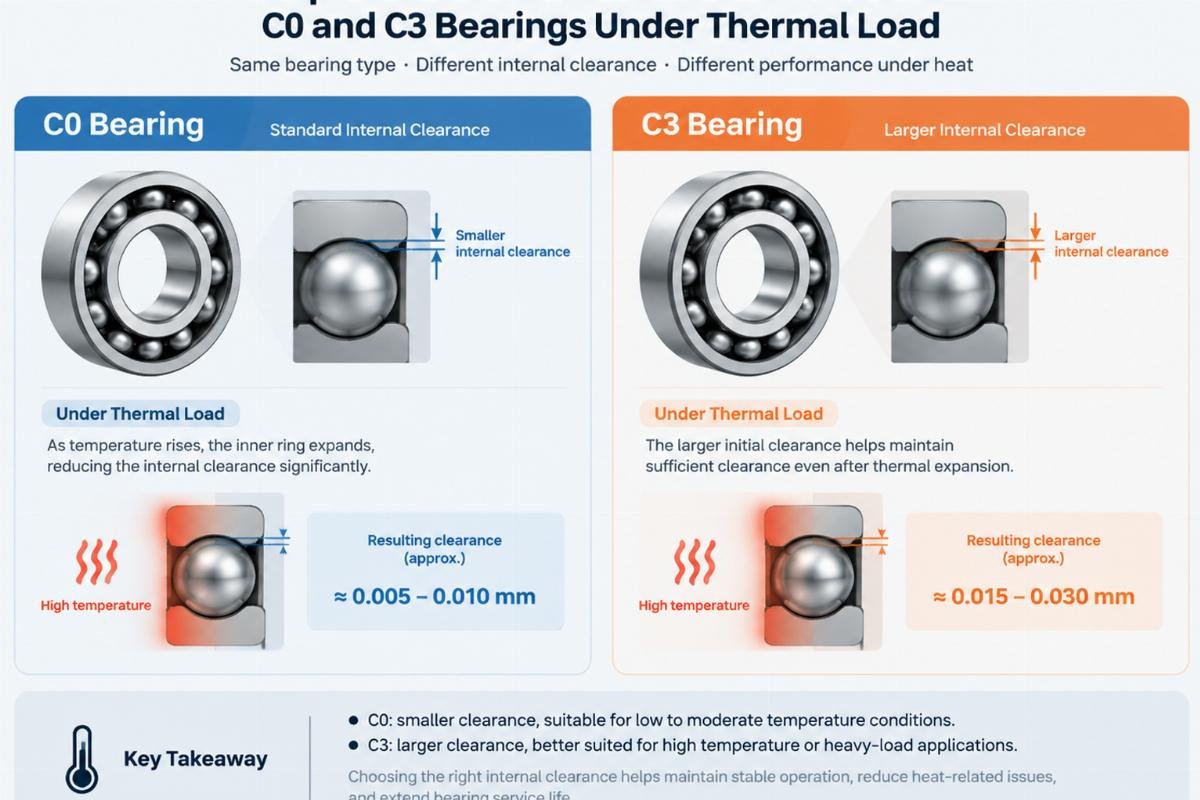
In a typical mini-mill environment, rolling stands operate under immense radial loads while being exposed to significant thermal fluctuations. A standard FAG bearing with normal clearance (C0) may seem adequate on paper, but under operating temperatures, the inner ring expands faster than the outer ring. This reduces the internal clearance, leading to pre-loading. The result is excessive heat generation, lubricant breakdown, and eventual cage failure.
Furthermore, the presence of iron oxide scale and water mist creates an abrasive slurry that penetrates inadequate seals. Standard rubber seals may degrade quickly, allowing contaminants to enter the raceway. This leads to premature wear and a drastic reduction in bearing lifespan.
| Failure Mode | Standard Specification Risk | Recommended FAG Specification Feature |
|---|---|---|
| Thermal Pre-loading | Normal Clearance (C0) | Increased Clearance (C3/C4) |
| Contamination Ingress | Basic Shield/Seal | Enhanced Seal Design (e.g., V-ring or specialized labyrinth) |
| Cage Fragmentation | Standard Steel Cage | Reinforced Brass or Steel Cage for High Load |
| Lubricant Loss | Open or Lightly Sealed | Integrated Sealing System with Grease Retention |
A case from a North American rebar producer illustrates this clearly. They experienced repeated failures in their roughing mill stands. Upon analysis, it was found that the bearings were running hot due to insufficient clearance. Switching to FAG bearings with a C3 clearance suffix and improved sealing resolved the thermal issues, extending service life noticeably. This shift did not require changing the bearing brand, but rather selecting the correct variant within the FAG portfolio.
Ensuring that the bearings you receive are genuinely new and original is just as critical as selecting the right specification.
How to Verify Genuine FAG Bearings Before Installation?
Traceability documents and physical packaging checks are essential to prevent the installation of refurbished or counterfeit bearings that cause secondary damage.
The market for industrial bearings is flooded with refurbished units sold as new. These bearings may look pristine externally but have hidden micro-cracks or worn raceways. Installing such a unit in a critical rolling mill application is a gamble with high stakes. A failed bearing can damage the housing, shaft, and adjacent components, leading to a mid-six-figure loss in repair costs and lost production.
Verification starts with the packaging. Genuine FAG bearings come in specific, high-quality packaging with clear branding and batch numbers. The bearing itself should have laser-etched markings that are sharp and uniform. Blurred or uneven etching is a red flag. More importantly, request the original certificate of conformity and traceability documents from the supplier. These documents link the bearing to its manufacturing batch and quality control records.
When sourcing from a global partner, ensure they provide complete original traceability documentation. This is not just paperwork; it is your insurance policy. I once helped a client avoid a shipment of suspect bearings by insisting on seeing the factory test reports before payment. The supplier could not provide them, and the deal was canceled. Weeks later, news broke of a major counterfeit ring targeting that region.

Managing inventory for diverse equipment needs requires a flexible sourcing strategy.
What is the Optimal Sourcing Strategy for Mixed Spare Parts?
Consolidating various brands and sizes into single shipments reduces logistics costs and lead times while maintaining access to genuine products.
Mini-mills operate a mix of equipment from different OEMs, each requiring specific bearing types and brands. Maintaining separate stock for SKF, FAG, NSK, and TIMKEN parts is inefficient and capital-intensive. A better approach is to work with a supplier who offers mixed-brand consolidation services. This allows you to order small quantities of different brands and sizes in a single container, optimizing shipping costs and reducing inventory holding costs.
This strategy also provides flexibility for emergency repairs. Instead of waiting for a full container from a single brand distributor, you can source urgent single-unit replacements from a consolidated stock. This reduces lead time significantly. For example, a US buyer once needed a specific FAG spherical roller bearing for an emergency shutdown. By sourcing through a consolidated supplier, they received the part in days rather than weeks, minimizing downtime.
Key advantages of this approach include:
- Reduced Logistics Costs: Sharing container space with other orders lowers per-unit shipping fees.
- Flexible MOQ: Order single units for emergencies or bulk for planned maintenance.
- Diverse Brand Access: Source genuine products from multiple premium brands (SKF, FAG, INA, NSK, etc.) in one transaction.
- Complete Documentation: Receive full traceability papers for all brands in the consolidated shipment.

Technical selection support ensures that the bearings you source match the specific demands of your equipment.
How to Match Bearing Specs with Specific Rolling Mill Stands?
Technical selection support aligns bearing types with actual load and speed conditions, preventing mismatched installations.
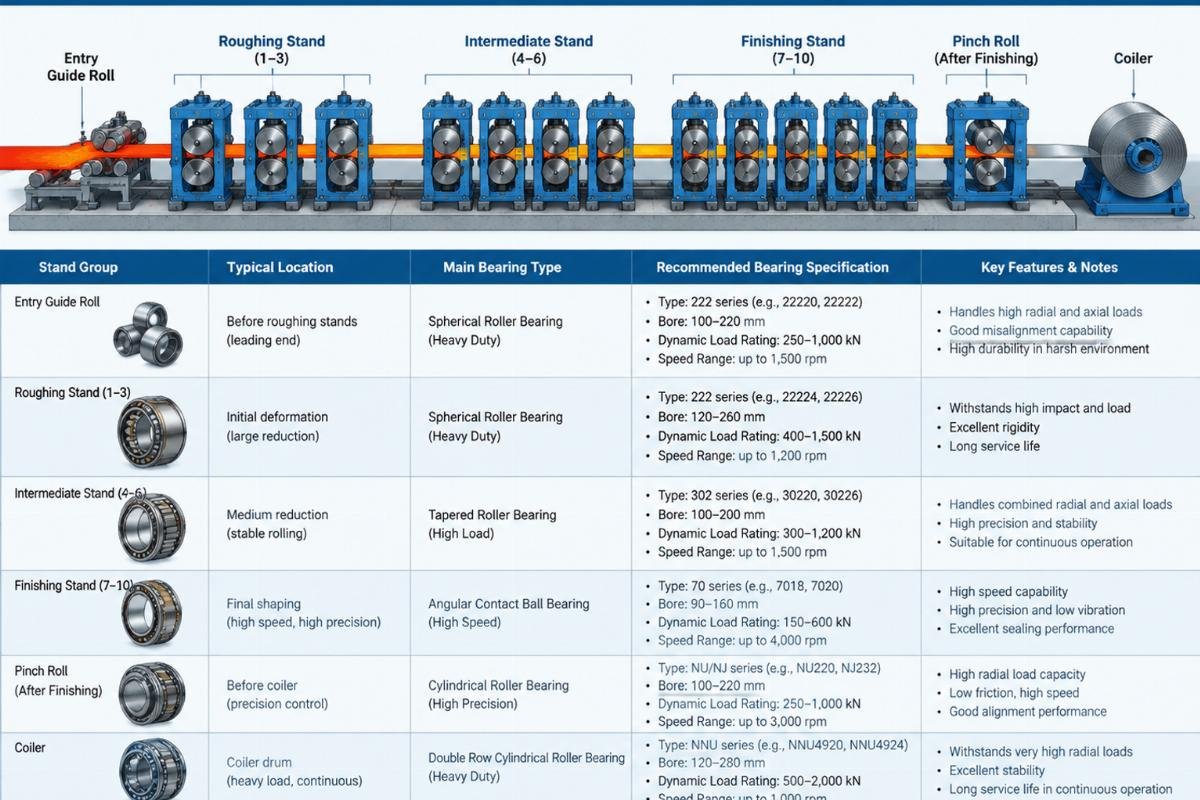
Not all rolling mill stands have the same requirements. Roughing mills handle higher shock loads, while finishing mills operate at higher speeds. Selecting the wrong bearing type or suffix can lead to premature failure. Engaging with a supplier who offers cross-brand equivalent model consultation and technical selection support is crucial. They can help you identify the correct FAG bearing suffixes for clearance, seals, and cage material based on your specific operating conditions.
For instance, a high-speed finishing stand may require a bearing with a brass cage for better stability at elevated speeds, while a roughing stand might benefit from a reinforced steel cage for shock load resistance. A knowledgeable supplier can guide you through these nuances, ensuring that the FAG bearings you purchase are optimized for your specific application.
This level of support transforms the procurement process from a simple transaction into a strategic partnership. It minimizes the risk of ordering incorrect parts and ensures that your maintenance team has the right tools for the job. When you combine this technical expertise with a reliable supply chain, you create a robust defense against unplanned downtime.
Conclusion
Precision in specification and authenticity in sourcing are non-negotiable for reliable mini-mill operations.
Avoiding catastrophic failures in US mini-mills requires moving beyond generic purchasing. By selecting genuine FAG bearings with the correct clearance and seal suffixes, verifying their origin through strict traceability, and leveraging mixed-brand consolidation for efficient logistics, MRO managers can significantly enhance equipment reliability. This approach balances technical rigor with supply chain flexibility, ensuring that production keeps rolling.