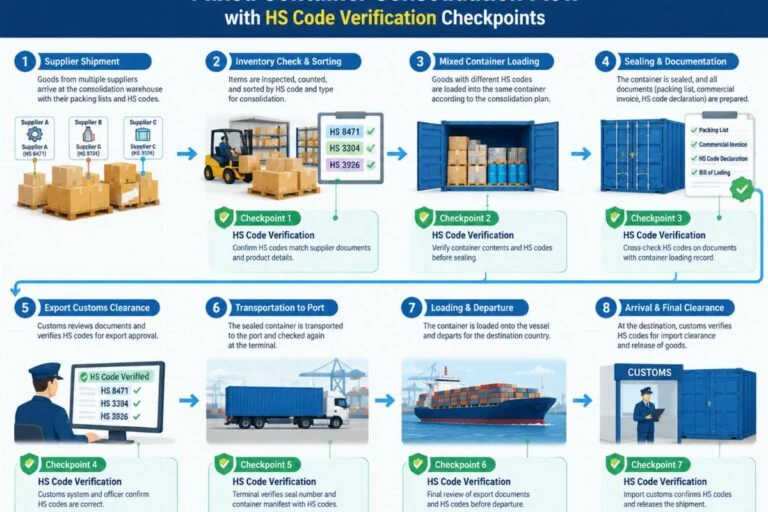
Blind brand substitution without verifying dimensions and destination customs rules causes cargo seizure.
Finding a reliable FAG equivalents for Fafnir bearings requires more than matching the basic part number. True equivalence demands strict verification of internal clearances, cage materials, and housing tolerances to prevent premature failure and ensure smooth customs clearance in regulated markets.
I still remember the sting of a rejected shipment to Santos, Brazil. The order was for pillow block units, specified as Fafnir by the end-user. Confident in the dimensional overlap, I issued the commercial invoice listing the FAG alternative without explicit substitution notes or technical addendums. The result was immediate and costly: customs authorities flagged the brand discrepancy, leading to a full seizure. The company absorbed a mid-six-figure loss covering air-freight penalties and replacement costs. That incident shifted my focus from simple order processing to rigorous cross-brand technical validation. Now, every request for an alternative involves a deep dive into drawing specifications and local regulatory nuances.
This experience underscores why distributors and MRO buyers must look beyond surface-level compatibility. The following guide details how to navigate these substitutions safely, ensuring that your supply chain remains resilient and compliant.
Why Direct Fafnir-to-FAG Substitution Fails?
Assuming identical basic size guarantees direct swap is a critical error that triggers both technical failures and customs rejections.
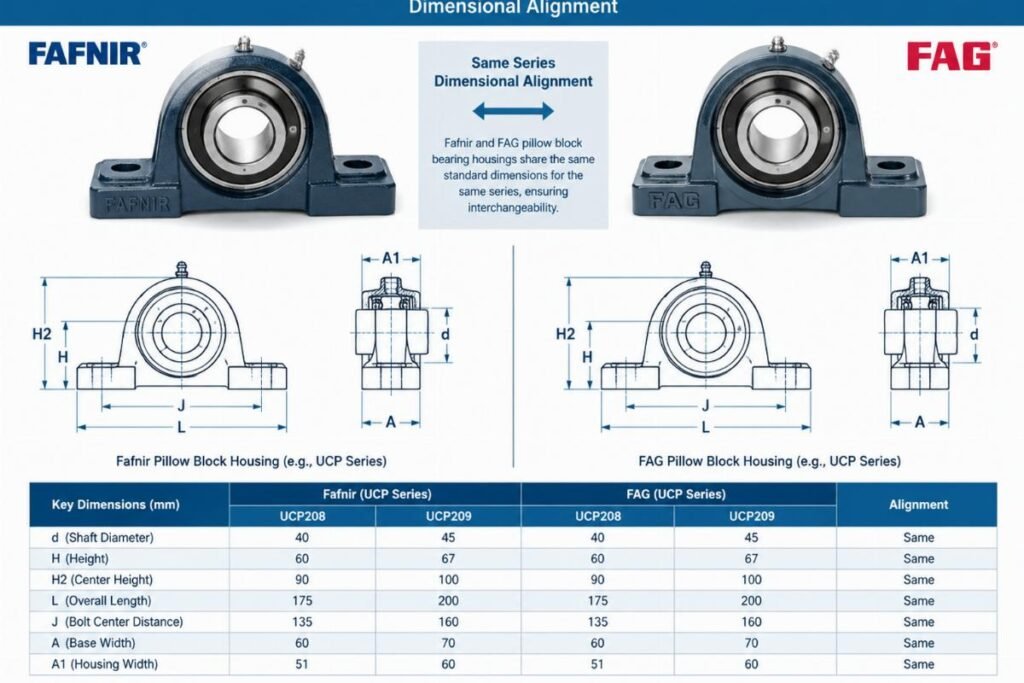
Many buyers assume that because Fafnir and FAG both adhere to ISO standards for boundary dimensions, their products are interchangeable. While the outer diameter, bore, and width may match, the internal architecture often differs significantly. These differences become apparent only under load or during installation.
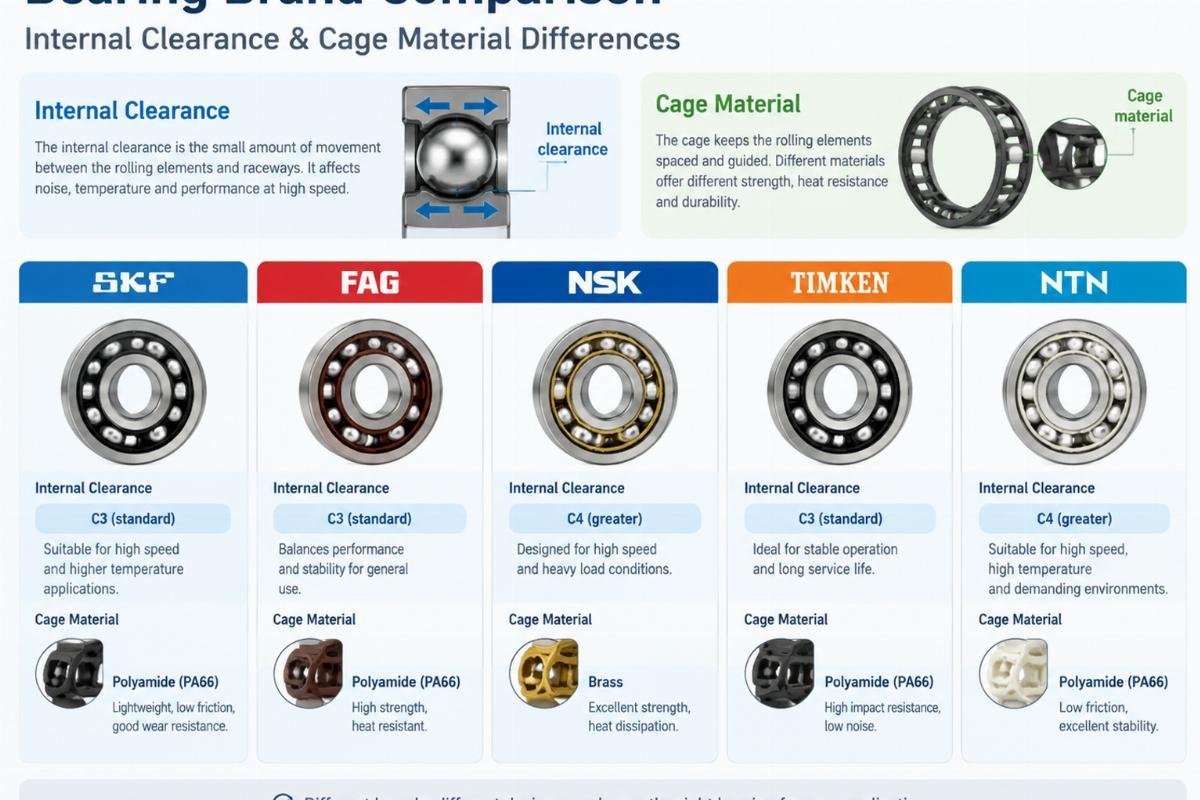
The primary culprit is internal clearance. Fafnir bearings, particularly those designed for agricultural or heavy-duty applications, often utilize specific clearance classes that differ from standard FAG offerings. If a FAG bearing with standard C3 clearance replaces a Fafnir unit designed for tighter operational tolerances, the resulting heat generation can lead to rapid seizure. Conversely, a looser fit may cause excessive vibration and noise.
Cage material and design represent another hidden variable. Fafnir might use a stamped steel cage in a specific series, while the FAG equivalent could feature a machined brass or polyamide cage. In high-temperature environments or applications with specific lubrication requirements, this material difference can compromise structural integrity. I have seen cases where a polyamide cage degraded due to incompatible grease chemistry, a risk that would have been avoided by verifying the original specification.
Customs authorities in regions like Latin America and Southeast Asia are increasingly vigilant about brand declaration accuracy. Declaring a shipment as “Fafnir” when it contains FAG products, even if technically superior, constitutes a misdeclaration. This is not merely a bureaucratic hurdle; it is a legal compliance issue that can halt entire containers.
To mitigate these risks, our team insists on reviewing the original equipment manufacturer (OEM) drawings before confirming any substitution. This step ensures that the proposed FAG equivalents for Fafnir bearings meet not just the dimensional requirements, but also the operational and regulatory expectations of the destination market.
How to Cross-Reference Fafnir and FAG Accurately?
A systematic matrix comparing dimensions, load ratings, and suffixes is essential for accurate cross-referencing.
Creating a reliable cross-reference requires moving beyond simple part number lookups. A robust verification process involves a multi-step comparison of technical parameters. This approach minimizes the risk of selecting an incompatible alternative.
| Parameter | Verification Focus | Risk of Mismatch |
|---|---|---|
| Boundary Dimensions | ISO standard compliance for bore, OD, width | Low if ISO compliant, but verify housing fit |
| Internal Clearance | C2, C3, C4, or special groups | High; leads to overheating or vibration |
| Cage Material | Steel, brass, polyamide, or other polymers | Medium; affects speed and temperature limits |
| Seal Type | Contact, non-contact, or shielded | High; impacts lubrication retention and contamination protection |
| Load Ratings | Dynamic and static load capacity | Medium; may reduce service life under heavy load |
Start by confirming the boundary dimensions against ISO standards. While both brands generally comply, slight variations in housing tolerances for pillow blocks can affect mounting. Next, map the internal clearance. If the original Fafnir bearing specifies a C3 clearance, the FAG alternative must match this exactly. Do not assume standard clearance is sufficient.
Verify the cage material and seal type. These components dictate the bearing’s suitability for specific environmental conditions. For instance, a polyamide cage may offer weight savings and reduced friction but might not withstand certain chemical exposures that a steel cage would handle. Similarly, the seal design must align with the lubrication strategy and contamination levels of the application.
Finally, compare dynamic and static load ratings. While minor differences may be acceptable, a significant reduction in load capacity can shorten the bearing’s lifespan. Our consultation service includes a detailed review of these parameters, ensuring that the selected FAG equivalents for Fafnir bearings provide equal or superior performance.
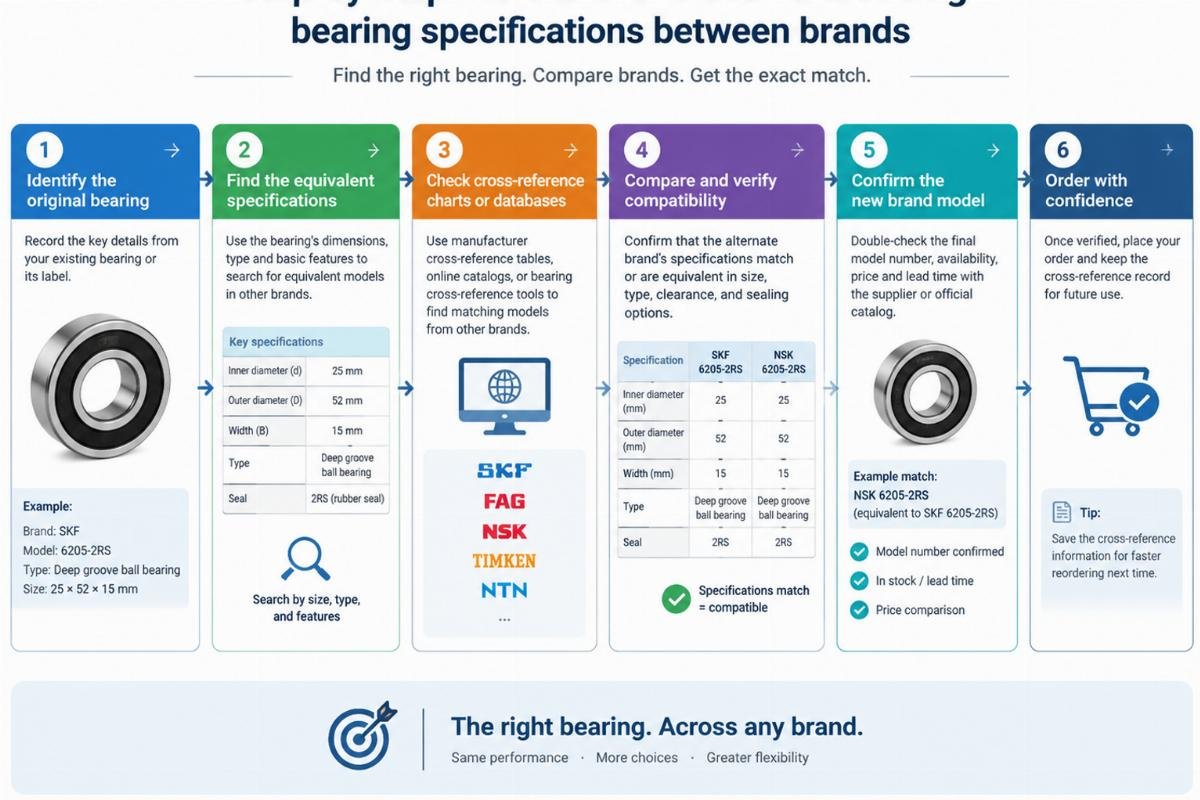
By following this structured approach, buyers can confidently identify suitable alternatives without compromising on quality or reliability. This method transforms a potentially risky substitution into a strategic sourcing advantage.
What Customs Documents Prevent Brand Mismatch Seizures?
Proper declaration and traceability documentation are mandatory to avoid seizures when using alternative brands.
Even with a technically perfect substitution, inadequate documentation can lead to cargo detention. Customs officials rely on paperwork to verify the nature and origin of goods. Discrepancies between the declared brand and the actual product raise red flags, triggering inspections and potential penalties.
The commercial invoice must accurately reflect the contents of the shipment. If substituting Fafnir with FAG, the invoice should clearly state the actual brand supplied. Some jurisdictions allow for “equivalent” declarations if supported by technical documentation, but this varies widely. It is safer to declare the actual brand and include a letter of explanation detailing the technical equivalence and reasons for substitution.
Certificate of Origin (CO) and mill certificates play a crucial role in establishing authenticity. These documents provide traceability back to the manufacturer, proving that the goods are genuine and not counterfeit. For brands like FAG, which have a strong global presence, having verifiable proof of origin is essential. Counterfeit bearings are a significant concern in many markets, and customs authorities are trained to spot inconsistencies in documentation.
In one case involving a shipment to the Middle East, a buyer faced delays because the packing list did not match the invoice regarding brand names. The resolution required submitting additional technical datasheets and a formal letter from the supplier confirming the substitution. This delay incurred storage fees and disrupted the client’s maintenance schedule. Such issues are preventable with meticulous document preparation.
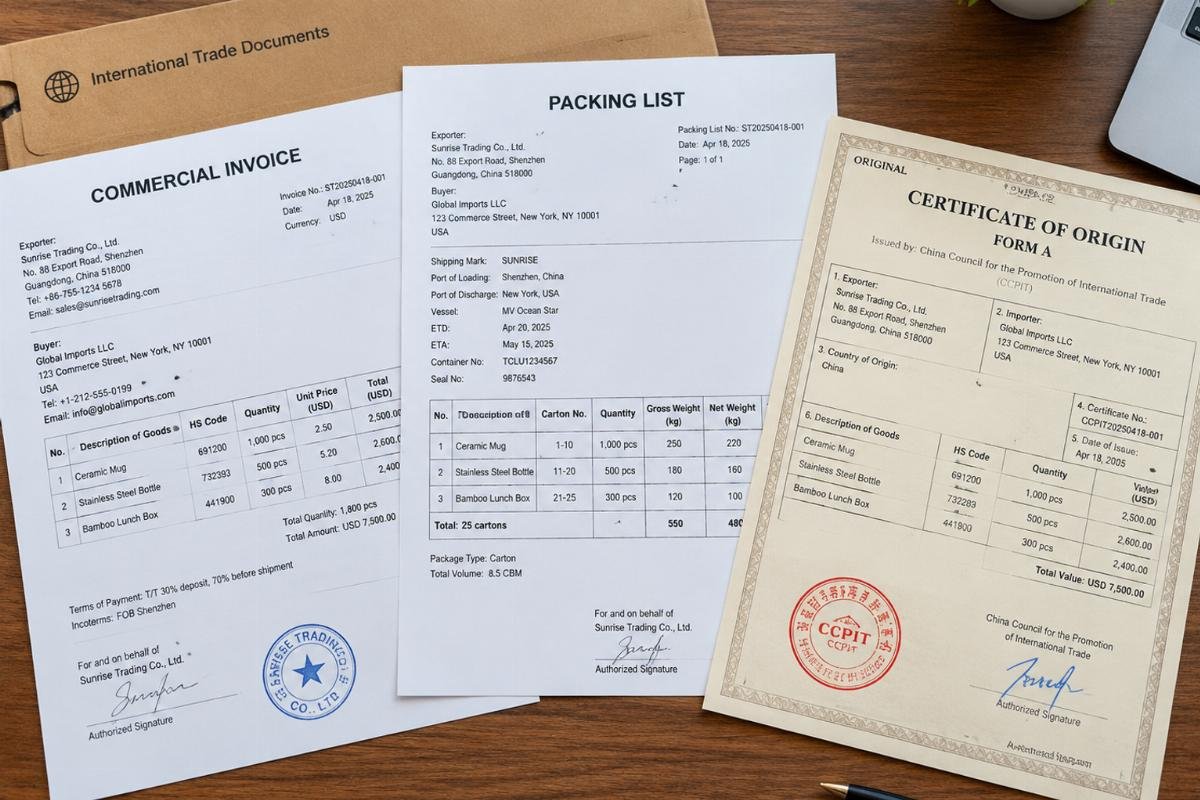
Our process includes preparing a complete set of customs-ready documents for every order involving brand substitutions. This support ensures that your FAG equivalents for Fafnir bearings clear customs smoothly, avoiding unnecessary delays and costs. We emphasize transparency and accuracy in all declarations, aligning with international trade regulations.
Which Fafnir Series Have the Most Reliable FAG Equivalents?
Pillow blocks and insert bearings offer the most verified and reliable swap opportunities due to standardized housing designs.
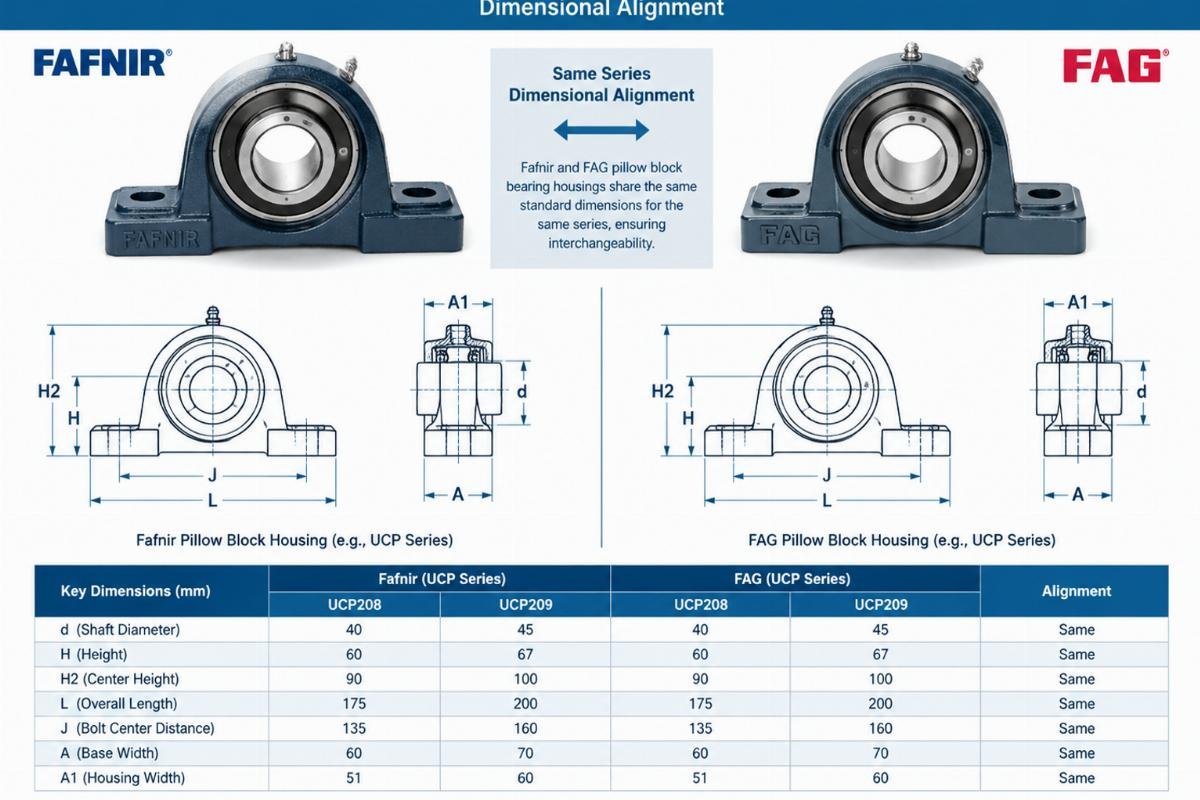
Among the various bearing types, pillow block units and their corresponding insert bearings present the highest success rate for cross-brand substitution. This is largely due to the high degree of standardization in housing dimensions and mounting configurations across major manufacturers.
Fafnir’s pillow block series, widely used in agricultural and conveyor applications, has direct counterparts in the FAG portfolio. The key to a successful swap lies in verifying the insert bearing’s locking mechanism and seal type. Some Fafnir inserts use specific set-screw or eccentric lock designs that must be matched by the FAG alternative to ensure secure mounting on the shaft.
Insert bearings themselves are highly standardized in terms of bore size and outer diameter. However, the internal construction, including the ball complement and cage design, can vary. Ensuring that the FAG insert matches the load and speed requirements of the original Fafnir unit is critical. In many cases, FAG’s precision manufacturing offers enhanced durability and longer service intervals, providing a value-added benefit to the substitution.
For distributors stocking multi-brand inventories, focusing on these high-volume, standardized series allows for efficient inventory consolidation. By offering verified FAG equivalents for Fafnir bearings in these categories, suppliers can meet urgent MRO needs while maintaining quality standards. Our stock includes a wide range of these interchangeable units, ready for immediate dispatch to support your operations.
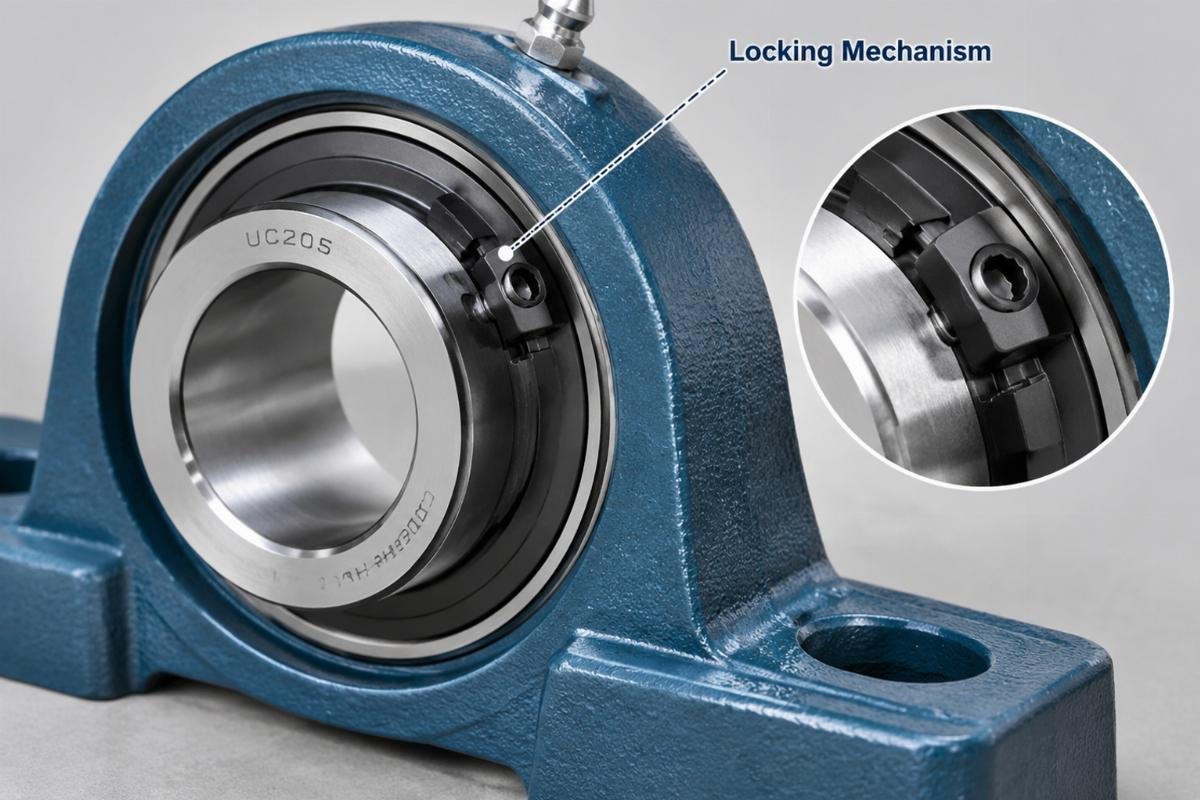
The reliability of these equivalents makes them a preferred choice for emergency replacements and routine maintenance. By leveraging these standardized solutions, buyers can reduce downtime and optimize their spare parts inventory without compromising on performance.
Conclusion
Accurate substitution requires technical verification, not just part number matching.
Navigating the landscape of FAG equivalents for Fafnir bearings demands a disciplined approach to technical validation and customs compliance. By prioritizing internal clearance, cage material, and proper documentation, buyers can avoid costly errors and ensure seamless operations. Trust in verified data and professional consultation to drive your sourcing decisions.