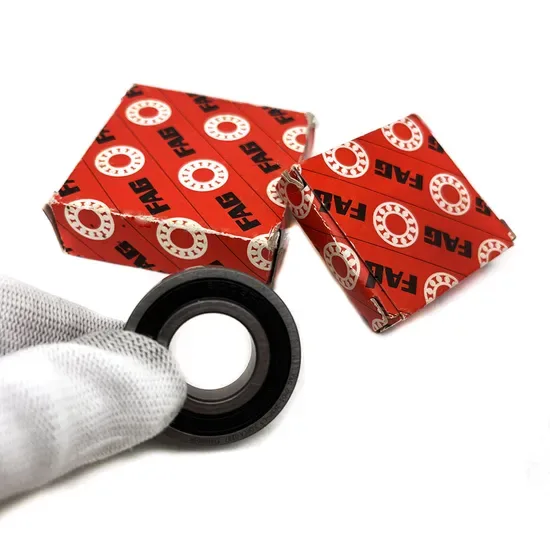
Matching bore and outer diameter is not enough to guarantee a functional swap.
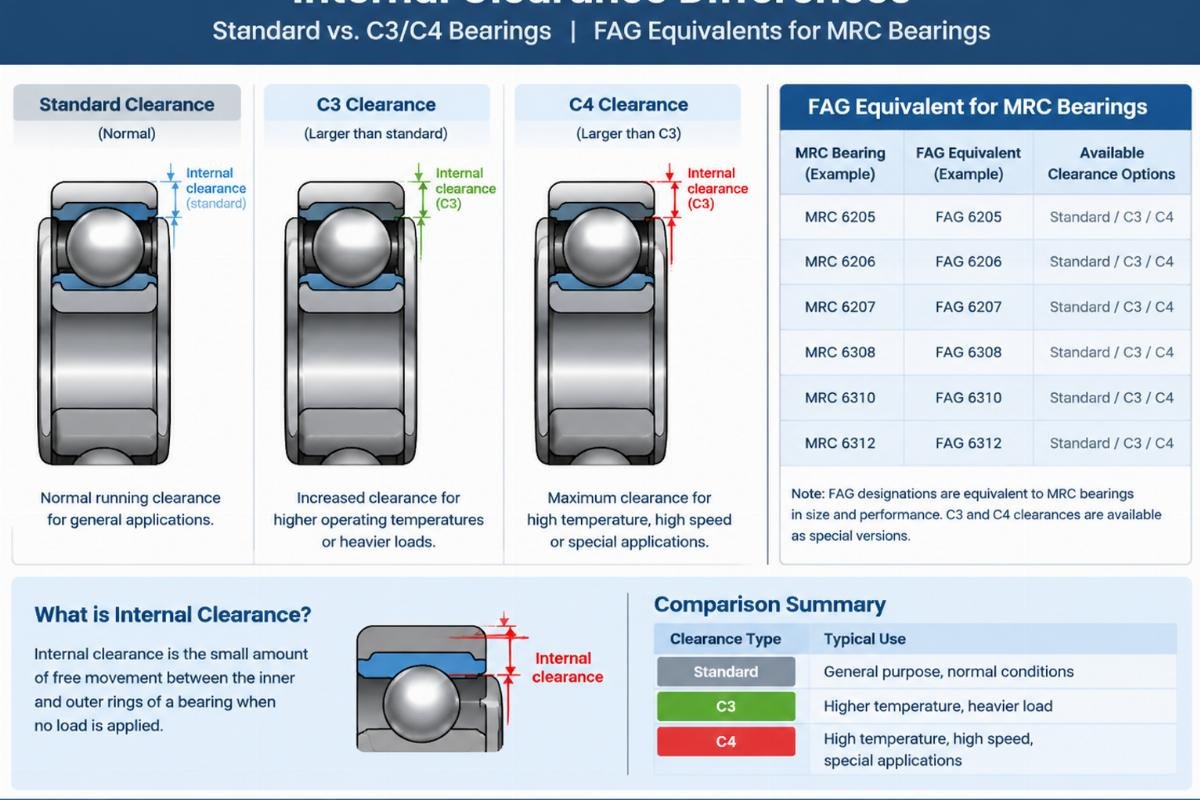
To find reliable FAG equivalents for MRC bearings, you must verify internal clearance classes (such as C3 or C4) and cage material specifications, not just basic dimensions. Ignoring these technical nuances often leads to premature seizure in heavy-load applications, making precise cross-referencing essential for operational safety.
I learned this the hard way on the inspection floor in Qingdao. A US mining client requested a cost-saving switch from MRC cylindrical roller bearings to FAG alternatives. I matched the bore and outer diameter perfectly, assuming the interchange was straightforward. I overlooked the internal clearance and cage tolerance requirements specific to their vibrating screen application. Within weeks, the rigs seized. The claim at the port was massive, and the downtime cost far exceeded any initial savings. That failure shifted my entire approach. Now, I treat every cross-reference request as an engineering challenge, not just a parts swap.
This guide breaks down the technical pitfalls of brand substitution and offers a clear path to sourcing genuine replacements without compromising equipment integrity.
Why Do MRC and FAG Bearings Need Careful Cross-Referencing?
Basic dimensions are merely the starting point. The physics of the application dictate whether a bearing survives or fails. Many buyers assume that if the bore, outer diameter, and width match, the bearing is interchangeable. This is a dangerous oversimplification.
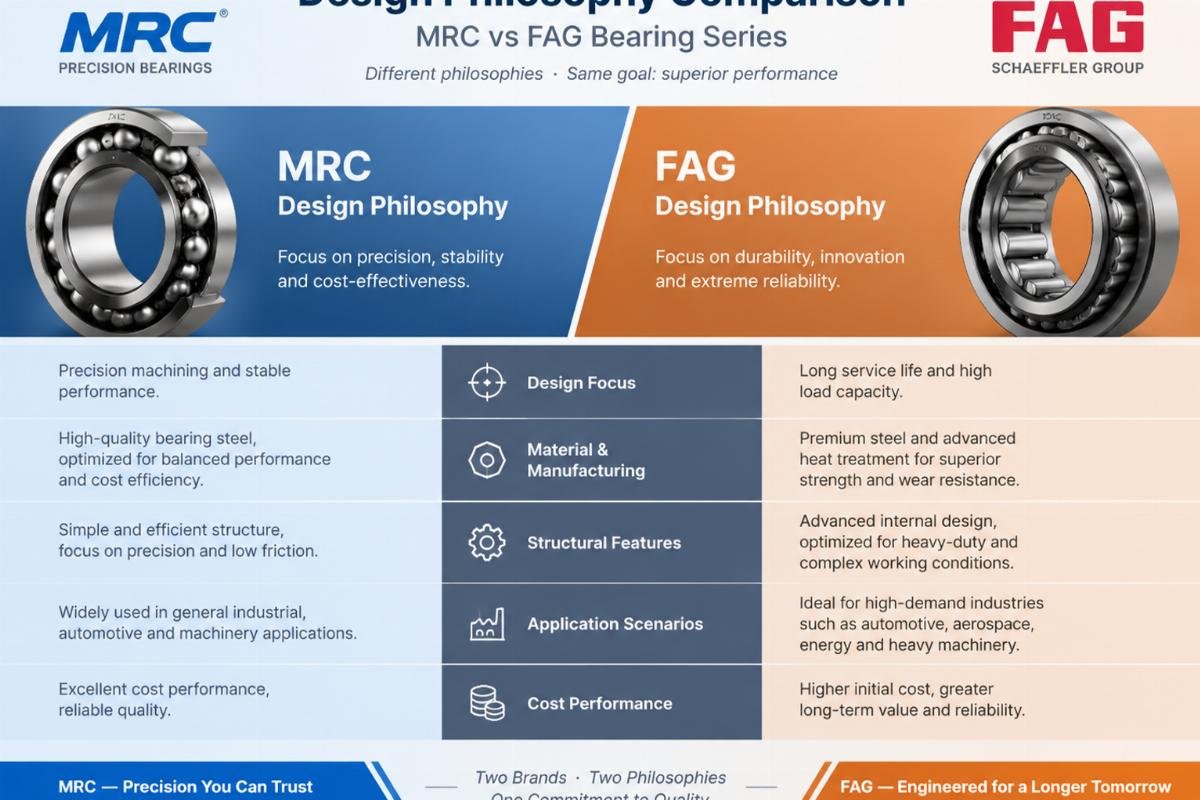
MRC and FAG have different historical design philosophies. MRC, now part of the SKF group but often sourced as legacy stock, has specific cage designs and clearance standards that may not align one-to-one with FAG’s current production tolerances. FAG, part of the Schaeffler group, emphasizes its X-life performance criteria, which involves specific surface finishes and heat treatment processes.
When you search for FAG equivalents for MRC bearings, you are not just looking for a physical fit. You are looking for a functional match. A bearing that fits the shaft but has the wrong internal clearance will either run too hot (if too tight) or cause excessive vibration (if too loose). In high-speed or heavy-load environments, such as mining crushers or steel mill gearboxes, these minor deviations amplify into catastrophic failures.
I once reviewed a case where a European wind farm operator replaced main shaft bearings based solely on dimensional data. The new bearings had standard clearance, while the original MRC units specified C3 clearance for thermal expansion. The mismatch led to inner ring creep and eventual shaft damage. The replacement cost was a mid-six-figure loss, entirely preventable with proper technical verification.
What Are the Key Technical Differences Between MRC and FAG Equivalents?
To avoid mismatches, you must compare three critical parameters: internal clearance, cage design, and load ratings. These factors determine how the bearing handles stress, heat, and speed.
| Parameter | MRC Typical Specification | FAG Typical Specification | Cross-Reference Risk Level |
|---|---|---|---|
| Internal Clearance | Often standard (CN) unless specified | Frequently defaults to C3 in industrial lines | High if not verified |
| Cage Material | Steel or brass, varies by series | Polyamide (PA66) or steel, specific to load | Medium if speed limits ignored |
| Load Rating Basis | ABMA/ANSI standards | ISO/DIN standards with X-life optimization | Low if calculated correctly |
| Precision Class | Standard ABEC 1/3 | P0/P6/P5 per ISO | Medium if spindle application |
Internal clearance is the most common pitfall. MRC bearings used in electric motors or pumps often come with standard clearance. However, FAG industrial equivalents might ship with C3 clearance as a default for better thermal handling. If you install a C3 bearing in a application designed for standard clearance, you risk noise and reduced life. Conversely, installing a standard clearance bearing in a high-heat environment causes binding.
Cage design also matters. MRC often uses machined brass cages for high-speed stability. FAG may use reinforced polyamide cages in similar sizes, which offer lower weight and better lubrication retention but have different temperature limits. Swapping these without checking the operating temperature can lead to cage deformation.
When evaluating FAG equivalents for MRC bearings, always request the detailed datasheet for both the original and the proposed replacement. Compare the dynamic and static load ratings. While both brands adhere to international standards, the calculation methods and safety factors can differ slightly. A direct numerical comparison helps ensure the replacement meets or exceeds the original’s capacity.

How to Avoid Catastrophic Failures When Substituting Brands?
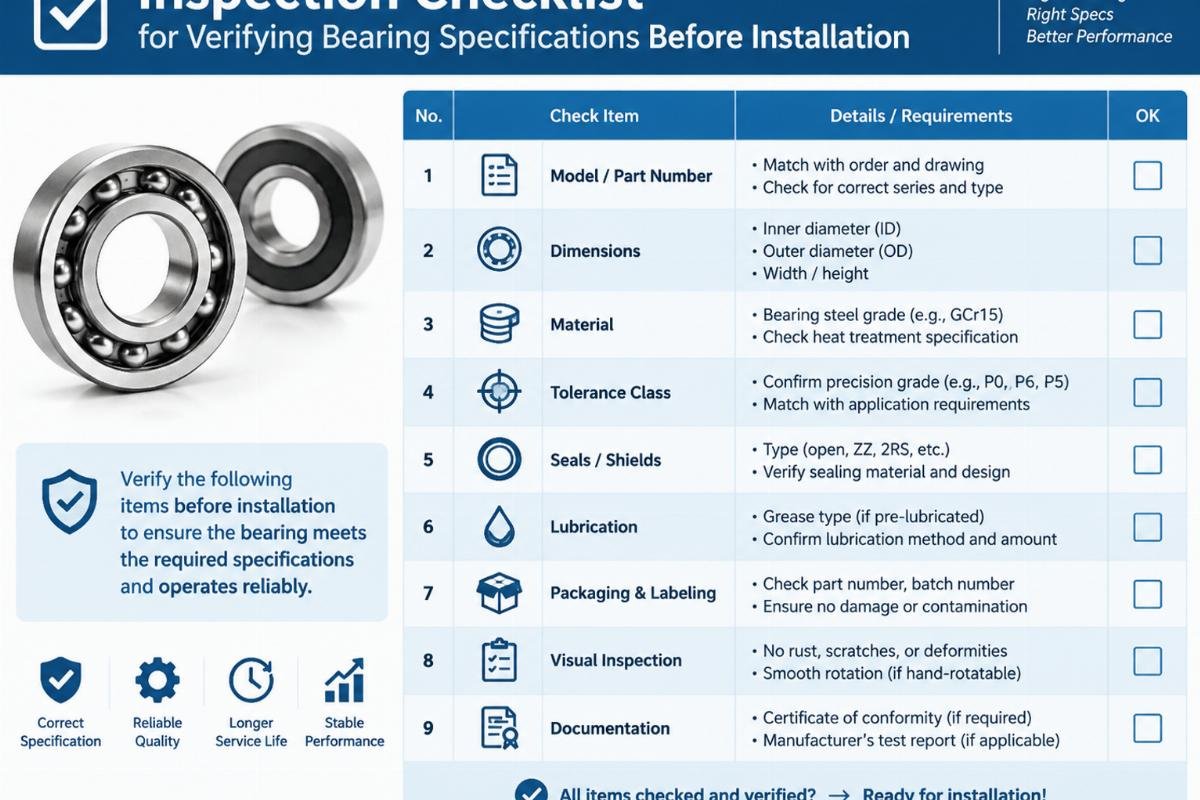
Verification is your best defense against downtime. Before placing an order, follow a strict checklist to ensure the substitute bearing meets all application requirements.
- Confirm Internal Clearance: Check the original bearing’s suffix code. If it ends in C3, C4, or CM, the replacement must match. Do not assume standard clearance is acceptable.
- Verify Cage Type: Identify if the original uses steel, brass, or polymer cages. Ensure the FAG equivalent has a compatible cage material for your operating speed and temperature.
- Check Lubrication Requirements: Some MRC bearings come pre-lubricated with specific greases. FAG equivalents may have different factory lubrication. Verify compatibility or plan for re-greasing.
- Review Seal Design: If the bearing is sealed, ensure the seal material (rubber vs. metal) matches the environmental exposure. Chemical resistance varies by material.
- Validate Load Ratings: Compare the dynamic load rating (Cr) and static load rating (Cor). The replacement should meet or exceed the original values.
A Middle East steel plant once faced repeated gearbox failures after switching to a cheaper alternative. They matched the dimensions but ignored the cage tolerance. The vibrating screens operated at high frequencies, causing the inferior cage to fatigue prematurely. The replacement cycle dropped significantly, leading to higher long-term costs. Switching back to a verified FAG equivalent with the correct cage specification resolved the issue.
Sourcing from a supplier who provides traceability documents is crucial. Genuine FAG equivalents for MRC bearings come with full certification, ensuring that the part numbers correspond to authentic manufacturing batches. This transparency allows you to verify the technical specs before the bearing ever reaches your site.
Where Can You Source Genuine FAG Equivalents for MRC Bearings?
Finding a reliable source goes beyond finding the lowest price. It requires a partner who understands the technical complexities of cross-brand substitution. Many distributors simply match part numbers without understanding the underlying engineering. This approach leaves buyers vulnerable to counterfeit goods or incorrect specifications.
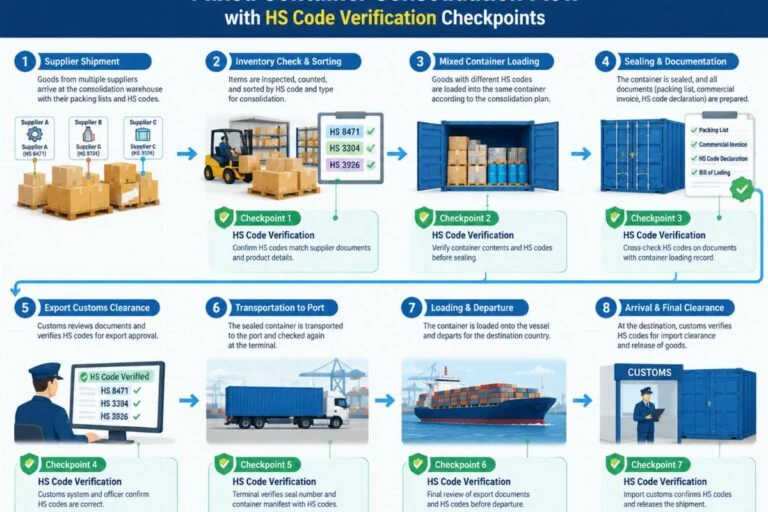
A professional global supplier maintains a diverse inventory of mainstream brands, including FAG, SKF, NSK, and TIMKEN. They offer mixed-batch consolidation, allowing you to source various brands in a single shipment. This capability is vital for MRO clients who need to replace multiple components across different machinery types.
Traceability is non-negotiable. Authentic bearings come with documentation that tracks them from the manufacturer to your facility. This documentation includes material certificates and quality assurance reports. Without it, you risk installing counterfeit parts that fail under load.
Technical support is another key differentiator. A knowledgeable supplier will not just quote a price. They will ask about your application conditions—speed, load, temperature, and environment. They will help you select the correct FAG equivalents for MRC bearings based on these parameters, not just the part number. This consultative approach prevents mismatched orders and reduces the risk of unplanned downtime.
For industrial distributors and OEMs, having access to a supplier with a vast spot inventory means faster lead times. Emergency breakdowns do not wait for shipping containers. A supplier with thousands of standard and special part numbers in stock can ship urgent spares quickly, minimizing production losses.

Conclusion
Precision in cross-referencing prevents costly equipment failures.
Substituting MRC bearings with FAG equivalents requires more than matching dimensions. You must verify internal clearance, cage design, and load ratings to ensure functional compatibility. Sourcing from a supplier who offers technical support and traceable genuine products protects your operations from the hidden costs of downtime. Always prioritize technical accuracy over initial price savings when selecting FAG equivalents for MRC bearings.