Higher dropping points do not guarantee better performance if the thickener chemistry is incompatible.
Substituting FAG grease with US brands requires strict base oil and thickener compatibility checks to prevent catastrophic bearing failures under heavy loads. Most MRO operators assume that any extreme pressure grease labeled for industrial use will work, but mismatched chemistries cause rapid oil separation and seal degradation. When sourcing alternatives, you must verify the ISO viscosity grade, thickener type, and additive package against the original equipment manufacturer specifications rather than relying on general-purpose claims.

I have seen this mistake cost operations dearly. At a power transmission exhibition in Chicago, I watched a North American mining client mix FAG bearings with locally sourced US brand lubricants. The result was not just reduced efficiency; it was high-temperature seizure that halted an entire production line. The root cause was not the load capacity of the bearing, but the chemical reaction between the synthetic base oil in the FAG specification and the incompatible thickener in the US grease. This experience reinforced a critical lesson: lubrication is not a commodity purchase but a technical specification match.
What are the core differences between FAG and US grease formulations?
FAG formulations prioritize bearing-specific life extension through precise viscosity matching, while many US brands focus on general-purpose extreme pressure protection.
The fundamental difference lies in the design philosophy. FAG greases are engineered to complement the internal geometry and material properties of their bearings, often using specific synthetic base oils that maintain film strength across a wide temperature range. In contrast, many popular US grease brands are formulated for broad industrial applicability, emphasizing high drop points and water resistance for general machinery. This does not mean US greases are inferior, but they may lack the tailored additive packages required for high-precision or high-speed applications where FAG bearings are typically used.
| Feature | FAG Standard Formulations | Typical US Industrial EP Greases |
|---|---|---|
| Primary Focus | Bearing life extension & precision | General purpose & extreme pressure |
| Base Oil Type | Often synthetic or highly refined mineral | Mineral or mixed synthetic blends |
| Thickener Compatibility | Optimized for specific seal materials | Broad compatibility claims |
| Additive Package | Tailored for low friction & wear | High load-carrying capacity |
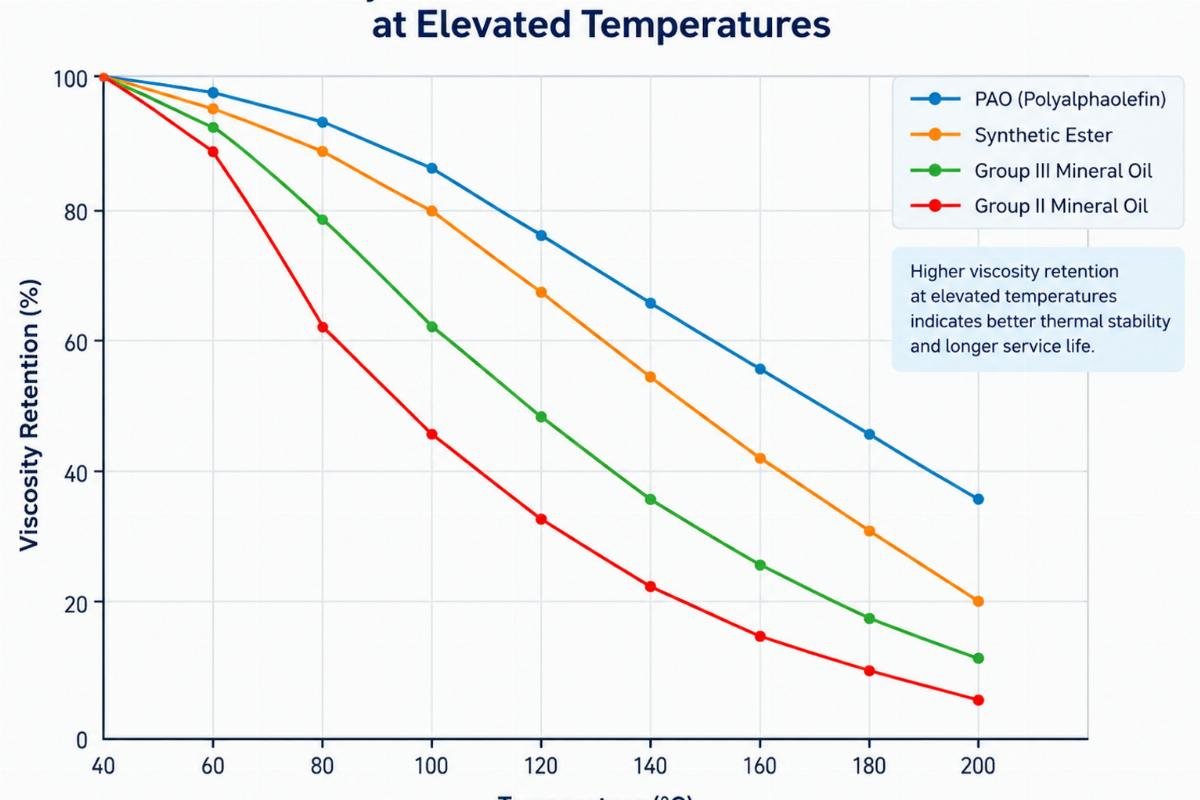
A European wind farm operator once switched to a locally available US brand to cut costs on pitch bearings. Within months, inspection intervals had to be halved due to micro-pitting. The issue was not the load rating but the viscosity index of the base oil, which thinned out excessively at operating temperatures, failing to maintain the necessary elastohydrodynamic lubrication film. When evaluating FAG grease vs US grease brands, it is essential to look beyond the marketing labels and examine the technical data sheets for base oil viscosity and thickener type.
How do base oil and thickener compatibility affect bearing health?
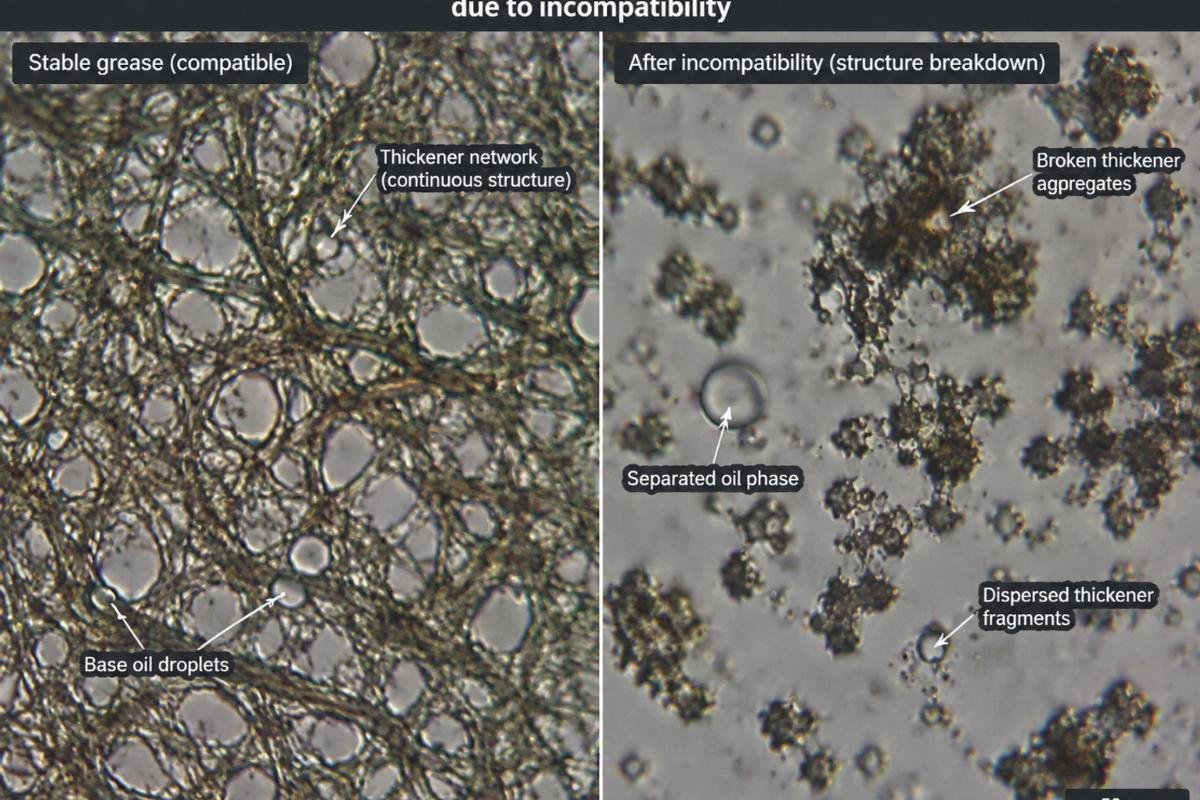
Mismatched chemistries cause oil separation and rapid wear under heavy loads, leading to premature bearing failure.
The thickener acts as a sponge that holds the base oil. When two greases with different thickeners are mixed, or when a grease is incompatible with the seal material, the structure can collapse. This leads to oil bleeding, where the base oil separates from the thickener and leaks out, leaving the bearing to run dry. Conversely, some incompatible mixtures become overly stiff, increasing churning losses and heat generation.
I recall a case at a steel mill conveyor system where an incompatible thickener led to severe grease bleeding. The maintenance team had switched from a lithium-complex based FAG recommended grease to a calcium sulfonate based US brand without flushing the system. The result was a sticky residue that clogged the relubrication paths and caused dry running. The replacement cycle shortened significantly, and the cost of downtime far exceeded any savings from the cheaper lubricant.
Key risks of incompatibility include:
- Softening: The mixture becomes too fluid, leading to leakage and loss of protection.
- Hardening: The mixture becomes too stiff, causing poor flow into the contact zone and increased torque.
- Seal Swelling: Certain additives react with elastomer seals, causing them to swell or crack, leading to contamination ingress.
When considering FAG bearing lubrication alternatives, always perform a compatibility test if switching brands. This involves mixing small samples of the old and new grease and observing changes in consistency and appearance over time.
Which US brands offer the closest equivalents to FAG standard greases?
Selection depends on matching the NLGI grade, base oil viscosity, and thickener type rather than brand loyalty.
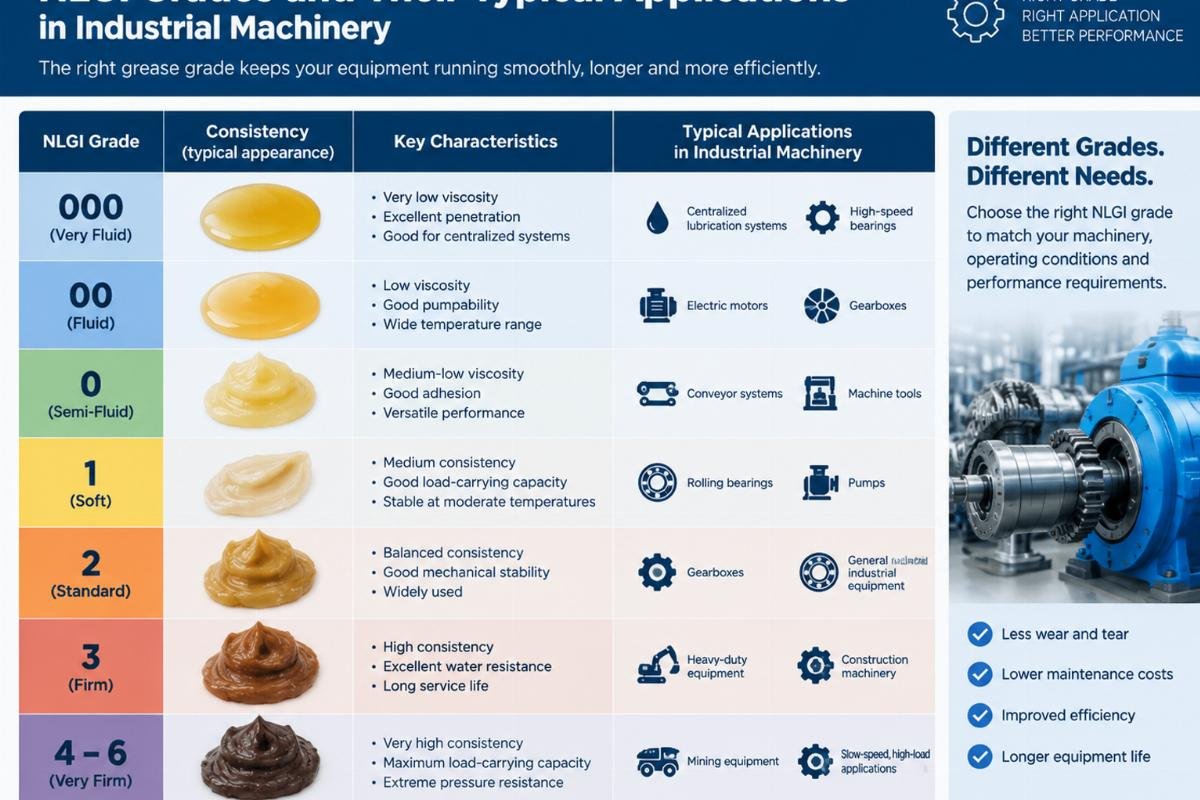
There is no single “best” US brand that universally replaces FAG grease. The right choice depends on the specific application requirements. For general industrial applications, several major US manufacturers offer lithium-complex greases that meet the same ISO standards as FAG’s standard offerings. However, for specialized applications involving high temperatures, heavy loads, or food-grade requirements, the selection becomes more critical.
| Application Scenario | Recommended US Equivalent Characteristics | Key Parameter to Match |
|---|---|---|
| General Industrial | Lithium Complex, NLGI 2 | Base Oil Viscosity |
| High Temperature | Polyurea or Complex Soap | Dropping Point & Oxidation Stability |
| Heavy Load/EP | Lithium Complex with EP Additives | Four-Ball Wear Scar Diameter |
| Food Grade | NSF H1 Registered, White Lithium | Certification & Base Oil Type |
A distributor in Southeast Asia once asked for a direct cross-reference for a specific FAG grease used in textile machinery. Instead of naming a single brand, we provided a specification matrix that allowed them to source from multiple qualified US suppliers. This approach ensured supply chain resilience and competitive pricing. When searching for bearing grease cross reference options, focus on the technical parameters rather than brand names. This ensures that you get a product that performs equivalently, regardless of the manufacturer.
It is also important to note that some US extreme pressure greases contain solid additives like molybdenum disulfide. While beneficial for slow-moving heavy loads, these can be detrimental to high-speed bearings where they may interfere with the formation of the hydrodynamic film. Always verify the application suitability before switching.
What steps must MRO teams take before switching grease brands?
Mandatory flushing, compatibility testing, and seal material verification are essential to avoid catastrophic failures.
Switching grease brands is not a simple swap. It requires a systematic approach to ensure that the new lubricant is compatible with the existing system and the bearing components. Skipping these steps can lead to the kinds of failures described earlier, where incompatible mixtures cause rapid degradation.
- Identify Current Specifications: Determine the exact type of grease currently in use, including the thickener type, base oil viscosity, and NLGI grade. This information is often found in the equipment manual or by analyzing a sample of the existing grease.
- Check Compatibility: Use compatibility charts provided by grease manufacturers or conduct independent tests. Mix small amounts of the old and new grease and observe for changes in consistency, color, or separation.
- Verify Seal Material: Ensure that the new grease is compatible with the seal materials used in the bearing assembly. Some additives can cause swelling or hardening of elastomers, leading to leaks.
- Flush the System: If the greases are not fully compatible, or if there is uncertainty, flush the bearing housing to remove as much of the old grease as possible. This minimizes the risk of adverse reactions between the two lubricants.
- Monitor Performance: After switching, closely monitor the bearing temperature, vibration, and noise levels. Any significant changes should be investigated immediately.
A mining operation in Africa attempted to switch to a cheaper US brand without flushing. The resulting mixture hardened in the cold night temperatures, causing startup issues and increased wear. Only after a complete cleanup and re-lubrication with the correct specification did the problem resolve. This highlights the importance of following a rigorous switching protocol.

Conclusion
Compatibility checks are non-negotiable when substituting lubricants for precision bearings.
Selecting the right alternative to FAG grease requires a deep understanding of base oil and thickener chemistry, not just brand reputation. By focusing on technical specifications and following strict switching protocols, MRO teams can maintain equipment reliability while optimizing costs. Whether you are sourcing for a single machine or a global fleet, ensuring that your FAG grease vs US grease brands decision is based on data rather than assumption is the key to long-term operational success.