Matching outer diameters does not guarantee interchangeability between FAG spherical and Dodge Imperial insert bearings.
Direct substitution without verifying housing drawings, internal clearance codes, and locking mechanism thread pitches frequently leads to catastrophic installation failures. While both brands serve heavy-duty applications, their dimensional standards and sealing architectures differ fundamentally. A successful cross-brand replacement requires precise alignment of imperial shaft sizes with metric housing tolerances, rather than relying on visual similarity.
The assumption that these components are universally interchangeable is a dangerous misconception prevalent in many maintenance workshops. I recall a specific incident at a copper mine conveyor system where the maintenance team attempted to replace a failed unit by forcing a mismatched brand into the existing housing. The hole distance differed by a fraction of a millimeter, but the technicians used hydraulic pressure to seat the bearing. The result was immediate cage fragmentation upon startup, causing days of unplanned downtime. This experience underscores that internal clearances and mounting dimensions are not optional variables but critical design parameters.
Are FAG Spherical and Dodge Imperial Inserts Truly Interchangeable?
No, internal clearances and locking mechanisms differ fundamentally, making direct swaps risky without engineering verification.
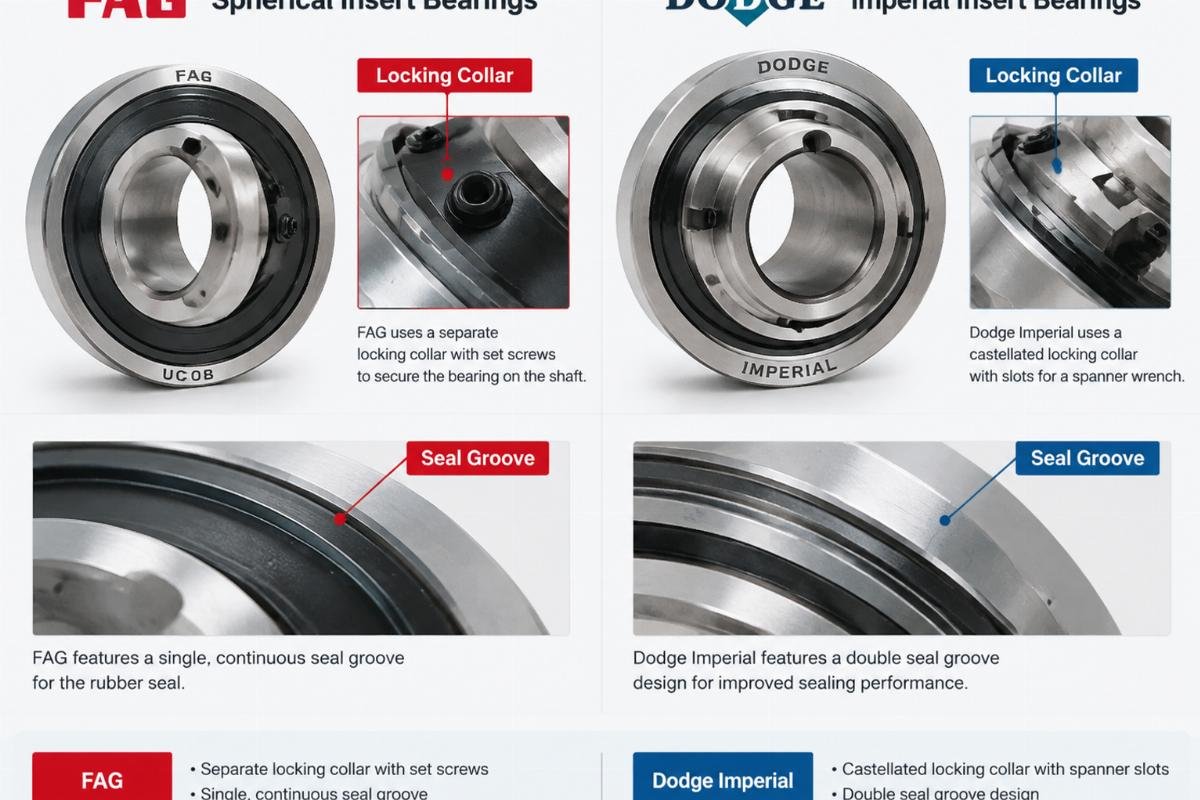
Many procurement officers assume that if the shaft diameter matches, the bearing will fit. However, FAG and Dodge utilize different engineering philosophies for their insert bearings. FAG typically adheres to strict European precision standards, often featuring tighter internal clearances suitable for high-speed or precision-aligned applications. In contrast, Dodge Imperial inserts are engineered for rugged, misalignment-tolerant environments common in North American heavy industry, often incorporating heavier seals and different locking collar designs.
The primary failure point in mixed-brand installations is the locking mechanism. FAG bearings often use set screws or eccentric locking collars with specific thread pitches that may not align with the housing bore tolerances designed for Dodge units. Attempting to tighten a mismatched collar can strip threads or fail to secure the inner ring properly, leading to creep and subsequent shaft damage. Furthermore, the internal clearance classes, such as C3 or C4, are selected based on thermal expansion expectations. Using a standard clearance FAG bearing in a housing designed for a Dodge unit with specific thermal allowances can result in premature seizure under heavy loads.

A regional distributor in Latin America once reported a spike in return rates after suggesting a direct swap for a client’s aggregate crusher. The issue was not the bearing quality but the seal interaction. The Dodge housing had a deeper seal groove designed for a specific lip profile, while the FAG insert had a shallower seal. This mismatch caused rapid grease purging during operation, leading to lubrication starvation within months. This case highlights that sealing compatibility is just as critical as dimensional fit.
What Are the Critical Dimensional Differences in Mounting?
Imperial shaft sizes and housing hole distances require exact drawing verification to prevent forced-fit failures.
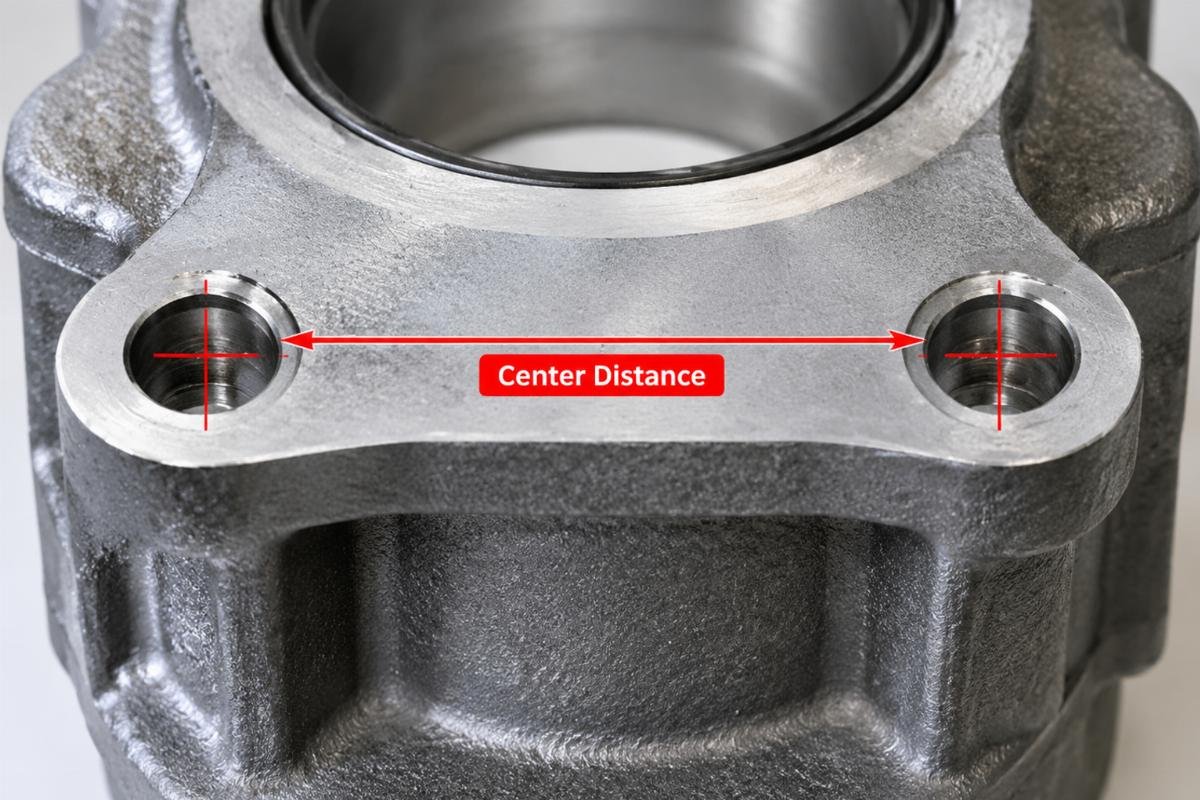
The most visible difference lies in the mounting dimensions. Dodge Imperial inserts are explicitly designed around imperial shaft sizes and housing standards, which are prevalent in older North American machinery. FAG spherical inserts, while available in imperial sizes, often follow metric-centric housing footprints. The distance between housing bolt holes, known as the hole center distance, can vary significantly even if the bore diameter is identical.
When sourcing replacements, it is essential to cross-reference the housing drawing rather than just the bearing part number. A discrepancy in hole distance of even one millimeter can force maintenance teams to elongate bolt holes or shim the housing, compromising structural integrity. In one instance, a cement plant bucket elevator experienced repeated bearing failures because the replacement FAG units had a slightly different base width than the original Dodge inserts. The resulting misalignment placed excessive axial load on the rolling elements, leading to early fatigue.
| Feature | FAG Spherical Inserts | Dodge Imperial Inserts | Compatibility Risk |
|---|---|---|---|
| Primary Standard | Metric/ISO focused | Imperial/ABMA focused | High if housing is old-style imperial |
| Locking Mechanism | Set screw/Eccentric collar | Heavy-duty locking collar | Thread pitch mismatch possible |
| Seal Design | Precision labyrinth/contact | Heavy-duty rubber/polymer | Seal extrusion if groove depth differs |
| Internal Clearance | Often C3/C4 precision | Standard/Heavy-duty options | Seizure if thermal expansion ignored |
To avoid these issues, always measure the housing bore diameter and hole center distance before placing an order. If the housing is worn, consider re-boring or using a sleeve adapter, but never force a bearing that does not sit flush naturally. Our technical team frequently assists clients in verifying these dimensions against housing drawings to ensure the selected FAG spherical vs Dodge Imperial inserts match the physical constraints of the application.
How Do Sealing and Internal Clearance Affect Heavy-Duty Life?
FAG precision clearances versus Dodge heavy-duty seals dictate performance in harsh environments.
Sealing and internal clearance are the invisible factors that determine bearing longevity. FAG bearings often feature sophisticated sealing systems designed to minimize friction while excluding contaminants, suitable for applications where efficiency and speed are prioritized. Dodge Imperial inserts, conversely, are renowned for their robust, heavy-duty seals that can withstand extreme contamination levels found in mining and aggregate processing, albeit with higher friction torque.
Mixing these sealing profiles can lead to significant operational issues. If a FAG bearing with a lighter seal is installed in a dusty environment originally designed for a Dodge unit, contaminant ingress will accelerate wear. Conversely, installing a Dodge bearing with a heavy seal in a high-speed application may cause overheating due to increased friction.
Internal clearance is equally critical. Heavy-duty applications often generate significant heat, requiring expanded internal clearances (C3 or C4) to accommodate thermal growth. FAG offers precise clearance options that must be matched to the operational temperature profile. Using a standard clearance bearing in a high-heat environment can lead to preload conditions, where the rolling elements are compressed excessively, causing rapid failure. In a steel mill application, incorrect clearance selection led to bearing seizures within weeks, whereas the correct C4 clearance extended service life meaningfully.

How to Avoid Catastrophic Installation Failures?
Never force-fit; always cross-check housing drawings and select the correct original or precision alternative.
Preventing installation failures begins with rigorous verification. Before procuring replacements, obtain the original equipment manufacturer (OEM) housing drawings. Compare the bolt hole spacing, bore diameter, and seal groove dimensions against the specifications of the proposed FAG spherical vs Dodge Imperial inserts. If documentation is unavailable, perform physical measurements using calibrated tools.
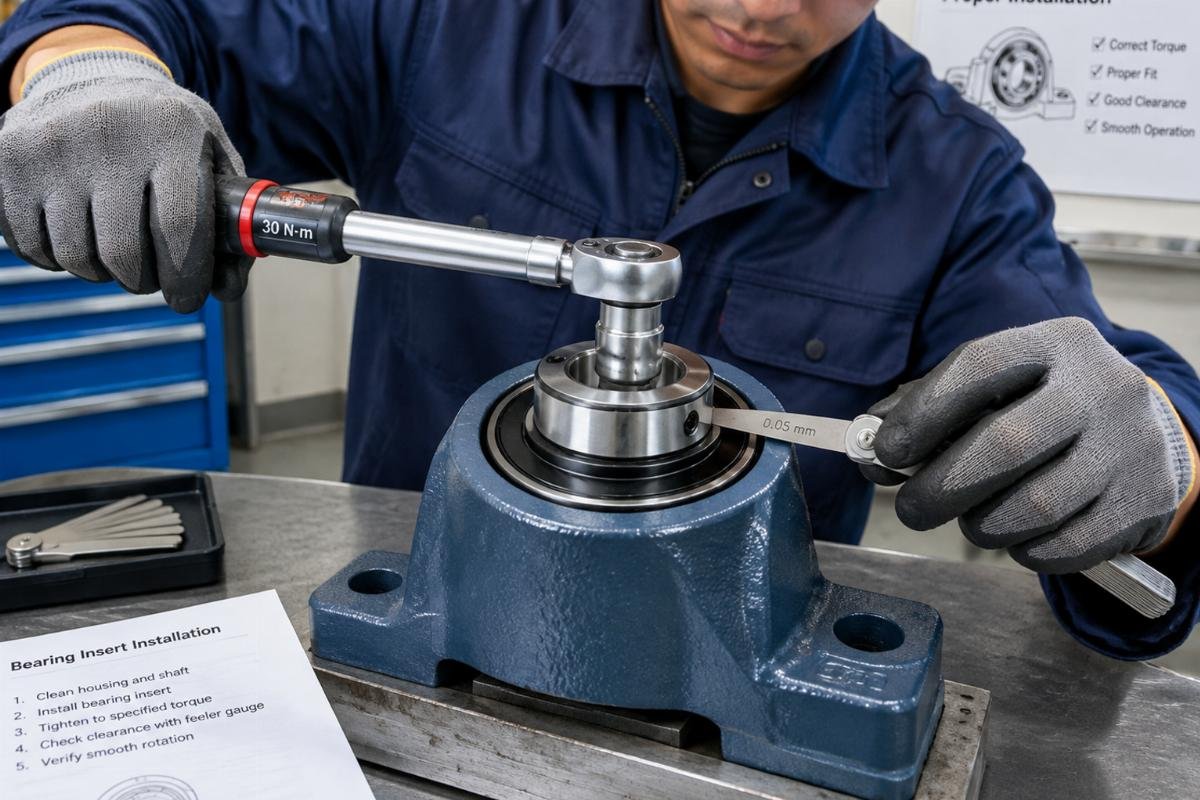
During installation, ensure that the locking mechanism is tightened according to the manufacturer’s torque specifications. Over-tightening can distort the inner ring, altering internal clearance and causing premature failure. Use a feeler gauge to verify that the bearing sits squarely in the housing without binding. If resistance is felt, stop immediately and investigate the dimensional mismatch rather than applying more force.
For complex applications, consider consulting with a specialist who can provide cross-brand equivalent models that have been verified for dimensional compatibility. This approach ensures that the replacement bearing meets the original design intent without requiring modifications to the housing. Our supply chain supports this by offering genuine traceability and technical consultation, helping clients select the exact spec needed for their specific MRO requirements.
Conclusion
Precision in selection prevents costly downtime in heavy-duty operations.
FAG spherical and Dodge Imperial insert bearings are engineered for distinct operational profiles, and their interchangeability is limited by critical dimensional and design differences. Verifying housing drawings, understanding sealing requirements, and selecting appropriate internal clearances are essential steps in ensuring reliable performance. By prioritizing technical accuracy over visual similarity, maintenance teams can avoid forced-fit failures and extend equipment life.