Premium brand does not guarantee universal fit.
Choosing between FAG and Timken wheel bearing kits depends on specific load conditions, clearance requirements, and sealing needs rather than brand reputation alone. For heavy-duty mining and commercial fleets, Timken excels in tapered roller applications with high axial load capacity, while FAG offers superior integrated sealing solutions for mixed-condition environments. MRO buyers must prioritize technical compatibility over unit price to avoid premature hub seizure and inflated total cost of ownership.
I still remember the heat radiating from a hub assembly in Jakarta. I had procured a batch of Timken tapered roller bearings for a mining fleet, focusing strictly on the unit price and brand recognition. The trucks ran for several thousand kilometers before the hubs seized due to excessive thermal expansion. The maintenance crew did not care about the brand name; they cared that the clearance specification was wrong for the local operating temperature. That failure taught me that bearing selection is not a marketing decision but an engineering one. When I later started supplying FAG and Timken wheel bearing kits to MRO clients across Southeast Asia, I stopped looking at logos and started asking about axle loads and environmental contaminants.
Understanding the mechanical differences between these two giants is critical for any procurement strategy. This guide breaks down the technical distinctions, hidden costs of misselection, and sourcing strategies for genuine mixed-brand inventory.
How Do FAG and Timken Kits Differ in Design?
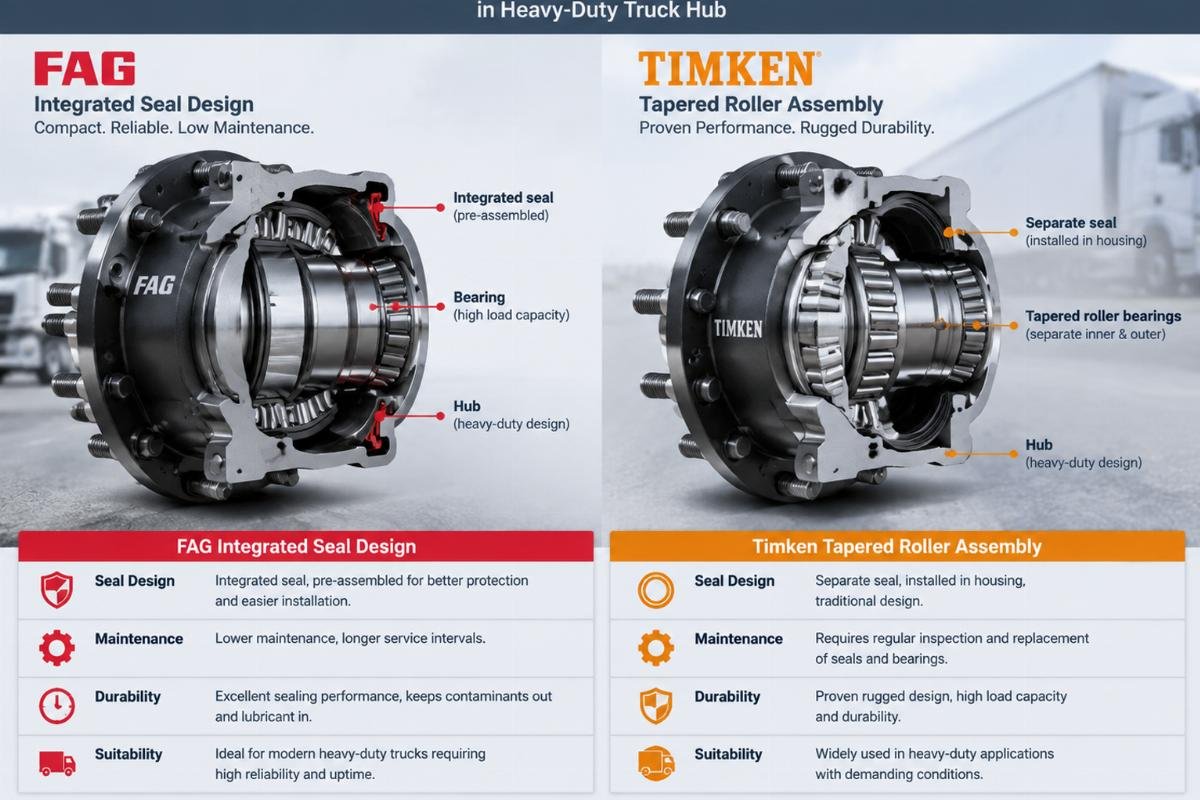
The core difference lies in their engineering heritage and primary application focus. Timken is historically renowned for its tapered roller bearings, which are designed to handle combined radial and axial loads effectively. This makes them a staple in heavy-duty truck axles where thrust loads are significant. FAG, part of the Schaeffler group, often emphasizes precision ball bearings and integrated unit designs with advanced sealing technologies.
When comparing FAG Timken wheel bearing comparison data, the distinction becomes clear in the sealing architecture. Timken kits often utilize separate seals and cones that require precise adjustment during installation. In contrast, many FAG wheel bearing kits come as pre-adjusted, sealed units. This design reduces the risk of human error during MRO replacements but may limit adjustability for specific custom axle setups.
| Feature | Timken Tapered Roller Kits | FAG Integrated Unit Kits |
|---|---|---|
| Load Handling | Excellent for combined radial and axial loads | Optimized for radial loads with moderate axial capacity |
| Sealing Design | Separate lip seals, requires careful installation | Integrated multi-lip seals, pre-assembled |
| Installation | Requires manual clearance adjustment | Pre-set clearance, plug-and-play |
| Maintenance | Periodic repacking and adjustment needed | Sealed for life or extended service intervals |
| Typical Application | Heavy truck drive axles, mining dumpers | Commercial trailer wheels, light-medium duty trucks |
A European transport operator once switched entirely to FAG kits for their trailer fleet to reduce maintenance downtime. The pre-sealed nature of the FAG units meant that mechanics could swap hubs faster without worrying about setting the correct end-play. However, when they attempted to use the same FAG units on the drive axles of their heavy tractors, they experienced premature wear. The drive axles generated higher axial thrust than the FAG ball-bearing-based kits were optimized for, whereas the Timken tapered rollers would have handled the thrust load more effectively. This mismatch highlights why a one-size-fits-all approach fails in heavy-duty applications.

Which Brand Suits Heavy-Duty Mining vs Commercial Fleets?
Selecting the right brand requires matching the bearing type to the operational environment. Mining operations involve extreme shock loads, dust, and moisture. Commercial fleets, on the other hand, prioritize fuel efficiency, highway speeds, and scheduled maintenance intervals.
For heavy-duty mining trucks, Timken tapered roller bearings are often the preferred choice. Their geometry allows them to support massive weight and resist the shock loads generated by uneven terrain. The ability to adjust clearance also means that maintenance teams can compensate for wear over time, extending the component’s life in harsh conditions.
Conversely, for commercial fleets operating on paved roads, FAG wheel bearing kits offer distinct advantages. The integrated sealing technology protects against water and road salt, which are common causes of corrosion in highway environments. The precision manufacturing of FAG units also contributes to lower rolling resistance, which can marginally improve fuel economy over long distances.
In a Southeast Asian MRO project, we helped a logistics company mix their inventory. They used Timken kits for their heavy dump trucks that carried ore on unpaved mine roads. For their long-haul semi-trailers running on highways, they switched to FAG kits. The result was a noticeable drop in failure rates for both segments. The dump trucks benefited from the robustness of Timken’s tapered design, while the trailers enjoyed the low-maintenance benefits of FAG’s sealed units. This strategic mixing optimized both performance and cost, proving that the best solution is often a hybrid approach.

What Are the Hidden Costs of Wrong Selection?
Many buyers assume that a lower unit price equals lower total cost. This is a dangerous misconception in the bearing industry. Premature failure leads to unplanned downtime, expensive towing, and potential damage to adjacent components like hubs and spindles. The true cost of a bearing is not its purchase price but its total cost of ownership (TCO).
Ignoring clearance specs is a primary cause of hub overheating and seizure. Bearings require specific internal clearance to accommodate thermal expansion during operation. If a bearing with insufficient clearance is installed in a high-temperature environment, the rolling elements will expand, creating excessive preload. This generates heat, which further expands the metal, leading to a thermal runaway condition that ends in catastrophic failure.
Consider the case of a Middle East construction firm. They sourced a batch of budget-friendly wheel bearing kits that did not specify the clearance class. In the desert heat, the bearings lacked the necessary C3 or C4 clearance to handle thermal expansion. Within weeks, multiple hubs seized, causing axle damage. The cost of replacing the axles and the lost revenue from idle trucks far exceeded the savings from buying cheaper bearings. This incident underscores the importance of verifying technical specifications, not just brand names.
Another hidden cost is labor. Timken tapered bearings require skilled technicians to set the correct preload. If the technician is inexperienced, the bearing may be too tight or too loose, both of which lead to early failure. FAG’s pre-adjusted units reduce this labor risk but may cost more upfront. Buyers must weigh the skill level of their maintenance team against the complexity of the bearing kit.

How to Source Genuine Mixed-Brand Kits Efficiently?
Sourcing genuine FAG and Timken wheel bearing kits requires vigilance. The aftermarket is flooded with counterfeit products that look identical to the real thing but lack the material quality and precision engineering. For MRO buyers and distributors, ensuring authenticity is paramount to maintaining trust with end-users.
Traceability is the key to verifying genuineness. Reputable suppliers provide documentation that tracks the bearing from the manufacturer to the buyer. This includes original packaging, batch numbers, and certificates of conformity. When consolidating orders for mixed-brand kits, it is essential to work with a supplier who has direct relationships with the manufacturers or authorized distributors.
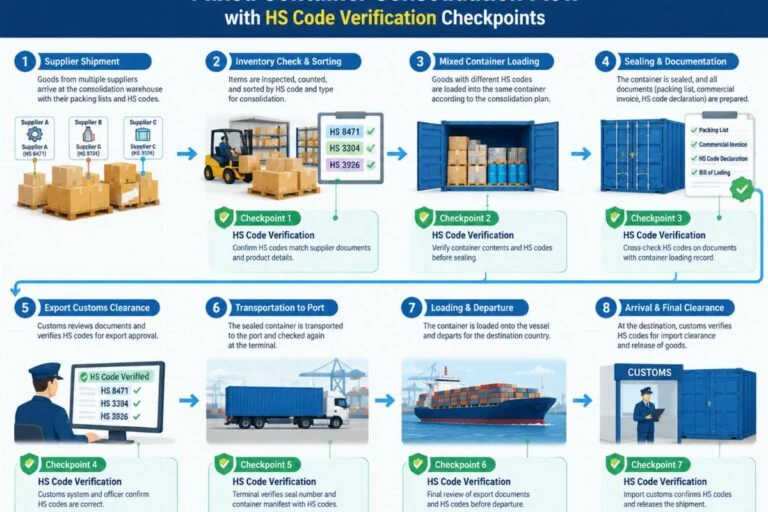
One effective strategy is to consolidate MOQs for MRO requirements. Instead of placing small, frequent orders for individual brands, buyers can partner with a global supplier who stocks both FAG and Timken products. This allows for mixed-container shipments, reducing shipping costs and simplifying inventory management. A professional global full-range bearing supplier can offer cross-brand consultation, helping buyers select the right mix of products for their specific needs.
For example, a Latin American distributor needed to stock bearings for various automotive and industrial applications. By working with a single supplier who offered both SKF, FAG, and Timken products, they were able to consolidate their orders into fewer shipments. This not only reduced logistics costs but also ensured that all products came with consistent documentation and quality assurance. The supplier’s ability to provide technical support for model selection further helped the distributor serve their customers more effectively.
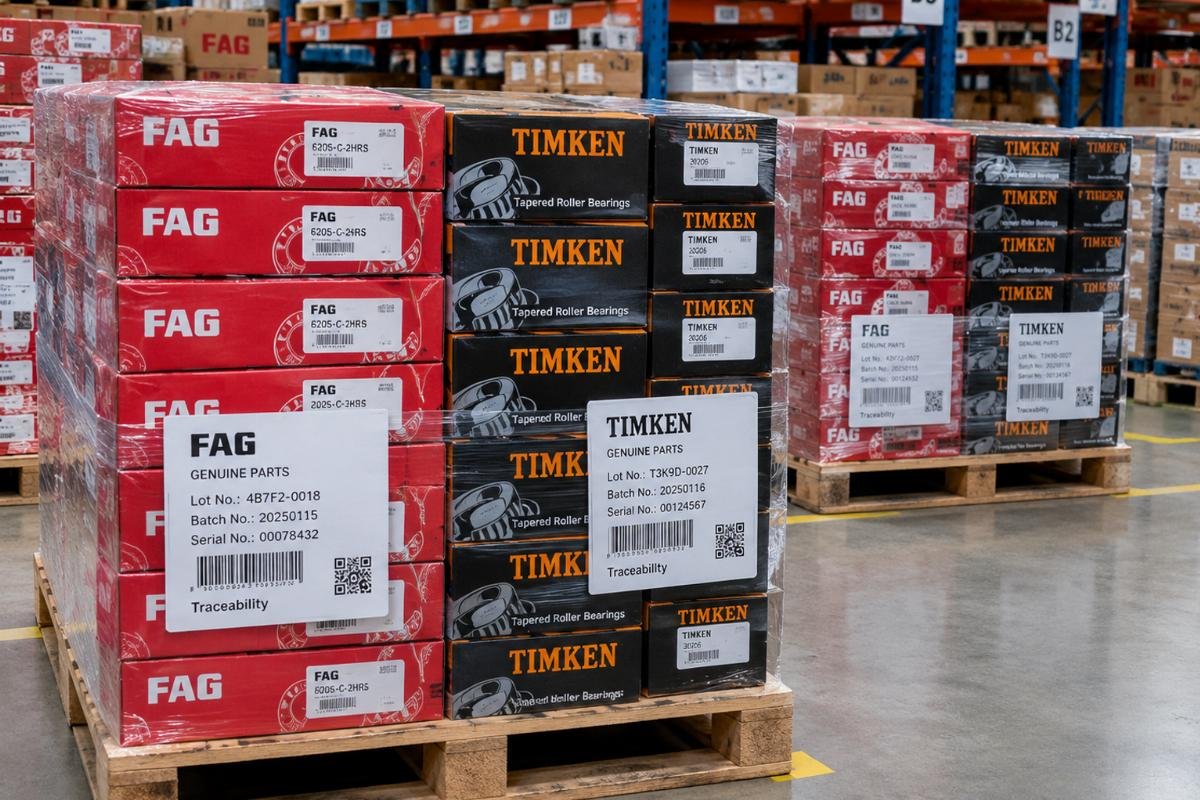
When evaluating suppliers, look for those who offer technical datasheets and cross-reference services. This ensures that you are getting the exact equivalent part number, even if the original brand is unavailable. Additionally, verify that the supplier has a robust quality control process in place, including visual inspection and dimensional verification. This extra layer of protection helps prevent counterfeit products from entering your supply chain.
Conclusion
Brand loyalty should never override technical suitability.
Selecting between FAG and Timken wheel bearing kits requires a deep understanding of load conditions, sealing requirements, and maintenance capabilities. Timken remains the go-to for heavy axial loads in mining and heavy transport, while FAG excels in providing low-maintenance, sealed solutions for commercial fleets. By focusing on total cost of ownership rather than unit price, and by sourcing from reputable suppliers who offer traceability and technical support, buyers can ensure reliable performance and minimize downtime. The right choice is not about which brand is better, but which brand is better for your specific application.