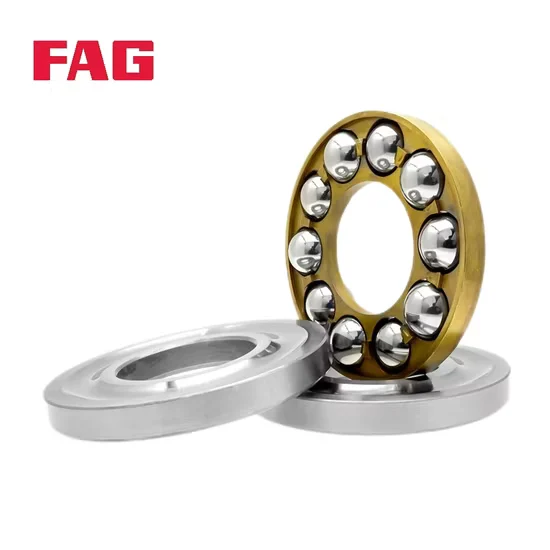


Product details
Description and application notes
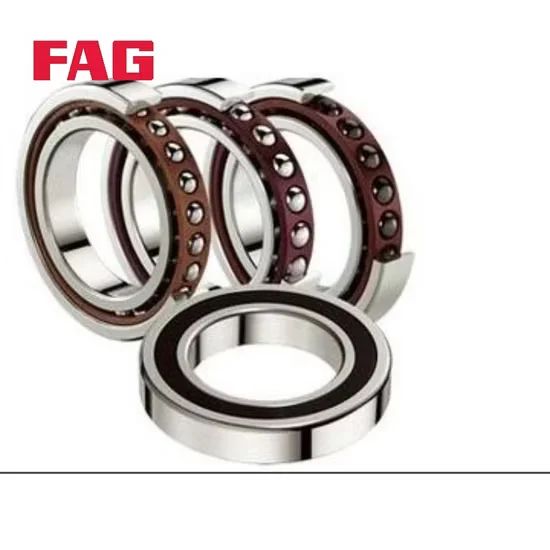
Batch-Level Traceability — Every 3302X FAG double row angular contact ball bearing shipped includes unbroken manufacturer lot documentation to guarantee genuine German engineering.
Technical Specifications
| Parameter | Value |
|---|---|
| Designation | 3302X FAG |
| Bearing Type | Double Row Angular Contact Ball Bearing |
| Contact Angle | α=30° (Bd Type) or α=45° (Da Type) |
| Cage Material | Polyamide (Tvh), Sheet Steel, or Brass (MP) options |
| Seal Type | Open, 2Z, or 2HRS configurations |
| Precision Class | P0, P6, or P5 |
| Material | Bearing Steel |
| Standards | DIN 628-3, ISO 15:2017 |
Application Suitability
| Industry | Typical Applications |
|---|---|
| Fluid Machinery | High-speed pump shafts and compressor rotors |
| Automation | Precision robotics joint actuators |
| Machine Tools | Main spindle assemblies requiring axial rigidity |
| Power Transmission | Industrial gearbox intermediate shafts |
Why Suffix Blind Spots Destroy High-Speed Pump Reliability
Assuming basic model numbers match your exact operational needs is a recipe for catastrophic thermal failure.
When sourcing a 3302X FAG double row angular contact ball bearing for high-speed fluid machinery, overlooking minor suffix variations in clearance or cage material leads to disastrous consequences. I once saw a German client's pump line halt entirely because a standard polyamide cage was installed where a brass alternative was mandated for elevated thermal loads. Premature cage fracture under continuous high-temperature operation causes unplanned downtime that far exceeds the initial component cost.
Matching the 3302X FAG Double Row Angular Contact Ball Bearing to Precision Spindles
Precision equipment demands absolute rotational accuracy and axial stiffness. The 3302X FAG double row angular contact ball bearing delivers this by functioning similarly to a matched pair of single-row bearings but in a more compact axial footprint. Our engineering team cross-references your specific spindle load profiles to ensure the selected contact angle and precision class perfectly align with your machining tolerances, eliminating vibration-induced surface finish defects.
Managing Thermal and Contamination Challenges in Gearboxes
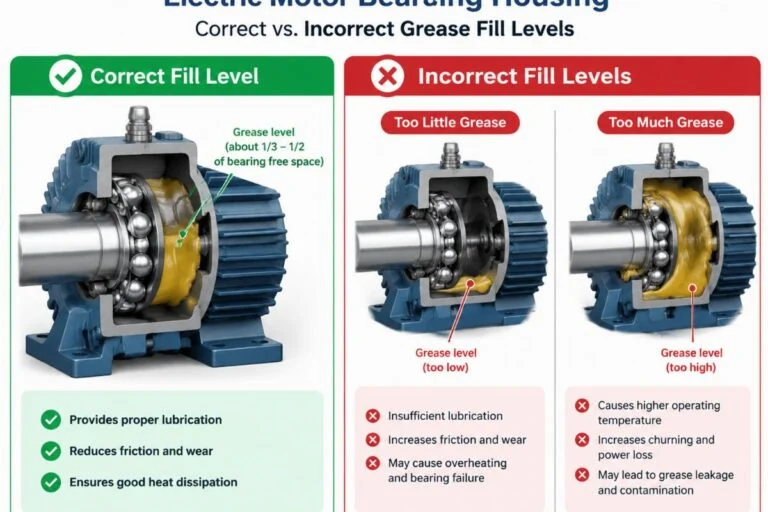
Industrial gearboxes subject bearings to combined radial and axial loads while generating significant internal heat. Selecting the correct internal clearance is critical; too tight, and thermal expansion will seize the rolling elements; too loose, and vibration accelerates fatigue. Furthermore, choosing between open, 2Z, or 2HRS seal types dictates how well the bearing resists gear oil contamination versus retaining its factory grease. Proper lubrication intervals must be established based on the specific cage material and operating speed to prevent starvation.
Decoding Cage Materials and Contact Angle Variants
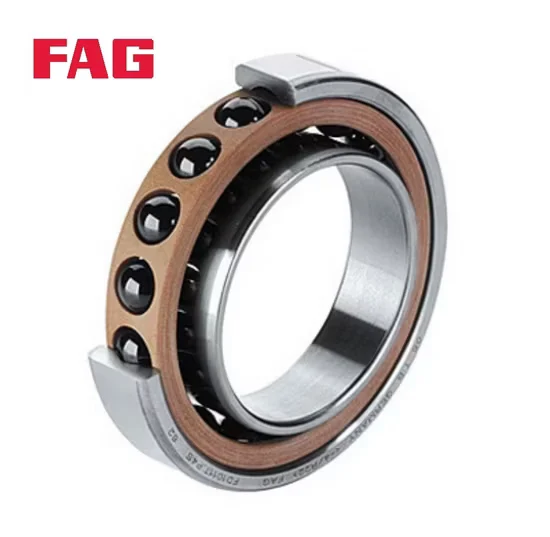
The performance envelope of this series depends heavily on internal component selection. Polyamide (Tvh) cages offer low friction and quiet operation, making them ideal for high-speed robotics, but they have strict thermal limits. Brass (MP) cages provide superior durability and heat dissipation for heavy-duty gearboxes, while sheet steel cages offer a balanced middle ground. Additionally, choosing between a 30° (Bd Type) or 45° (Da Type) contact angle directly alters the axial load capacity; a steeper angle handles heavier thrust loads but may reduce maximum permissible speeds.
The Hidden Financial Drain of Incorrect Clearance Selection
Installing a bearing with standard clearance in an application requiring C3 or C4 clearance inevitably leads to excessive preload once the system reaches operating temperature. This continuous overloading accelerates raceway spalling and rolling element fatigue, resulting in catastrophic damage to adjacent shaft components. According to industry failure analysis frameworks, a significant share of premature failures stems directly from ignoring the thermal expansion characteristics of the specific housing and shaft materials during the selection phase.
Securing Genuine Components in a Complex Supply Chain
Sourcing authentic bearings requires more than just matching a part number on a purchase order. We verify the exact suffix and seal configuration against official catalogs to prevent mismatched replacements that compromise machine integrity. Our inventory provides complete traceability documentation, ensuring every unit originates from the manufacturer's production facilities rather than unauthorized repackagers. We also offer cross-brand equivalent model consultation if lead times for specific German-origin batches require validated alternative solutions without sacrificing precision or load ratings.
Documentation & Authenticity
- Certificate of Conformity verifying genuine FAG origin and manufacturing batch.
- Official app QR code validation to confirm authenticity upon delivery.
- Dimensional and running accuracy inspection reports matching P0, P6, or P5 tolerances.
- Material test certificates confirming bearing steel composition and heat treatment.
Storage, Handling & Mounting
- Keep sealed 2HRS variants in original packaging until mounting to prevent grease degradation.
- Use clean, lint-free gloves when handling open or 2Z variants to avoid raceway corrosion from skin moisture.
- Apply induction heating for inner ring mounting to preserve the precise internal clearance of the double row design.
- Store brass (MP) cage variants in low-humidity environments to prevent oxidation on the cage surfaces.
Engineering Review for Your Next Procurement
To ensure optimal performance and longevity, please provide your specific radial and axial load profiles, operating speeds, and thermal conditions. Sharing your exact OEM equipment model numbers allows our technical team to perform a comprehensive cross-reference check and L10 life calculation. This data enables us to recommend the precise cage material, seal type, and clearance class required for your application.
Frequently Asked Questions
Q: How can I verify the authenticity and origin of the 3302X FAG double row angular contact ball bearing?
A: We provide comprehensive traceability documentation, including a Certificate of Conformity and batch numbers that can be verified using the manufacturer's official authentication app. This ensures the product originates from authorized facilities, protecting your equipment from the severe risks associated with counterfeit or mislabeled components in the MRO market.
Q: What does the unverified "X" suffix indicate in this specific bearing designation?
A: The "X" suffix in this designation is currently unverified and requires direct confirmation against the latest official manufacturer catalog. We strongly recommend cross-referencing this exact suffix with our engineering team before placing bulk orders to ensure it matches your specific clearance, cage, or dimensional requirements without causing installation issues.
Q: How do I choose between Polyamide (Tvh), Sheet Steel, and Brass (MP) cages?
A: Polyamide cages are ideal for high-speed, low-friction applications like robotics, provided temperatures remain within standard limits. Brass cages offer superior thermal conductivity and durability for heavy-load gearboxes, while sheet steel provides a reliable balance for general industrial pumps. Your selection must align with the specific operational speed and thermal profile of your machinery.
Q: What is the difference between the 30° and 45° contact angle options?
A: The 30° (Bd Type) contact angle provides an excellent balance for applications requiring high radial load capacity alongside moderate axial support, such as machine tool spindles. The 45° (Da Type) angle significantly increases axial rigidity and thrust load capacity, making it the preferred choice for heavy-duty compressors or gearboxes experiencing substantial unidirectional thrust forces.