Most buyers assume the carrier pays for transit damage; in reality, improper packaging voids the claim before it begins.
Freight claims on FAG shipments require strict adherence to packaging standards, precise Incoterms, and comprehensive insurance coverage rather than simply blaming the logistics provider. Success depends on distinguishing between manufacturing defects and transit-induced damage through rigorous documentation, joint survey reports, and pre-shipment verification of moisture protection and pallet integrity.
I still recall the humidity hitting my face at the port in Santos. A container of spherical roller bearings had arrived with visible rust on the outer rings. The buyer presented photos and the bill of lading, demanding full compensation including demurrage charges. I assumed the shipping line would cover it. They did not. The wooden crates lacked adequate moisture-proofing, and the fumigation certificate was missing a specific stamp required by local customs. That loss taught me that freight claims are not about who broke it, but who can prove they protected it.

Understanding the mechanics of Freight Claims on FAG Shipments transforms a potential financial disaster into a manageable administrative process. It shifts the focus from reactive anger to proactive compliance with international trade standards.
What triggers a freight claim on FAG bearings?
Distinguishing transit damage from manufacturing defects is the first critical step in any claim process.
Not all damage is created equal. A cracked inner ring might stem from a material flaw during production, while dented packaging suggests rough handling during loading. Insurers and carriers scrutinize this distinction closely. If the damage pattern aligns with poor stacking or impact, it is a transit issue. If the failure occurs internally without external signs, it may be a quality issue covered by the manufacturer’s warranty, not the freight insurance.
Moisture damage remains a prevalent issue, particularly for high-precision components. Rust on spherical roller bearings often results from inadequate crate moisture-proofing rather than sea water intrusion. Condensation forms inside containers when temperature fluctuations occur during ocean transit. Without Vapor Corrosion Inhibitor (VCI) paper or proper desiccants, the relative humidity inside the crate rises, leading to surface corrosion.
Hidden damage presents another challenge. Internal cracks or raceway spalling may only become apparent after unpacking and cleaning. This creates a conflict with standard claim windows, which often require notification within days of arrival. Buyers must balance thorough inspection with tight deadlines.
| Damage Type | Visual Indicators | Likely Cause | Claim Responsibility |
|---|---|---|---|
| Surface Rust | Orange/brown discoloration on rings | Poor moisture proofing/Condensation | Buyer/Shipper (Packaging fault) |
| Dented Packaging | Crushed wood or torn shrink wrap | Rough handling/Improper stacking | Carrier (If noted on B/L) |
| Internal Cracks | No external signs, failure under load | Manufacturing defect or hidden impact | Manufacturer or Carrier (Joint Survey) |
| Missing Items | Shortage against packing list | Pilferage or loading error | Carrier or Shipper |
A European wind farm operator once received a batch of cylindrical roller bearings with intact outer boxes but damaged seals. The carrier denied liability because the external packaging showed no signs of tampering. Only a joint survey revealed that the seals had been compromised due to vibration-induced friction during transit, a nuance that required technical expertise to prove.
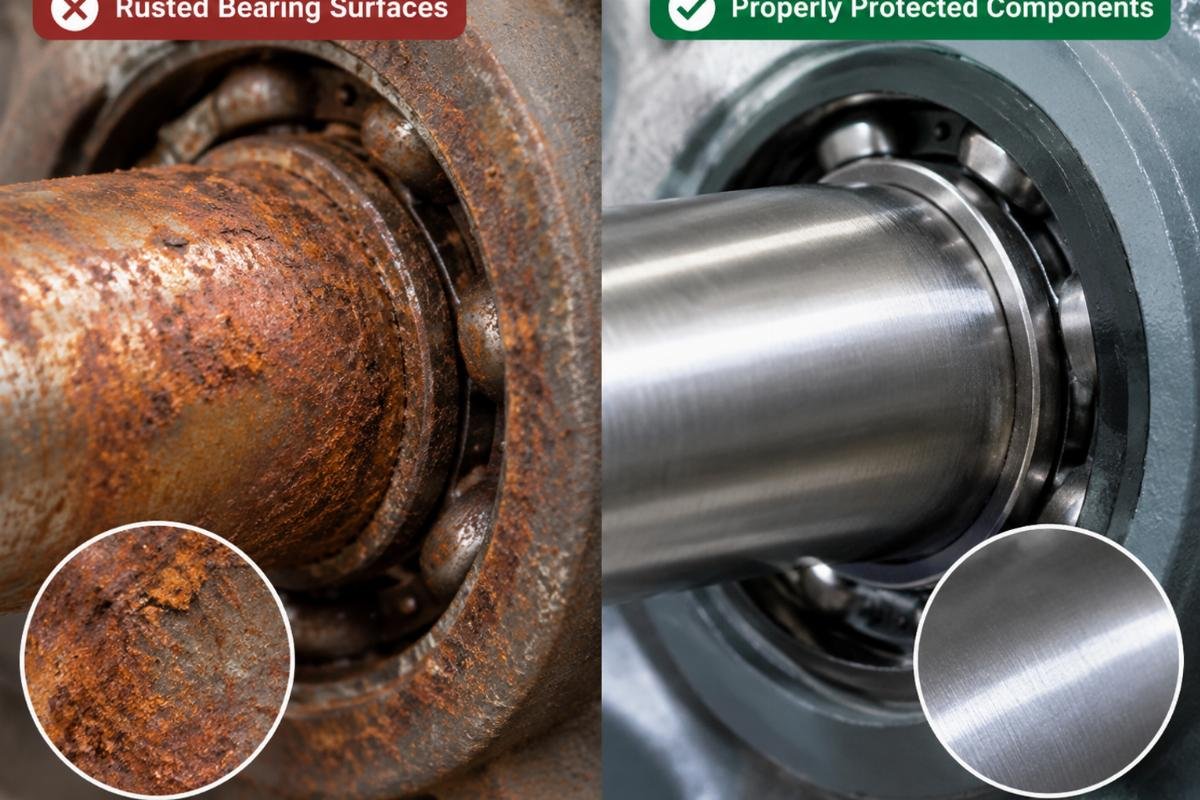
Identifying the root cause early prevents wasted effort on invalid claims. For Freight Claims on FAG Shipments, accurate diagnosis determines whether you approach the insurer, the carrier, or the supplier.
How do Incoterms dictate claim responsibility?
Risk transfers at different points under FOB and CIF terms, fundamentally altering who files the claim.
Many buyers believe that if they pay for shipping, they control the claim. Under Free On Board (FOB), risk transfers from seller to buyer once the goods pass the ship’s rail at the port of origin. If damage occurs during ocean transit, the buyer holds the insurable interest and must file the claim. However, if the damage resulted from poor loading at the origin port, the buyer may need to seek recourse from the seller, creating a complex legal loop.
Under Cost, Insurance, and Freight (CIF), the seller arranges and pays for insurance. Yet, the risk still transfers to the buyer at the port of origin. This means the buyer suffers the loss physically, but the seller holds the insurance policy. The buyer must rely on the seller to file the claim or obtain an endorsement transferring the policy rights. Misalignment here leads to delayed payouts and disputed liabilities.
The Institute Cargo Clauses further complicate this. Clause A offers all-risk coverage, while Clause C covers only major casualties like fire or stranding. A buyer purchasing under CIF with Clause C coverage may find their claim for wet damage rejected, as it is not a named peril. Understanding these clauses is vital before signing the proforma invoice.
Consider a case where a Middle East distributor purchased bearings under CIF terms. The goods arrived water-damaged. The insurer rejected the claim because the policy was Clause C, which excludes wet damage unless caused by a major maritime accident. The distributor had to absorb the loss because they had not negotiated Clause A coverage.
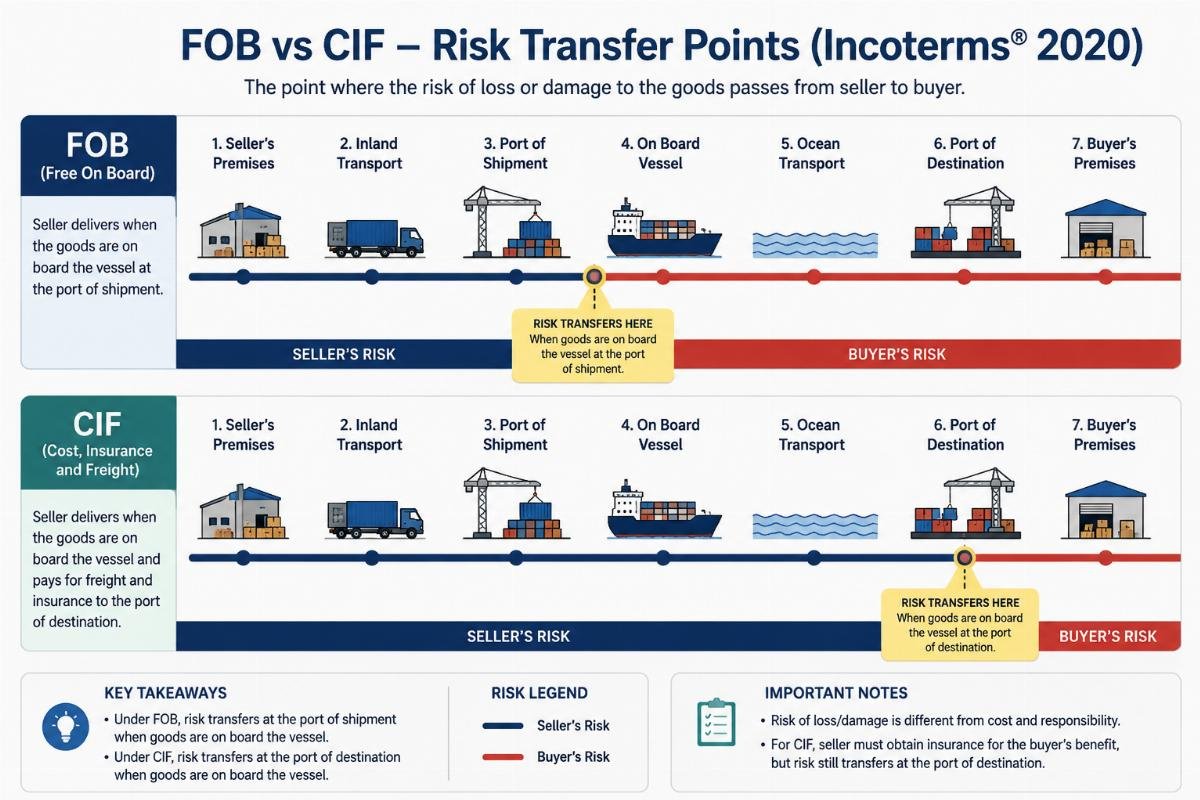
Clarity on Incoterms prevents surprises. When managing Freight Claims on FAG Shipments, knowing exactly when risk shifted ensures you approach the correct party with the right evidence.
What documentation is mandatory for a successful claim?
Bill of lading, survey reports, and commercial invoices are non-negotiable for claim validation.
Insurers do not accept arrival photos as sufficient proof. They require a chain of custody documentation that proves the goods were in good condition when shipped and damaged upon arrival. The bill of lading must be clean, meaning no remarks about damaged packaging were noted at the port of loading. If the carrier noted “crate broken” on the B/L, the claim becomes significantly easier to process. If the B/L is clean, the burden of proof shifts entirely to the consignee.
A joint survey report is often the most critical document. This report, conducted by an independent third-party surveyor appointed by both the insurer and the carrier, details the extent of the damage and its probable cause. Without this, insurers may argue that the damage occurred after delivery or due to improper unloading by the buyer.
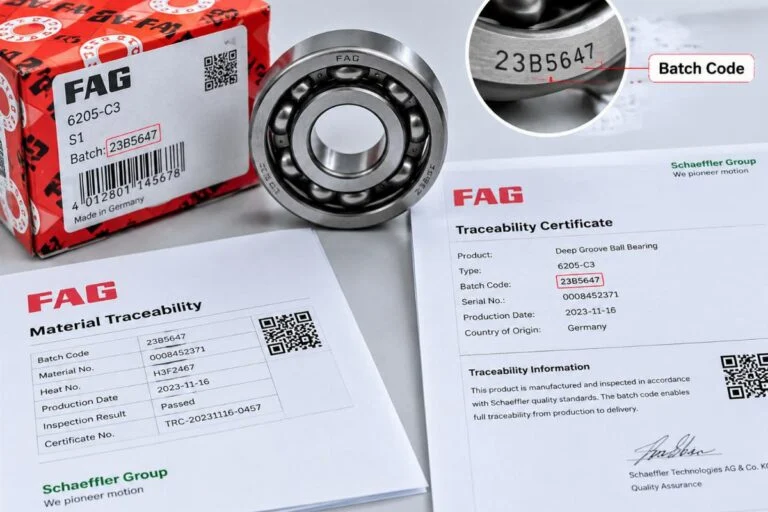
Commercial invoices and packing lists must match the physical goods exactly. Discrepancies in weight or item count can lead to accusations of fraud or pre-existing shortages. Photos should capture the container number, seal integrity, external packaging condition, and the internal state of the bearings before any cleaning or repair attempts.
A US buyer once filed a claim for missing bearings. The packing list showed ten boxes, but only eight arrived. The claim was denied because the buyer had signed the delivery receipt without noting the shortage. The carrier’s proof of delivery matched the signed receipt, overriding the buyer’s subsequent complaint.

Documentation discipline separates successful claims from rejected ones. For Freight Claims on FAG Shipments, every piece of paper must align perfectly with the physical reality of the cargo.
How to prevent claims before shipping?
Pre-shipment loading photos and proper wooden pallet fumigation mitigate risks at the source.
Prevention is far more cost-effective than litigation. Ensuring that wooden pallets and crates meet International Standards for Phytosanitary Measures (ISPM 15) is mandatory for many countries. Non-compliant wood can lead to customs delays, forced re-export, or destruction of the cargo, none of which are covered by standard freight insurance.
Moisture control is equally vital. Using VCI bags or desiccants inside the crate absorbs ambient humidity. Securing the bearings within the crate using foam inserts or custom-cut timber prevents movement during transit. Vibrations from the vessel engine can cause bearings to rub against each other or the crate walls, leading to brinelling or surface damage.
Taking photos during the loading process provides irrefutable evidence of the cargo’s condition at the point of risk transfer. These images should show the placement of goods, the securing methods, and the condition of the container interior. This practice protects both the seller and the buyer in case of disputes.
Our team integrates pre-shipment inspection services to ensure FAG packaging meets marine transit standards. We verify crate integrity, moisture protection, and labeling accuracy before the container doors close. This one-stop global shipping consolidation approach minimizes the variables that lead to claims.

Proactive measures reduce the likelihood of damage. When handling Freight Claims on FAG Shipments, the best strategy is to ensure the claim never needs to be filed.
Conclusion
Freight claims are won or lost on preparation, not argument.
Success requires strict adherence to packaging standards, clear understanding of Incoterms, and meticulous documentation. By focusing on prevention through proper moisture control and verified loading practices, buyers and suppliers can minimize disputes and ensure the smooth delivery of critical industrial components.