A Prop 65 warning label does not mean the bearing is defective.
Genuine FAG bearings imported into California require Proposition 65 warning labels if their standard lubricants or metal alloys contain listed chemicals above safe harbor limits. Compliance hinges on strict document-to-physical consistency, where packing lists, batch numbers, and gross weights must align perfectly with the labeled cartons to prevent customs holds and counterfeit suspicions.
The smell of stale grease and the hum of forklifts in a bonded warehouse are familiar sights, but the silence of a container stuck at customs is deafening. I recall a shipment bound for Jebel Ali that wasn’t held for tariffs, but for discrepancy. The bill of lading showed a gross weight that differed from the actual scale reading by a mere few kilograms, and the outer carton markings lacked the specific batch numbers requested by the buyer. The port authorities suspected intellectual property infringement rather than simple clerical error. The cargo sat for weeks, accruing demurrage charges that dwarfed the profit margin of the entire order. That incident reshaped how I view documentation. For industrial components like bearings, the paper trail is not administrative overhead; it is the physical key to clearance. When sourcing FAG bearings wholesale, understanding the intersection of chemical compliance and logistical precision is non-negotiable.
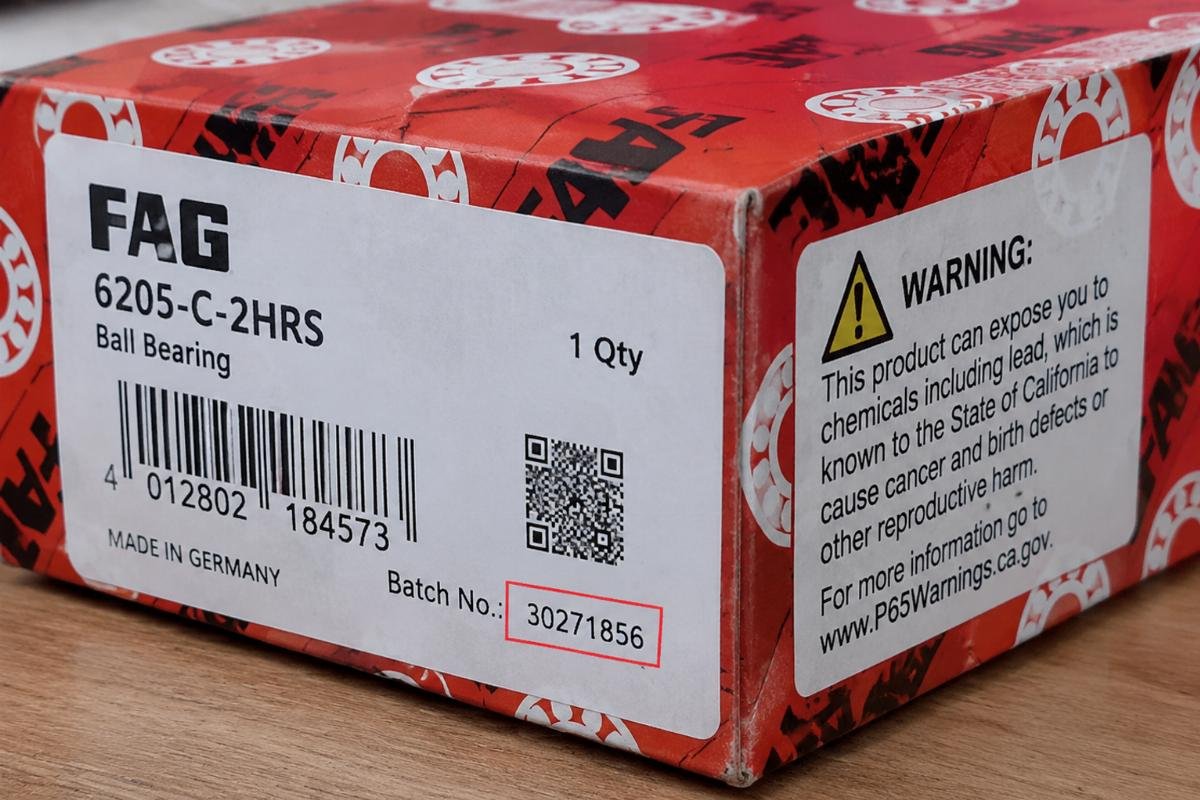
Navigating the complexities of global trade requires more than just finding a supplier; it demands a partner who understands that a single mismatched digit can halt production lines across continents. This guide addresses the critical compliance and sourcing questions for distributors and MRO buyers importing genuine FAG products.
Do Genuine FAG Bearings Require Prop 65 Labels?
Yes, most genuine FAG bearings require a Proposition 65 warning label when sold in California, primarily due to the chemical composition of standard industrial greases and metal alloys.
Many buyers mistakenly interpret the presence of a Prop 65 label as an admission of toxicity or a sign of substandard quality. In reality, it is a disclosure mandate enforced by the State of California’s Office of Environmental Health Hazard Assessment (OEHHA). The regulation requires businesses to provide warnings about significant exposures to chemicals known to cause cancer, birth defects, or other reproductive harm.
Standard lubricants used in high-performance bearings often contain trace amounts of heavy metals or compounds that fall under this listing. For instance, certain extreme-pressure additives or the base metal alloys themselves may trigger the threshold. The label serves as a notice to the end-user, allowing them to make informed decisions about handling and disposal. It is not a defect indicator. A genuine FAG bearing with a proper Prop 65 label is fully compliant and safe for its intended industrial application.
The risk arises when importers assume that because a product is “German-engineered” or “premium grade,” it is exempt from local chemical disclosure laws. This assumption leads to unlabeled cartons arriving at US ports. Customs brokers, increasingly vigilant about chemical compliance, may flag these shipments for inspection. The delay is not just about applying a sticker post-arrival; it is about proving that the product inside matches the regulatory expectations of the destination market.

For a FAG bearings wholesale supplier, ensuring that every carton destined for California bears the correct, legible warning is a basic quality control step. It signals to the buyer that the supplier understands the legal landscape of the target market. Without this label, even authentic products can be treated as non-compliant goods, leading to rejection by retailers or industrial end-users who strictly adhere to state regulations.
How to Ensure Label and Document Consistency for Customs?
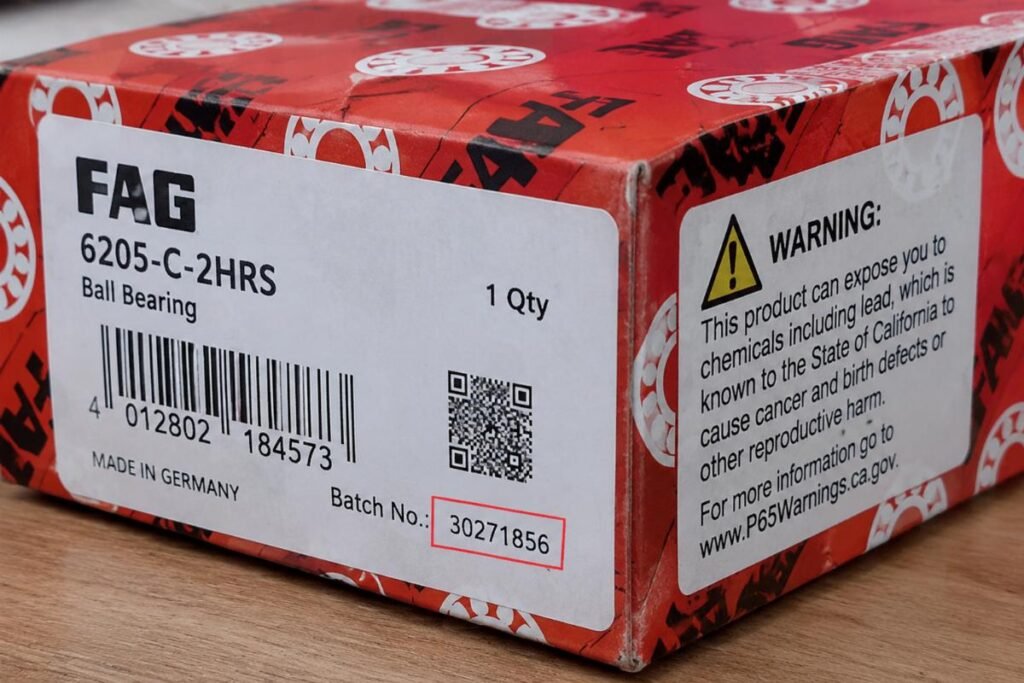
Master cartons must display exact Prop 65 warnings and batch identifiers that match the packing list and commercial invoice to prevent suspicions of counterfeiting.
Customs officials do not just check for the presence of a label; they check for consistency. A common pitfall in mixed-brand container consolidation is the mismatch between the physical goods and the paperwork. If the commercial invoice lists a specific batch number for a set of FAG spherical roller bearings, but the outer cartons lack that corresponding batch code or display a generic label, red flags are raised.
I have seen shipments where the Prop 65 label was present but placed on an inner polybag rather than the master carton. While technically visible upon unpacking, this violates the requirement for “clear and reasonable” warnings at the point of sale or delivery. More critically, if the weight declared on the bill of lading does not align with the actual gross weight of the labeled cartons, inspectors may suspect that the contents have been swapped for counterfeit alternatives. Counterfeit bearings often differ in weight due to inferior steel density or lack of proper internal components.
To avoid this, the documentation chain must be unbroken. The packing list should reference the specific SKU and batch number. The physical cartons must bear labels that reflect these exact details. Any deviation, no matter how minor, invites scrutiny. For example, if a container holds both FAG and other brand bearings, each brand’s cartons must carry their respective compliance labels. Blending them without distinction can lead to a blanket compliance failure, where the entire container is held because one segment lacks proper identification.
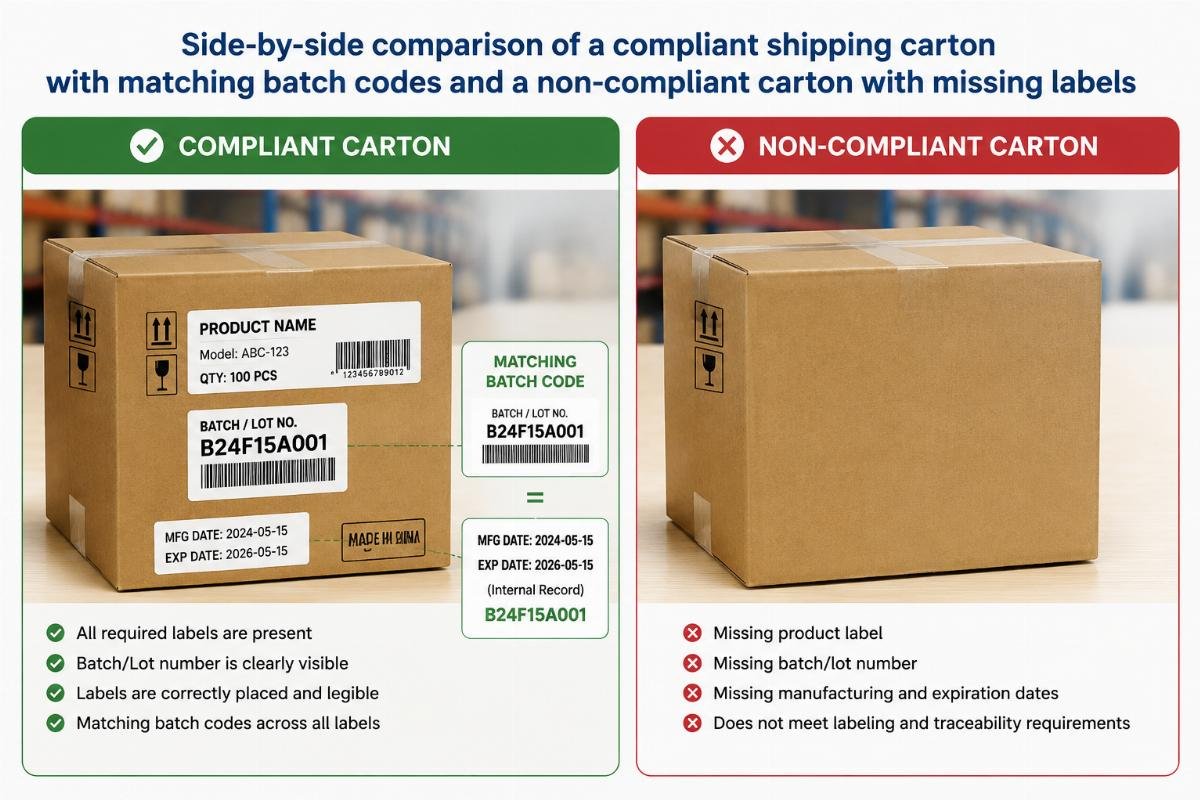
The solution lies in rigorous pre-shipment verification. Before the container doors are sealed, every pallet should be audited for label accuracy. The batch numbers on the FAG bearing boxes must correspond exactly to the mill certificates provided. This level of detail reassures customs agents that the shipment is legitimate and compliant, reducing the likelihood of invasive inspections that can damage packaging and delay delivery.
What Traceability Documents Are Needed for FAG Products?
Original mill certificates, exact batch numbers, and strict gross/net weight alignment are mandatory for smooth customs clearance and authenticity verification.
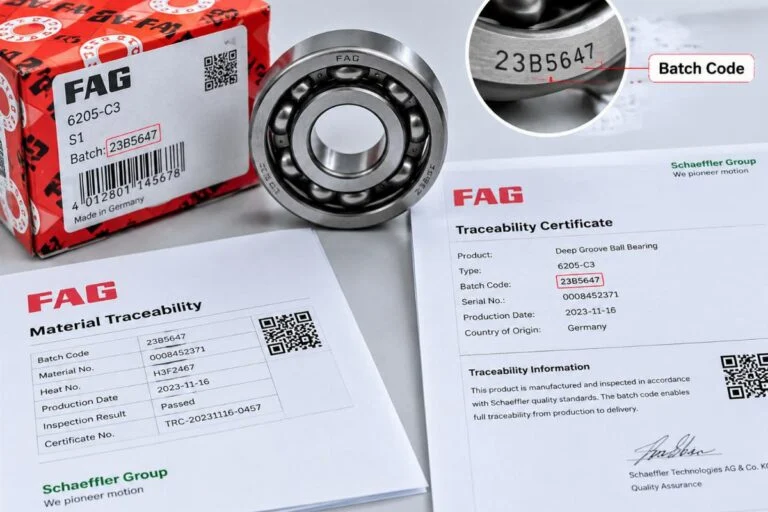
Traceability is the backbone of trust in the bearing industry. When importing FAG products, buyers require more than just a commercial invoice. They need proof that the bearings are genuine and have been handled correctly throughout the supply chain. The primary document is the original mill certificate, which details the material composition, heat treatment, and precision class of the bearings.
This certificate must link directly to the batch number printed on the bearing packaging. If the batch number on the certificate does not match the box, the document is useless. Furthermore, the gross and net weights listed on the packing list must align with the actual physical weight of the shipment. A significant deviation suggests either poor record-keeping or potential tampering. In my experience, even a small discrepancy can trigger a full container inspection, as it mimics the patterns seen in counterfeit operations where lighter, inferior materials are used.
Additional documents may include certificates of origin and insurance papers, but the mill certificate and weight verification are the most critical for technical buyers. Industrial OEMs and MRO operators use these documents to validate the integrity of the components before installing them in critical machinery. Without them, the bearings are considered unverified, regardless of their visual appearance.
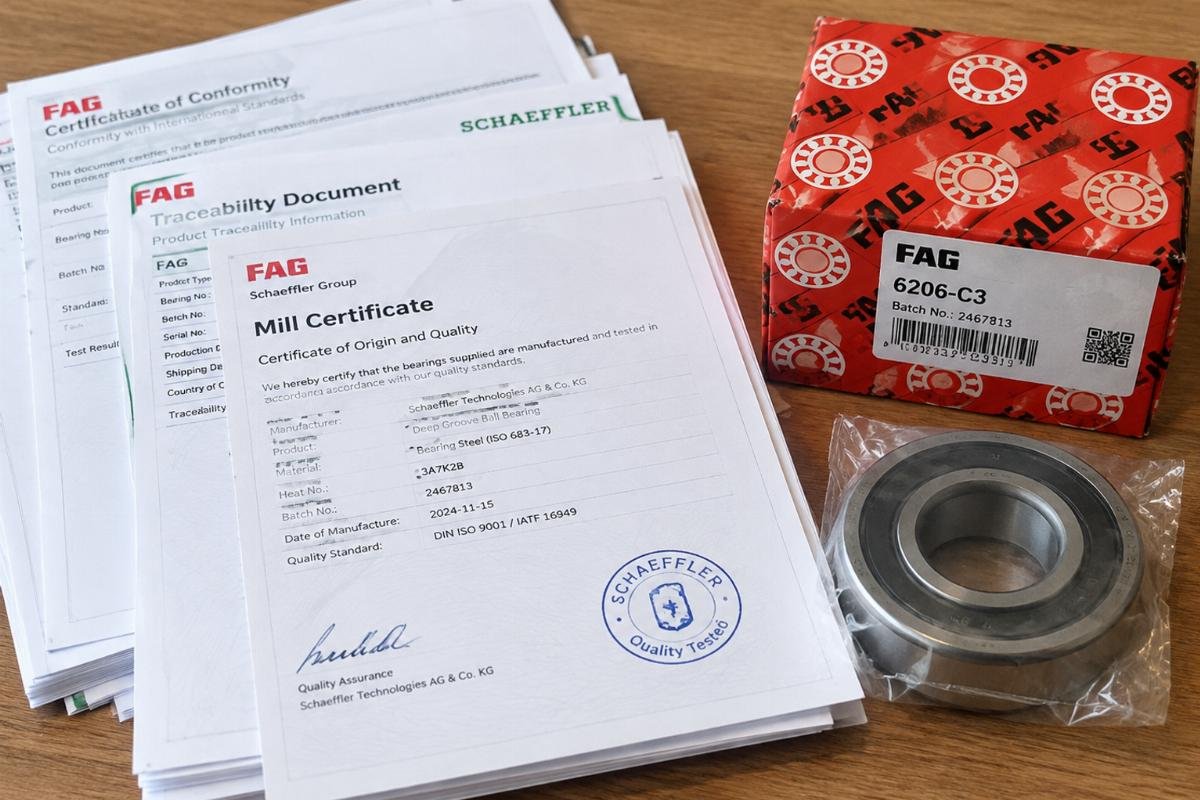
For a FAG bearings wholesale supplier, maintaining a robust archive of these documents is essential. Each shipment should be accompanied by a complete set of traceability files that can be presented to customs or end-users upon request. This transparency not only facilitates smoother clearance but also builds long-term confidence with buyers who rely on consistent quality for their operations.
How to Handle Prop 65 in Mixed-Brand Container Shipments?
Segregate SKUs by lubricant type and apply specific Prop 65 labels to FAG cartons to avoid blanket compliance failures.
Consolidating multiple brands into a single container is a cost-effective strategy for distributors, but it complicates compliance. Different brands use different lubricants and materials, meaning their Prop 65 requirements may vary. Some may require a warning for lead, while others may trigger a warning for a different compound. Applying a generic label to all cartons is insufficient and potentially misleading.
The best practice is to segregate SKUs based on their chemical compliance needs. FAG bearings should be grouped together, and their cartons should bear the specific Prop 65 warning relevant to their formulation. This segregation ensures that if an inspection occurs, the compliance status of each brand can be verified independently. It prevents a situation where a non-compliant label on one brand jeopardizes the entire shipment.
Moreover, mixed-container shipments require careful planning of the packing list. Each brand’s items should be clearly delineated, with their respective batch numbers and compliance notes. This clarity helps customs agents process the shipment efficiently, as they can quickly identify which parts of the container correspond to which regulatory requirements.
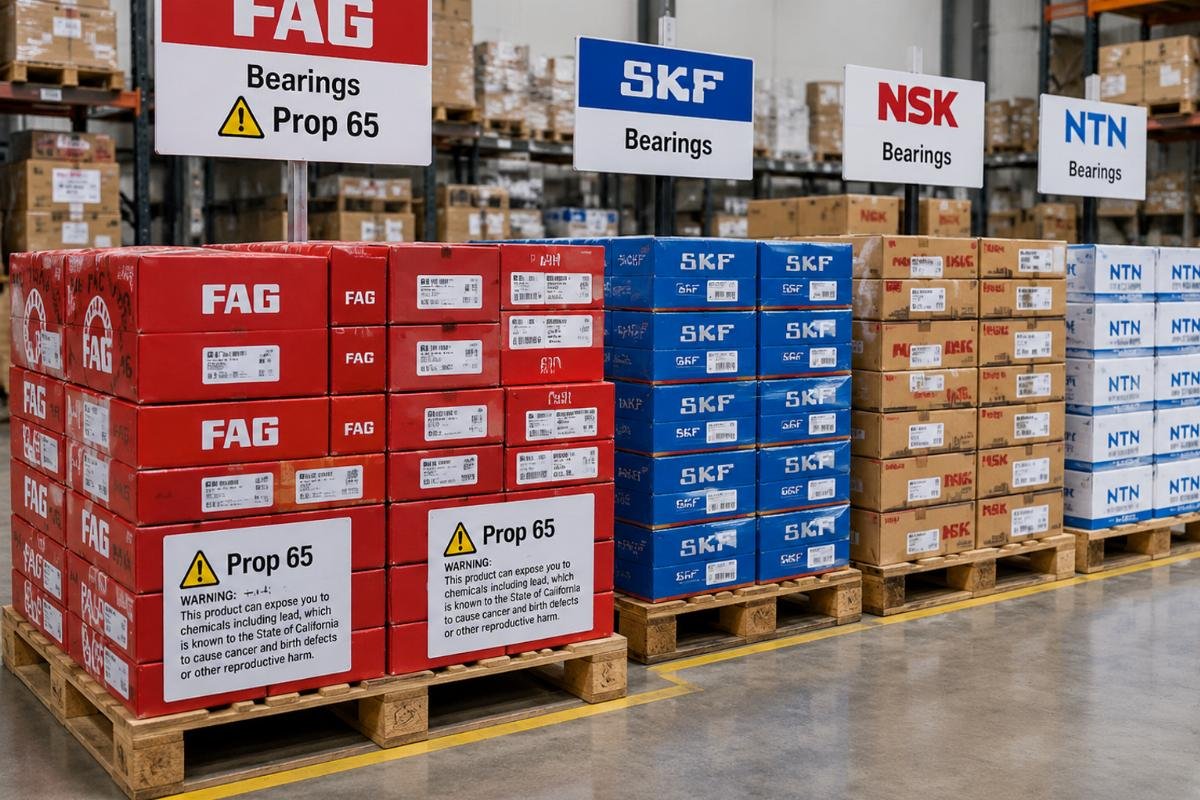
By treating each brand’s compliance as a separate entity within the consolidated shipment, importers can mitigate risk. This approach requires attention to detail during the packing phase, but it pays off in reduced clearance times and fewer disputes with regulatory bodies. For a FAG bearings wholesale supplier, offering this level of organized consolidation is a significant value-add for buyers managing diverse inventory needs.
Conclusion
Compliance is not a barrier; it is a blueprint for reliable sourcing.
Importing genuine FAG bearings into regulated markets like California demands more than just financial transaction; it requires meticulous attention to chemical labeling and document consistency. By ensuring that Prop 65 warnings are accurately applied and that traceability documents align perfectly with physical goods, buyers can avoid costly delays and maintain the integrity of their supply chains. Trust is built on the precision of these details, turning potential regulatory hurdles into seamless operational successes.