Most procurement teams believe a successful EDI transmission means the order is processed. They are wrong.
Successful PunchOut and EDI integration for FAG bearing orders relies on precise data dictionary mapping and packaging unit alignment, not just transmitting messages. If your ERP sends a purchase order but the underlying material codes or unit of measure definitions do not match the supplier’s master data, the transaction will fail at the auto-receiving stage, causing warehouse bottlenecks and manual intervention delays. This guide details how to align these critical data points to ensure seamless automation for industrial bearing procurement.
I learned this the hard way while coordinating with a mining client in Indonesia who attempted to integrate FAG bearings into their PunchOut system. The EDI messages appeared to transmit successfully, yet the goods sat idle at the port because the local receiving system could not map the incoming material codes to their internal inventory records. The packaging units were also misaligned, leading to significant quantity variances that triggered automatic rejection protocols. It was not a network issue; it was a data semantics failure.
Understanding the technical nuances of PunchOut and EDI for FAG Bearing Orders is essential for any MRO or OEM procurement manager aiming to reduce administrative overhead and prevent costly receiving errors.
What are the core requirements for PunchOut catalog setup for FAG bearings?
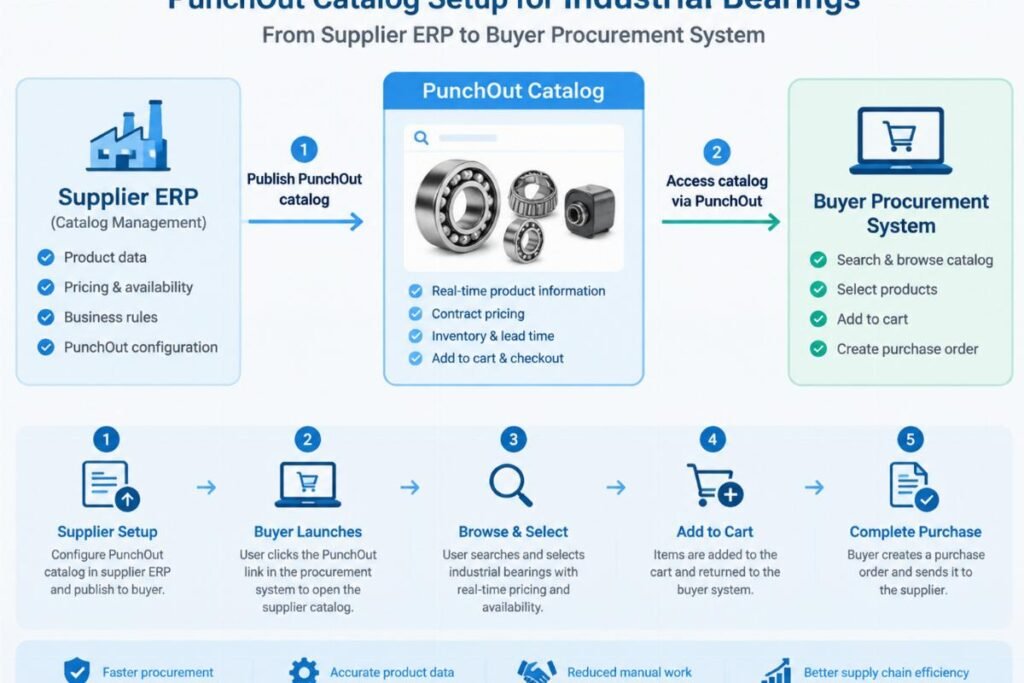
A functional PunchOut catalog requires exact material code and packaging unit mapping between the buyer’s ERP and the supplier’s database.
Many organizations assume that loading a standard PDF catalog into a PunchOut interface is sufficient. However, for industrial components like bearings, the digital handshake must include granular detail beyond part numbers. The primary requirement is the synchronization of the Global Trade Item Number (GTIN) or the manufacturer’s specific material code with the buyer’s internal SKU structure. Without this one-to-one mapping, the PunchOut session may allow item selection, but the subsequent cart transfer will generate errors upon return to the requisitioning system.
Another critical requirement is the definition of packaging units. FAG bearings are often supplied in various pack sizes, from single units to bulk boxes or pallets. The PunchOut catalog must clearly distinguish between the “each” price and the “pack” price, ensuring that the unit of measure (UOM) transmitted in the EDI message matches what the warehouse expects to receive.
Consider a scenario where a procurement specialist selects a spherical roller bearing listed as “1 box” in the PunchOut catalog. If the supplier’s system defines “1 box” as 10 units, but the buyer’s ERP interprets the UOM as “1 each,” the resulting purchase order will request only one bearing instead of ten. This discrepancy leads to partial shipments, invoice mismatches, and production delays. To avoid this, the catalog setup must include explicit metadata regarding pack quantities and weight dimensions.
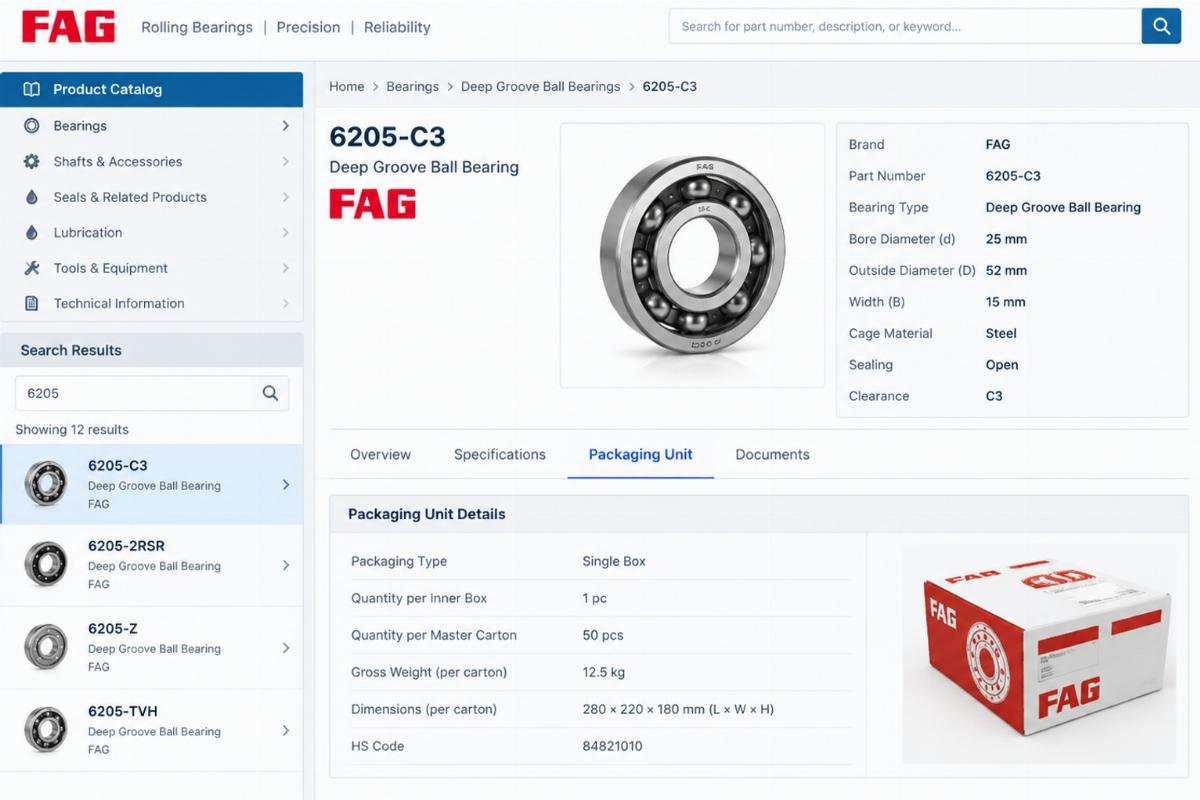
When implementing PunchOut and EDI for FAG Bearing Orders, verify that your supplier provides a cXML or OCI-compliant catalog feed that includes these detailed attributes. This ensures that the data flowing into your system is structured correctly from the start, minimizing the need for post-order corrections.
Why do EDI messages fail even when transmitted successfully?
Underlying data dictionary mismatches cause auto-receiving rejections, even if the EDI envelope is technically valid.
It is a counter-intuitive reality of automated procurement: faster system processing amplifies errors if the mapping is flawed. An EDI message, such as an ANSI X12 850 Purchase Order, can pass all syntactic validation checks and be acknowledged by the supplier’s server. Yet, when the supplier attempts to process the order internally, their system may reject line items due to unrecognized material codes or incompatible date formats.
The root cause is often an unaligned data dictionary. For instance, a buyer’s system might use a shortened version of a FAG part number, while the supplier’s system requires the full alphanumeric string including suffixes for clearance or cage type. If these fields are not mapped correctly in the translation software, the order falls into an exception queue requiring manual review.
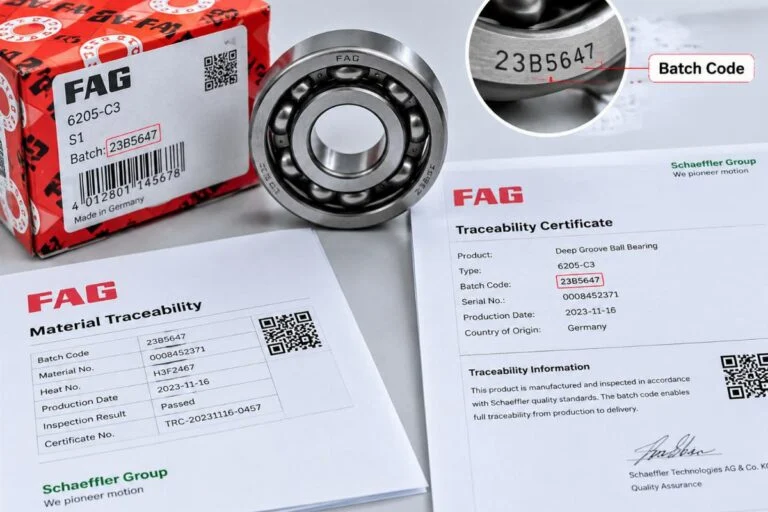
A European wind farm operator experienced this issue when integrating their maintenance management system with a global bearing distributor. The EDI transmissions were confirmed as delivered, but the warehouse team reported that incoming shipments did not match the digital records. Upon investigation, it was discovered that the batch numbers and manufacturing dates were not being passed through the EDI map correctly. This lack of traceability data prevented the operator from completing their quality assurance checks, forcing them to revert to manual paper-based receiving for several weeks.
To mitigate this risk, procurement teams must conduct end-to-end testing that includes not just the transmission of the order, but also the generation of the advance shipping notice (ASN) and the subsequent invoice. Ensure that all critical fields, such as country of origin and certificate of conformity references, are included in the EDI map.
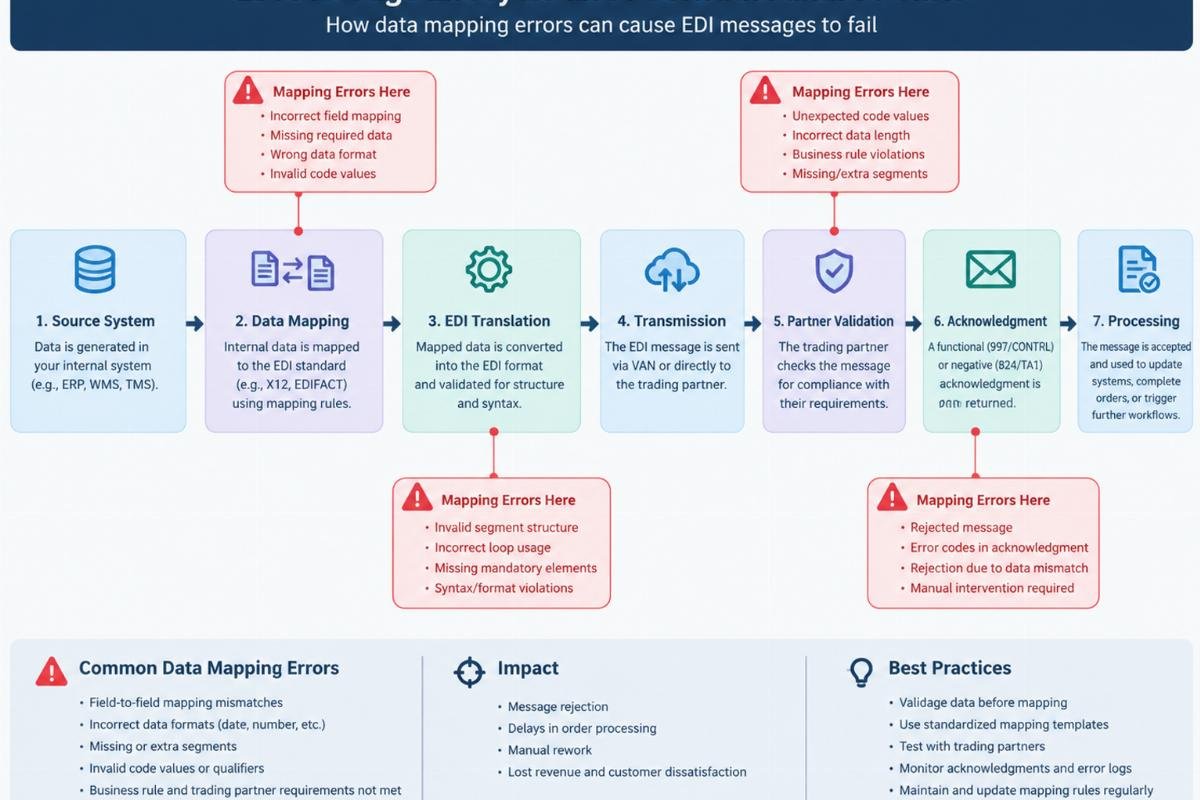
Robust PunchOut and EDI for FAG Bearing Orders integration demands rigorous validation of the data dictionary. Engage with your supplier’s technical team to review the mapping specifications before going live, ensuring that every field in your purchase order corresponds accurately to their order entry system.
How to handle cross-brand equivalents in automated procurement systems?
Pre-mapped technical selection support prevents catalog gaps and ensures continuity of supply.
In many MRO scenarios, specific FAG bearing models may be discontinued or have extended lead times. Procurement systems often struggle to handle substitutions automatically because the part numbers differ significantly across brands. A direct replacement from another premium brand like SKF or NSK will have a different code, which the buyer’s ERP will not recognize as equivalent without prior mapping.
Handling this in an automated environment requires a cross-reference lookup logic embedded within the procurement platform or managed by the supplier. Instead of leaving the buyer to manually search for alternatives, the supplier should provide a validated list of equivalent models that are pre-approved for technical compatibility. This allows the PunchOut catalog to display alternative options directly, or for the EDI system to accept substitution codes based on predefined rules.
For example, a heavy-equipment OEM in Latin America faced a shortage of a specific cylindrical roller bearing used in their gearbox assembly. Their automated system flagged the item as unavailable, halting the production schedule. By leveraging a supplier with cross-brand technical support, they were able to identify a functionally equivalent model from another reputable manufacturer. The supplier had already mapped this equivalence in their system, allowing the OEM to update their bill of materials and continue ordering via EDI without disrupting their workflow.
This approach requires trust and technical expertise. The supplier must verify that the equivalent bearing meets the same load ratings, speed limits, and dimensional tolerances as the original FAG specification. This verification process should be documented and accessible to the buyer for audit purposes.
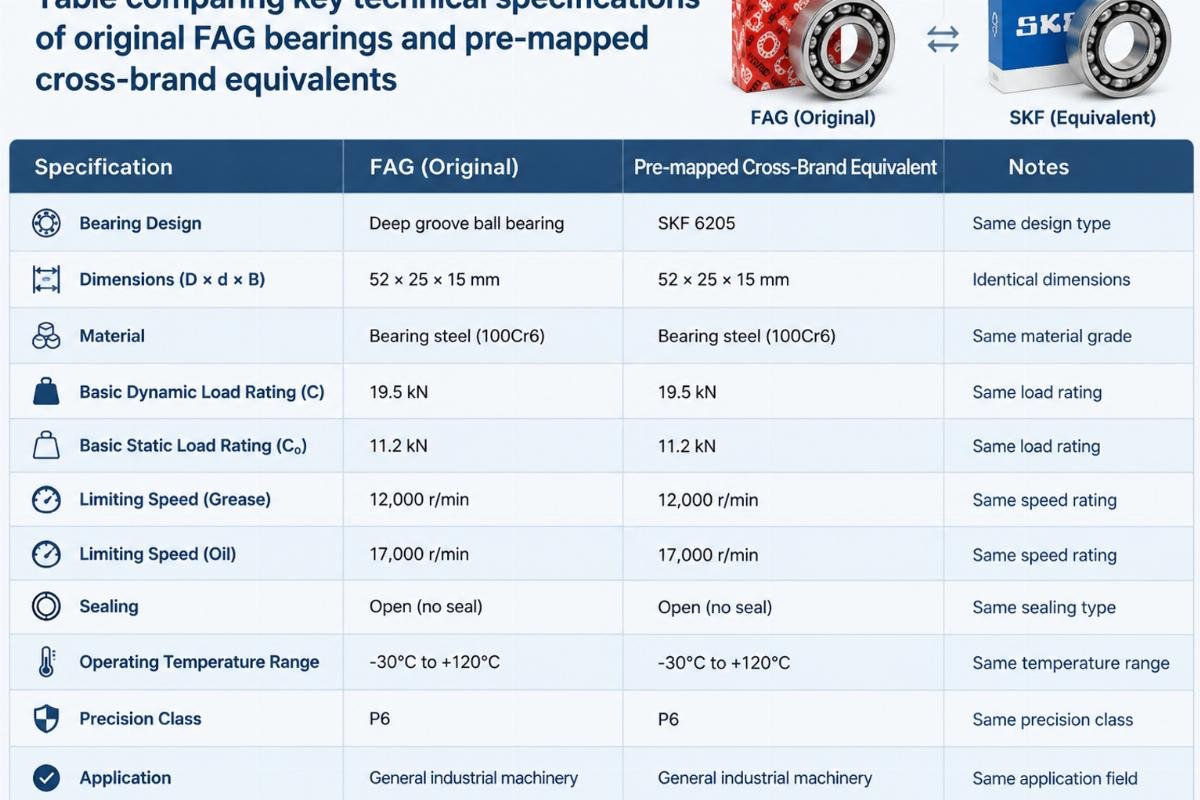
Integrating PunchOut and EDI for FAG Bearing Orders with a supplier who offers comprehensive cross-brand consultation ensures that your automated procurement system remains resilient against supply chain disruptions. It transforms a potential stockout into a seamless substitution process.
What documentation is needed for seamless EDI integration?
Complete traceability and ISO-compliant quality docs must align with system fields to avoid customs and QA delays.
Beyond the transactional data of price and quantity, industrial bearing purchases require extensive documentation for compliance and quality assurance. This includes certificates of origin, material test reports, and proof of authenticity. In an automated EDI environment, these documents must be linked to the specific shipment and line items digitally.
If the EDI message does not include references to these documents, or if the file formats are not compatible with the buyer’s document management system, the goods may be held at customs or rejected by the quality control team. For industries such as mining and energy, where equipment failure can have severe safety implications, the availability of traceability data is non-negotiable.
A Middle East steel mill encountered this challenge when importing a large consignment of tapered roller bearings. The EDI ASN arrived, but the associated quality certificates were sent via separate email attachments, unlinked to the specific batch numbers in the system. This disconnect forced the quality team to manually match papers to physical goods, delaying the release of the bearings to the production floor by several days.
To prevent such bottlenecks, ensure that your EDI integration supports the attachment or linking of digital documents. Standards like EDIFACT allow for the inclusion of document references, which can be used to retrieve files from a secure portal. Your supplier should be capable of generating these documents automatically upon shipment creation and embedding the links or references directly into the EDI message.
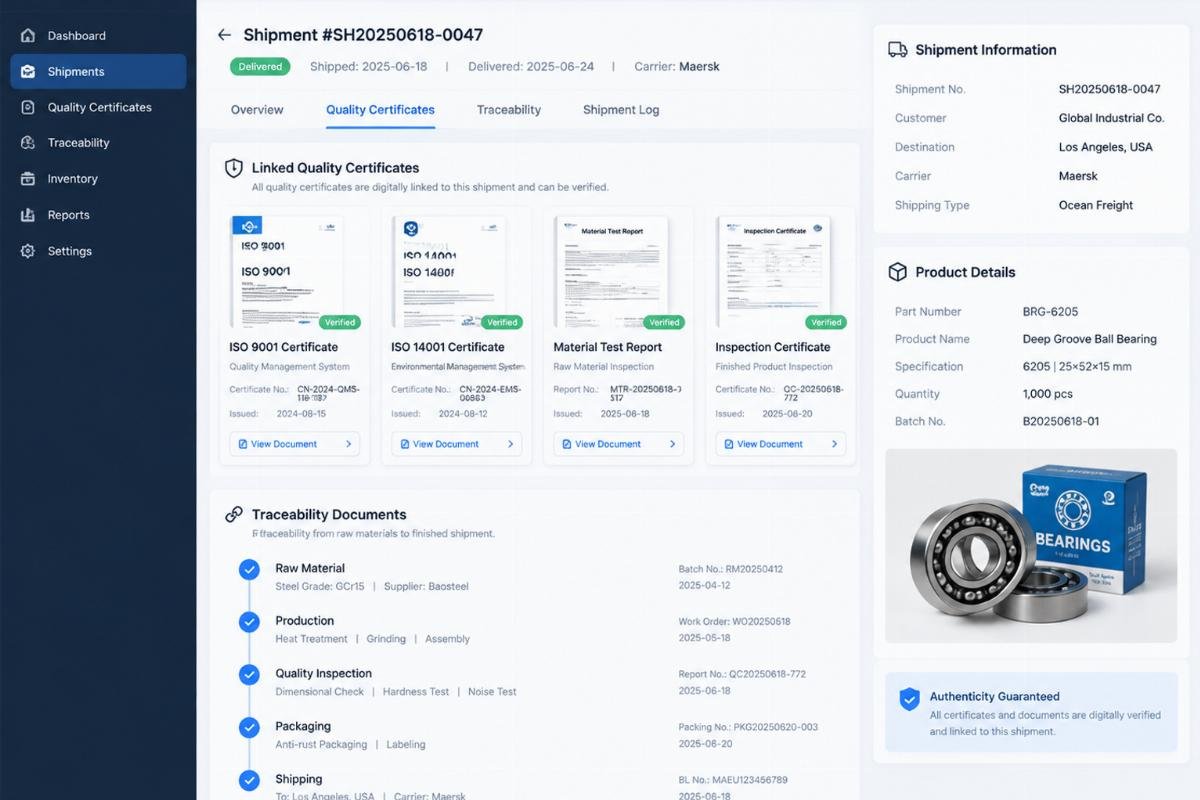
Seamless PunchOut and EDI for FAG Bearing Orders integration extends beyond the order itself to encompass the entire lifecycle of the transaction, including the digital delivery of compliance documentation. This holistic approach ensures that your procurement process is not only efficient but also compliant with international standards.
Conclusion
Data alignment is the foundation of automated procurement success.
Integrating PunchOut and EDI for FAG Bearing Orders requires more than just technical connectivity; it demands precise synchronization of material codes, packaging units, and documentation. By addressing these underlying data challenges, procurement managers can achieve true automation, reducing manual effort and minimizing the risk of operational disruptions.