The lowest unit price on a quote often represents the highest total cost of ownership.
FAG bearing prices in the US vary significantly depending on the procurement channel, order volume, and logistics strategy. Sourcing from verified global suppliers who offer mixed-batch consolidation and full traceability documentation typically yields a lower landed cost and higher reliability than purchasing fragmented stock from local distributors or unverified low-cost alternatives.
Walking into a wind farm control room in Texas years ago, the silence was louder than the turbines outside. A main shaft had failed prematurely, not due to design error, but because a maintenance contractor had substituted specified bearings with cheaper, non-traceable units to meet a budget cap. The initial savings were negligible compared to the crane rental and downtime costs that followed. That scene defined my approach to industrial supply. It is not just about moving metal; it is about ensuring that every part number matches its certification.
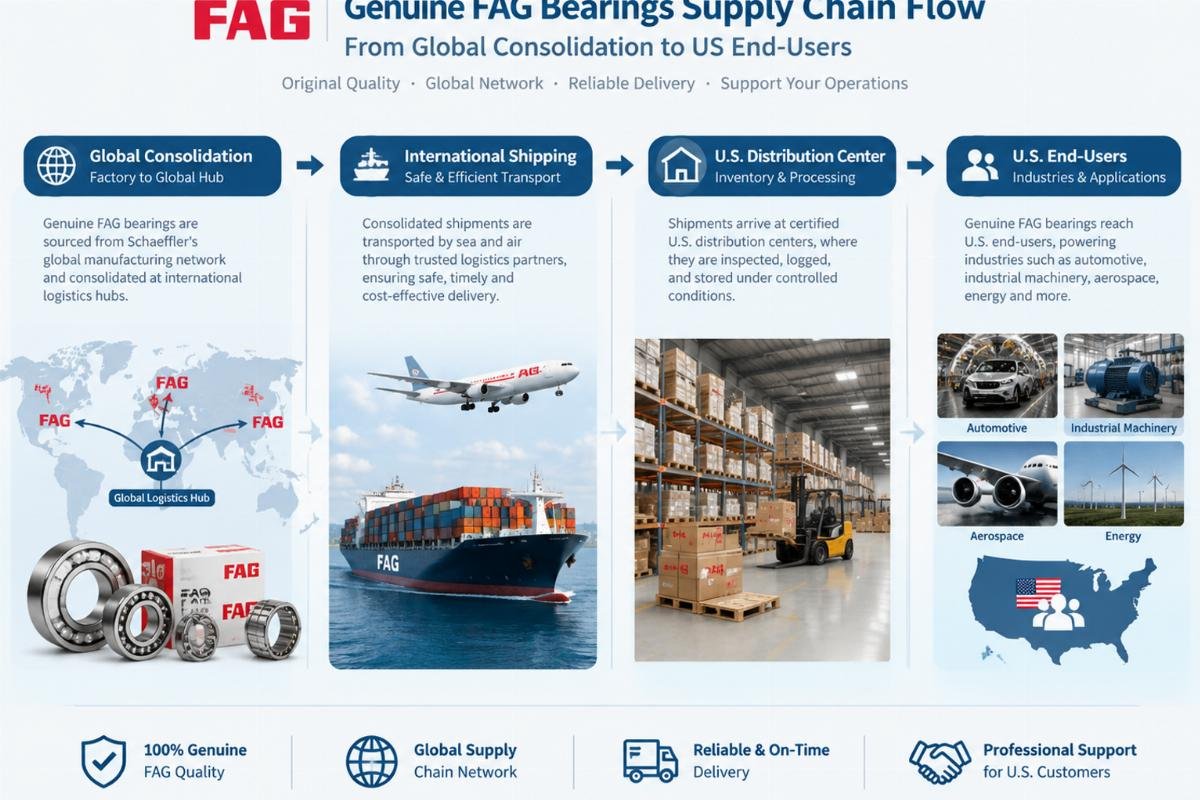
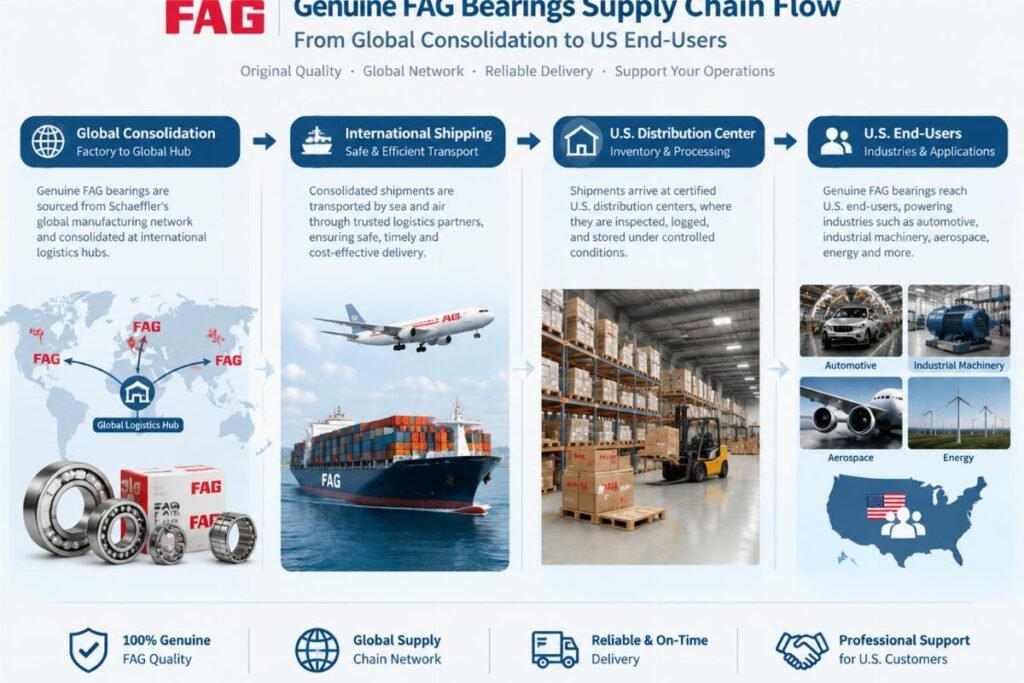
Understanding why quotes differ requires looking beyond the sticker price. When buyers request FAG bearing prices in the US, they are often comparing apples to oranges. A local distributor might have immediate stock, but their margin includes the cost of maintaining that inventory. A global supplier might offer a lower unit price, but the buyer must account for freight and lead time. The key is balancing these factors without compromising authenticity.
What drives FAG bearing prices in the US market?
Prices fluctuate based on channel structure, order volume, and logistical complexity rather than just manufacturing costs.
The primary driver of cost variance is the supply chain layer. Authorized brand channels often maintain high overheads to support extensive local sales networks. In contrast, global consolidators operate with leaner structures, passing savings to buyers who can plan ahead.
Another critical factor is the Minimum Order Quantity (MOQ). Buying a single emergency replacement unit incurs a premium for handling and picking. Conversely, consolidating a mixed container of various bearing types allows for economies of scale in shipping and customs clearance. This is where many MRO buyers miss an opportunity. By grouping routine maintenance items with emergency spares, they can access wholesale-tier pricing even for smaller total volumes.
Logistics also play a pivotal role. Air freight for urgent needs spikes the landed cost dramatically. Sea freight consolidation, while slower, stabilizes the per-unit cost. For standard deep-groove ball bearings or spherical roller bearings, planning for sea freight can reduce the total expenditure significantly compared to expedited local purchases.
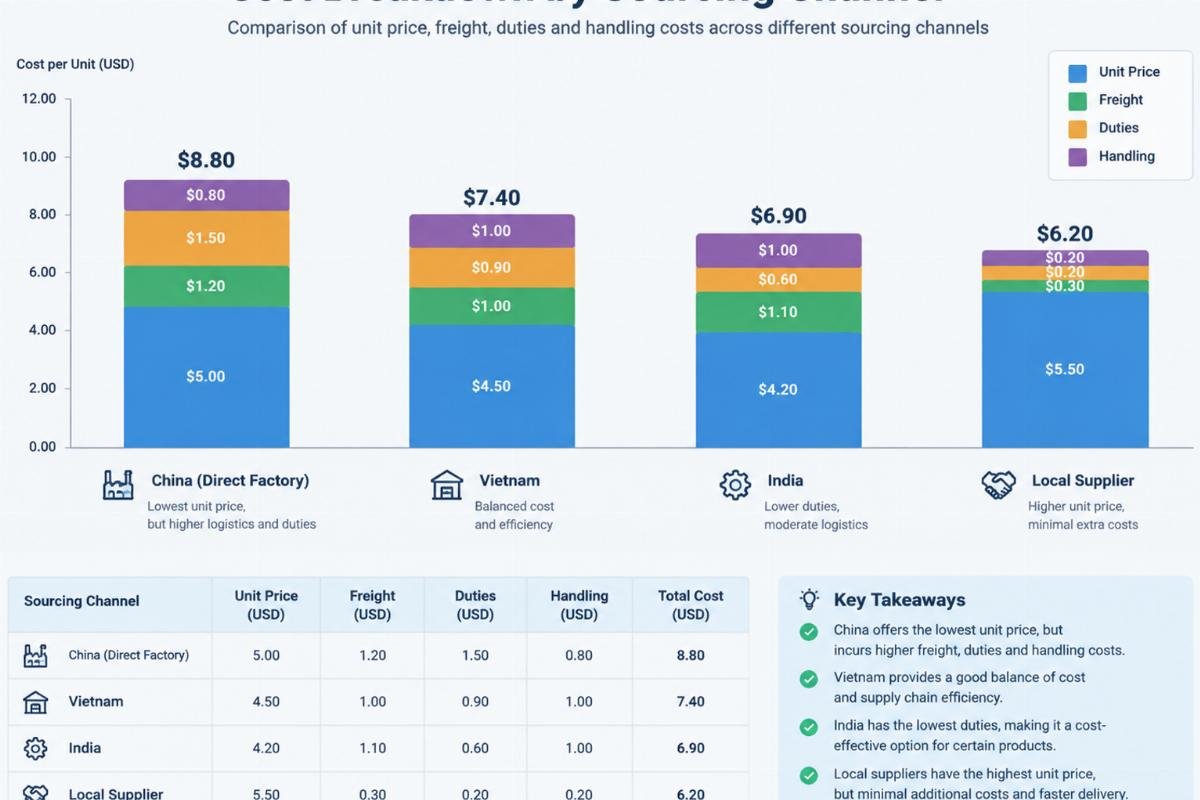
Buyers must also consider the hidden costs of verification. If a supplier cannot provide immediate traceability documents, the risk of receiving grey-market or counterfeit goods increases. The cost of verifying authenticity internally, or worse, dealing with a field failure, far outweighs the slight premium paid for certified stock.
How do wholesale prices compare to local US distributors?
Global consolidation offers better margins for mixed-batch orders than fragmented local buying, provided lead times are managed.
Local distributors excel in urgency. If a production line is down and a specific angular contact ball bearing is needed within hours, paying a premium for local stock is justified. However, for planned maintenance, OEM builds, or stocking programs, this model is inefficient. Local distributors often source from the same global pools but add multiple layers of markup to cover their regional infrastructure.
A comparison of sourcing models reveals distinct advantages for each approach:
| Feature | Local US Distributor | Global Consolidated Supplier |
|---|---|---|
| Unit Price | Higher due to local overhead | Lower due to direct global sourcing |
| Lead Time | Immediate for stock items | Weeks for sea freight consolidation |
| MOQ Flexibility | Low (single units available) | High (mixed container optimization) |
| Traceability | Varies by supplier rigor | Standardized with full batch docs |
| Best For | Emergency breakdowns | Planned MRO and OEM projects |
Consider a mid-sized manufacturing plant in the Midwest. They previously bought all their NSK and FAG bearings from three different local vendors. By switching to a one-stop global sourcing model, they consolidated their quarterly orders into a single shipment. The result was not just a lower unit price, but a reduction in administrative overhead. They no longer had to manage multiple invoices and tracking numbers. The consistency of supply also improved, as the global supplier held buffer stock for their most frequently used part numbers.
This model works particularly well for buyers who need a mix of brands. A single container can hold SKF, FAG, INA, and TIMKEN bearings, optimizing space and freight costs. This flexibility is rarely available through single-brand local distributors.
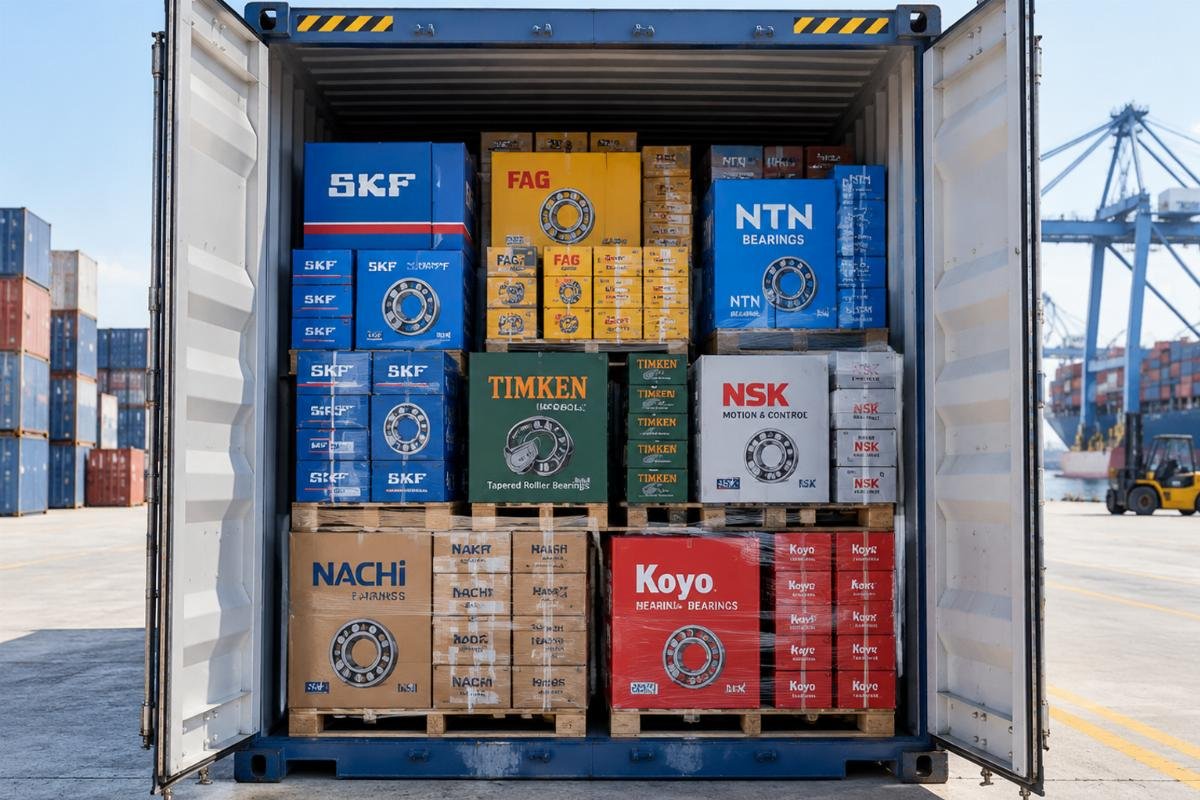
When evaluating FAG bearing prices in the US, buyers should calculate the total landed cost, not just the ex-works price. Include freight, duties, and internal handling. Often, the global option remains cheaper even after these additions, especially for larger batches.
Why is the cheapest FAG bearing a hidden cost?
Counterfeit or grey-market bearings cause catastrophic failures, wiping out initial savings through downtime and collateral damage.
The temptation to choose the lowest quote is strong, especially in competitive bidding environments. However, the bearing market is rife with counterfeits that look identical to genuine products but lack the metallurgical integrity. These fakes often use inferior steel or improper heat treatment, leading to premature fatigue and failure.
A case from a cement plant in Latin America illustrates this risk. The maintenance team sourced tapered roller bearings at a fraction of the market price. Within months, the bearings began to show signs of spalling. The subsequent failure destroyed the housing and damaged the shaft, turning a simple bearing replacement into a major repair job. The total cost was several times the savings they had initially achieved.
Grey-market goods present another danger. These are genuine bearings sold outside authorized channels, often without proper storage conditions. Bearings are sensitive to humidity and temperature. If stored incorrectly during transit or in unauthorized warehouses, they can corrode or lose their lubrication integrity before installation. Without traceability documents, there is no way to verify their history.
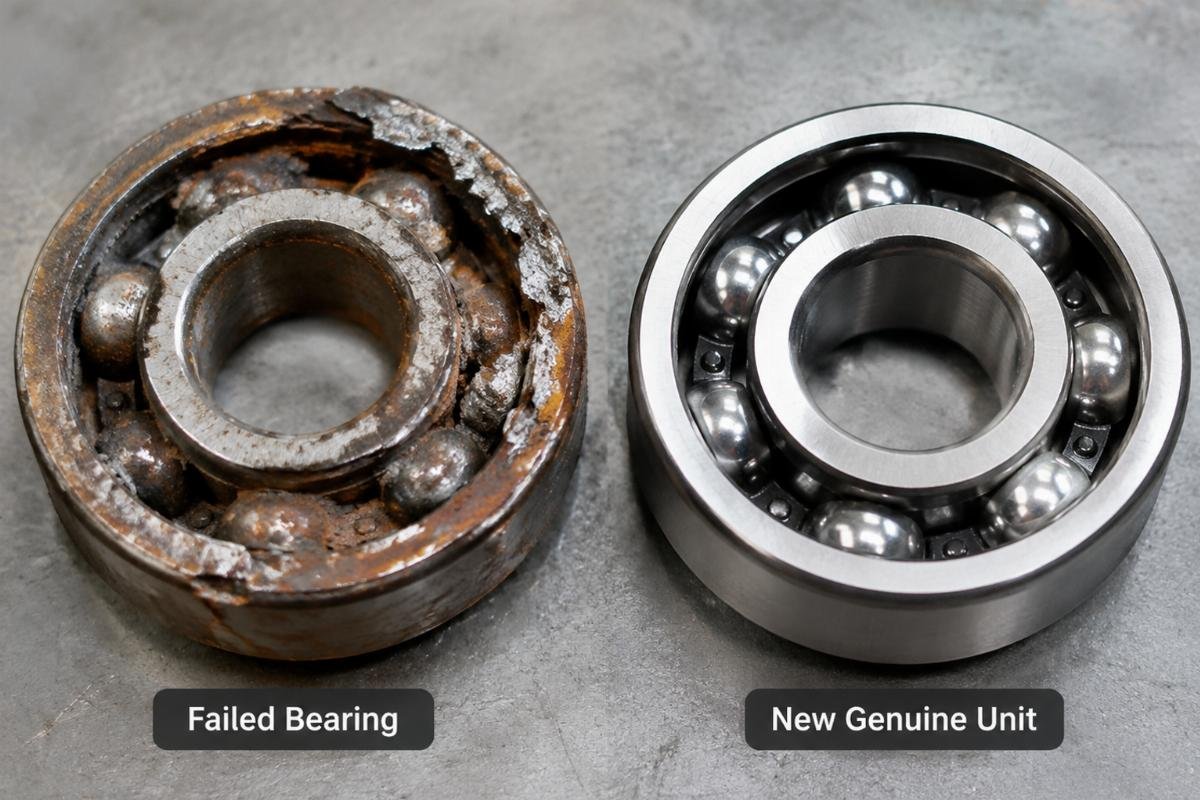
Verifying authenticity is not just about checking the packaging. It requires examining the bearing itself for marking quality, surface finish, and rotational smoothness. More importantly, it demands documentation. A reputable supplier will provide certificates of origin and material test reports that link the physical part to the manufacturer’s production batch.
When reviewing FAG bearing prices in the US, be skeptical of quotes that seem too good to be true. They often exclude the cost of quality assurance. Investing in verified stock ensures that the bearing performs as engineered, protecting your equipment and your reputation.
How to verify genuine FAG bearings when buying?
Traceability documents and authorized sourcing channels are mandatory to avoid field failures and ensure compliance.
Verification starts before the purchase. Ask potential suppliers for their sourcing policy. Do they buy directly from the manufacturer or authorized masters? Can they provide sample traceability documents for a previous order? A professional supplier will have no issue sharing redacted examples to prove their capability.
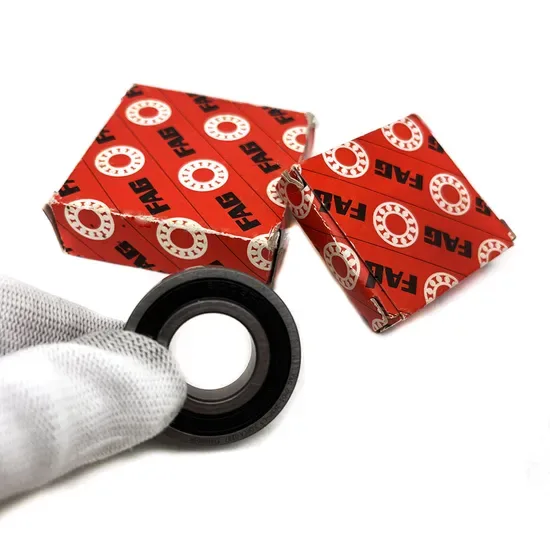
Upon receipt, inspect the packaging. Genuine FAG bearings come in high-quality boxes with clear, sharp printing. Check for holograms or security labels if applicable to the specific product line. However, packaging can be faked. The real proof lies in the documentation.
Key documents to request include:
- Certificate of Origin: Confirms the country of manufacture.
- Material Test Report: Details the steel composition and heat treatment parameters.
- Batch Number Cross-Reference: Links the bearing serial number to the production record.
A US automotive aftermarket supplier once faced a recall scare due to questionable bearing sources. By implementing a strict verification protocol requiring full traceability for every batch, they eliminated the risk. Their customers, mostly repair shops, valued the reliability, even if the price was slightly higher than the gray market. This trust became a competitive advantage.
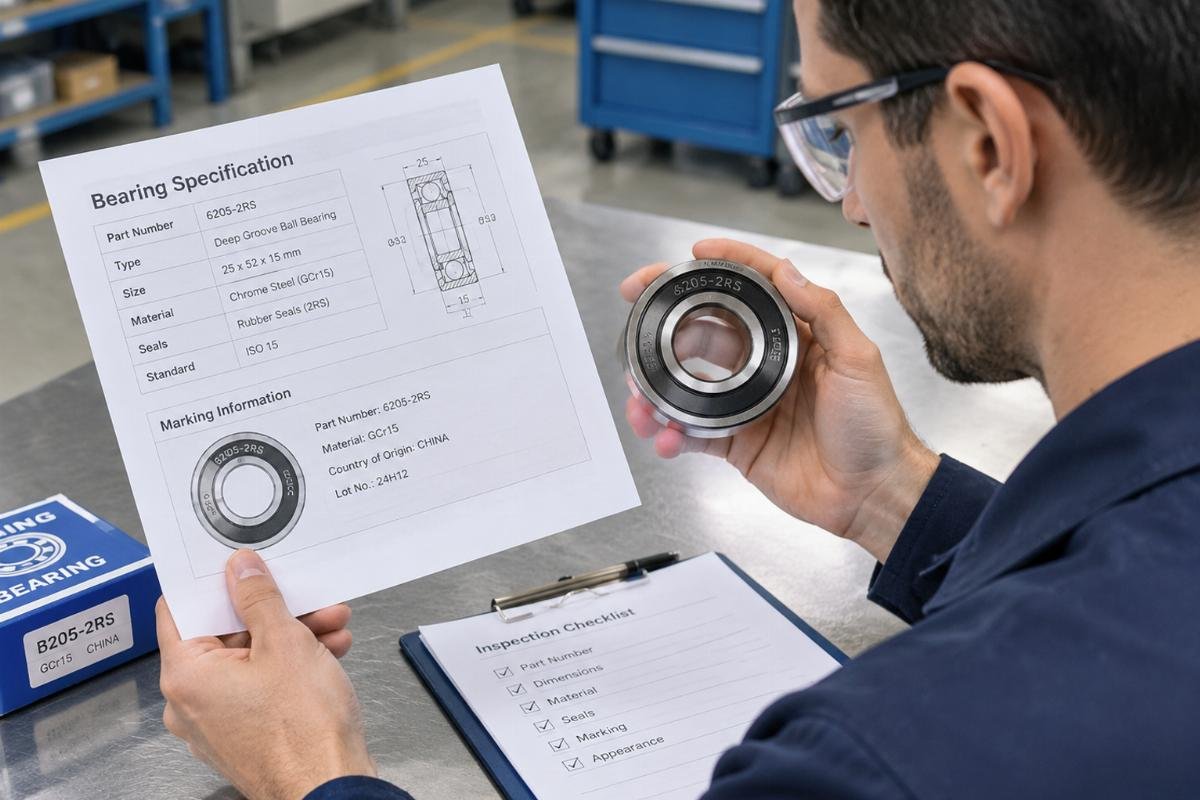
Technical support is another indicator of legitimacy. Authorized suppliers employ engineers who can help with model selection and failure analysis. If a supplier only sells boxes and cannot answer technical questions about load ratings or fit tolerances, they are likely a trader with limited oversight.
When searching for FAG bearing prices in the US, prioritize suppliers who offer this level of transparency. It transforms the transaction from a simple purchase into a partnership focused on operational reliability.
Conclusion
Authenticity and total cost matter more than the initial sticker price.
Sourcing genuine FAG bearings requires a strategic approach that balances cost, lead time, and risk. By leveraging global consolidation and demanding full traceability, US buyers can secure competitive pricing without compromising on quality. The cheapest option often carries the highest hidden risks, while verified partners provide long-term value through reliability and support.