Lowest unit price often triggers the highest total landed cost.
Sourcing authentic FAG bearings for US transit agencies requires strict batch traceability, intact OEM packaging, and flexible mixed-size consolidation to pass US Customs and meet MRO standards. Without these three pillars, even genuine products face rejection at the border or failure during compliance audits.
I still remember the humidity in Jebel Ali Port when I managed an urgent order for a North American transit system. To meet the tight deadline, I consolidated mixed-brand and mixed-size FAG tapered roller bearings from different batches. I overlooked the rigid requirements for batch traceability and original packaging integrity that North American MRO clients enforce. The cargo was detained upon arrival at the Port of Los Angeles for inspection. The delay nearly ruined our reputation. That experience taught me the hard way that supplying FAG bearings for US transit agencies is not just about moving metal; it is about managing documentation and compliance as rigorously as the hardware itself.
Transit procurement is unforgiving. A single missing certificate can halt an entire fleet maintenance schedule. Understanding how to navigate these requirements is critical for any global supplier aiming to serve this sector reliably.
Why Do Transit Agencies Strictly Require OEM FAG Packaging?
Intact packaging is the first line of defense against customs rejection and quality disputes.
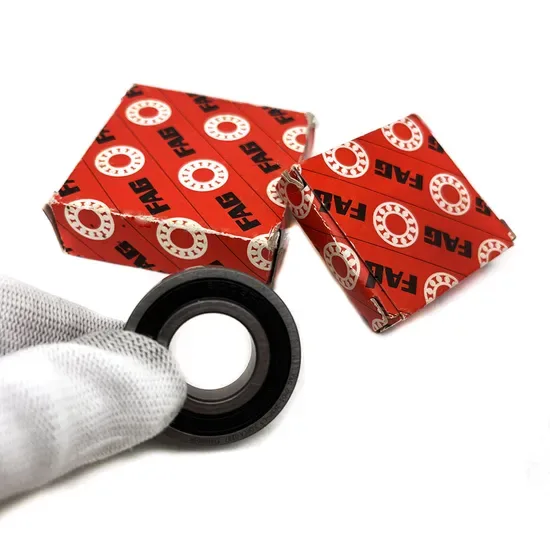
US Customs and Border Protection agents are trained to identify counterfeit industrial components. For high-value items like FAG bearings, the original packaging serves as the primary visual proof of authenticity. Damaged boxes, re-taped seals, or missing holographic labels raise immediate red flags.
When packaging is compromised, transit agencies cannot verify if the bearing inside matches the specification on the outside. In harsh transit environments, where safety is paramount, this uncertainty is unacceptable. A Middle East steel mill operator once told me they rejected a full container of premium bearings simply because the outer cartons showed signs of moisture damage, fearing internal corrosion despite the bearings themselves appearing fine.
For a FAG bearings for US transit agencies wholesale supplier, maintaining packaging integrity during consolidation is non-negotiable. This means using reinforced pallets, moisture-resistant wrapping, and ensuring that no mixed-SKU orders result in repackaging that obscures the original manufacturer’s labels. The goal is to deliver the product exactly as it left the manufacturer’s production facilities, preserving the chain of custody visually and physically.
If the box looks tampered with, the buyer assumes the worst. In the transit sector, assumption leads to rejection, and rejection leads to costly delays that far outweigh any savings from cheaper freight handling.
How to Verify Batch Traceability for North American MRO Compliance?
Full documentation from mill to final destination is non-negotiable for audit readiness.
North American Maintenance, Repair, and Operations (MRO) standards demand more than just a commercial invoice. They require a complete paper trail that links the specific bearing installed in a bus or train to its production batch. This is crucial for recall management and failure analysis.
A common mistake among new exporters is providing generic certificates of origin instead of batch-specific test reports. A US buyer once faced a compliance audit where they had to produce heat treatment records for a specific set of wheelset bearings. Because their supplier had only provided a general quality certificate, the buyer failed the audit and had to replace the entire stock at their own expense.
To avoid this, a reliable FAG bearings for US transit agencies wholesale supplier must provide:
- Original Mill Test Certificates (MTC) matching the batch number on the bearing ring.
- Packing lists that clearly map each carton to its corresponding certificate.
- Digital copies of all documents sent prior to shipment for pre-clearance verification.
This level of transparency builds trust. It shows that the supplier understands the regulatory landscape and is prepared to support the buyer during rigorous internal audits. Traceability is not just paperwork; it is insurance against liability.
Without this link, the bearing is just a piece of steel. With it, it becomes a compliant, auditable asset for the transit agency.
Specification Matrix: Standard vs. Heavy-Duty FAG Tapered Roller Bearings for Buses
Choosing the right sealing and load rating prevents premature failure in stop-and-go transit operations.
Transit buses operate under unique stress conditions: frequent starts and stops, heavy passenger loads, and exposure to road debris. Standard industrial bearings may not withstand these cyclic loads. Selecting the correct FAG tapered roller bearing variant is essential for longevity.
| Feature | Standard Industrial Series | Heavy-Duty Transit Series |
|---|---|---|
| Load Rating | Suitable for constant speed applications | Optimized for high shock loads and vibration |
| Sealing Type | Basic metal shields or open design | Advanced labyrinth seals with grease retention |
| Material Cleanliness | Standard vacuum degassed steel | Enhanced cleanliness for extended fatigue life |
| Traceability Level | Batch-level certification | Individual serial number tracking available |
| Customs Risk | Moderate (common commodity) | Low (specialized application, clear intent) |
The heavy-duty variants often feature specialized sealing technologies that protect against water and dust ingress, common issues for undercarriage components. While the initial cost is higher, the total cost of ownership drops significantly due to reduced replacement frequency.
A European wind farm operator learned this lesson when they switched from standard to heavy-duty bearings for their yaw drives. The upfront cost was higher, but the maintenance intervals extended substantially, reducing downtime during critical weather windows. Similarly, for transit agencies, the cost of a bus being out of service for bearing replacement is far greater than the price difference between bearing grades.
When sourcing FAG bearings for US transit agencies wholesale supplier services, ensure the supplier can distinguish between these grades and provide the correct technical datasheets for each. Misidentification leads to operational failures and strained client relationships.
The right specification ensures the bearing performs as intended, safeguarding both the vehicle and the passengers.
How to Consolidate Mixed-Size Orders Without Compromising Lead Time?
Flexible MOQ and spot inventory strategies enable urgent fleet maintenance without customs delays.
Transit agencies rarely need a full container of a single SKU. More often, they require a mix of sizes for various bus models and maintenance tasks. Consolidating these mixed-size orders efficiently is a complex logistical challenge.
Many suppliers struggle with this, either forcing buyers to purchase excessive quantities of slow-moving items or delaying shipments until a full container is filled. This rigidity causes maintenance backlogs. A reliable partner must offer flexible Minimum Order Quantities (MOQ) and maintain a massive spot inventory of genuine FAG, INA, and SKF products.
The key is intelligent consolidation. By grouping compatible items and using standardized export packaging, suppliers can maximize container utilization while keeping lead times short. This approach also simplifies customs clearance, as all items share the same harmonized code category and origin documentation.
For a FAG bearings for US transit agencies wholesale supplier, this capability is a major competitive advantage. It allows transit managers to order exactly what they need, when they need it, without tying up capital in excess stock.
Efficiency in consolidation translates directly to reliability in supply. It ensures that when a bus breaks down, the required parts are already on the water or in transit, not stuck in a warehouse waiting for a full container.
Conclusion
Compliance and traceability are as valuable as the bearing itself.
Sourcing for US transit agencies demands a shift from price-focused buying to value-driven procurement. Intact OEM packaging, rigorous batch traceability, and smart consolidation are the pillars of success. A true FAG bearings for US transit agencies wholesale supplier delivers not just products, but peace of mind through documented reliability.