Lowest unit price does not equal lowest landed cost.
The current US import duty on FAG bearings typically involves a Most Favored Nation (MFN) rate under HTS Chapter 8482, often supplemented by additional Section 301 tariffs if the goods originate from China. Accurate classification and verified rules of origin are mandatory to prevent port seizures and excessive penalty multipliers.
I still remember the silence in the warehouse office when the tracking update showed “Held by Customs” for a container bound for Los Angeles. The shipment contained high-precision spindle bearings intended for a machine tool manufacturer. On paper, the paperwork looked perfect. In reality, the certificate of origin claimed Vietnam as the source, but the internal batch codes traced back to a Chinese production facility without evidence of substantive transformation. The result was not just a delay. It was a financial hit that dwarfed the initial savings we thought we were securing by routing through a third country. That incident reshaped how I approach every single order involving US import duty on FAG bearings. It is not merely about finding a supplier; it is about navigating a regulatory landscape where documentation errors can trigger audits, demurrage charges, and punitive tariffs that erase profit margins entirely.

Understanding the true cost of importing requires looking beyond the invoice price. Buyers often focus on the per-unit cost of the bearing, neglecting the complex web of tariffs, bonds, and compliance checks that define the final landed cost. For distributors and OEMs, mastering these elements is the difference between a smooth supply chain and a logistical nightmare.
What Are the Current US Import Duty Rates for FAG Bearings?
Tariff rates are determined by HTS classification and country of origin, not just the brand name.
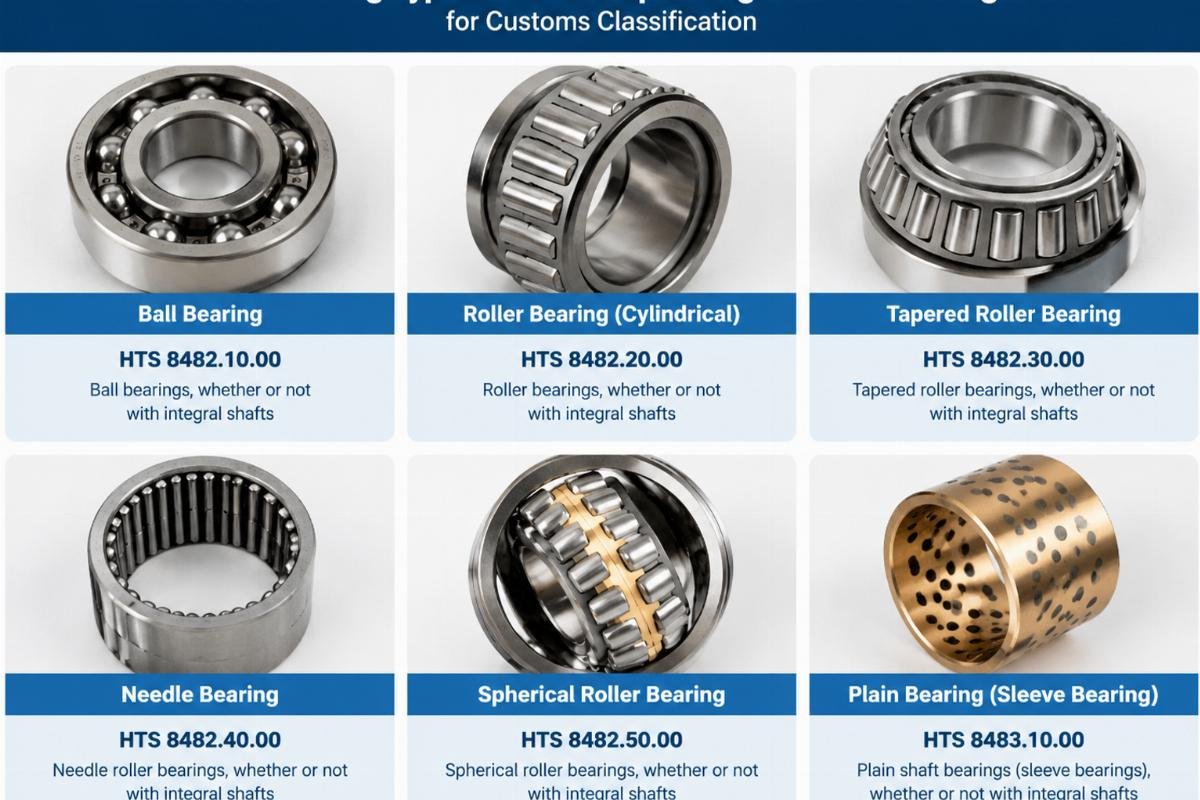
To calculate the duty accurately, one must first identify the correct Harmonized Tariff Schedule (HTS) code. Most ball and roller bearings, including those from FAG, fall under Chapter 8482. The base MFN duty rate for many of these items is relatively low, often ranging from zero to a low single-digit percentage. However, this base rate is frequently overshadowed by additional tariffs.
If the bearings are manufactured in China, they are likely subject to Section 301 tariffs. These additional duties can significantly increase the total tax burden. The specific rate depends on the exact subheading and the current trade policy status at the time of entry. Misclassifying a tapered roller bearing as a generic ball bearing, or vice versa, can lead to incorrect duty payments. Underpayment triggers penalties, while overpayment ties up capital unnecessarily.
| Bearing Type | Typical HTS Chapter | Base MFN Duty Status | Section 301 Applicability (China Origin) |
|---|---|---|---|
| Deep Groove Ball Bearings | 8482 | Low/Zero | Likely Applicable |
| Spherical Roller Bearings | 8482 | Low/Zero | Likely Applicable |
| Tapered Roller Bearings | 8482 | Low/Zero | Likely Applicable |
| Needle Roller Bearings | 8482 | Low/Zero | Likely Applicable |
A US buyer once imported a mixed container of industrial bearings. They classified all items under a single generic code to simplify paperwork. Customs flagged the shipment for inspection because the physical goods did not match the declared description for several line items. The clearance delay lasted weeks, accruing demurrage costs that exceeded the total duty amount. Proper classification requires examining the specific design and application of each bearing type. When sourcing US import duty on FAG bearings, buyers must ensure their supplier provides detailed technical specifications that align with the declared HTS codes. This alignment prevents disputes at the port and ensures that the duty paid is accurate and defensible.
How Do Rules of Origin Affect FAG Bearing Tariffs?
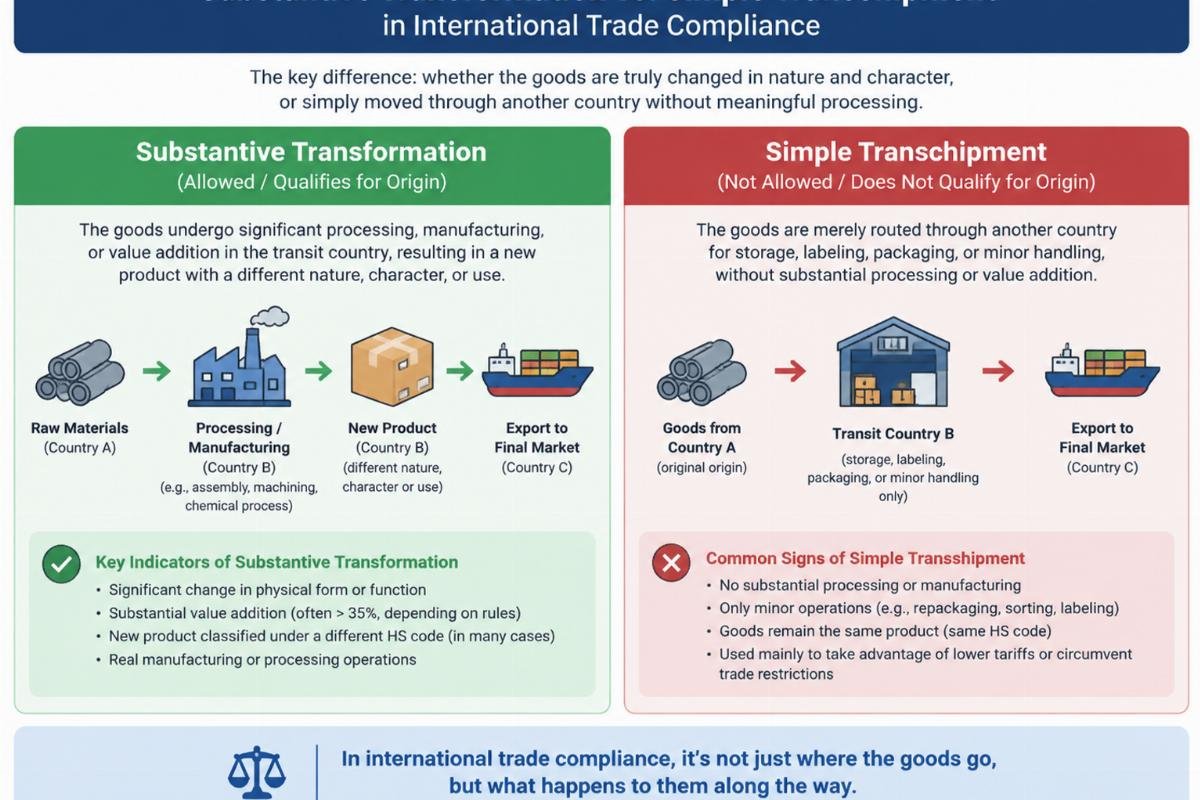
Transshipment without substantive transformation does not change the country of origin.
A common misconception is that routing goods through a third country, such as Vietnam or Malaysia, legally bypasses higher tariffs associated with the original manufacturing country. US Customs and Border Protection (CBP) strictly enforces rules of origin based on substantive transformation. Simply repackaging, relabeling, or performing minor assembly operations in a transit country does not confer new origin status.
In my early days, I saw a distributor attempt to avoid duties by shipping Chinese-made bearings to Vietnam for simple repackaging before exporting to the US. The documentation claimed Vietnamese origin. However, during a routine audit, CBP requested proof of manufacturing processes in Vietnam. The distributor could not provide evidence of any significant processing that changed the essential character of the bearings. The shipment was seized, and the importer faced penalties that multiplied the original duty cost several times over.
For genuine FAG bearings, the origin is tied to the specific factory where the rings and rolling elements are produced. If the core manufacturing steps occur in China, the origin remains China, regardless of where the final box is sealed. Buyers must demand transparent traceability. A valid Certificate of Origin must reflect the true manufacturing location. Attempting to obscure this fact creates severe legal and financial risks. When evaluating US import duty on FAG bearings, the focus must be on the actual production site, not the shipping route. Suppliers who offer vague explanations about origin should be viewed with caution. Authentic brands maintain rigorous records, and legitimate suppliers can provide the necessary documentation to prove where the product was made.
What Documents Are Mandatory for Smooth Customs Clearance?
Incomplete documentation is the primary cause of customs holds and seizure.
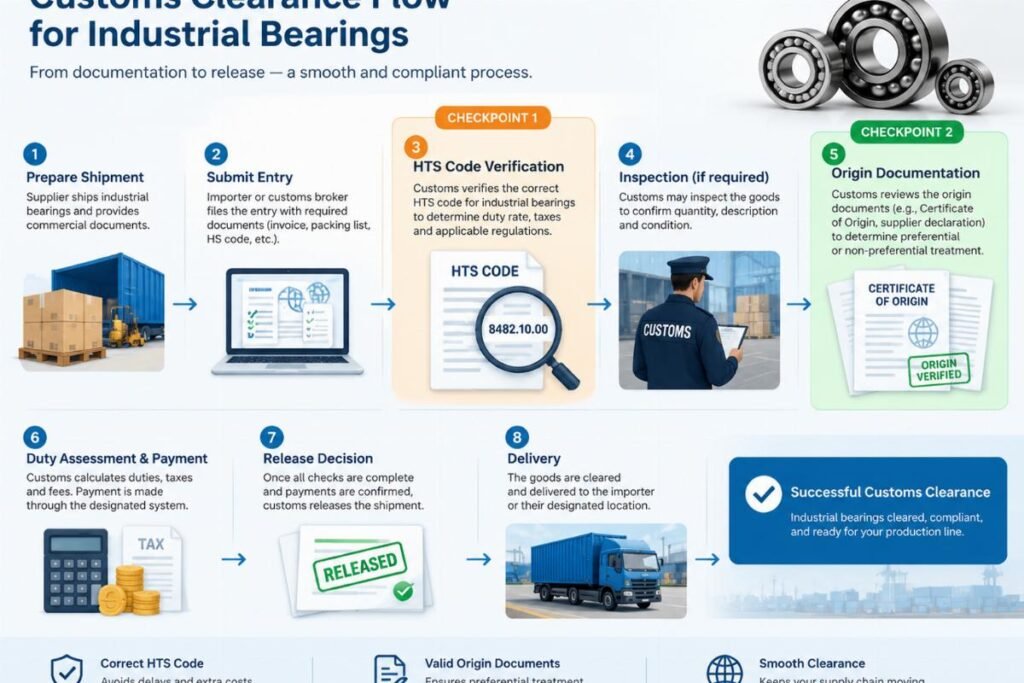
Smooth clearance relies on a complete and consistent set of documents. The commercial invoice, packing list, bill of lading, and Certificate of Origin must all align perfectly. Any discrepancy in weight, quantity, description, or value can trigger a manual review. For branded items like FAG, customs officers may also verify authenticity to prevent counterfeit goods from entering the market.
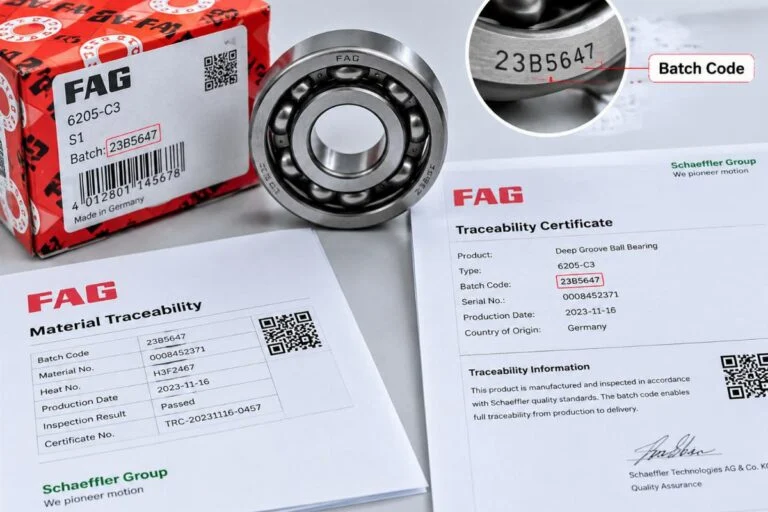
Traceability documentation is critical. This includes batch numbers, manufacturing dates, and authorization letters from the brand owner or authorized distributor. Without these, customs may suspect the goods are counterfeit, leading to extended inspections and potential destruction of the cargo. I have seen shipments held for months while buyers struggled to produce proof of purchase from an authorized channel. The cost of storage and legal fees during this period often exceeded the value of the bearings themselves.
- Commercial Invoice: Must clearly state the HTS code, country of origin, and accurate transaction value.
- Packing List: Must match the physical contents exactly, including net and gross weights.
- Certificate of Origin: Must be issued by a recognized authority and reflect the true manufacturing country.
- Brand Authorization: Proof that the supplier is authorized to sell genuine FAG products.
A European wind farm operator once faced a crisis when a critical replacement shipment was held at the port. The issue was not the tariff rate, but a missing authorization letter. Customs questioned the legitimacy of the bulk order. The buyer had to contact the manufacturer directly to verify the supplier, causing a significant delay in maintenance operations. Having a supplier who proactively provides full traceability documentation prevents such scenarios. When managing US import duty on FAG bearings, ensuring that every document is pre-checked for consistency saves time and avoids costly interruptions.

How to Avoid Hidden Costs and Port Seizures?
Compliance is a proactive process, not a reactive fix.
Avoiding hidden costs requires working with suppliers who prioritize compliance as much as product quality. This means choosing partners who understand the nuances of US customs regulations and can provide verifiable documentation. It also means avoiding suppliers who offer prices that seem too good to be true, as these often cut corners on compliance or sell counterfeit goods.
One effective strategy is to consolidate shipments from verified sources. Mixing genuine branded bearings with unverified lower-cost alternatives in the same container increases the risk of the entire shipment being flagged. If one item is found to be non-compliant or counterfeit, customs may inspect the entire container, delaying all goods. By sticking to a single, reliable source for US import duty on FAG bearings, buyers reduce the complexity of clearance and minimize the risk of collateral delays.
Another key practice is to use a licensed customs broker who specializes in industrial machinery parts. These professionals can help classify goods correctly and prepare the necessary entries in advance. They can also advise on bond requirements and other regulatory obligations. Investing in professional brokerage services is far cheaper than paying demurrage or penalty fees.
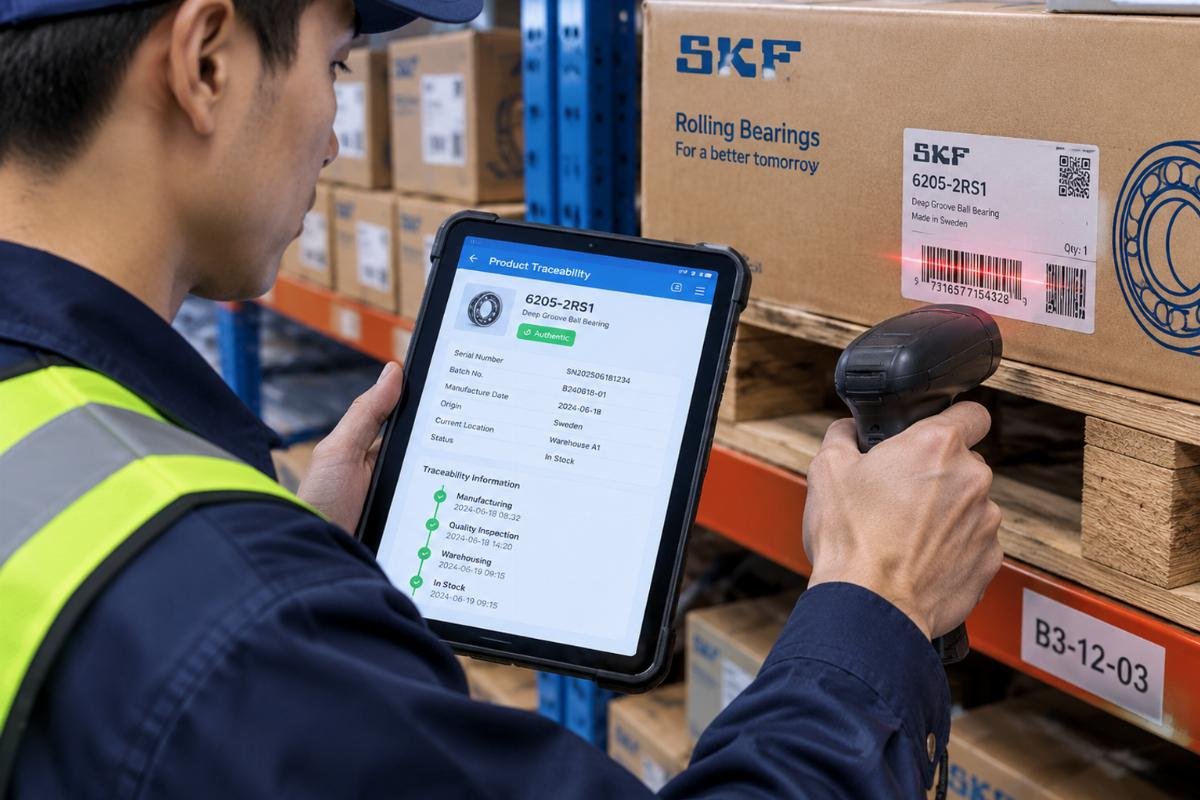
I recall a case where a buyer switched to a supplier who provided full digital traceability for every bearing. Each box had a scannable code linking to the manufacturing record. When customs requested additional information, the buyer provided the digital records instantly. The shipment cleared within hours instead of days. This level of transparency builds trust with customs authorities and streamlines the import process. For bulk orders, this efficiency translates into significant cost savings and reliable delivery schedules.
Conclusion
Accurate duty calculation and strict compliance protect your profit margin.
Importing FAG bearings into the US requires more than just finding a low price. It demands a clear understanding of HTS codes, rules of origin, and documentation requirements. Mistakes in these areas lead to seizures, penalties, and delays that far outweigh any initial savings. By prioritizing transparency, verifying origin, and maintaining complete traceability, buyers can ensure smooth customs clearance and predictable landed costs. Focus on compliance as a core part of your sourcing strategy to avoid hidden expenses and secure your supply chain.