Product details
Description and application notes
Unified Multi-Brand Sourcing — Consolidate your FAG textile bearings with other premium makes in a single shipment without juggling multiple vendor accounts.
Technical Specifications
| Parameter | Value |
|---|---|
| Designation | FAG 22217-E1-a-XL-M-C3 |
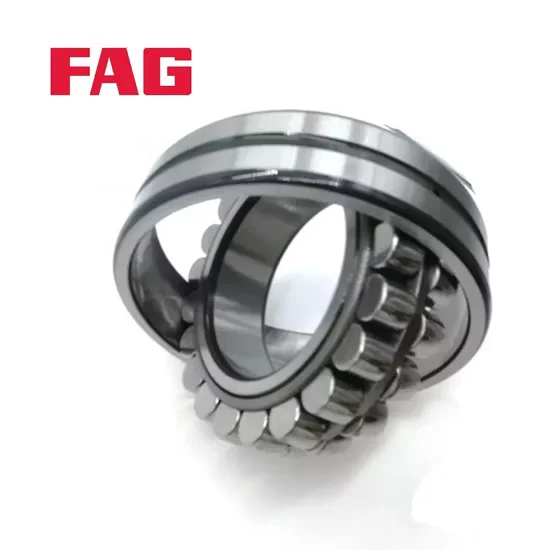
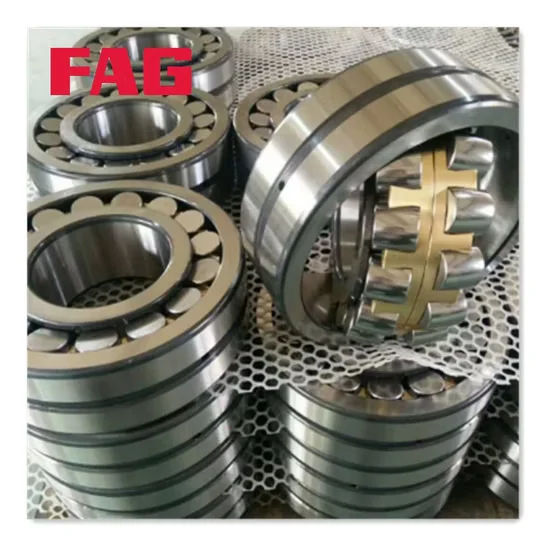
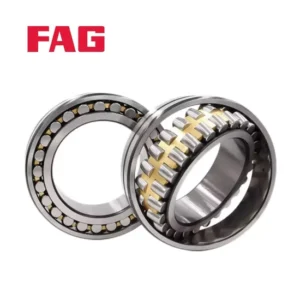
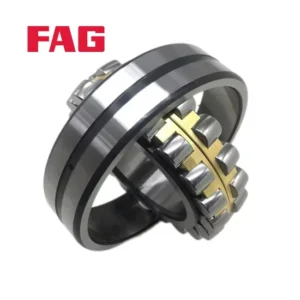
| Bearing Type | Spherical Roller Bearing |
| Structure | Double Row, Self-Aligning |
| Material | Chrome Steel Gcr15 (available in other variants upon request) |
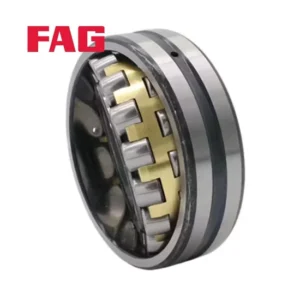
| Cage Type | Machined Brass Cage (M) |
| Clearance Class | C3 Internal Clearance |
| Precision Rating | P0 to P6 options |
| Origin | Jiangsu, China |
Note: Suffixes E1, a, and XL require manufacturer catalog confirmation for specific internal design nuances.
Application Suitability
| Industry | Typical Applications |
|---|---|
| Textile Manufacturing | Yarn processing rollers and high-speed loom drive shafts |
| Heavy Material Processing | Vibrating screens and crusher eccentric shafts |
| Metallurgy | Continuous casting machine rolls and steel mill conveyors |
Why the FAG 22217-E1-a-XL-M-C3 spherical roller bearing Prevents Thermal Seizure in Textile Mills
Thermal expansion turns standard clearance into a mechanical trap under continuous high-ambient heat.
Running textile mills in the Middle East taught me that ignoring thermal dynamics destroys machinery. I once watched a 22217 spherical roller bearing lock up completely because it was fitted with standard CN clearance instead of C3, halting an entire production line in extreme heat. Selecting the right internal gap is absolutely non-negotiable when ambient temperatures push equipment beyond normal operating limits. The thermal expansion turns standard clearance into a mechanical trap, causing massive friction and immediate downtime.
Matching Brass Cage Durability to Loom Vibrations
Textile machinery generates relentless, high-frequency vibrations that quickly fatigue stamped steel cages. The machined brass cage (M suffix) in this FAG 22217-E1-a-XL-M-C3 spherical roller bearing absorbs these shock loads while maintaining roller alignment. Our sourcing network ensures you get this exact heavy-duty configuration without waiting for extended factory lead times.
Navigating Heat, Load, and Misalignment in Yarn Processing
Roller shafts in yarn processing face combined radial loads and slight structural deflections that cause continuous misalignment. The double-row, self-aligning structure compensates for these shaft deflections, preventing destructive edge loading on the rollers. Furthermore, the C3 clearance provides the necessary thermal buffer, ensuring the bearing does not preload itself to destruction as the spindle heats up during continuous shifts. Proper lubrication intervals must also be strictly adjusted to account for the elevated operating temperatures and prevent grease degradation.
Decoding the Suffix String for Optimal Performance
The "M" designation confirms a machined brass cage, which offers superior durability and high-speed stability compared to pressed steel alternatives. The "C3" clearance is critical here; it provides a larger internal gap than standard, accommodating the thermal expansion of the inner ring when mounted on a hot shaft. While the base dimensions define the physical fit, these specific suffixes dictate whether the component survives the first week of operation. The double-row design inherently handles heavy radial loads while allowing angular misalignment, making it indispensable for demanding industrial drives.
The Financial Toll of Ignoring Suffix Nuances
Specifying a standard clearance bearing for a high-heat application inevitably leads to catastrophic seizure and unplanned downtime. When the internal gap closes due to thermal expansion, the rolling elements skid, generating excessive friction and destroying the raceways. According to failure analysis frameworks, this type of thermal overload accounts for a significant share of premature failures in continuous-process industries. The financial cost of replacing a single seized unit pales in comparison to the massive lost production revenue and secondary equipment damage.
Securing Exact Suffix Configurations from Global Stock
Finding a specific configuration like a brass cage with C3 clearance often involves dealing with complex distributor networks and enduring long delays. We maintain massive spot inventory covering thousands of part numbers, ensuring this exact FAG 22217-E1-a-XL-M-C3 spherical roller bearing is ready for immediate dispatch to your facility. Our technical team provides cross-brand equivalent model consultation if an urgent replacement is needed, and every single unit ships with complete traceability documentation to guarantee absolute authenticity and performance reliability.
Documentation & Authenticity
- Certificate of Conformity verifying the original manufacturer batch codes for this specific FAG production run.
- Official app QR verification allowing on-site validation of the bearing's authenticity before installation.
- Material inspection reports confirming the Gcr15 chrome steel composition and heat treatment quality.
- Dimensional and running accuracy inspection reports ensuring the C3 internal clearance meets strict tolerances.
Storage, Handling & Mounting
- Keep the original packaging sealed until mounting to protect the machined brass cage from corrosive humidity in coastal textile mills.
- Use induction heating for the inner ring installation, strictly monitoring the temperature to preserve the C3 clearance integrity.
- Avoid using carbon steel tools directly on the bearing surfaces to prevent cross-contamination and localized corrosion.
- Verify the shaft and housing tolerances before pressing, ensuring the self-aligning capability is not restricted by tight fits.
Engineering Review for Your Specific Machinery
To ensure this configuration perfectly matches your equipment, share your radial and axial load profiles, operating speeds, and ambient temperature ranges. Our engineering team will perform an L10 life calculation and verify the C3 clearance suitability for your specific thermal conditions. Providing the OEM equipment number also allows us to cross-reference the original specifications and confirm the exact suffix requirements.
Frequently Asked Questions
Q: How does C3 clearance benefit high-temperature textile machinery applications?
A: In high-heat environments like textile drying zones, the inner ring expands more than the outer ring. C3 clearance provides a larger initial internal gap, preventing the bearing from tightening into a destructive preload as temperatures rise. This thermal buffer is essential for avoiding seizure and ensuring smooth rotation during continuous shifts.
Q: What are the critical alignment checks when cross-referencing suffix codes like M and C3?
A: When verifying replacements, ensure the "M" matches your need for a machined brass cage to handle high vibrations, and confirm "C3" aligns with your operating temperature profile. Substituting a standard clearance or a stamped steel cage in high-heat, high-vibration loom drives will drastically reduce service life and cause premature failure.
Q: How to verify the authenticity of FAG bearings using official apps or traceability codes?
A: Every genuine unit features a unique traceability code and QR label on the packaging. Scan this code using the manufacturer's official mobile application to instantly verify the production batch, origin, and authenticity. This digital check prevents the installation of counterfeit parts that lack the proper metallurgical properties and dimensional accuracy.
Q: What are the boundary conditions for selecting machined brass cages over steel or nylon cages?
A: Machined brass cages are mandatory for applications involving severe vibrations, high speeds, or elevated temperatures where nylon would degrade and stamped steel would fatigue. They offer superior structural integrity and damping characteristics, making them the definitive choice for heavy-duty textile rollers and vibrating screens operating under continuous mechanical stress.