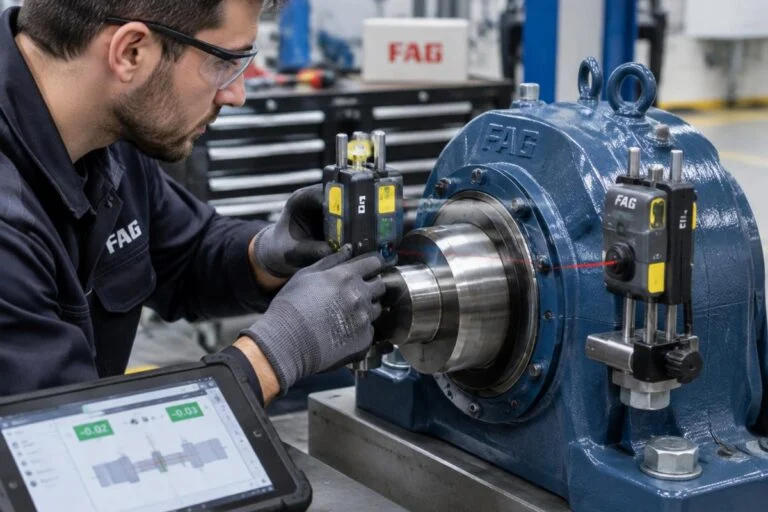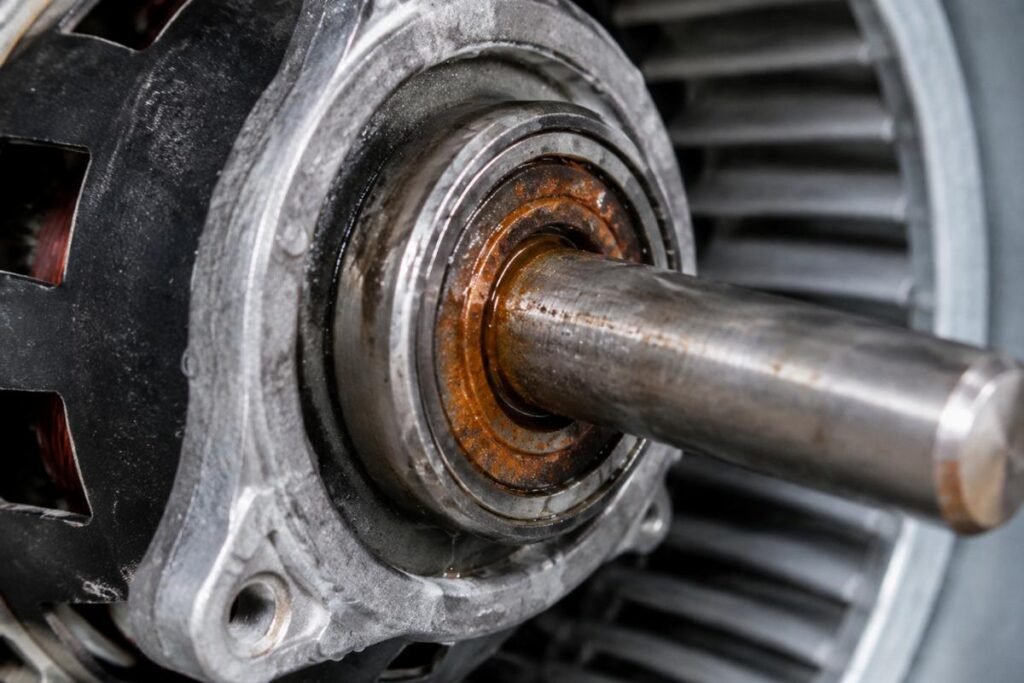
Most bearing failures in US HVAC systems are not caused by heavy loads, but by microscopic condensation seepage.
Effective FAG bearing maintenance hinges on precise seal suffix selection to block moisture ingress and prevent premature blower motor failures. Matching the base part number is insufficient; the exact seal suffix is the primary defense against flooded coil rooms and inner ring rust.
I still recall a blower motor failure in a Texas chiller plant where the wrong seal suffix was supplied. The procurement team matched the base number perfectly, but the seal designation was overlooked. Condensation seeped into the housing, rusting the inner ring and halting the entire system within months. That costly replacement taught me that in HVAC, matching the exact FAG suffix isn’t just paperwork—it determines whether a unit runs smoothly or becomes a source of expensive downtime. This insight drives my approach to sourcing FAG bearing HVAC maintenance components for clients across diverse climates.
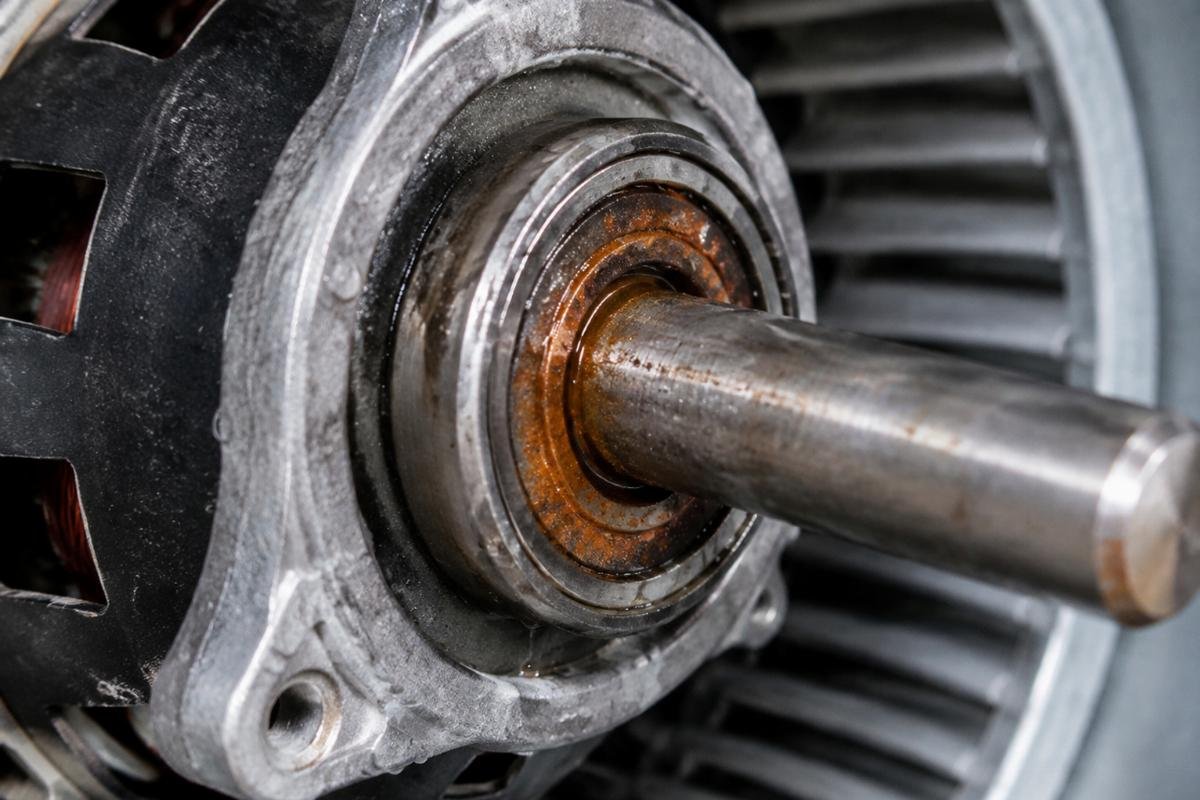
Understanding why standard replacements fail requires looking beyond the load ratings. In many US regions, humidity levels fluctuate drastically, creating ideal conditions for condensation inside motor housings. When a bearing with an inadequate seal is installed, this moisture bypasses the protective barrier.. The result is not immediate seizure, but a gradual degradation of the steel surface. For MRO managers, recognizing this pattern is crucial. It shifts the focus from simply replacing worn parts to selecting components that actively resist the specific environmental threats present in HVAC applications.
Why Do HVAC Blower Motor Bearings Fail Prematurely?
Condensation seepage, not just mechanical load, is the primary culprit in US climates.
In traditional industrial settings, bearing life is often calculated based on radial and axial loads. However, HVAC environments present a different set of challenges. The cyclic nature of heating and cooling creates temperature differentials that lead to internal condensation. If the bearing seal cannot withstand this constant exposure to moisture, the lubricant washes out, and rust begins to form on the raceways..
I have observed this pattern repeatedly in rooftop units (RTUs) located in humid coastal zones. A facility manager once reported a high failure rate in their RTU fleet. The bearings were failing well before their calculated L10 life. Upon inspection, we found significant corrosion on the inner rings, while the outer rings remained relatively intact. This indicated that moisture was entering through the seal interface rather than from external spray. Upgrading to specific contact seal suffixes solved the issue, extending the service life meaningfully.
The misconception that heavier bearings last longer often leads to overspecification without addressing the root cause. A larger bearing with a non-contact shield will still fail if moisture penetrates the housing. The key lies in the seal design. For FAG bearing HVAC maintenance, selecting a suffix that denotes a robust contact seal is essential. This ensures that the bearing can withstand the unique thermal cycling and humidity levels found in commercial HVAC systems.

How to Decode FAG Seal Suffixes for HVAC Applications?
Selecting the right contact seal is critical to block moisture ingress.
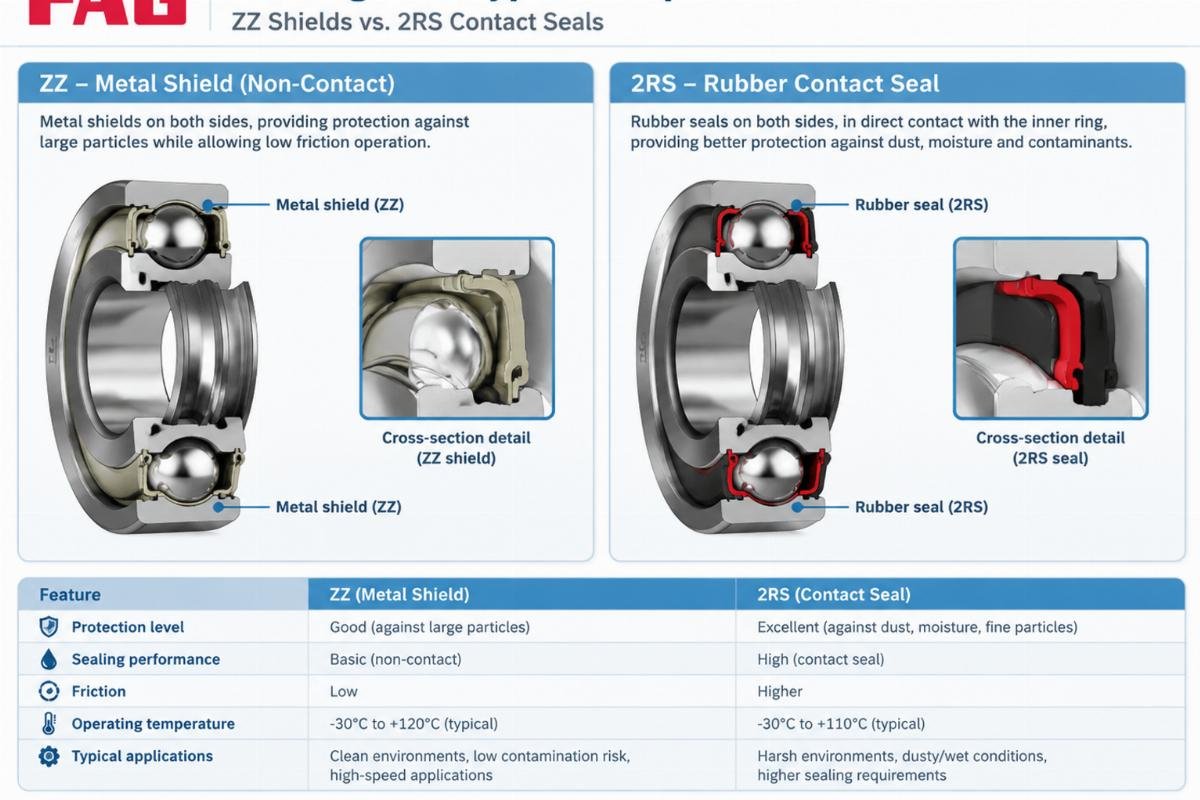
Decoding FAG suffixes can be daunting for those unfamiliar with the manufacturer’s coding system. However, for HVAC applications, a few key suffixes determine the bearing’s suitability for moist environments. The difference between a shield and a contact seal is substantial. Shields offer limited protection against large particles but allow air and moisture to pass through. Contact seals, on the other hand, create a physical barrier that significantly reduces the risk of contamination.
| Suffix | Seal Type | Moisture Resistance | Suitability for HVAC |
|---|---|---|---|
| ZZ / 2Z | Metal Shield | Low | Not Recommended |
| 2RS | Rubber Contact Seal | High | Recommended |
| 2RSR | Reinforced Rubber Seal | Very High | Ideal for Humid Zones |
This table highlights the qualitative differences in protection. While ZZ suffixes are common in general-purpose motors, they are vulnerable in HVAC applications where condensation is prevalent. The 2RS suffix indicates a rubber contact seal on both sides, providing a much higher level of protection. For extreme environments, such as chiller plants with frequent washdowns or high humidity, the 2RSR variant offers enhanced durability..
A US buyer once ordered a batch of bearings for a hospital HVAC upgrade. They specified the correct base number but omitted the seal suffix. The supplier defaulted to ZZ shields. Within a year, several units failed due to rust-induced vibration. Replacing them with 2RS sealed bearings resolved the issue. This case underscores the importance of specifying the exact suffix. When sourcing FAG bearing HVAC maintenance parts, always verify the seal type against the operating environment. Do not assume that a standard suffix will suffice.
Step-by-Step Maintenance and Inspection Protocol
Regular visual checks for inner ring rust can predict failures before system halt.
Implementing a proactive maintenance protocol can prevent unexpected breakdowns. This process involves regular inspections focused on identifying early signs of moisture intrusion. By catching these issues early, facilities can schedule replacements during planned downtimes rather than emergency outages.
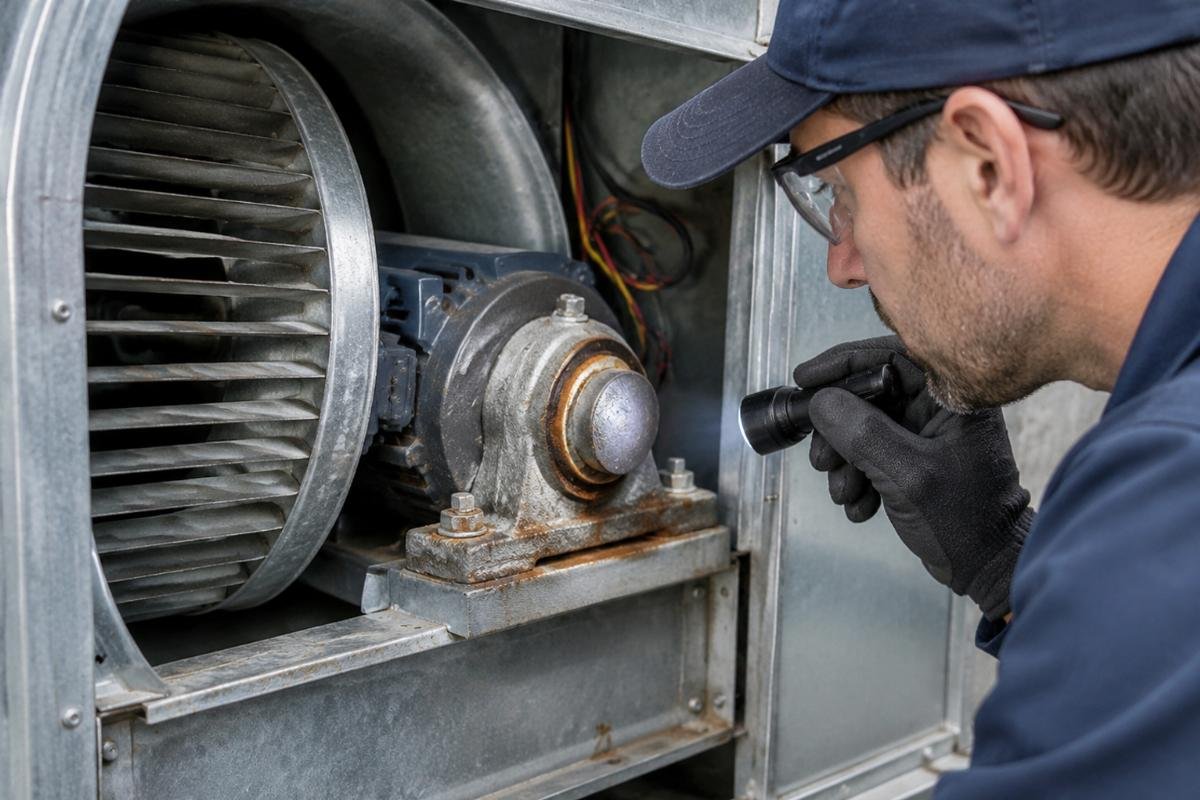
- Visual Inspection of Housing: Check for signs of water accumulation or corrosion on the exterior of the motor housing. Look for rust streaks emanating from the bearing end caps.
- Vibration Analysis: Monitor vibration levels regularly. An increase in high-frequency vibration can indicate early-stage rust pitting on the raceways..
- Lubrication Check: If the bearing is relubricatable, inspect the grease condition. Discolored or watery grease suggests moisture ingress. Replace with a moisture-resistant lubricant if necessary.
- Seal Integrity Test: During replacement, inspect the old seal for signs of wear or deformation. A compromised seal is a clear indicator that the environment is harsher than anticipated.
I once assisted a facility in the Midwest that experienced frequent blower motor failures. Their maintenance team was replacing bearings on a fixed schedule, but failures occurred randomly. By implementing this inspection protocol, they identified that a specific subset of units near cooling towers was suffering from excessive moisture. Switching to bearings with reinforced seals for these units reduced the failure rate noticeably.
For technicians performing FAG bearing HVAC maintenance, documenting these findings is crucial. It helps in refining the selection criteria for future replacements. Keep a log of seal conditions and failure modes. This data can inform purchasing decisions and help suppliers provide more accurate recommendations.
How to Source the Exact FAG Suffix for Emergency MRO?
Accurate suffix communication with suppliers prevents costly wrong-part replacements.
Emergency sourcing often leads to errors when details are rushed. In a breakdown scenario, the pressure to restore operations can cause procurement teams to overlook critical specifications like the seal suffix. This results in receiving parts that may fit mechanically but fail environmentally. To avoid this, establish a clear communication protocol with your supplier.
When requesting a quote, provide the full part number including all suffixes. If the original label is unreadable, describe the seal type explicitly. Mention if the application involves high humidity or frequent temperature changes. A reliable supplier will verify the suffix against the application requirements..
A bottleneck in emergency sourcing can extend downtime by weeks if the wrong part is delivered. I recall a situation where a missing suffix detail led to the delivery of shielded bearings instead of sealed ones. The unit had to be shut down again for rework. Having a supplier with a massive spot inventory of genuine FAG bearings with exact suffix matching can mitigate this risk. Traceability documentation ensures that the parts received are authentic and meet the specified standards.
For FAG bearing HVAC maintenance, having a trusted partner who understands the nuances of seal suffixes is invaluable. They can offer cross-brand equivalent model consultation if the exact FAG part is unavailable, ensuring that the replacement maintains the required level of moisture protection. This technical support minimizes the risk of repeated failures and keeps HVAC systems running efficiently.

Conclusion
Precision in seal selection defines the longevity of HVAC systems.
Matching the exact FAG suffix is not merely an administrative task; it is a technical necessity for preventing condensation-induced failures. By understanding the role of seals in blocking moisture and implementing rigorous inspection protocols, facilities can significantly reduce unplanned downtime. Sourcing from suppliers who prioritize accurate suffix matching and traceability ensures that every replacement part contributes to system reliability.