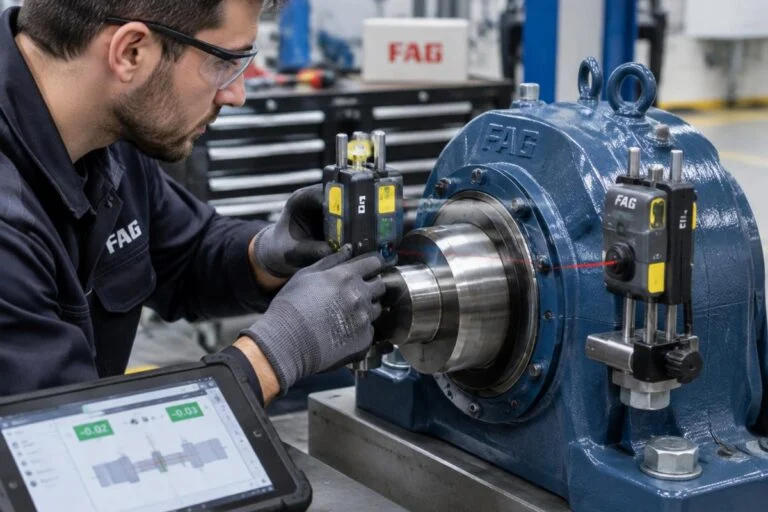
More grease does not mean better protection.
The primary cause of premature FAG bearing failure in US harvests is not heavy load, but microscopic wheat dust ingress caused by ignored installation clearances and improper seal seating.
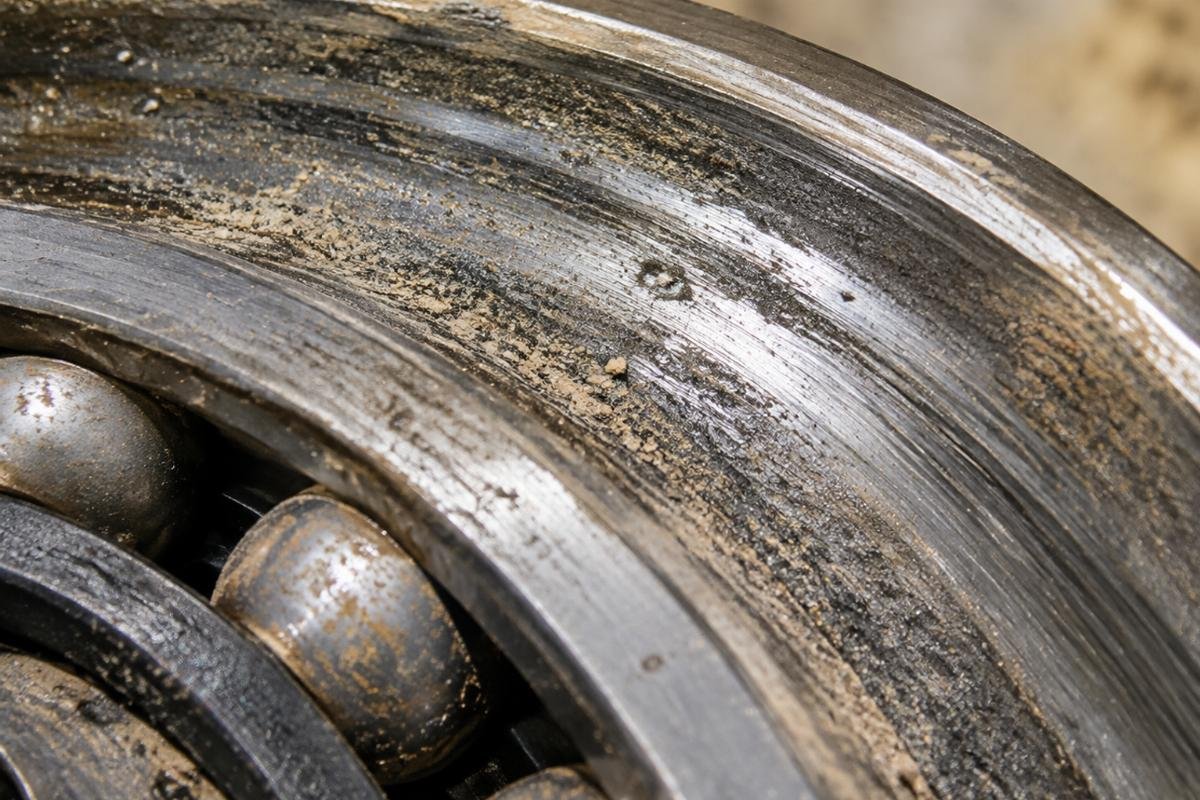
I still remember the smell of burnt metal and chaff hanging in the air of a Kansas combine harvester workshop. It was late October, the peak of the wheat harvest, and a fleet manager was staring at a seized spherical roller bearing that had failed just days after replacement. The mechanics had followed their usual routine: pack it with grease, hammer it on, and get back to the field. They assumed the failure was due to the sheer weight of the crop load. However, upon disassembly, the raceways showed no signs of overload spalling. Instead, they were scored with fine abrasive particles. The dust had bypassed the seals because the internal clearance was too tight for the thermal expansion during operation, forcing the seal lips to lift slightly under pressure. That burned unit taught me to obsess over installation manuals and operating conditions rather than just blaming the equipment’s workload.

Understanding this dynamic is critical for anyone sourcing components for harsh environments. When you look for reliable performance, knowing how to handle FAG bearings correctly becomes as important as selecting the right brand.
Why Do FAG Bearings Fail Prematurely in US Harvests?
Ignoring installation clearances and allowing dust ingress are the primary causes of sudden seizures.
In the high-dust environment of American agriculture, the enemy is not always visible. Wheat dust is finer than many industrial powders and can penetrate seals that appear intact to the naked eye. A common misconception among field technicians is that bearing failure is predominantly due to fatigue from heavy loads. In reality, the majority of catastrophic failures during peak season stem from contamination. When dust enters the rolling element interface, it acts as an abrasive paste, accelerating wear and generating heat. This heat expands the inner ring, which, if the initial internal clearance was not verified, leads to a loss of running clearance and eventual seizure.
Consider a case from a large-scale farming operation in the Midwest. The operator noticed increased vibration in the combine’s header drive. Instead of stopping to investigate, they continued running until the bearing locked up. Post-failure analysis revealed that the seal lip had been damaged during mounting because the shaft diameter tolerance was not checked against the bearing’s specific requirements. The damage created a micro-gap that allowed dust to enter. This was not a defect in the FAG bearing itself, but a failure in the installation protocol. For distributors and MRO managers, this highlights why technical guidance is as valuable as the product itself. When you source FAG bearings, ensuring your team understands these environmental risks is crucial for minimizing unplanned downtime.
How to Verify Correct Internal Clearance Before Mounting?
Strict adherence to FAG manual specs prevents internal friction and premature fatigue.
Internal clearance is the space between the rolling elements and the raceways. It is not a static value; it changes based on fitment and temperature. Many technicians skip this step, assuming standard clearance is sufficient for all applications. However, agricultural machinery often operates under varying thermal conditions. If the clearance is too small, thermal expansion eliminates the running gap, causing the bearing to run hot and fail quickly. If it is too large, vibration increases, leading to noise and potential cage damage.
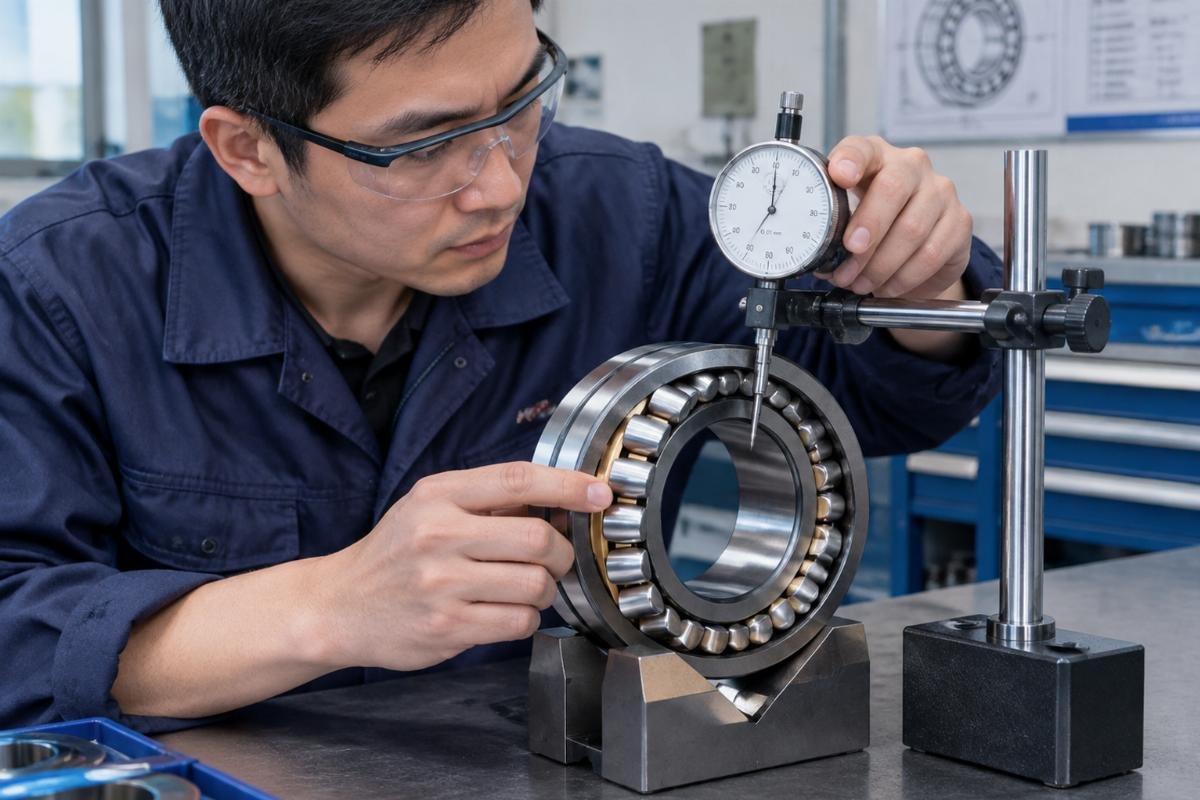
To verify clearance, use a feeler gauge or dial indicator before mounting. For spherical roller bearings, which are common in combines and planters, check the radial internal clearance. Compare the measured value against the manufacturer’s table for the specific clearance class, such as C3 or C4. If the bearing is mounted with an interference fit on the inner ring, the clearance will reduce. You must account for this reduction. A practical method is to measure the clearance after pressing the bearing onto the shaft but before installing the outer ring into the housing. This ensures that the fitment has not reduced the clearance below the minimum operational requirement.
| Clearance Check Step | Tool Required | Acceptance Criteria |
|---|---|---|
| Pre-mount Radial Check | Feeler Gauge / Dial Indicator | Matches specified C-class range |
| Post-fit Inner Ring Check | Dial Indicator | Reduced by calculated fitment amount |
| Final Running Clearance | Vibration Analysis / Temp Gun | Stable temperature rise within limits |
A US buyer once reported that switching to a systematic clearance verification process reduced their header bearing replacements by a noticeable margin. They found that many “defective” returns were actually installed with insufficient clearance. By training their staff to measure before mounting, they extended the service life meaningfully. This level of attention to detail is what separates professional MRO operations from reactive repair shops. When you procure FAG bearings, having access to technical datasheets that specify these clearance ranges is essential for your maintenance team.
What Are the Step-by-Step Sealing and Lubrication Protocols?
Proper seal seating and precise grease volumes block wheat dust without causing overheating.
Sealing is the first line of defense against contamination. In agricultural applications, labyrinth seals or contact seals are common. The key is ensuring the seal lip seats correctly on the shaft or sleeve. If the shaft surface has scratches or rust, the seal will leak. Always inspect the shaft surface finish before installing a new FAG bearing. A smooth, clean surface is non-negotiable.
Lubrication is equally critical. The belief that more grease equals better protection is dangerous. Over-greasing causes churning, which generates heat and can blow out seals. Under-greasing leads to metal-to-metal contact. The correct volume depends on the bearing size and speed. A general rule is to fill one-third to one-half of the free space in the housing for low-speed applications, and less for high-speed ones. For FAG bearings in combines, consult the specific grease replenishment calculation based on RPM. Use a high-quality lithium complex grease that resists water washout and oxidation.
- Clean the Housing: Remove all old grease and debris. Use a solvent that does not leave residue.
- Inspect Seals: Check for cuts or hardening. Replace if any damage is visible.
- Apply Grease: Use a calibrated grease gun to inject the calculated volume. Avoid pumping until grease exits the seal, as this indicates overfilling.
- Seat the Seal: Ensure the seal is pressed evenly into the housing bore. Use a dedicated tool if necessary to avoid tilting.
A planter row unit operator noted that correcting their grease volume and checking seal alignment led to a significant drop in operating temperatures. Previously, they would pump grease until it leaked, thinking this ensured full coverage. This practice was actually forcing dust past the seal lips due to internal pressure. By adopting precise lubrication protocols, they extended the lifespan of their equipment significantly. For those managing inventory, keeping genuine FAG replacement parts and compatible seals in stock ensures that these protocols can be followed without delay. Our traceability documentation helps verify that every seal and bearing meets the original specifications, providing peace of mind for urgent MRO needs.

How to Conduct Routine Condition Monitoring During Peak Season?
Regular temperature and vibration checks catch early degradation before catastrophic failure.
Waiting for a bearing to fail is not a strategy; it is a recipe for lost revenue. During peak harvest, equipment runs for extended hours, increasing the risk of sudden breakdowns. Implementing a simple condition monitoring routine can detect issues early. Temperature and vibration are the two most accessible indicators. A rising temperature trend often signals lubrication failure or excessive friction. Vibration changes can indicate early-stage wear or misalignment.
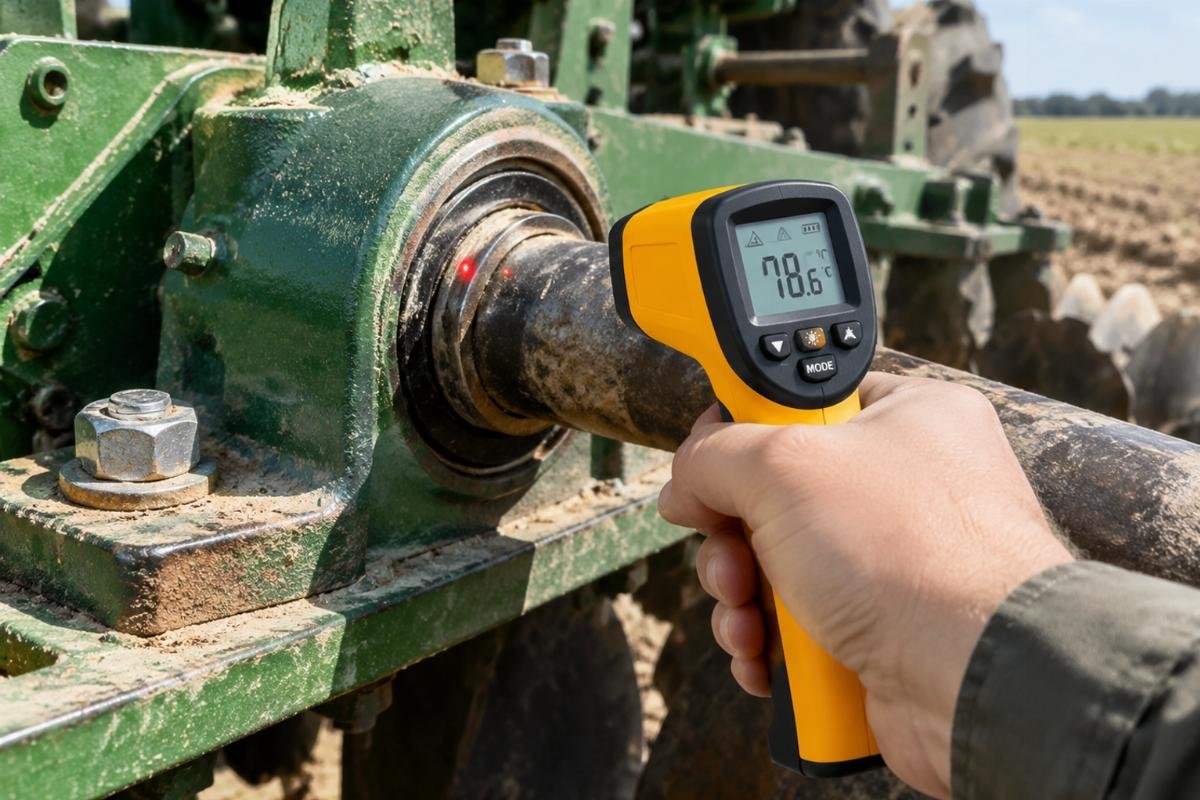
Use infrared thermometers to check bearing housing temperatures regularly. Compare readings across similar units on the same machine. A significant difference suggests a problem. For vibration, handheld analyzers can detect changes in frequency spectra that precede visible damage. Focus on the outer ring frequency, which often shows early signs of raceway damage. Record these readings daily during peak usage. This data creates a baseline that helps distinguish normal operational variations from genuine faults.
An irrigation pivot operator shared that switching to weekly temperature checks allowed them to schedule maintenance during off-hours rather than facing emergency breakdowns. They noticed a gradual temperature increase in one pivot point, which turned out to be a minor seal leak. Fixing it early prevented a major bearing seizure that would have halted the entire system. This proactive approach saves time and money. For distributors, offering technical support for failure analysis and application guidance adds value beyond just selling parts. It helps clients build resilience into their operations. When you source FAG bearings, consider suppliers who provide this level of technical backing, ensuring you have the knowledge to keep your machinery running smoothly.
Conclusion
Precision in installation and vigilance in monitoring define bearing longevity.
Proper handling of FAG bearings in US farm machinery requires more than just swapping parts. It demands a disciplined approach to clearance verification, sealing, and lubrication. By understanding the real causes of failure—dust ingress and improper fitment—you can prevent costly downtime. Keep your maintenance protocols strict and your monitoring consistent. This ensures that your equipment remains reliable throughout the demanding harvest season.