

Product details
Description and application notes
Official App Verification — Every FAG 22320-E1-XL-K-C2 spherical roller bearing we dispatch includes a scannable QR code for immediate origin authentication via the manufacturer's official application, ensuring absolute confidence in the supplied components.
Technical Specifications
| Parameter | Value |
|---|---|
| Designation | FAG 22320-E1-XL-K-C2 |
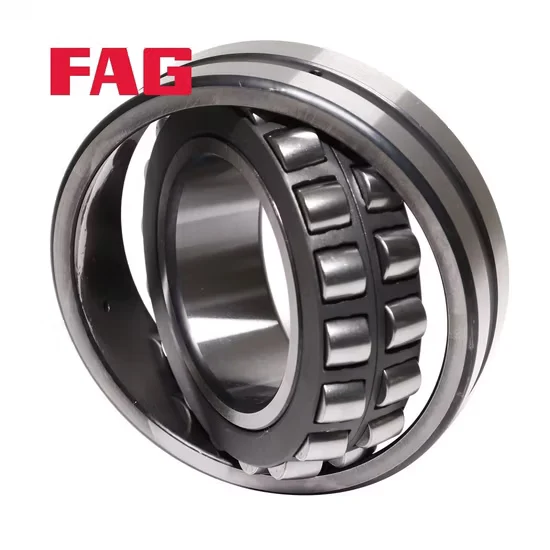
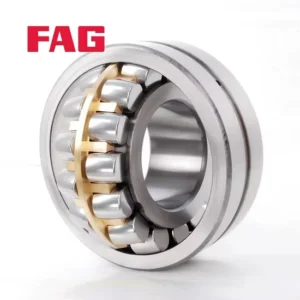
| Bearing Type | Spherical Roller Bearing |
| Structure | Double Row, Self-Aligning |
| Bore Type | 1:12 Tapered Bore (K suffix) |
| Clearance Class | C2 |
| Material | Chrome Steel Gcr15 (standard) or stainless variants available |
| Cage Material | Steel, brass, or polyamide cages available based on application |
| Precision Class | P0 / P2 / P4 / P5 / P6 (available options) |
| Origin | Jiangsu China (subject to batch verification) |
Note: E1 and XL are unverified suffixes requiring manufacturer catalog confirmation.
Application Suitability
| Industry | Typical Applications |
|---|---|
| Mining & Construction | Vibrating screen exciter mechanisms, primary jaw crusher eccentric shafts |
| Metallurgy & Steel Mills | Continuous caster roll segments, rolling mill guide rollers |
| Pulp & Paper | Paper machine dryer section felt rolls |
Why Tighter Clearance Fails in High-Heat Steel Mill Environments
Selecting the right FAG 22320-E1-XL-K-C2 spherical roller bearing requires matching the internal clearance to the actual operating temperature, not just the catalog default.
Thermal expansion rapidly consumes C2 clearance, leading to catastrophic internal preload and premature seizure.
I learned this the hard way early in my procurement career when a steel mill rolling line seized because a standard clearance bearing was installed in a high-heat zone. The thermal growth of the shaft and housing completely eliminated the internal gap. When heavy machinery operates under extreme thermal gradients, ignoring the thermodynamic realities of internal clearance guarantees unplanned downtime and severe mechanical damage. Maintenance teams often overlook how ambient heat and friction combine to destroy tight-tolerance components.
Aligning Tapered Bore Geometry with Heavy-Duty Mounting
When dealing with heavy vibrating screens or crushers, achieving a secure interference fit on the shaft is non-negotiable. The 1:12 tapered bore design of this FAG 22320-E1-XL-K-C2 spherical roller bearing allows maintenance teams to drive the inner ring up the tapered sleeve with precision. This mounting method ensures the correct residual clearance is maintained after installation, which is critical for our clients managing mixed-fleet heavy equipment where rapid, reliable changeouts are essential. Proper fitment directly translates to longer service intervals and reduced vibration transfer to the surrounding structural steel.
Managing Shock Loads and Misalignment in Mineral Processing
Crushers and vibrating screens subject bearings to severe shock loads and continuous shaft deflections. The double-row, self-aligning structure inherently compensates for static and dynamic misalignment, preventing edge loading on the rollers. Furthermore, the heavy impact forces demand a cage design that can withstand intense vibration without fracturing. Proper lubrication routing is equally vital; without adequate grease distribution to the highly stressed contact zones, surface fatigue accelerates rapidly under these punishing operational profiles. Ignoring these dynamic forces inevitably leads to spalling and catastrophic raceway degradation.
Decoding the Internal Geometry and Clearance Selection
The C2 clearance class indicates an internal radial gap that is smaller than the standard CN class. This tighter tolerance is specifically engineered for applications where the outer ring is heavily loaded and the operating temperatures remain relatively stable, preventing excessive shaft float. The K suffix confirms the 1:12 tapered bore, facilitating secure mounting on adapter sleeves for tight interference fits. Meanwhile, the double-row self-aligning architecture ensures that minor housing bore misalignments do not translate into destructive edge stresses on the chrome steel rolling elements. Understanding these geometric nuances is what separates routine maintenance from chronic equipment failure.
The Financial Drain of Premature Seizure and Downtime
Installing a bearing with incorrect internal clearance in a high-temperature or high-speed application inevitably leads to excessive friction and heat generation. This thermal runaway quickly degrades the lubricant and causes the rolling elements to skid or seize within the raceway. According to industry frameworks, such premature failures not only destroy the bearing itself but often score the shaft and damage the housing, resulting in catastrophic secondary damage and extensive production losses. The true cost is never just the replacement part; it is the halted production line and the emergency labor required to fix the collateral damage.
Securing Traceability and Precision in Every Shipment
Sourcing genuine components for critical machinery requires more than just a competitive price; it demands rigorous verification. We supply this specific tapered bore model with complete batch traceability, ensuring the C2 clearance and material certifications match the physical units. Our engineering team actively reviews your application parameters to confirm that the tighter clearance is actually appropriate for your thermal profile, preventing the exact seizure issues I encountered in my early procurement days. Furthermore, our flexible consolidation shipping allows you to mix this specific reference with other maintenance spares in a single container, optimizing your freight costs without sacrificing quality control.
Documentation & Authenticity
- Certificate of Conformity validating the specific C2 internal clearance class for this batch.
- Scannable QR codes linking directly to the manufacturer's official authentication database.
- Material inspection reports confirming the chrome steel composition and heat treatment hardness.
- Dimensional inspection certificates verifying the 1:12 tapered bore geometry and tolerances.
Storage, Handling & Mounting
- Keep the original packaging sealed until mounting to protect the tapered bore from ambient moisture and corrosion.
- Use induction heating for the inner ring, strictly monitoring temperature to preserve the C2 clearance integrity.
- Measure the drive-up distance on the adapter sleeve to achieve the precise residual clearance required for this self-aligning design.
- Apply clean gloves when handling the exposed chrome steel surfaces to prevent acidic sweat from initiating surface rust.
Engineering Review for Optimal Fitment
To ensure this tapered bore configuration perfectly matches your machinery, please provide the exact radial and axial load profiles along with the operating temperature range. Sharing the OEM equipment number allows our technical team to perform a comprehensive cross-reference check and verify the L10 life calculation. This data enables us to confirm whether the tighter internal clearance is optimal or if a different clearance class would better suit your thermal expansion dynamics. Providing detailed operational context ensures that the selected component delivers maximum reliability under your specific working conditions, eliminating guesswork from your maintenance strategy.
Frequently Asked Questions
Q: How does the C2 clearance differ from standard CN in this application?
A: The C2 designation indicates an internal radial clearance smaller than the normal CN class. This tighter gap is advantageous in applications with heavy outer ring loads and minimal thermal expansion. However, if your vibrating screen operates at elevated temperatures, the thermal growth might eliminate this gap, making a C3 or C4 clearance necessary to prevent internal preload and seizure.
Q: What is the correct mounting procedure for the 1:12 tapered bore?
A: Mounting the tapered bore requires an adapter sleeve and a lock nut. You must drive the inner ring up the tapered shaft to a specific drive-up distance, which reduces the internal clearance to the correct residual value. Always measure the clearance reduction during installation to ensure the bearing is neither too loose nor too tightly preloaded against the raceway.
Q: How can I verify the authenticity of the bearing before installation?
A: Every genuine unit we supply features a unique QR code on the packaging. You can scan this code using the manufacturer's official smartphone application to instantly verify the production batch, origin, and specifications. We also provide original certificates of conformity and dimensional inspection reports to guarantee complete traceability and peace of mind for your maintenance team.
Q: Why is the self-aligning structure critical for vibrating screens?
A: Vibrating screens experience significant shaft deflections and housing misalignments during operation. The double-row self-aligning design allows the inner ring and roller assembly to pivot slightly within the outer ring. This flexibility prevents destructive edge loading on the rollers, ensuring even stress distribution and noticeably extending the fatigue life of the bearing under severe dynamic conditions.