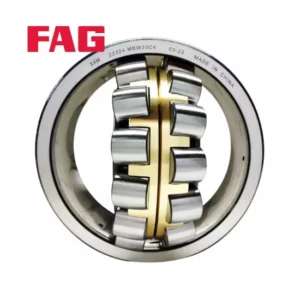
Product details
Description and application notes
Mixed-Brand Sourcing Consolidation — Procure this exact FAG designation alongside other OEM-specified lines in a single unified shipment without juggling multiple vendors.
Technical Specifications
| Parameter | Value |
|---|---|
| Designation | FAG 23068-MB-C3 |
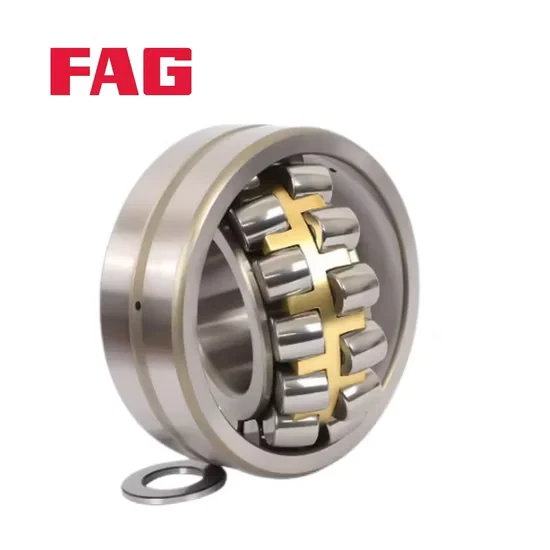
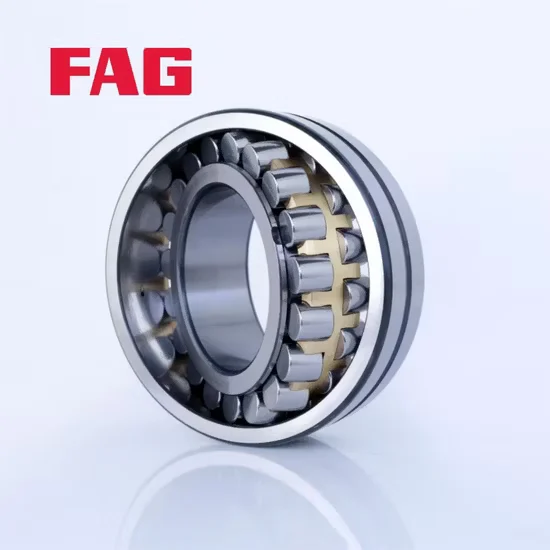
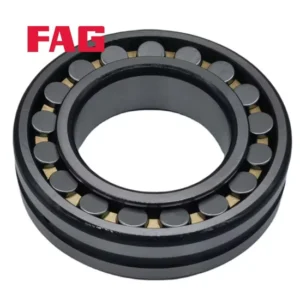
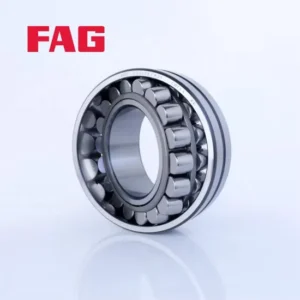
| Bearing Type | Spherical Roller Bearing |
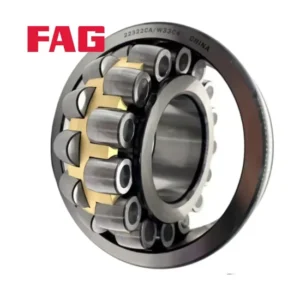
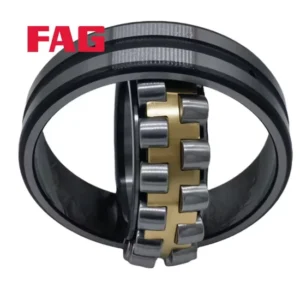
| Structure | Double Row, Self-Aligning |
| Cage Material | Machined Brass (Inner Ring Guided) |
| Clearance Class | C3 |
| Material | Chrome Steel Gcr15 |
| Origin | Jiangsu, China |
Application Suitability
| Industry | Typical Applications |
|---|---|
| Steel Manufacturing | Continuous casting machine segments and roll guide assemblies |
| Mining & Aggregates | Vibrating screen exciter mechanisms and primary jaw crushers |
| Heavy Construction | Articulation joints and slewing mechanisms in large earthmovers |
Why Cage Material Dictates Survival for the FAG 23068-MB-C3 Spherical Roller Bearing in Steel Mills
A machined brass cage prevents catastrophic fragmentation under extreme vibration and thermal cycling.
I learned this the hard way on a continuous casting project in Saudi Arabia when a supplier swapped an MB brass cage for a stamped steel alternative. The cage shattered under high-temperature vibration, seizing the entire line and causing massive unplanned downtime. When sourcing a FAG 23068-MB-C3 spherical roller bearing, overlooking that two-letter suffix turns a premium component into a critical liability. The intense mechanical shocks in steel mill rolling lines demand a cage material that can absorb kinetic energy without fracturing. Stamped steel cages simply lack the structural mass and damping characteristics required for these extreme duty cycles, leading to rapid fatigue cracking at the pocket edges.
Aligning Heavy Radial Loads with Self-Aligning Geometry
The double-row self-aligning architecture inherently compensates for shaft deflection and housing misalignment common in heavy machinery. By integrating a heavy-duty inner-ring-guided brass cage, this FAG 23068-MB-C3 spherical roller bearing maintains roller stability even when subjected to severe shock loads. Our engineering team routinely cross-verifies these exact suffix requirements against OEM manuals to ensure the internal geometry matches the specific load profile of your equipment. In applications like primary jaw crushers, the eccentric motion generates immense radial forces that can easily bind a rigid bearing design. The spherical outer raceway allows the inner ring and cage assembly to pivot slightly, distributing the load evenly across both rows of rollers and preventing localized edge stressing.
Managing Thermal Expansion and Contamination in Harsh Environments
Heavy industrial environments subject components to intense thermal gradients and abrasive particulate ingress. Elevated operating temperatures cause internal components to expand, making the selection of appropriate internal clearance absolutely critical to prevent binding. Furthermore, continuous exposure to dust and scale demands rigorous lubrication protocols and effective sealing solutions to prevent abrasive wear. Proper alignment during installation is equally vital to avoid inducing artificial internal stresses that accelerate fatigue. In mining and aggregate processing, airborne silica dust can easily penetrate inadequate seals, mixing with the grease to form a lapping compound that rapidly destroys the raceway finish. Maintaining a positive pressure within the housing through regular purging is essential to keep these contaminants out.
Decoding the MB and C3 Suffixes for Operational Reliability
The MB designation specifies a solid machined brass cage guided on the inner ring, offering superior durability and vibration resistance compared to stamped steel or polyamide alternatives. This specific cage design ensures the rolling elements remain precisely spaced under heavy radial loads and high shock conditions. Meanwhile, the C3 clearance class provides greater internal radial clearance than standard CN. This extra clearance accommodates thermal expansion of the shaft and housing, preventing the bearing from seizing when operating at elevated temperatures or under tight interference fits. The inner ring guidance also helps to minimize cage wear during start-up and low-speed operation, as the sliding friction is concentrated on the harder, more wear-resistant inner ring rib rather than the outer ring.
The Financial Impact of Suffix Substitution
Substituting a specified brass cage with a cheaper stamped steel variant might seem insignificant on a purchase order, but it drastically alters the fatigue life under vibratory conditions. Such unauthorized deviations frequently lead to cage fragmentation, which subsequently destroys the raceways and rolling elements. According to failure analysis frameworks, this type of catastrophic damage results in extended production halts and secondary damage to adjacent drivetrain components, far exceeding the initial savings. When a cage fails, the rolling elements cluster together, causing immediate skidding and severe surface smearing on the raceways. This secondary damage often necessitates the replacement of the entire housing assembly and drive shafts, multiplying the maintenance costs and extending the equipment downtime significantly.
Securing Traceability and Suffix Accuracy
We strictly verify every suffix, ensuring the MB cage and C3 clearance exactly match your engineering requirements without unauthorized substitutions. Our extensive spot inventory allows us to fulfill urgent single-unit emergency orders or consolidate full-container mixed-brand shipments efficiently. We provide complete traceability documentation for every unit, eliminating the risk of counterfeit or downgraded components entering your critical machinery. Furthermore, our technical team offers cross-brand equivalent consultations and post-installation failure analysis support to optimize your long-term maintenance strategy. By maintaining direct relationships with authorized distribution channels, we guarantee that the metallurgical quality and dimensional tolerances of every bearing meet the strict original equipment manufacturer specifications, protecting your assets from premature degradation.
Documentation & Authenticity
- Original manufacturer batch traceability codes linking directly to the production facility.
- Dimensional and running accuracy inspection reports confirming C3 internal clearance tolerances.
- Material certification verifying the Gcr15 chrome steel and machined brass cage composition.
- Certificate of Conformity validating the exact FAG 23068-MB-C3 designation without suffix deviations.
Storage, Handling & Mounting
- Retain the original vapor-phase inhibitor packaging until mounting to protect the Gcr15 chrome steel surfaces from humidity.
- Use induction heating for the inner ring installation, strictly monitoring temperature to preserve the C3 internal clearance.
- Handle the machined brass cage with clean gloves to prevent acidic sweat from initiating localized corrosion on the guiding surfaces.
- Verify shaft and housing tolerances before pressing, ensuring the interference fit does not eliminate the designated C3 radial clearance.
Engineering Review for Optimal Selection
To ensure this component perfectly matches your operational parameters, please share your specific radial and axial load profiles, operating speeds, and ambient temperature ranges. Providing the exact OEM equipment model number allows our technical team to perform a thorough cross-reference check and L10 life calculation. If your application involves extreme contamination or thermal cycling, detailing these environmental factors helps us validate the suitability of the MB cage and C3 clearance configuration. We can also recommend specific sealing arrangements and lubrication intervals based on your exact site conditions, ensuring the bearing achieves its maximum theoretical service life without unexpected interruptions.
Frequently Asked Questions
Q: How can I verify the authenticity of the brass cage material before installation?
A: You can request the material inspection report that confirms the chemical composition of the machined brass cage. Additionally, visual inspection of the cage pockets and guiding surfaces should reveal a solid machined finish rather than a stamped or welded construction. We provide full batch traceability to validate the origin.
Q: How does the inner ring guided brass cage improve performance under heavy loads?
A: The inner ring guidance ensures the cage is driven by the inner ring rib, which minimizes sliding friction during start-up and low-speed operation. This design provides superior roller stability and vibration damping compared to outer ring guided alternatives, making it ideal for heavy radial loads and severe shock conditions.
Q: When is C3 clearance strictly required over standard CN clearance?
A: C3 clearance is essential when the operating environment involves significant thermal expansion, high-speed rotation, or heavy interference fits on the shaft. The extra internal space prevents the bearing from seizing as the inner ring expands. Always verify the OEM specification before substituting a standard clearance bearing.
Q: How should double row spherical roller bearings be aligned during installation?
A: Proper alignment requires using precision dial indicators to check shaft deflection and housing bore parallelism before mounting. The self-aligning capability compensates for minor static misalignments, but forcing the bearing into a severely misaligned housing induces artificial internal stresses. This drastically reduces the fatigue life of the raceways.
Q: What lubrication practices are recommended for vibrating screen applications?
A: Vibrating screens demand high-viscosity lubricants with extreme pressure additives to withstand severe shock loads and cage stress. Regular relubrication intervals must be established to flush out abrasive contaminants and replenish the oil film. Over-lubrication should be avoided to prevent excessive churning temperatures within the bearing housing.