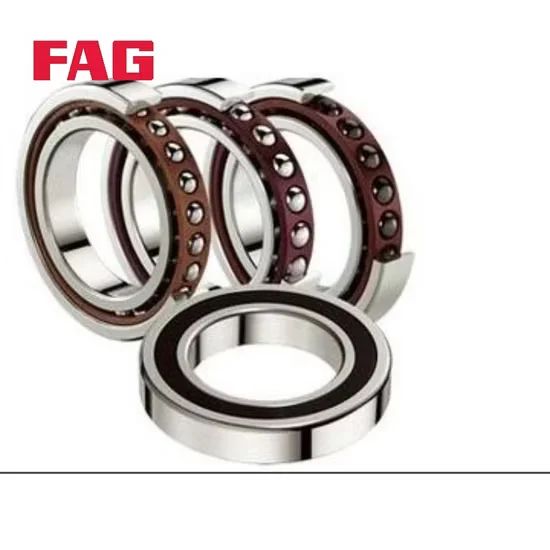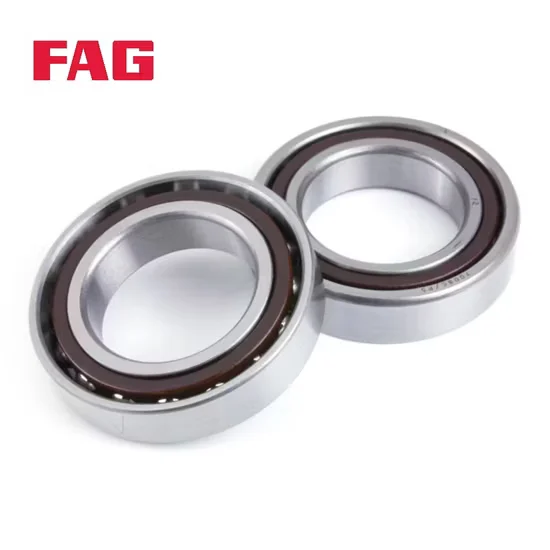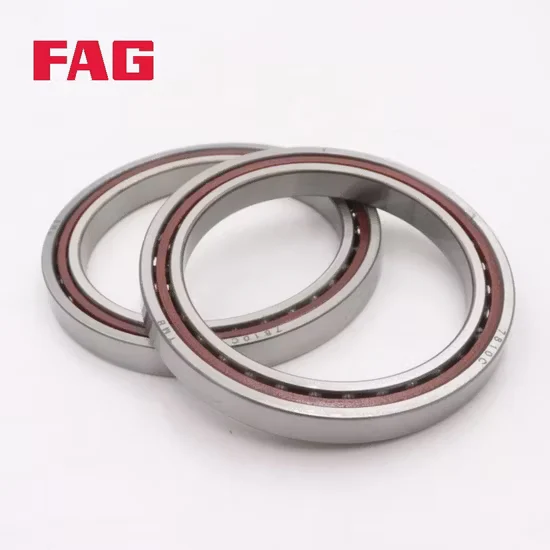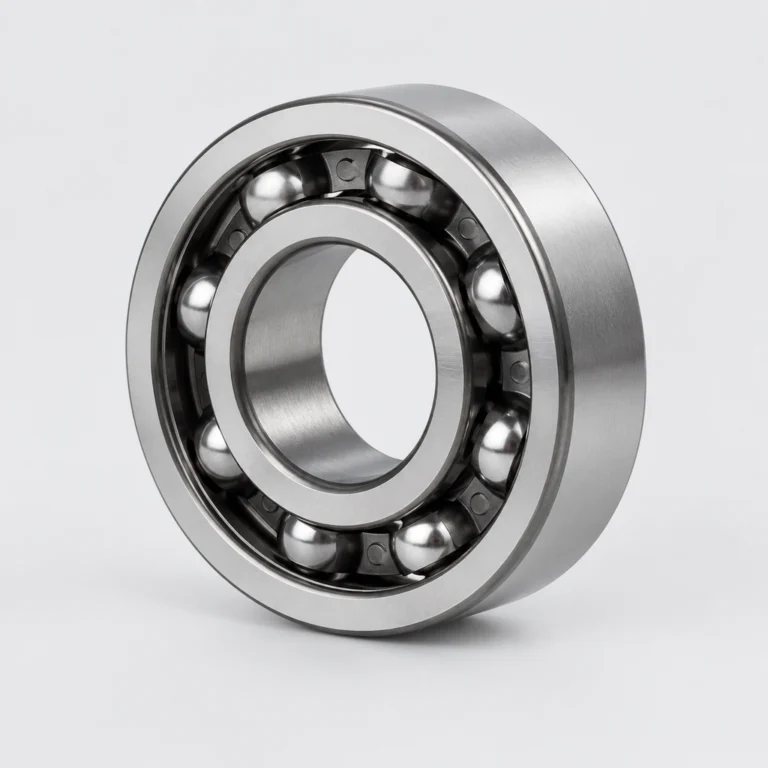



Product details
Description and application notes
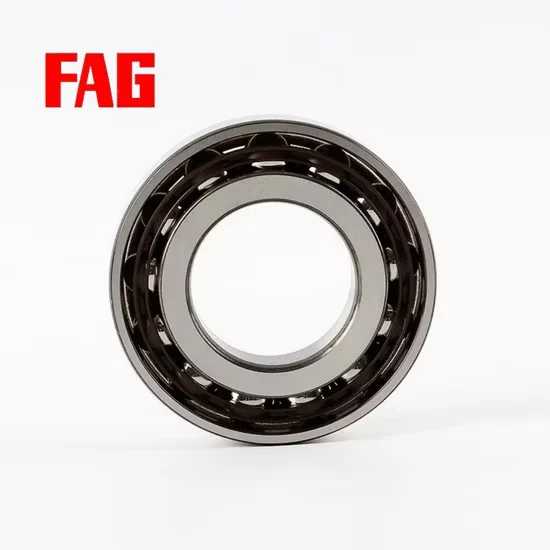
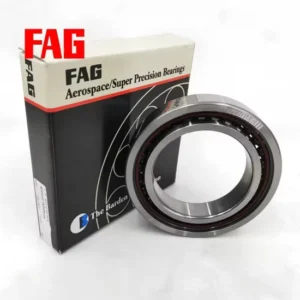
Original Batch Traceability — Every FAG HS7007-C-T-P4s-UL angular contact ball bearing ships with factory lot documentation linking directly to the production run.
Technical Specifications
| Parameter | Value |
|---|---|
| Designation | HS7007-C-T-P4s-UL FAG |
| Bearing Type | Angular Contact Ball Bearing |
| Precision Class | P4s (ISO) |
| Contact Angle | 15° (C suffix) |
| Material | Bearing Steel |
| Origin | Jiangsu China |
| Certification | ISO compliant |
Application Suitability
| Industry | Typical Applications |
|---|---|
| Machine Tool Manufacturing | CNC machine spindles and high-speed milling centers |
| Precision Engineering | Robotics joints and high-speed pumps |
| Industrial Automation | Precision equipment rotary axes |
Why the FAG HS7007-C-T-P4s-UL angular contact ball bearing Fails Before the Steel Does
Thermal expansion from incorrect preload selection destroys running accuracy long before material fatigue sets in.
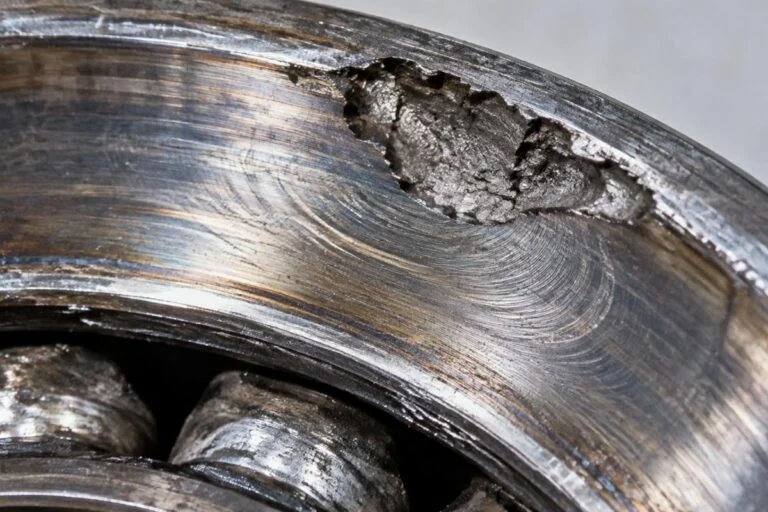
I learned this the hard way in Riyadh when a mismatched preload suffix on a similar spindle bearing caused the shaft to seize under high-speed operation. The friction heat expanded the inner ring, eliminating internal clearance and locking the rolling elements. Sourcing authentic components across the Middle East often involves managing complex supply chains, but skipping technical verification leads to catastrophic downtime. When procurement teams focus solely on part number matching without decoding the exact suffix architecture, they introduce severe operational risks. The resulting spindle rebuilds cost significantly more than the initial investment and disrupt tightly scheduled production runs.
Matching Spindle Dynamics with Precision Tolerances
High-speed milling centers demand extreme dimensional stability, which the FAG HS7007-C-T-P4s-UL angular contact ball bearing delivers through its stringent P4s precision class. When the spindle accelerates, microscopic deviations in raceway geometry amplify into destructive harmonic vibrations. Our supply chain ensures mixed-brand project orders maintain strict tolerance consistency, preventing vibration issues during heavy cutting cycles. This alignment between component capability and machine requirement is critical for maintaining surface finish quality. By securing bearings with verified running accuracy, machinists can push feed rates higher without compromising the geometric integrity of the finished part.
Managing Thermal and Load Challenges in Milling Centers
CNC spindles experience combined radial and axial loads while generating significant friction heat at high rotational speeds. The 15° contact angle optimizes the balance between axial rigidity and high-speed capability, reducing thermal buildup compared to steeper angles. However, thermal management relies heavily on proper lubrication intervals and clean environments to prevent particulate ingress. Oil-air lubrication systems must be calibrated precisely to deliver the exact film thickness without causing churning losses. If the cooling system fails, localized temperature spikes will rapidly alter the preload state, pushing the bearing toward thermal runaway.
Decoding the Suffix Architecture for Spindle Applications
The C suffix confirms the 15° contact angle, essential for minimizing friction heat in high-RPM applications where thermal stability dictates machining accuracy. P4s denotes a precision class guaranteeing tight dimensional and running accuracy, directly influencing rotational smoothness. Single-row angular contact designs are typically mounted in pairs to accommodate bidirectional axial loads and provide cutting rigidity. Selecting the correct preload is non-negotiable; light preload suits high speeds, whereas heavy preloads provide rigidity for interrupted cuts. Misinterpreting these architectural details during procurement is the primary root cause of premature spindle seizures in the field.
The Downtime Multiplier of Incorrect Preload Selection
Installing a spindle bearing with the wrong preload class results in excessive friction heat, leading to premature seizure and catastrophic damage to the spindle housing. This unplanned downtime far exceeds the initial component cost, voiding machine warranties and delaying critical production schedules. According to industry frameworks, improper mounting and selection account for a significant share of premature failures, often misdiagnosed as material fatigue. When a heavy preload is forced into a high-speed application, generated heat outpaces cooling capacity, causing steel expansion that eliminates all internal clearance. The resulting mechanical lock destroys the bearing and often requires complete spindle replacement.
Securing Authentic Spindle Components Without the Direct-Channel Markup
We provide genuine FAG products with complete traceability, ensuring the P4s precision class is verifiable through original factory documentation. Our technical team cross-references preload and cage specifications to prevent the exact suffix mismatches that cause spindle seizures, drawing on extensive field experience. We maintain massive spot inventory for standard and special part numbers, eliminating typical multi-week lead times for urgent maintenance requirements. Flexible consolidation allows mixed-size bearing packages to ship efficiently to MRO clients, reducing freight costs. Furthermore, our inspection services verify dimensional accuracy before dispatch, safeguarding your equipment's operational integrity from the moment it is mounted.
Documentation & Authenticity
- Certificate of Conformity confirming ISO compliance for the P4s precision grade.
- Original factory batch traceability linking the production run to the specific bearing set.
- Official app QR code verification to authenticate the FAG origin before installation.
- Dimensional and running accuracy inspection reports validating the 15° contact angle tolerances.
- Material certification ensuring the bearing steel meets metallurgical standards for spindle use.
Storage, Handling & Mounting
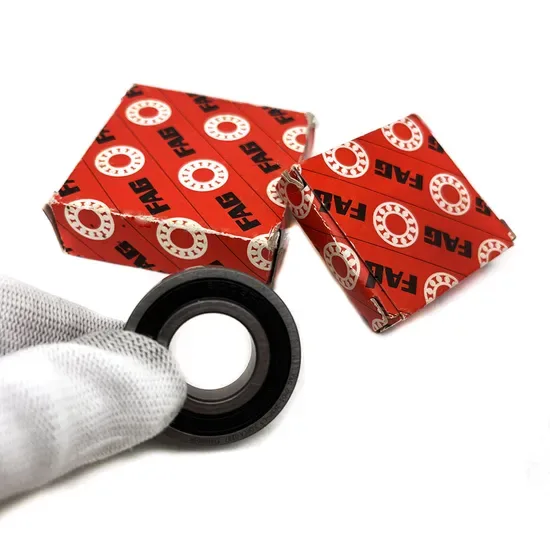
- Keep the P4s precision bearing in its original packaging to prevent dust contamination on the raceways.
- Store the single-row bearing in a temperature-controlled environment to avoid thermal distortion before mounting.
- Use clean lint-free gloves when handling the 15° contact angle bearing to prevent moisture-induced corrosion.
- Verify the matched set markings before installation to ensure the correct preload arrangement is maintained.
- Apply the specified spindle oil rather than grease if the bearing operates in an open, oil-air lubrication system.
Preparing Your Technical Parameters for Selection Review
To ensure optimal spindle performance, share your specific radial and axial load profiles, maximum operating speeds, and thermal conditions within the spindle housing. Providing the original OEM equipment number allows our engineering team to perform precise cross-reference checks and verify the correct preload configuration against machine builder specifications. This technical review guarantees the selected bearing aligns perfectly with dynamic requirements, preventing the costly trial-and-error approach. By supplying these operational details upfront, you receive a validated selection that maximizes service life and maintains peak machining accuracy.
Frequently Asked Questions
Q: How can I verify the authenticity of this FAG spindle bearing?
A: You can authenticate the bearing by scanning the QR code on the packaging using the manufacturer's official app. Additionally, we provide original factory batch traceability documents and a Certificate of Conformity that confirm the P4s precision class and material origin, ensuring complete supply chain transparency.
Q: What do the unverified suffixes T and UL indicate for this model?
A: While the C and P4s suffixes confirm the 15° contact angle and precision class, the T and UL designations require direct verification against the manufacturer's latest catalog. These suffixes typically define specific cage materials or preload levels, which are critical for matching the exact thermal and rigidity demands of your CNC spindle.
Q: How does the P4s precision class differ from standard P4 in ISO standards?
A: The P4s class represents an enhanced precision level that offers tighter tolerances for running accuracy and dimensional stability compared to standard P4. This tighter control is essential for high-speed CNC spindles, as it minimizes vibration and ensures superior surface finish quality during demanding milling operations.
Q: Why is the 15° contact angle preferred for high-speed spindle applications?
A: A 15° contact angle generates less friction heat and offers lower axial rigidity compared to a 25° angle, making it ideal for high-RPM operations. This design reduces thermal expansion within the spindle assembly, preventing the bearing from seizing and maintaining consistent rotational accuracy under continuous high-speed cutting conditions.
Q: What information is needed to select the correct preload for my spindle?
A: You need to provide the maximum operational speed, expected axial and radial loads, and the required rigidity for your specific machining tasks. Our technical team uses these parameters to recommend the appropriate preload configuration, preventing the excessive heat generation that occurs when a heavy preload is mistakenly applied to a high-speed application.