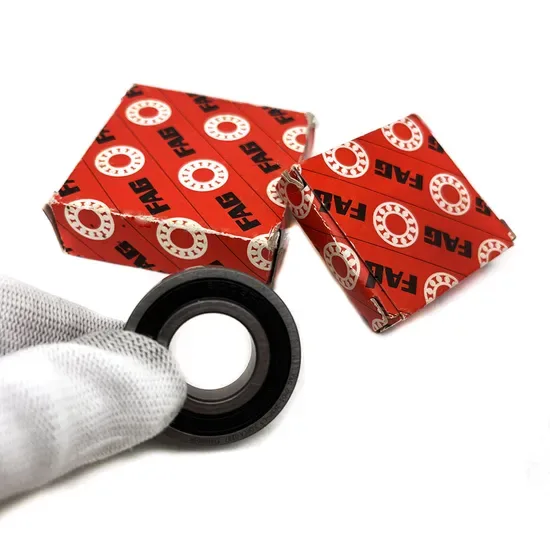
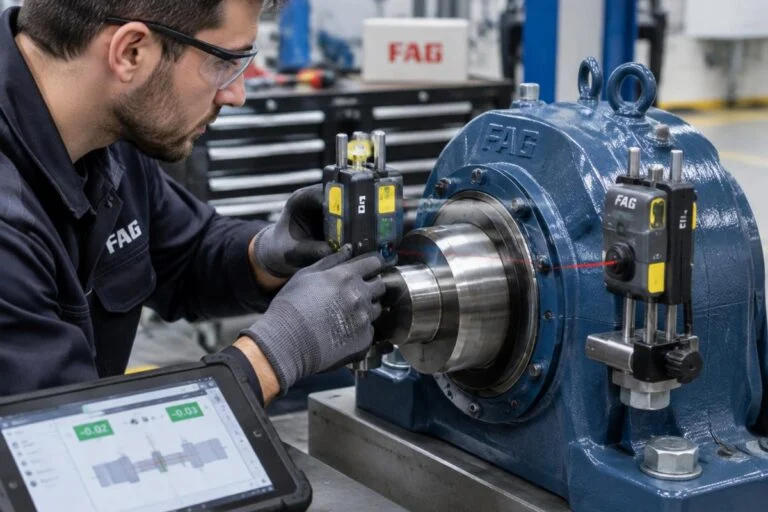
Most premature FAG bearing failures in motor shops are not caused by manufacturing defects, but by installation errors and contamination.
The root causes of FAG bearing failure typically stem from improper press-fitting techniques, dirty workshop environments introducing abrasive particles, or the use of counterfeit components that lack proper heat treatment. Systematic failure analysis using visual inspection and vibration spectrum monitoring can identify these issues before they lead to catastrophic equipment downtime. Sourcing genuine replacements with full traceability documentation is the most effective way to prevent recurrence and ensure operational reliability.
I still remember the smell of burnt oil and the silence of a stopped production line in Riyadh. It was early in my career, and I had authorized a batch of non-genuine FAG spherical roller bearings for a heavy-duty crusher to cut costs. The savings looked good on paper. Six months later, the cage fractured under load. The resulting downtime cost far more than the initial price difference. That incident shifted my focus entirely. Now, when I inspect failed units in workshops across Dubai or Jeddah, I look past the obvious damage. I check for false brinelling from transit vibrations or thermal spikes from incorrect installation tools. These details tell the real story behind FAG bearing failures.

Understanding these failure modes helps repair shop owners and distributors avoid costly warranty claims. Instead of blaming the brand, we must look at the handling and sourcing process.
What Are the Most Common FAG Bearing Failure Modes?
Identifying the specific type of damage is the first step in diagnosing the issue. Most failures fall into distinct categories defined by international standards. Recognizing these patterns allows for targeted corrective actions rather than guesswork.
Spalling is one of the most frequent signs of fatigue. It appears as small chunks of material breaking away from the raceway or rolling elements. While often attributed to normal wear, premature spalling usually indicates overloading or misalignment. In many cases, false brinelling occurs during transit if the bearing is subjected to vibration while stationary. This creates indentations that act as stress concentrators, leading to early crack initiation.
Abrasive wear presents differently. You will see a polished or scratched surface on the rolling elements and raceways. This is almost always caused by contamination. Dust, dirt, or degraded lubricant particles enter the system and act like grinding paste. The size of these particles relative to the oil film thickness determines the severity of the damage. In dusty workshop environments, this is a constant threat.
Thermal damage is another critical indicator. Discoloration of the steel, ranging from blue to black, signals excessive heat. This often happens during installation if a bearing is heated unevenly or if there is insufficient clearance after mounting. In severe cases, the steel structure changes, leading to immediate loss of hardness and rapid failure.
| Failure Mode | Visual Indicator | Primary Cause | Prevention Strategy |
|---|---|---|---|
| Spalling | Flaked material on raceway | Overload, Misalignment, False Brinelling | Proper storage, Correct alignment |
| Abrasive Wear | Scratched, polished surfaces | Contamination, Poor Lubrication | Clean environment, Sealed units |
| Thermal Damage | Blue/black discoloration | Improper Heating, Tight Fit | Induction heaters, Clearance checks |
| Corrosion | Red/brown rust spots | Moisture, Acidic Lubricants | Proper packaging, Rust inhibitors |

By categorizing the damage correctly, you can pinpoint whether the issue lies in the application, the environment, or the component itself. This clarity is essential when discussing FAG bearing failures with suppliers or engineers.
How to Conduct a Step-by-Step Failure Analysis?
A structured approach to failure analysis prevents misdiagnosis. Randomly replacing parts without understanding the root cause leads to repeated breakdowns. A systematic inspection process reveals the underlying issues.
Start with a visual inspection of the external condition. Look for signs of leakage, corrosion, or physical damage to the housing. Check the lubricant for discoloration or metal particles. The presence of fine metallic dust suggests advanced wear, while larger chips indicate catastrophic failure.
Next, perform dimensional checks. Measure the internal clearance and compare it to the manufacturer’s specifications. Excessive clearance indicates wear, while insufficient clearance points to installation errors or thermal expansion issues. Use precision micrometers and dial indicators for accurate readings. Deviations from standard tolerances provide concrete evidence of misuse or defect.
Vibration spectrum analysis offers deeper insights into internal conditions. Specific frequency peaks can identify issues with rolling elements, cages, or raceways. For instance, high-frequency noise often correlates with surface roughness or minor spalling, while lower frequencies may indicate misalignment or looseness. This non-destructive testing method allows for early detection before visible damage occurs.
Microscopic examination can reveal subtle details invisible to the naked eye. Electron microscopy can identify the nature of contaminants or the progression of fatigue cracks. This level of detail is crucial for high-value applications where failure consequences are severe. It helps distinguish between material defects and operational stresses.
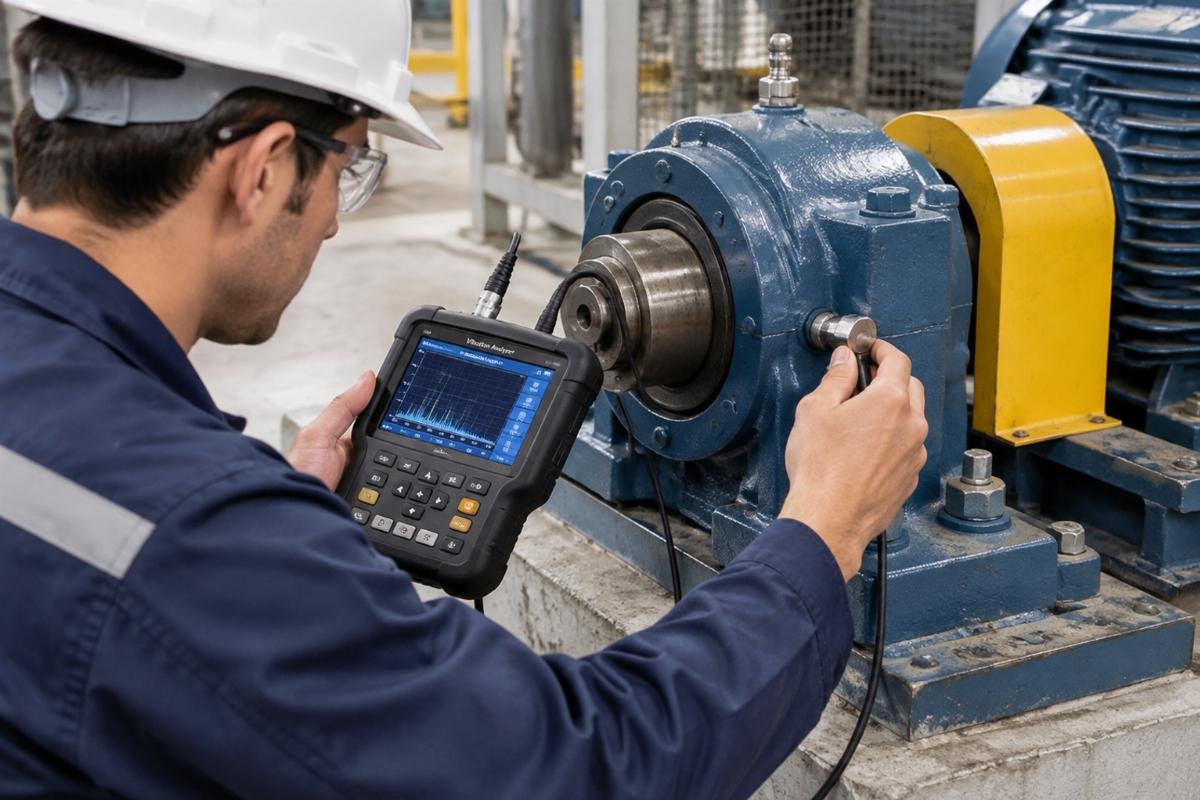
Combining these methods creates a comprehensive picture of the failure. It moves the conversation from speculation to fact-based diagnosis. This rigor is vital for maintaining trust with clients who rely on your expertise to keep their operations running.
Why Do Installations Fail in Motor Shops?
Installation errors are a leading cause of premature bearing failure. Even the highest quality components will fail if handled incorrectly. Understanding common mistakes helps improve workshop practices.
Press-fitting errors are frequent. Using a hammer directly on the bearing ring damages the raceway and rolling elements. Always use a proper sleeve or press tool to distribute force evenly. Applying force to the wrong ring can also cause internal damage. For example, pressing on the outer ring when mounting on a shaft transfers load through the rolling elements, causing indentations.
Contamination during installation is another major risk. Open bearings exposed to dusty air accumulate particles instantly. These particles become embedded in the soft metal or circulate in the lubricant, causing abrasive wear. Keep bearings in their original packaging until the moment of installation. Use clean tools and work in a designated clean area whenever possible.
Improper heating methods cause thermal damage. Open flames or uncontrolled heating sources create hot spots that alter the steel’s microstructure. Use induction heaters or oil baths with temperature control to ensure uniform expansion. Monitor the temperature closely to avoid exceeding the manufacturer’s limits. Uneven heating leads to distortion and residual stresses that shorten service life.
Lubrication errors also play a role. Over-greasing generates heat due to churning, while under-greasing leads to metal-to-metal contact. Follow the manufacturer’s guidelines for grease type and quantity. Use clean grease guns and avoid mixing different lubricant bases, which can cause chemical reactions and loss of consistency.
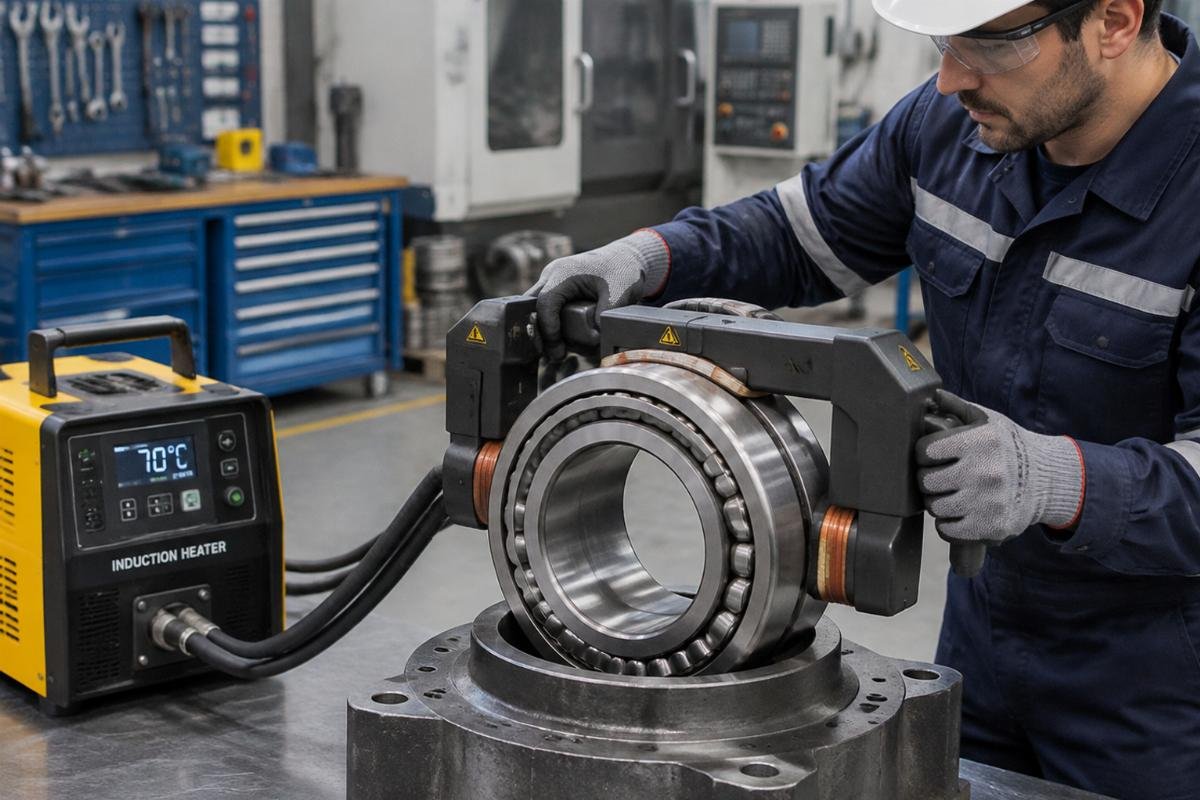
Training staff on these proper techniques reduces waste and improves reliability. It transforms the workshop from a place of reactive repairs to one of proactive maintenance.
How to Avoid Counterfeit FAG Bearings?
The market is flooded with fake bearings that look identical to genuine products but lack the performance and durability. Identifying counterfeits requires attention to detail and reliable sourcing channels.
Packaging is the first line of defense. Genuine FAG bearings come in high-quality boxes with clear printing, holograms, and specific batch codes. Check for spelling errors, blurry logos, or flimsy cardboard. Authentic packaging includes detailed documentation and traceability information. Counterfeiters often cut corners here, producing substandard packaging that fails under close inspection.
Traceability documentation is crucial. Request certificates of origin and material test reports from your supplier. Genuine products have a clear chain of custody from the factory to the end user. If a supplier cannot provide these documents, be skeptical. Verified supply chains ensure that the bearings meet strict quality standards and have not been tampered with.
Physical inspection can also reveal fakes. Check the finish of the steel. Genuine bearings have a smooth, consistent surface with precise machining marks. Counterfeits often show rough edges, inconsistent polishing, or poor weld quality on cages. Weigh the bearing if possible, as material density differences can indicate inferior steel alloys.
Price is a significant indicator. If the price is significantly lower than the market average, it is likely a fake. High-quality steel and precision manufacturing have a baseline cost. Suppliers offering deep discounts are often selling inferior products. Invest in genuine components to avoid the hidden costs of premature failure and downtime.

Sourcing from authorized distributors or reputable wholesale suppliers minimizes the risk of counterfeits. Building long-term relationships with trusted partners ensures access to authentic products and technical support. This reliability is essential for maintaining the reputation of your repair shop or distribution business.
Conclusion
Systematic analysis and genuine sourcing are key to preventing premature FAG bearing failures.
Most issues arise from installation errors, contamination, or counterfeit parts rather than inherent defects. By adopting rigorous inspection protocols and verifying supply chain authenticity, shops can significantly reduce downtime and warranty claims. Prioritizing proper handling techniques and traceable inventory protects both equipment integrity and business reputation.