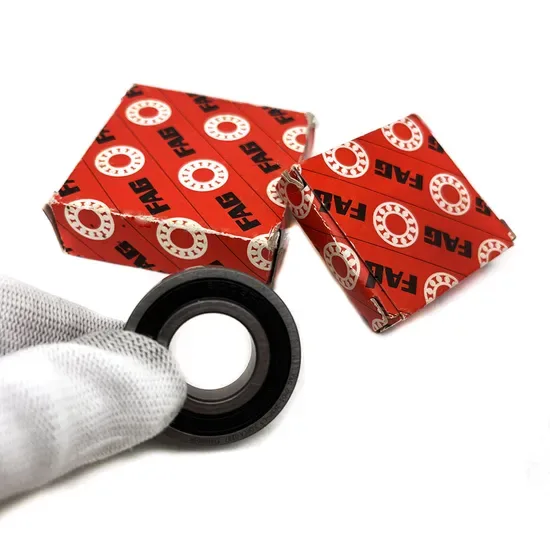
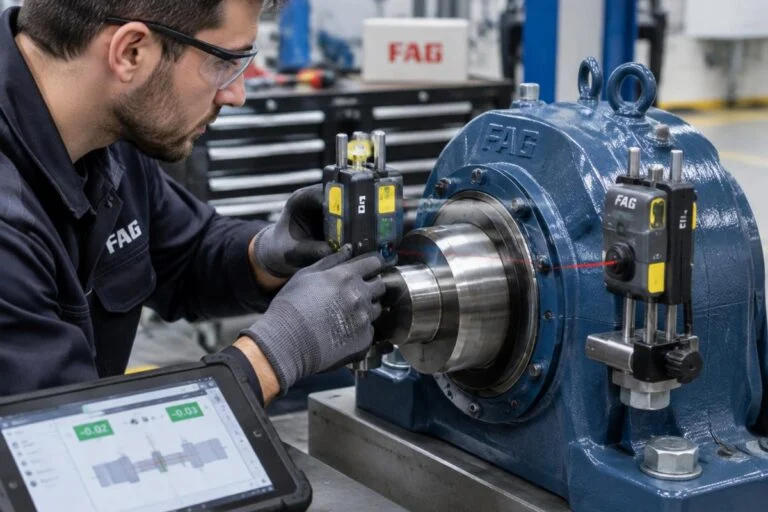
Most premature FAG bearing failures in US mines are not caused by manufacturing defects, but by logistics-induced moisture and incorrect installation clearances.
When a premium spherical roller bearing fails within weeks of installation, the immediate instinct is to blame the steel quality or the brand. However, deep-dive failure analysis consistently reveals that the root causes lie downstream: prolonged port congestion leading to micro-corrosion, and improper interference fit calculations resulting in zero-clearance operation. For MRO operators and site engineers, understanding these external factors is critical to extending service life and reducing unplanned downtime.

My perspective on this issue was shaped years ago while handling documentation for a batch of FAG bearings destined for a silver mine in Nevada. The shipment sat in Los Angeles port for half a month due to congestion. Upon arrival and installation, the bearings exhibited early spalling within two months, leading to a dispute over payment. Subsequent onsite disassembly revealed that the issue was not inherent to the product, but a combination of humidity exposure during transit and a deviation in clearance adjustment during mounting. This experience highlighted a recurring pattern across North American mining operations: the supply chain and installation process often undermine the engineering integrity of high-quality components.
Why Do Premium FAG Bearings Fail Prematurely in Mines?
Installation errors and adverse storage conditions outweigh manufacturing defects as the primary drivers of premature failure.
In heavy-duty mining applications, the operational environment is harsh, but the bearings are designed to withstand it. When failures occur prematurely, such as early spalling or overheating, the cause is frequently traced back to human error or logistical gaps rather than material fatigue limits..
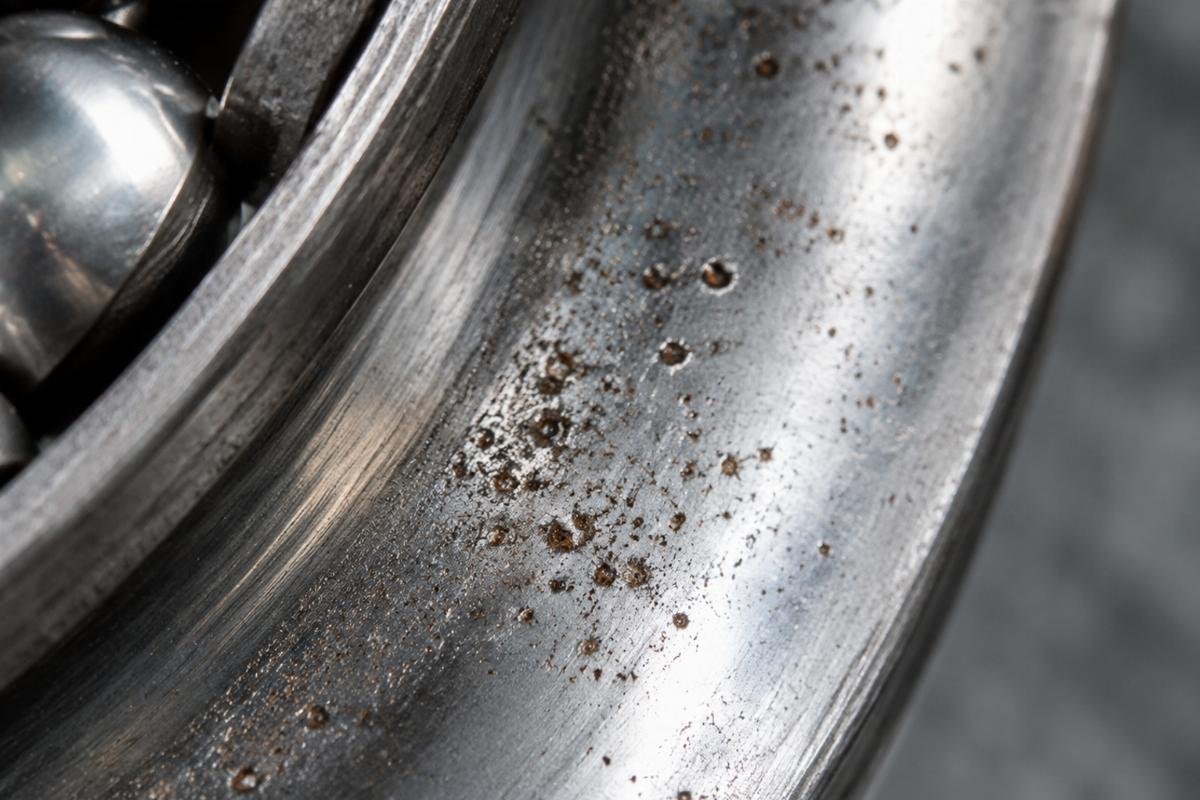
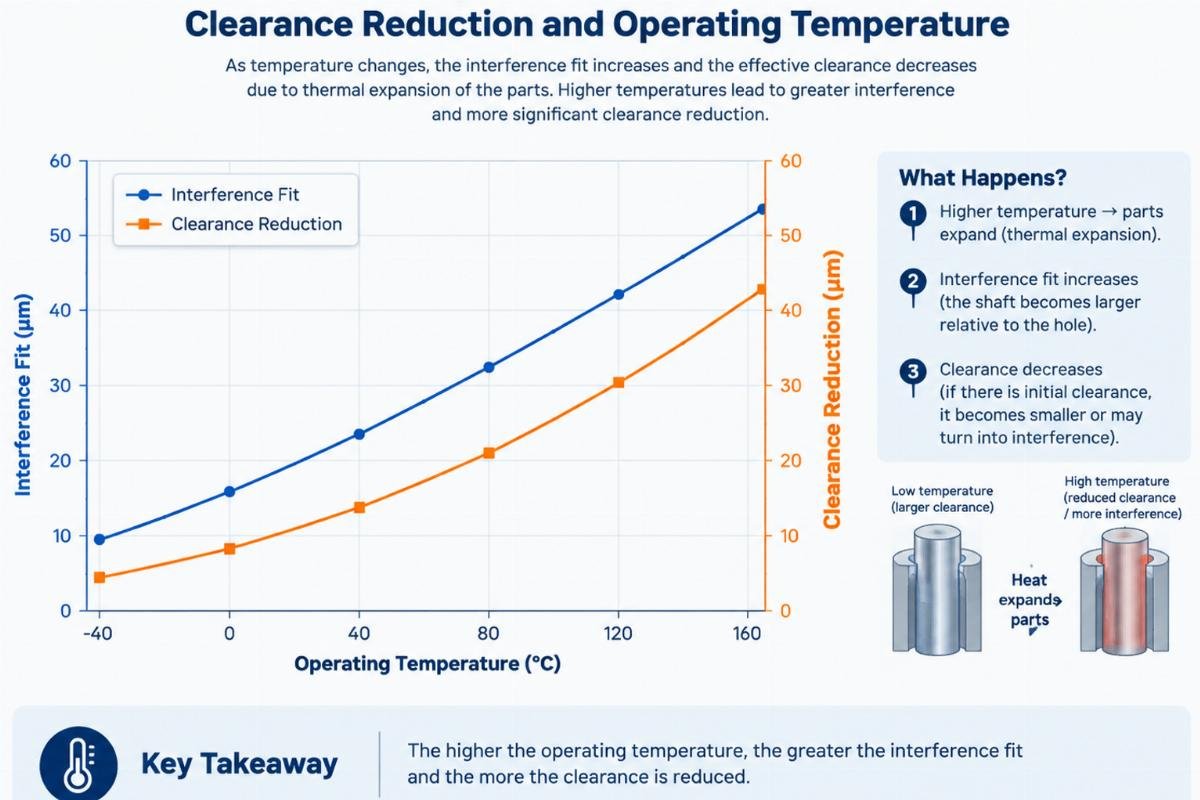
A common misconception is that early spalling indicates poor steel cleanliness or heat treatment. In reality, spalling is often a symptom of incorrect internal clearance. When a spherical roller bearing is mounted with an interference fit, the inner ring expands, reducing the initial radial clearance. If this reduction is not calculated correctly, the bearing may operate with near-zero clearance, leading to excessive friction, heat generation, and rapid surface degradation.
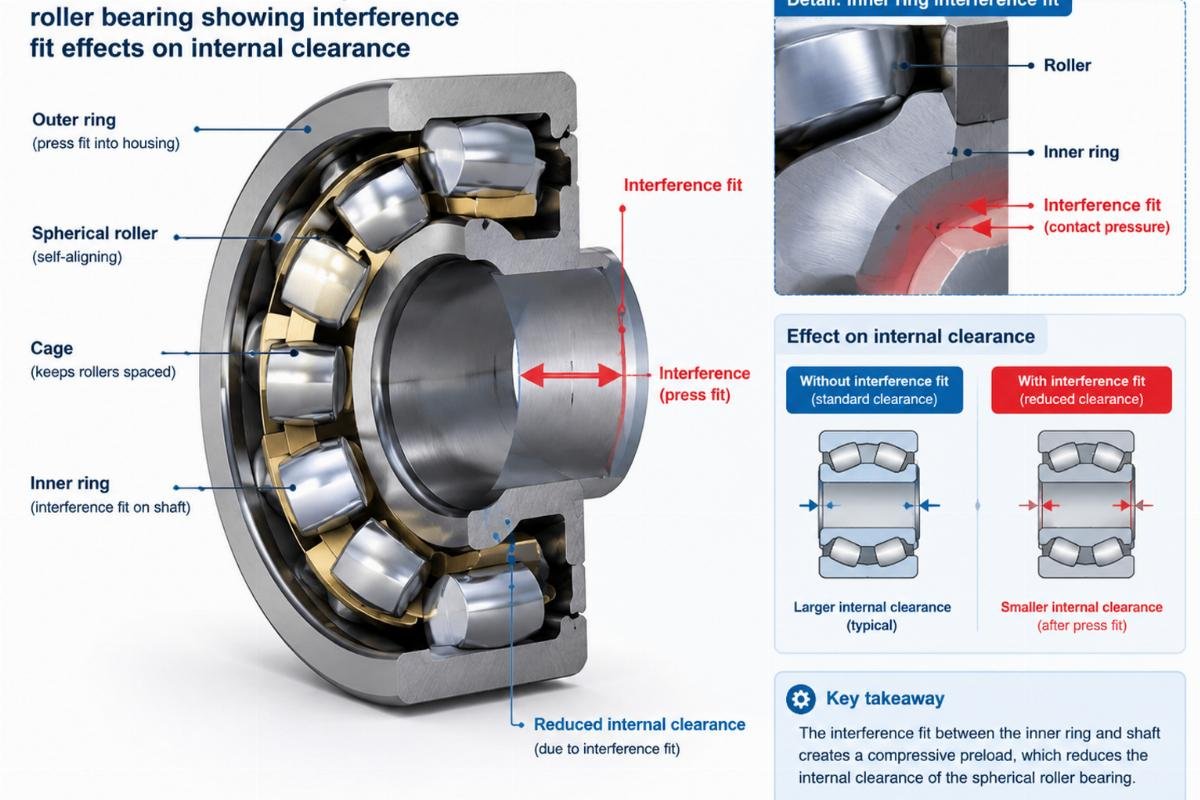
Furthermore, the supply chain plays a significant role. Bearings stored in non-climate-controlled warehouses or subjected to prolonged transit times can absorb moisture. This leads to micro-corrosion on the raceways, which acts as a stress concentrator under load, initiating cracks long before the expected fatigue life is reached. As a FAG bearing failures in US mines supplier, we observe that sites with rigorous incoming inspection and controlled storage environments report significantly lower failure rates, regardless of the brand used.
How Does Transit and Storage Moisture Trigger Early Spalling?
Port delays and poor warehousing cause micro-corrosion that initiates fatigue cracks before the bearing even rotates.
The journey from manufacturer to mine site is often longer and more variable than anticipated. In regions with high humidity or during seasons with significant temperature fluctuations, condensation can form inside the bearing packaging if the vapor barrier is compromised or if the storage duration exceeds recommended limits.
Consider a case at a copper mine in Arizona. A batch of bearings was stored in a warehouse with high ambient humidity for several months before installation. Despite appearing clean upon unboxing, microscopic corrosion pits had formed on the rolling elements. Once installed and subjected to heavy loads, these pits became initiation points for subsurface cracks, leading to premature spalling..
To mitigate this risk, it is essential to maintain the integrity of the original packaging until the moment of installation. If bearings must be stored for extended periods, they should be kept in a climate-controlled environment with stable temperature and low humidity. Regular inspection of stored inventory for signs of rust or packaging damage is also crucial. As a global supplier, we ensure that our inventory is managed with strict environmental controls, minimizing the risk of moisture-related degradation before shipment. This attention to detail ensures that when a customer receives a FAG bearing, it is in pristine condition, ready for optimal performance.
What is the Correct Clearance Adjustment for Spherical Roller Bearings?
Improper interference fit clearance reduction leads to zero-clearance operation, causing rapid overheating and failure.
One of the most critical technical steps in bearing installation is determining the correct residual internal clearance after mounting. Spherical roller bearings are often mounted with an interference fit on the shaft to prevent creep and ensure proper load distribution. However, this fit causes the inner ring to expand, which reduces the radial clearance between the rollers and the raceways.
If the initial clearance is not sufficient to account for this expansion, the bearing will operate with insufficient clearance. This leads to increased friction, higher operating temperatures, and accelerated wear. In extreme cases, it can cause the bearing to seize..
The correct approach involves calculating the expected reduction in clearance based on the interference fit magnitude and the bearing dimensions. The initial clearance selected must be large enough so that the residual clearance after mounting falls within the recommended operating range. This requires precise measurement and adherence to manufacturer guidelines.
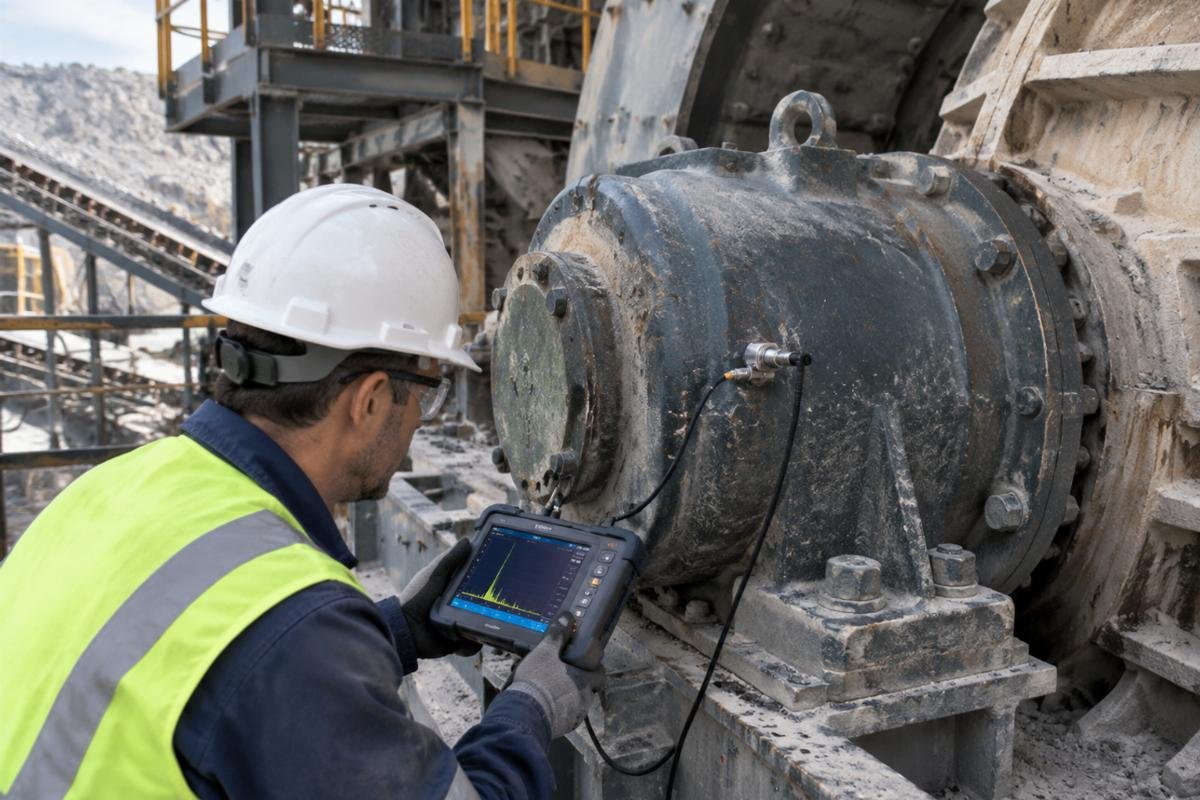
In a coal mine in Wyoming, misalignment and incorrect clearance settings led to severe overheating and vibration issues. Vibration envelope spectrum analysis revealed frequencies consistent with friction-induced distress rather than typical fatigue patterns. Adjusting the clearance to the specified range resolved the issue, demonstrating the importance of precise installation practices. As a FAG bearing failures in US mines supplier, we provide technical support to help customers select the appropriate clearance class and verify installation parameters, ensuring reliable operation in demanding environments.
How to Conduct On-Site Failure Analysis and Prevent Recurrence?
Systematic disassembly and vibration monitoring are key to identifying root causes and extending service life.
When a bearing fails, simply replacing it is not enough. Understanding why it failed is essential to prevent recurrence. A systematic failure analysis involves examining the failed component, reviewing installation records, and analyzing operational data.
The first step is visual inspection of the failed bearing. Look for signs of spalling, smearing, corrosion, or discoloration. These features can indicate specific failure modes such as fatigue, lubrication failure, or contamination..
Next, review the installation process. Was the correct clearance used? Was the bearing heated properly during mounting? Were the housing and shaft dimensions within tolerance? Errors in any of these steps can lead to premature failure.
Vibration monitoring is another powerful tool. By analyzing vibration spectra, engineers can detect early signs of distress, such as imbalance, misalignment, or bearing defects. Trending vibration data over time allows for predictive maintenance, enabling replacement before catastrophic failure occurs.
In our experience, sites that implement regular vibration monitoring and rigorous failure analysis protocols see a noticeable improvement in bearing life. They are able to identify and correct issues such as poor lubrication practices or misalignment before they cause significant damage. As a partner in your maintenance strategy, we offer cross-brand equivalent consultation and technical selection support to help you optimize your bearing choices and installation procedures.
Conclusion
FAG bearing failures in US mines are predominantly driven by logistical moisture exposure and installation clearance errors, not manufacturing defects.
By controlling storage conditions, calculating interference fit clearance reductions accurately, and implementing systematic failure analysis, mining operations can significantly extend bearing service life. Ensuring genuine product integrity through reliable supply chains further supports these efforts. For those seeking to optimize their maintenance strategies, understanding these root causes is the first step toward greater reliability and efficiency.