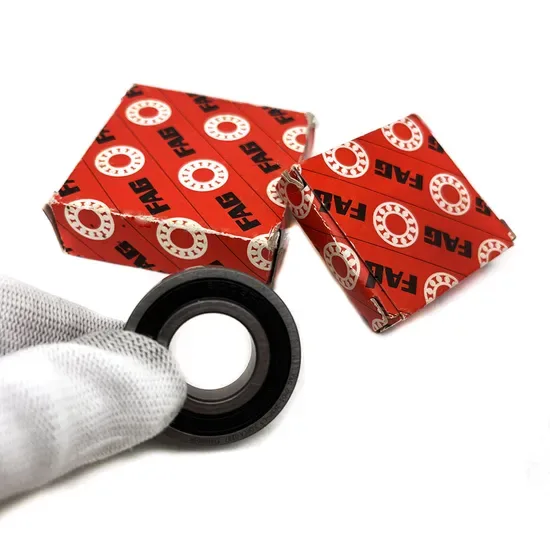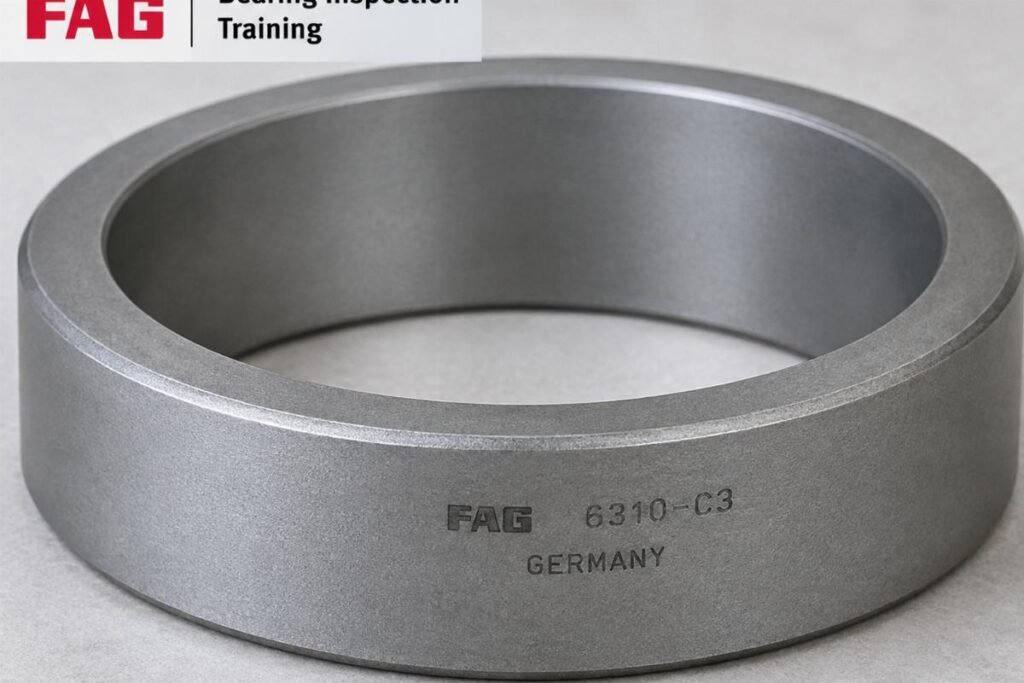
Not all gray marks on a bearing ring are rust.
Standardized inspection protocols and pre-shipment documentation at US receiving docks prevent false rejections of genuine FAG bearings caused by normal factory surface treatments. Focus on verifying traceability codes and distinguishing acid pickling residues from oxidation to ensure smooth customs clearance and inventory acceptance.
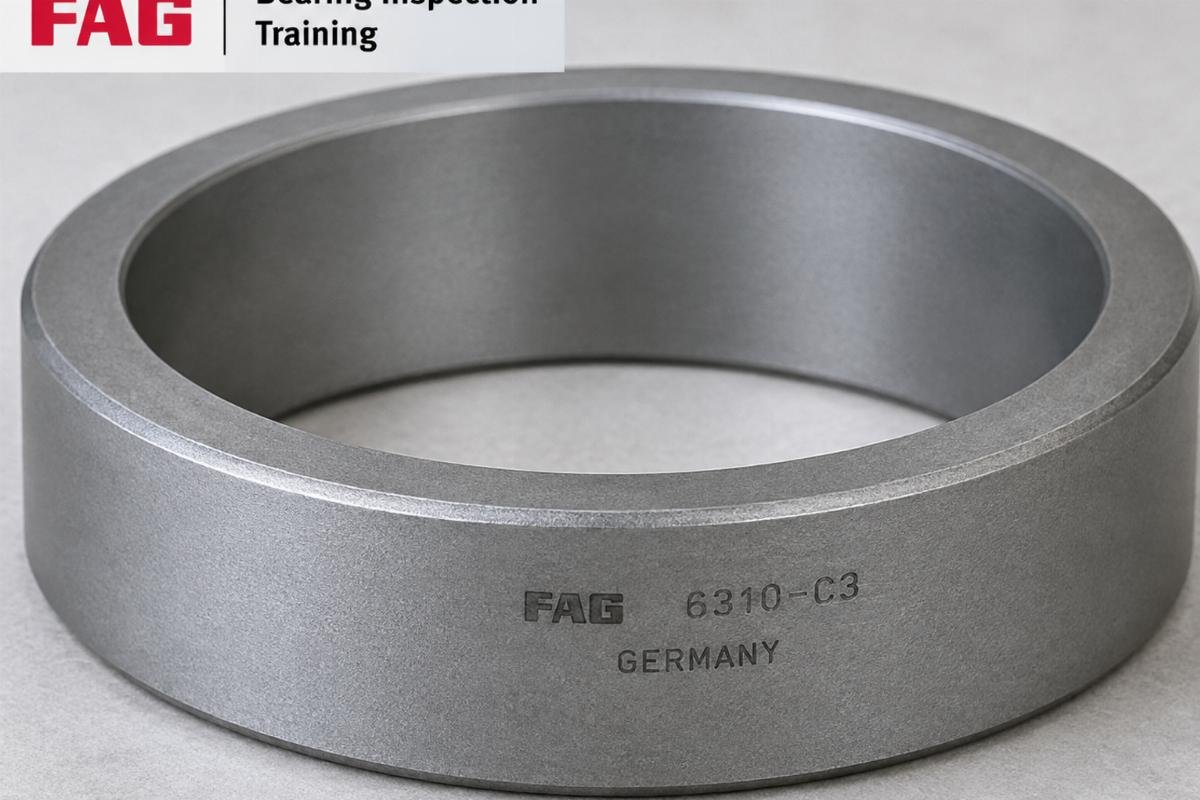
The humidity in a Los Angeles port warehouse feels different from the dry heat of a Chinese factory floor. I once watched a seasoned quality inspector in Long Beach reject an entire container of spherical roller bearings because the outer rings had a uniform, matte gray finish. He pointed his flashlight at the surface, convinced it was early-stage corrosion from ocean transit. The buyer was ready to cancel the contract. What he was seeing was not damage, but the residual effect of the manufacturer’s acid pickling process used for magnetic particle inspection. This specific visual characteristic is standard for many premium European brands, yet it frequently triggers alarm during initial FAG bearing inspection at the dock. Without proper context, what looks like a defect is often just a fingerprint of high-quality manufacturing control.
Understanding this distinction requires more than just looking at the metal. It demands a shift from visual suspicion to procedural verification. When goods arrive after weeks at sea, the packaging may show wear, and the metal may have condensed moisture. However, the core integrity of the component remains unchanged if the supply chain is secure. The key lies in knowing what to look for before opening the box, and how to document it when questions arise.
Why Does Genuine Stock Look Corroded?
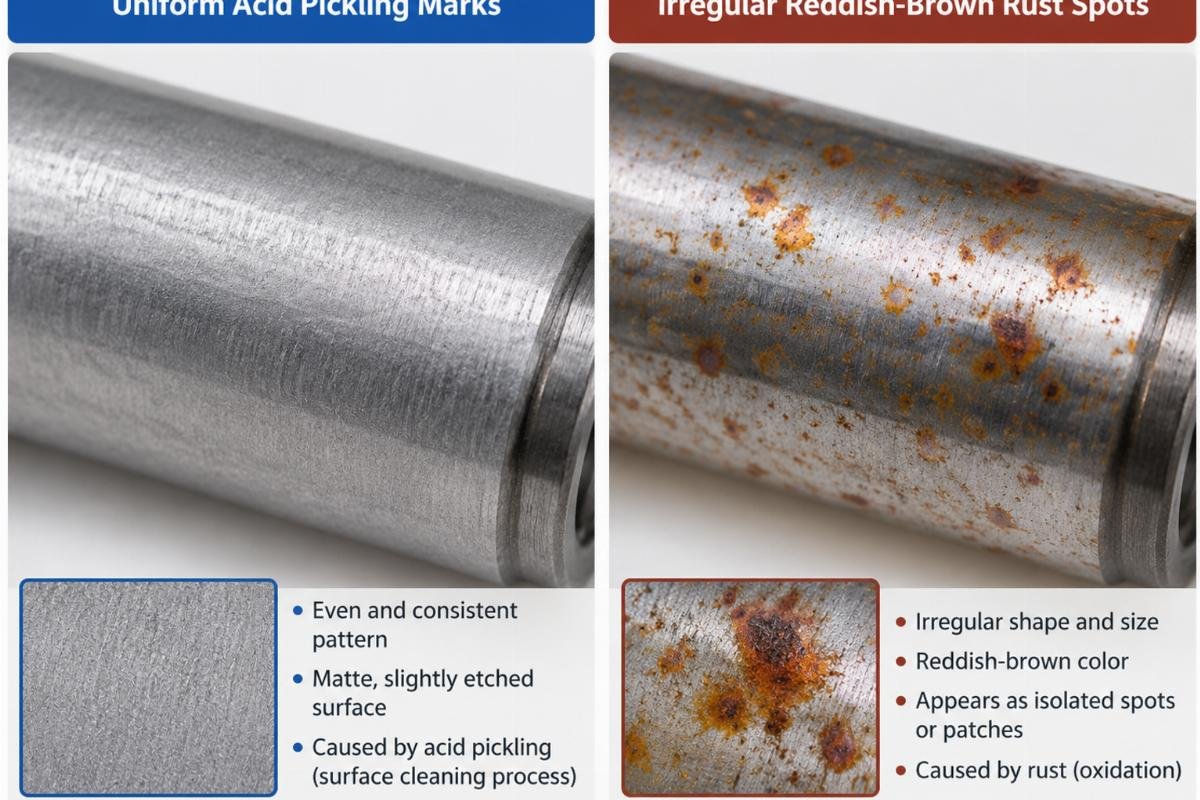
The confusion often stems from the final steps of the production line. Before premium bearings are packaged, they undergo rigorous non-destructive testing. Magnetic particle inspection is a common method to detect surface and subsurface cracks. To make these microscopic flaws visible, the components are sometimes treated with a mild acidic solution that cleans the surface and enhances magnetic flux leakage detection.
This process can leave a faint, uniform discoloration. Unlike true rust, which appears as reddish-brown patches, pits, or flaky textures, this residue is even and dull. It does not spread. If you wipe it with a clean cloth soaked in light machine oil, the gray tone may lighten, but the metal underneath remains smooth and intact. True corrosion, however, will feel rough to the touch and may leave red dust on the cloth.
During a recent FAG bearing inspection for a client in Texas, we encountered this exact scenario. The local maintenance team was preparing to install these units into heavy-duty mining crushers. They paused work, concerned about the surface appearance. By comparing the affected batch with the original factory certification documents, which explicitly noted the surface treatment method, we confirmed the parts were within specification. The “defect” was actually a sign that the bearings had passed strict internal quality gates.
It is crucial to remember that packaging plays a protective role. Premium brands use vapor-corrosion inhibitor (VCI) paper and sealed plastic wraps. If the outer box is damp but the inner seal is intact, the bearing is likely safe. Breaks in the inner packaging are a far greater risk factor than the color of the metal itself. Always check the integrity of the primary seal before judging the surface condition.
Step-by-Step Dock Verification Protocol
To avoid costly delays and disputes, establish a clear verification routine before the truck leaves the port terminal. This process moves beyond simple visual checks to include documentation and tactile assessment. A structured approach ensures that every FAG bearing inspection yields consistent, defensible results.
- Verify External Packaging Integrity
Check the shipping carton for signs of water damage, crushing, or tampering. Look for the original brand labels and holographic security seals. Counterfeit products often have poorly printed labels or misspelled words. Genuine packaging uses high-quality cardboard with precise printing.
- Cross-Reference Traceability Codes
Every genuine bearing comes with a unique identification code stamped on the ring and printed on the box. Match these numbers exactly. Discrepancies here are an immediate red flag. Do not rely solely on the part number; check the batch or lot code. This links the physical item to its production history.
- Inspect Inner Seals and VCI Paper
Open the outer box carefully. Inside, you should find the bearing wrapped in VCI paper or sealed in plastic. The paper should be dry and intact. If the VCI paper is torn or wet, the protection may have been compromised. Note that some condensation on the outside of the plastic wrap is normal due to temperature changes during shipping, but moisture inside the wrap is not.
- Perform Tactile Surface Check
Remove the bearing from its packaging. Wear clean gloves to prevent fingerprint corrosion. Run your finger lightly over the raceways and outer diameter. The surface should feel smooth and glass-like. Any roughness, pitting, or gritty texture indicates potential damage or corrosion. A uniform matte finish that feels smooth is acceptable.
- Check Rotation and Noise
Gently rotate the inner ring. It should turn smoothly without binding or grinding sensations. Listen for any unusual noises. While a full performance test requires installation, a basic manual rotation can reveal gross defects like brinelling or cage damage.
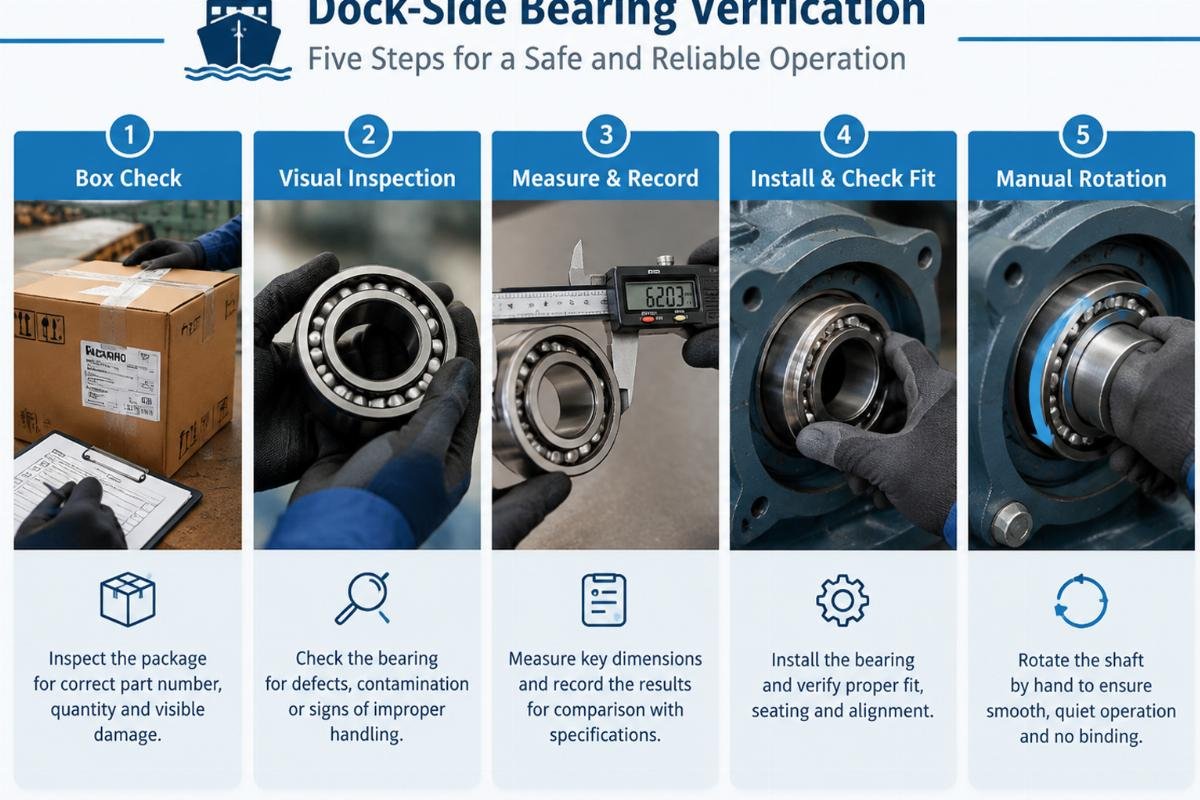
This protocol minimizes subjective judgment. By focusing on tangible evidence—codes, seal integrity, and tactile feedback—you reduce the risk of rejecting good stock. It also provides a clear audit trail if disputes arise later. For distributors handling mixed brands, this consistency is vital for maintaining trust with end-users who may not be familiar with the nuances of different manufacturing finishes.
Documentation as Your First Line of Defense
Paperwork is often treated as an afterthought, but in international trade, it is your primary shield against false claims. A FAG bearing inspection is not complete without verifying the accompanying documents. These papers tell the story of the product’s journey from the factory floor to the dock.
The certificate of conformity (CoC) or material test report (MTR) should accompany every shipment. These documents confirm that the bearings meet specific ISO standards and brand specifications. They also often include details about surface treatments and cleaning processes. Having this information on hand allows you to answer questions about surface appearance immediately, rather than waiting for a response from the supplier.
For wholesalers, keeping digital copies of these documents accessible is a best practice. When a customer queries a batch, you can instantly provide the relevant CoC. This transparency builds credibility. It shows that you stand behind the authenticity and quality of your supply chain. In one instance, a distributor in Florida faced skepticism from a new client regarding a batch of cylindrical roller bearings. By providing the original MTRs and photos of the factory packaging process, we resolved the concern within hours, avoiding a potential return.
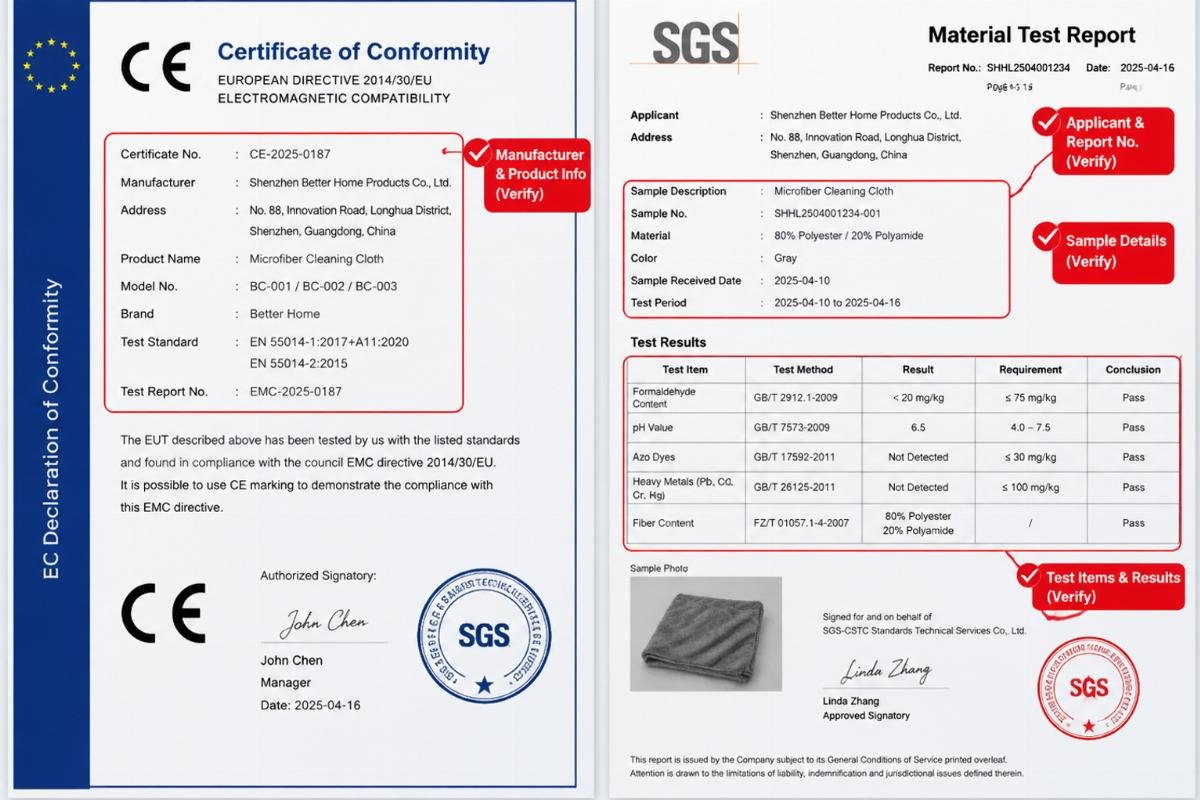
Ensure that the batch numbers on the documents match those on the physical products. Mismatches suggest poor inventory management or, worse, commingled stock. Consistency here is non-negotiable. It proves that the items delivered are exactly those that were tested and certified. This level of detail separates professional suppliers from casual traders.
Common Pitfalls in Port-Side Quality Checks
Even with a protocol, mistakes happen. Recognizing common errors can save time and money. One frequent issue is misinterpreting storage stains. Bearings stored in humid environments before shipping may develop slight discoloration on the packaging or outer surfaces. This is often superficial and does not affect the internal precision. However, if inspectors mistake this for deep corrosion, they may reject viable stock.
Another pitfall is ignoring the context of the supply chain. Not all brands use the same finishing processes. What is normal for one manufacturer may be unusual for another. Assuming a single standard for all FAG bearing inspection criteria can lead to errors. Familiarize yourself with the specific characteristics of the brands you handle. For example, some brands use oil-based preservatives that leave a darker, wetter look, while others use dry films.
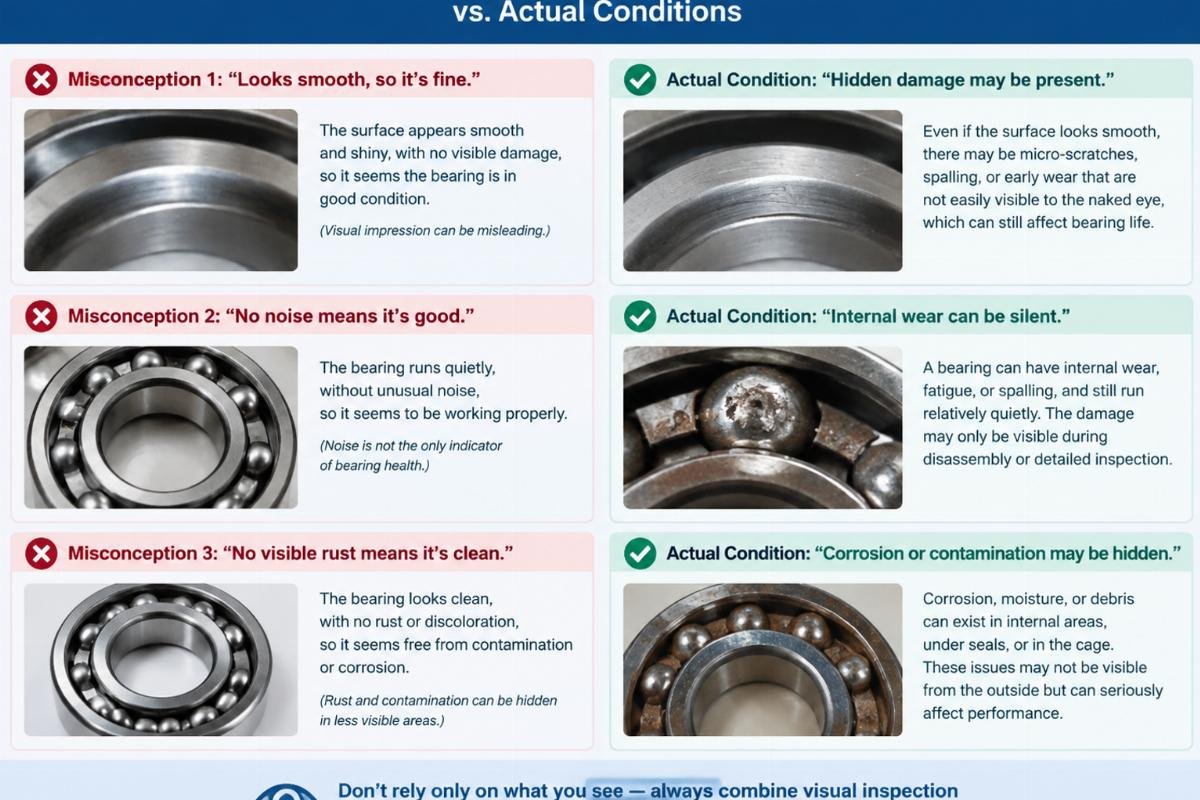
Also, beware of over-handling. Excessive touching of bare metal with bare hands introduces acids and moisture from skin, which can start real corrosion. Always use gloves during inspection. Furthermore, do not leave bearings unpacked for extended periods in open warehouse environments. Re-seal them promptly after checking.
Finally, do not rely solely on visual inspection for critical applications. If there is any doubt about the internal condition, consider sending a sample to a lab for dimensional and metallurgical analysis. This is especially important for high-precision or high-load applications where failure costs are significant. While rare for genuine stock from reputable sources, it provides ultimate peace of mind.
Conclusion
Visual anomalies are not always defects.
Successful FAG bearing inspection at US receiving docks relies on distinguishing normal manufacturing residues from actual damage through standardized protocols. By prioritizing documentation, verifying traceability, and understanding surface treatment effects, buyers can avoid unnecessary rejections. Trust the process, verify the paperwork, and keep the focus on functional integrity rather than superficial appearance.