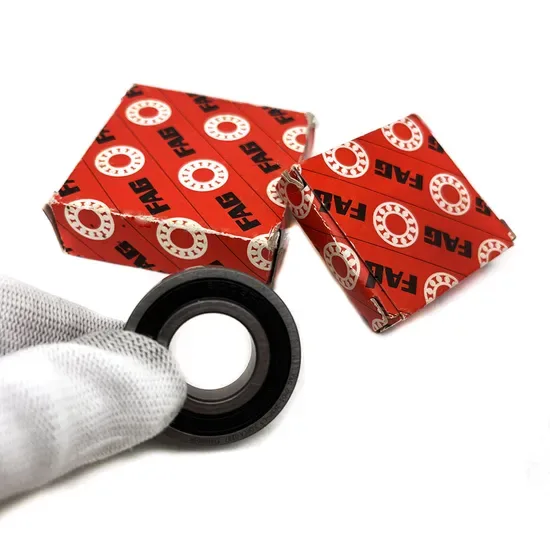
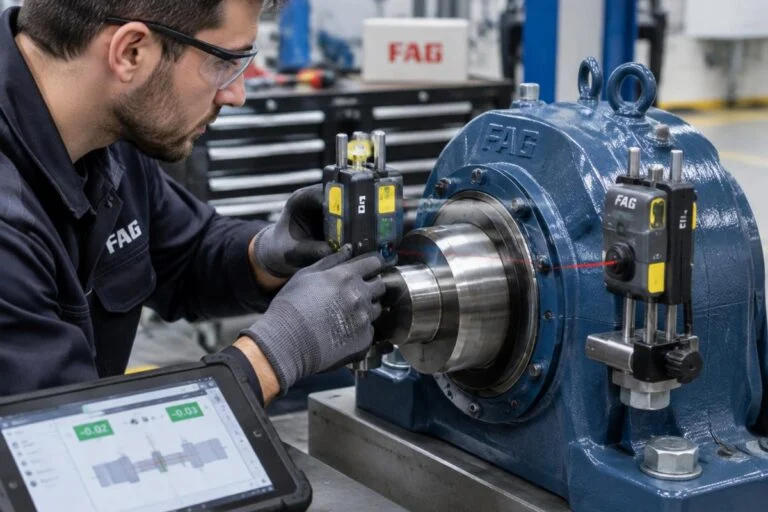
Unopened original packaging does not guarantee rust prevention if warehouse humidity fluctuates.
Proper storage of FAG bearings in US warehouses requires strict climate control, vertical positioning for heavy units, and rigorous FIFO inventory rotation to prevent false brinelling and corrosion. These measures ensure that industrial MRO clients receive components that are ready for immediate installation, avoiding costly downtime caused by degraded stock.
I still remember the silence on a drilling rig in Texas. It was not the quiet of efficiency, but the heavy, expensive silence of a machine that refused to turn. We had shipped a batch of large spherical roller bearings from our facility, sealed in their original factory packaging. They sat in a transit warehouse near Los Angeles for weeks before final delivery. The packaging was intact, but the warehouse had no climate control. When the maintenance team finally opened the boxes to install them on the drill string, the cage showed visible signs of oxidation. The bearing seized during the initial test run. The rig stayed down for days while we arranged emergency air freight for replacements. That incident shifted my entire perspective on logistics. It is not enough to simply move goods across the ocean; the local storage environment in the destination country is just as critical as the manufacturing quality. For distributors and MRO operators, understanding how FAG bearing storage US warehouses handle these components is vital to protecting asset value.
The transition from port to warehouse is where many supply chains fail. Buyers often assume that once the container is unloaded, the risk is over. However, the ambient conditions in many standard logistics facilities vary wildly with the seasons. In regions with high humidity or significant temperature swings, condensation forms inside even the most robust vapor-corrosion inhibitor (VCI) packaging. This moisture attacks the polished raceways and rolling elements, leading to premature failure. To avoid this, stakeholders must verify that their FAG bearing storage US warehouses maintain stable environmental parameters throughout the holding period.
Why Do Stored Bearings Rust in US Warehouses?
Fluctuating humidity and condensation are the primary culprits behind bearing degradation in storage. Many industrial buyers believe that rust only occurs when bearings are exposed to rain or direct water contact. In reality, the enemy is often invisible water vapor in the air. When temperatures drop at night, the air’s capacity to hold moisture decreases, causing water to condense on cold metal surfaces. This process, known as dew point condensation, can occur inside sealed packaging if the internal air was humid when the box was closed or if the packaging material is permeable over long durations.
In a typical non-climate-controlled warehouse in the southern or coastal United States, humidity levels can spike dramatically. Without active dehumidification, these fluctuations create a cycle of wetting and drying that accelerates corrosion. The protective oils applied by the manufacturer are designed to resist handling sweat and short-term exposure, not prolonged high-humidity environments.
Consider a case involving a mining operation in the Southwest. The site kept a reserve stock of cylindrical roller bearings in a standard shed adjacent to the processing plant. During the monsoon season, the humidity rose sharply. Despite the bearings being in their original cardboard boxes, several units developed surface rust on the outer diameters. While the rust appeared superficial, it compromised the fit tolerance during installation, requiring rework and delaying the maintenance schedule. This highlights why relying solely on packaging is insufficient. Effective FAG bearing storage US warehouses must actively manage the atmospheric conditions to keep relative humidity within a safe range, typically below a specific threshold recommended by industry standards.
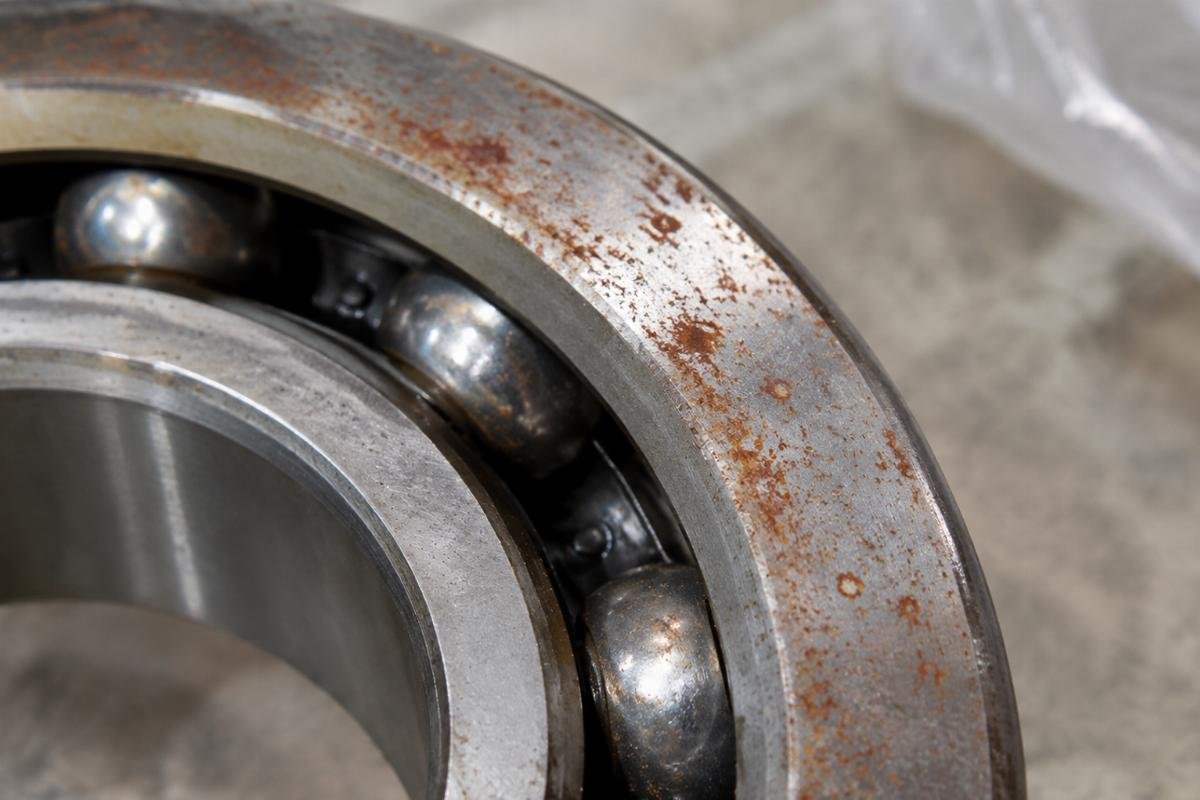
The risk is not limited to visible rust. Microscopic corrosion can pit the raceways, creating initiation points for fatigue cracks once the bearing is in service. For high-precision applications, such as machine tool spindles or wind turbine gearboxes, even minor surface degradation can lead to vibration issues and reduced service life. Therefore, the storage environment must be treated as an extension of the manufacturing clean room, not just a holding area for boxes.
What Are the Ideal Climate Conditions for FAG Bearings?
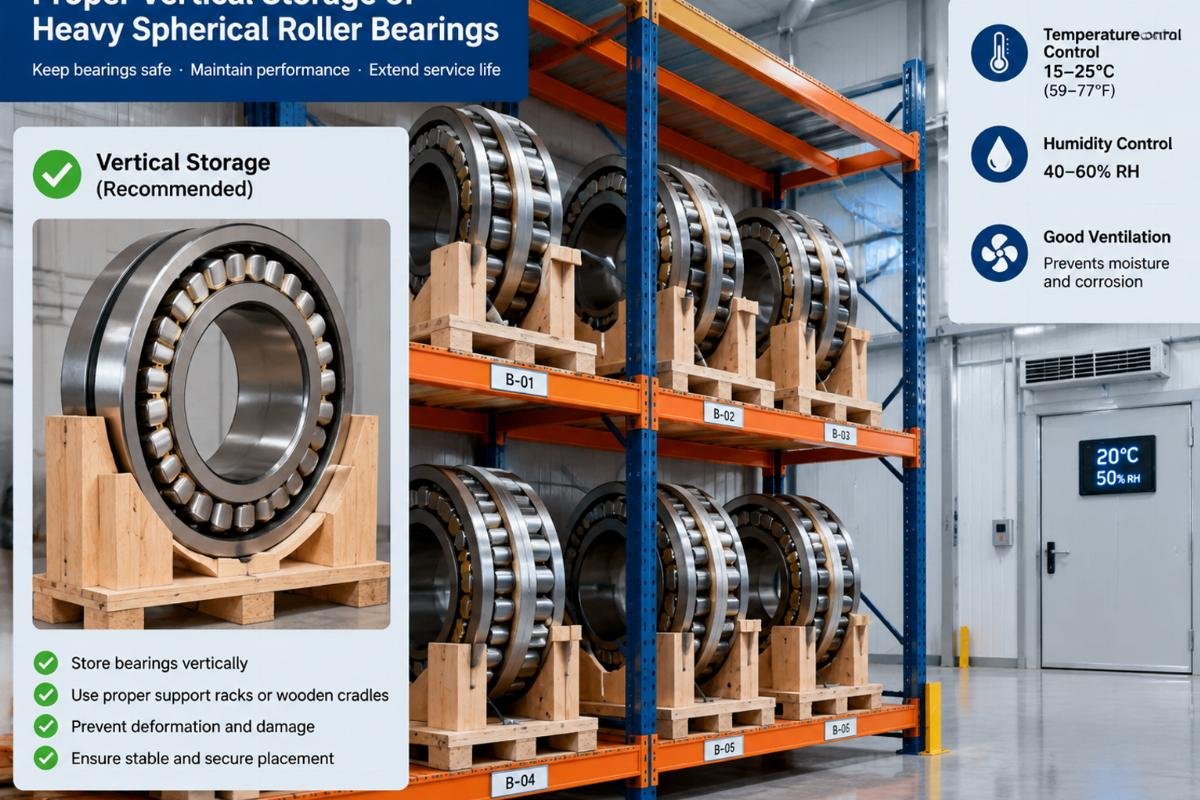
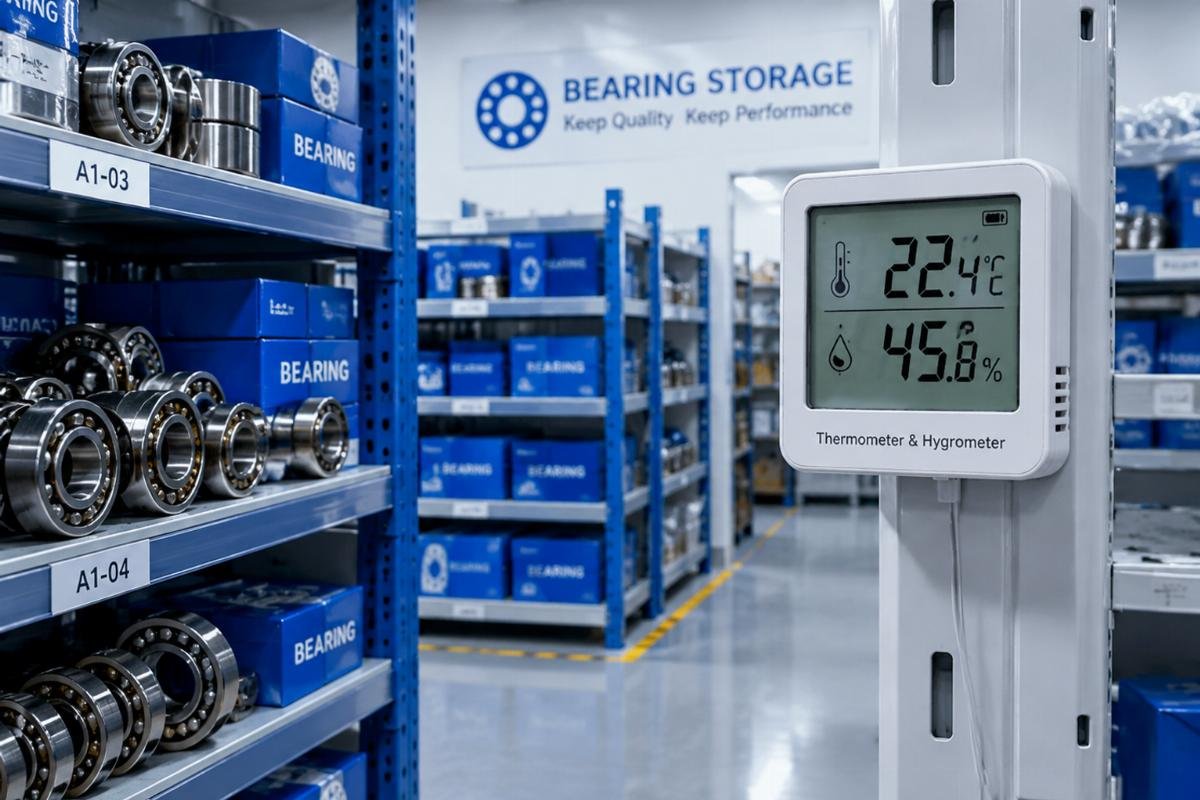
Strict temperature and humidity thresholds must be maintained to preserve bearing integrity. The ideal storage environment is cool, dry, and free from rapid temperature changes. Industry guidelines suggest that bearings should be stored in areas where the temperature remains relatively constant and humidity is controlled.
Temperature stability is crucial because thermal cycling causes expansion and contraction of both the metal components and the packaging materials. This movement can break the seal of VCI bags or draw moist air into the package through microscopic gaps. In contrast, a climate-controlled environment minimizes these thermal stresses. For FAG bearing storage US warehouses, this means investing in HVAC systems that regulate both heat and moisture, rather than just cooling the space.
Humidity control is equally important. High humidity promotes the formation of electrolytic cells on the metal surface, especially if there are any contaminants present from handling. By keeping the air dry, the chemical reactions that lead to rust are significantly slowed. Some advanced storage facilities use desiccants or specialized dehumidifiers to maintain optimal conditions, even during extreme weather events outside.
| Storage Condition | Risk Level | Impact on Bearing |
|---|---|---|
| Uncontrolled Humidity | High | Rapid surface rust, packaging degradation |
| Temperature Fluctuations | Medium | Condensation inside packaging, seal failure |
| Controlled Climate | Low | Preserved lubricant, intact packaging |
| Direct Sunlight Exposure | High | UV damage to packaging, heat buildup |
A steel mill operator in the Midwest once reported that after switching to a supplier with climate-controlled local stock, their rate of bearing rejection due to storage damage dropped noticeably. Previously, they had to inspect every unit upon arrival, cleaning off surface rust before installation. With properly stored stock, the bearings arrived in ready-to-install condition, saving labor hours and reducing the risk of introducing contaminants during cleaning. This demonstrates the tangible value of proper environmental management in FAG bearing storage US warehouses.
How Should Bearings Be Physically Positioned?
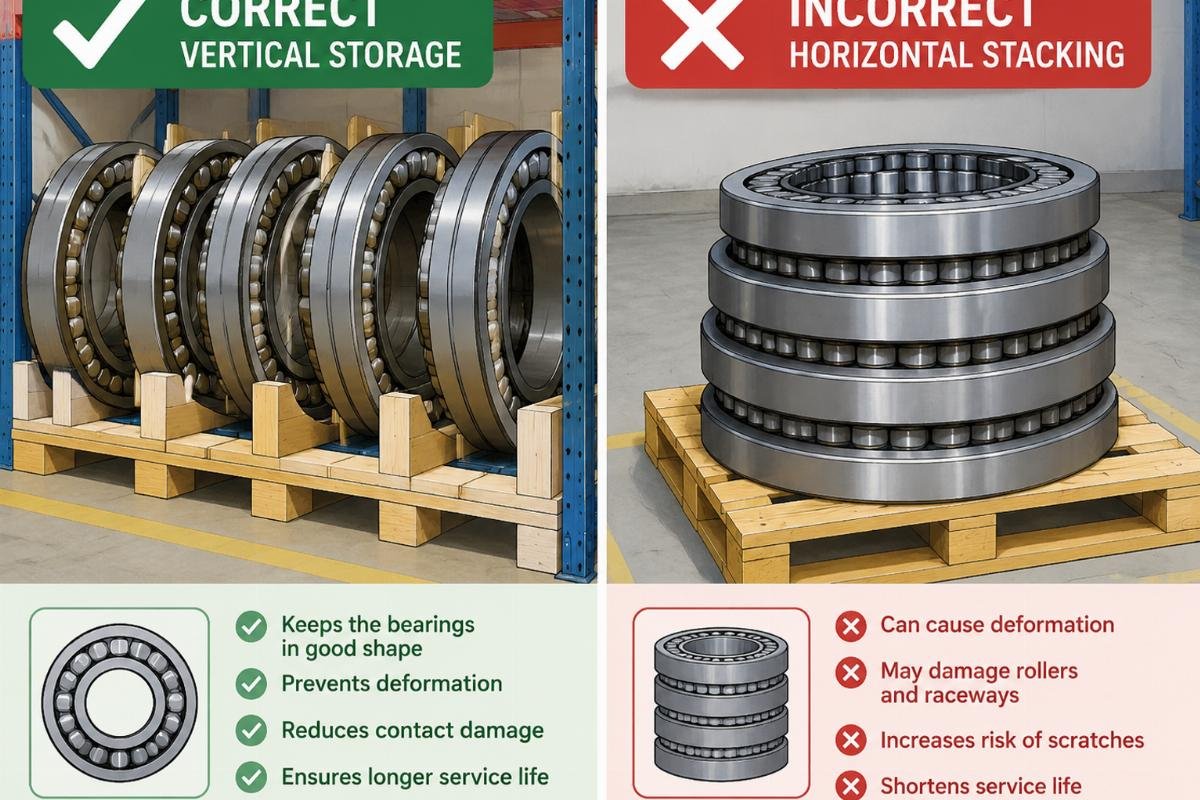
Vertical storage prevents false brinelling, while horizontal stacking causes damage to heavy roller bearings. The physical orientation of bearings during storage is often overlooked, yet it is a major factor in preventing mechanical damage. False brinelling occurs when small oscillatory movements between the rolling elements and raceways create indentations. This can happen if heavy bearings are stored horizontally without adequate support, allowing the weight of the inner ring to press against the rolling elements.
For large spherical roller bearings and cylindrical roller bearings, vertical storage is the preferred method. This orientation distributes the weight evenly through the rings and prevents point loading on the rolling elements. If vertical storage is not possible due to space constraints, heavy bearings must be supported along their entire circumference when stored horizontally. Simply laying them on a flat surface can cause deformation over time, especially for thin-walled or large-diameter units.
Small ball bearings can be stored horizontally, but they should still be kept in their original packaging to protect against dust and handling damage. Stacking boxes too high can crush the lower units, so weight limits must be observed. In busy distribution centers, space optimization often leads to improper stacking practices. Workers may pile heavy boxes on top of lighter ones, or store irregularly shaped items in a way that puts pressure on the bearing packages.
A common mistake seen in many warehouses is the horizontal stacking of large tapered roller bearings. Over time, the weight of the upper units can cause the rollers to settle into the raceways, creating permanent indentations. When these bearings are eventually installed, they exhibit excessive noise and vibration, leading to early failure. Proper training for warehouse staff is essential to ensure that handling protocols are followed. In professional FAG bearing storage US warehouses, racking systems are designed to support bearings in their optimal orientation, minimizing the risk of mechanical damage during long-term storage.
How to Manage Inventory for Urgent MRO Needs?
FIFO rotation and localized US stocking eliminate lead-time risks for emergency replacements. Maintenance, Repair, and Operations (MRO) teams often face urgent breakdowns that require immediate spare parts. Having a local inventory of genuine bearings is critical to minimizing downtime. However, stockpiling parts without a proper rotation strategy can lead to “dead stock” that has degraded over time.
First-In, First-Out (FIFO) is a fundamental inventory management principle that ensures older stock is used before newer arrivals. This prevents bearings from sitting in storage for extended periods, reducing the risk of lubricant separation or packaging deterioration. In a well-managed warehouse, each batch of bearings is tracked by its receipt date, and picking processes are designed to prioritize older inventory.
Localized stocking in the US offers a significant advantage over overseas sourcing for urgent needs. Shipping times from international manufacturers can take weeks, during which production lines remain idle. By maintaining a substantial spot inventory in US-based facilities, suppliers can offer next-day or same-day delivery for critical components. This capability is particularly valuable for industries like mining and energy, where equipment downtime costs thousands of dollars per hour.
Implementing FIFO requires disciplined warehouse operations. It involves clear labeling, organized shelving, and regular audits to identify slow-moving items. Some facilities use automated systems to track inventory age and alert managers when stock approaches a predefined storage duration limit. This proactive approach ensures that all bearings in circulation are fresh and reliable.
For distributors serving multiple regions, having a network of FAG bearing storage US warehouses allows for flexible fulfillment. If one location runs low on a specific part, inventory can be redistributed from another facility, ensuring consistent availability. This resilience is key to supporting the complex supply chains of modern industrial operations.

Conclusion
Climate-controlled storage and strict inventory rotation are non-negotiable for preserving bearing quality.
Proper handling in FAG bearing storage US warehouses ensures that industrial clients receive genuine, ready-to-install components. By controlling humidity, positioning bearings correctly, and rotating stock efficiently, suppliers can prevent rust and mechanical damage. This approach protects the integrity of the supply chain and supports the reliability of heavy equipment operations.