Consignment inventory is not free capital; it is a liability if the data does not match the physical bin.
Effective management of FAG consignment stock at US plants requires real-time inventory synchronization between the vendor’s system and the buyer’s ERP, coupled with strict physical audits to prevent phantom stock. Without this dual-layer verification, production lines face unplanned downtime due to perceived availability that does not exist in reality. The core solution lies in integrating barcode scanning for every transaction and establishing emergency protocols for cross-brand equivalent sourcing when genuine stock is unavailable.
I still remember the smell of hot metal and grinding dust from my early days in a Dongguan bearing workshop. It was a visceral education in how quickly a missing component can halt an entire assembly line. Years later, handling export orders, I received a frantic call from a heavy machinery plant in Texas. Their system showed ample FAG consignment stock for a critical spherical roller bearing. The maintenance team opened the bin, expecting relief, but found only empty cardboard dividers. The discrepancy had gone unnoticed for weeks because no one had physically counted the slow-moving items. The line stopped. Emergency air freight from Germany was arranged, but the cost in lost production far exceeded the price of the bearings. That incident reshaped how I view inventory management. It is not enough to trust the screen; you must trust the shelf.
What are the hidden risks of unsynchronized consignment FAG stock?
Phantom stock is the silent killer of production efficiency, creating a false sense of security until the moment of failure.
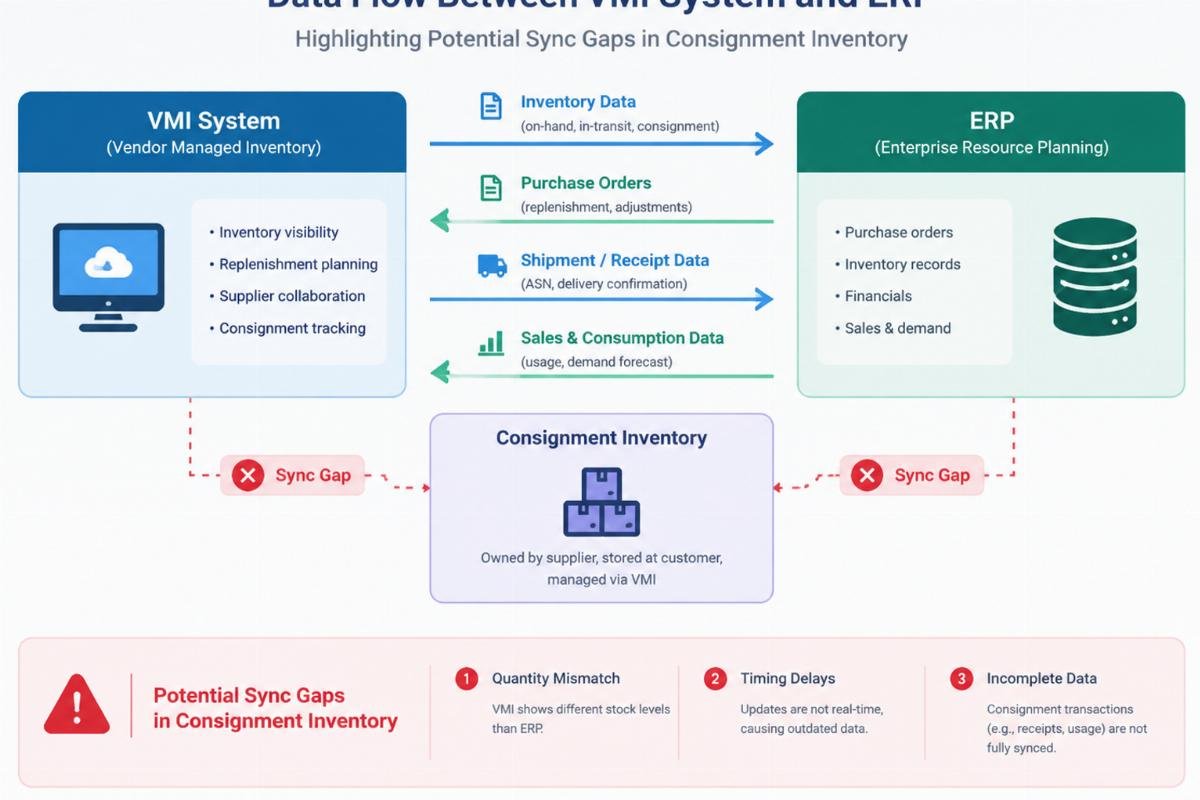
When a supplier places FAG consignment stock at a customer’s site, the ownership transfers only upon consumption. This model is designed to reduce working capital for the buyer. However, if the consumption trigger fails—whether due to human error in scanning or a software glitch—the inventory records diverge from reality. The buyer believes they have safety stock; the supplier believes the stock is still available for other clients. This gap is where risk accumulates.
Consider a Midwest steel mill that relied on automated replenishment signals. During a quarterly audit, they discovered a significant amount of phantom stock. The system indicated full bins, but the physical count revealed nearly half were empty. The discrepancy arose because technicians had taken bearings for emergency repairs without updating the digital log, assuming they would do it later. They never did. When a major breakdown occurred, the expected FAG consignment stock was missing. The plant had to source urgent cross-brand equivalents, which required immediate technical validation to ensure compatibility under high-load conditions.
The risk is not just operational; it is financial. Unplanned downtime costs significantly more than the bearing itself. Furthermore, relying solely on system data encourages complacency. Teams stop verifying physical counts because they trust the algorithm. But algorithms do not account for misplaced items, damaged packaging, or unauthorized withdrawals. The hidden risk is the erosion of discipline. Once the habit of physical verification is lost, recovering it requires a painful crisis.

How to achieve millisecond-level inventory synchronization?
Integrating ERP systems with physical bin scanning eliminates data lag and ensures that every movement is recorded instantly.
Achieving true synchronization for FAG consignment stock demands more than periodic manual counts. It requires a technological bridge between the physical world and the digital ledger. The most effective method is the implementation of barcode or RFID scanning at the point of use. When a technician removes a bearing from the consignment bin, they scan the item. This action triggers an immediate update in the Vendor Managed Inventory (VMI) system, which then communicates with the buyer’s ERP.
A Southeast auto assembly line implemented this approach after struggling with recurring discrepancies. They installed scanners at each maintenance station. Technicians were required to scan the bearing before installation. Initially, there was resistance due to the added step. However, within months, the inventory discrepancy rate dropped to near zero. The data became reliable. The procurement team could see exactly when stock levels hit the reorder point, allowing for seamless replenishment without overstocking.
| Synchronization Method | Data Latency | Accuracy Level | Implementation Complexity |
|---|---|---|---|
| Manual Monthly Count | High (weeks) | Low | Low |
| Batch Daily Entry | Medium (hours) | Medium | Medium |
| Real-Time Barcode Scan | Low (seconds) | High | High |
| RFID Auto-Identification | Minimal (instant) | Very High | Very High |
The table above illustrates the trade-offs. While manual counting is simple, it is prone to human error and delay. Real-time scanning offers the highest accuracy but requires investment in hardware and training. For critical FAG consignment stock, the investment is justified by the avoidance of downtime. The key is consistency. The system must be used for every transaction, no matter how small. If exceptions are allowed, the integrity of the data collapses.

What emergency protocols should be in place for stockouts?
Establish rapid cross-brand equivalent sourcing and expedited shipping channels to rescue operations when primary stock fails.
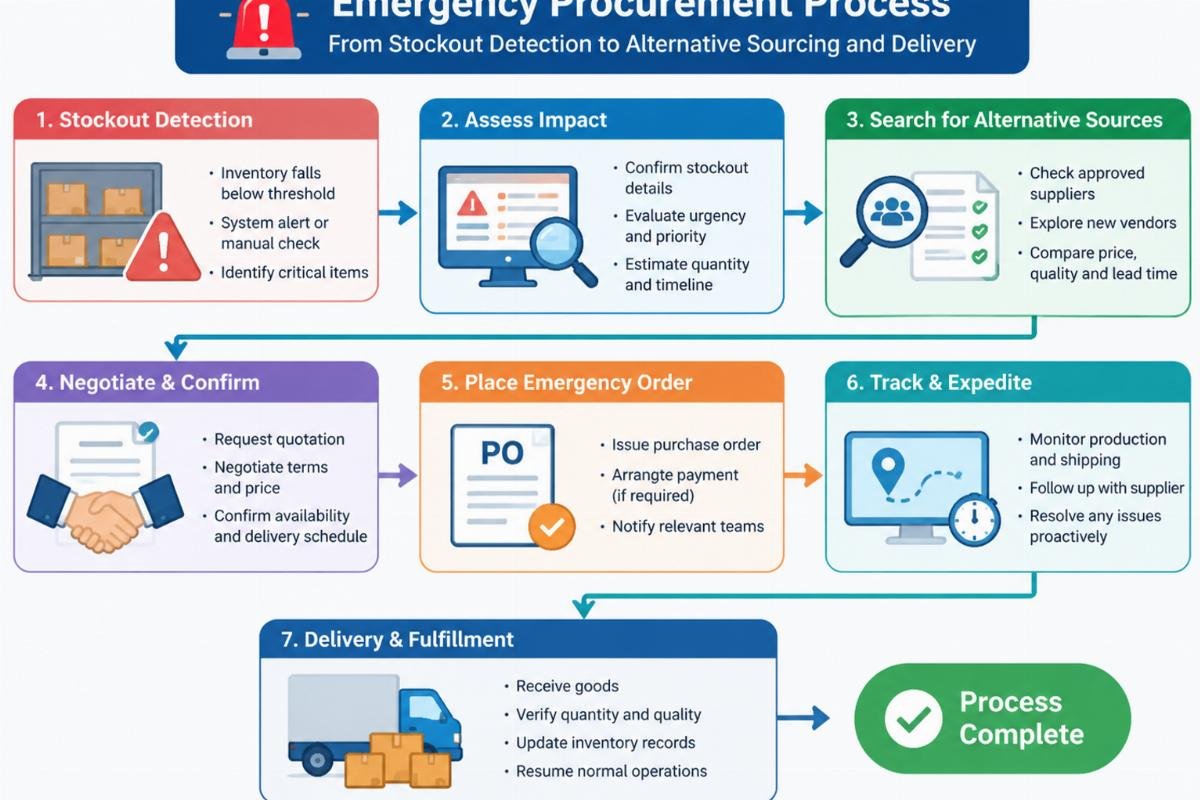
Even with perfect synchronization, stockouts can occur due to supply chain disruptions or sudden spikes in demand. Therefore, a robust emergency protocol is essential. This protocol should not rely solely on the primary supplier. It must include pre-vetted alternatives. For FAG consignment stock, this means identifying equivalent bearings from other premium brands such as SKF, NSK, or TIMKEN that meet the same dimensional and load specifications.
A US buyer once faced a situation where a specific FAG angular contact bearing was out of stock globally due to a factory fire. Their production line could not wait for the next production run. Because they had previously conducted technical consultations with their supplier, they had a list of approved equivalents. They sourced a compatible unit from a different brand that was available in local spot inventory. The supplier facilitated the rapid shipment, and the line was back up within hours. This experience highlights the importance of having a flexible sourcing strategy.
The protocol should include:
- Pre-approved Equivalents: A documented list of alternative brands and part numbers for critical items.
- Expedited Shipping Channels: Agreements with logistics providers for overnight or same-day delivery within the US.
- Technical Validation Support: Access to engineering experts who can quickly verify that an alternative bearing meets the application requirements.
Relying on a single source for FAG consignment stock is a vulnerability. Diversification through cross-brand knowledge provides resilience. It transforms a potential crisis into a manageable logistical challenge. The goal is not to replace the preferred brand permanently but to ensure continuity during disruptions.
How to verify genuine FAG bearings in consignment bins?
Require full traceability documentation and conduct regular batch inspections to prevent counterfeit infiltration.
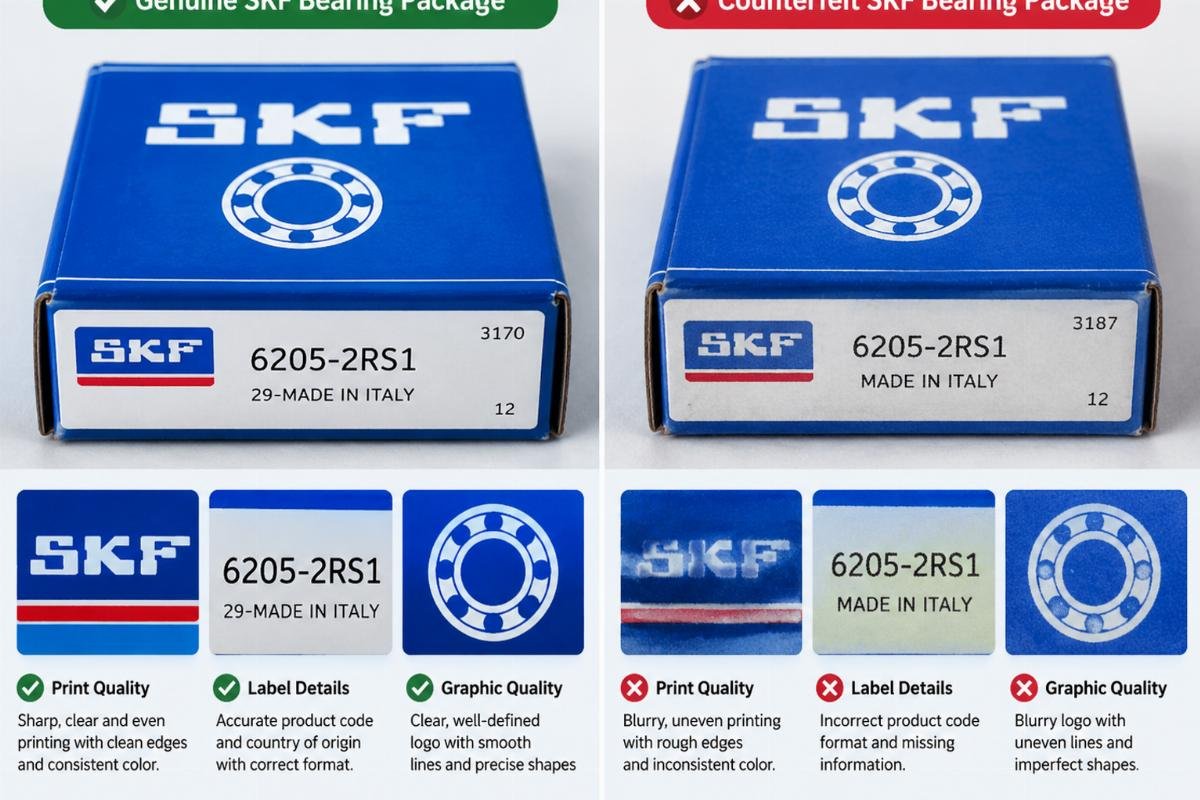
Consignment bins are vulnerable to tampering or accidental mixing with non-genuine parts. Ensuring the authenticity of FAG consignment stock is critical for maintaining equipment reliability. Counterfeit bearings may look identical but lack the precise metallurgy and heat treatment required for heavy-duty applications. They fail prematurely, causing secondary damage to shafts and housings.
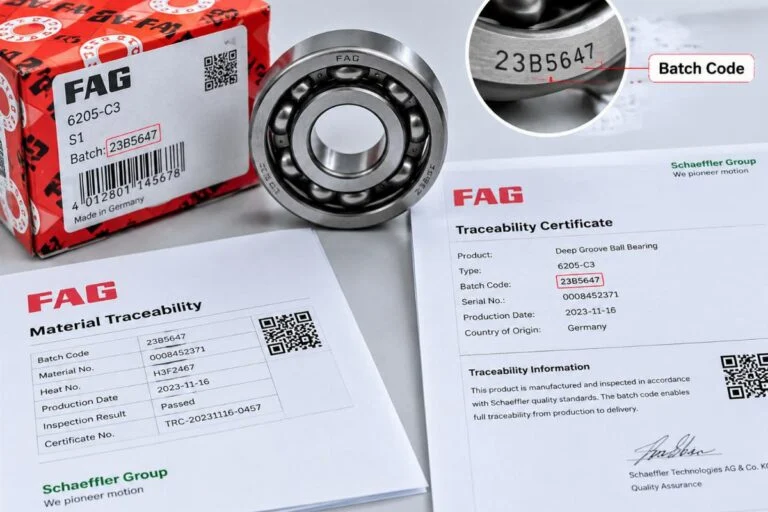
Verification begins with documentation. Every batch delivered to the consignment location should come with a certificate of authenticity and traceability documents linking the bearing to the manufacturer’s production facilities. These documents should be stored digitally and accessible for audit.
Regular batch inspections are also necessary. This does not mean checking every single bearing, but rather sampling from each new delivery. Inspectors should look for consistent packaging, correct labeling fonts, and proper marking on the bearing rings. Any deviation should trigger a quarantine of the entire batch. In one instance, a distributor noticed that the laser etching on a batch of bearings was slightly fainter than usual. Upon investigation, it was found to be a substandard replica. The quick detection prevented these units from entering the consignment stock.
Trust but verify. The convenience of consignment should not compromise quality control. Maintaining the integrity of FAG consignment stock protects both the buyer’s assets and the supplier’s reputation. It ensures that when a bearing is pulled from the bin, it performs as engineered.
Conclusion
Phantom stock and data lag are manageable with disciplined synchronization and verified emergency protocols.
Managing FAG consignment stock at US plants is not merely about storing parts; it is about maintaining a reliable lifeline for production. Real-time data integration prevents the illusion of availability, while physical audits ground that data in reality. When failures occur, pre-planned cross-brand sourcing ensures continuity. Authenticity checks protect the equipment from inferior substitutes. By treating consignment inventory as a dynamic, verified asset rather than a static reserve, manufacturers can avoid costly downtime and maintain operational excellence.