Spherical bearings do not fix bad housings.
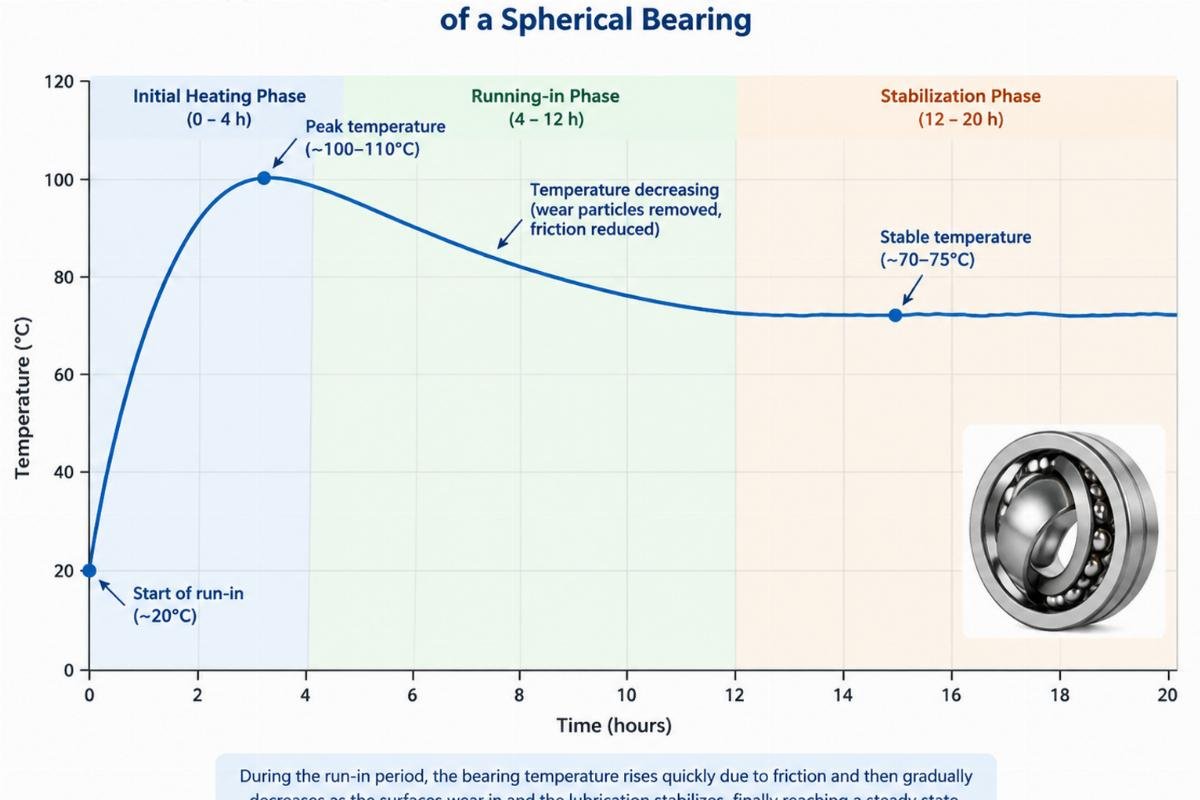
Proper mounting of a FAG spherical bearing in US conveyor housings requires strict adherence to housing bore alignment and controlled internal clearance. Misalignment in the housing bore causes edge loading that leads to premature cage failure, regardless of the bearing’s self-aligning capability. Success depends on verifying ISO tolerance classes for the housing, using laser alignment tools during installation, and monitoring temperature differentials during the run-in period.
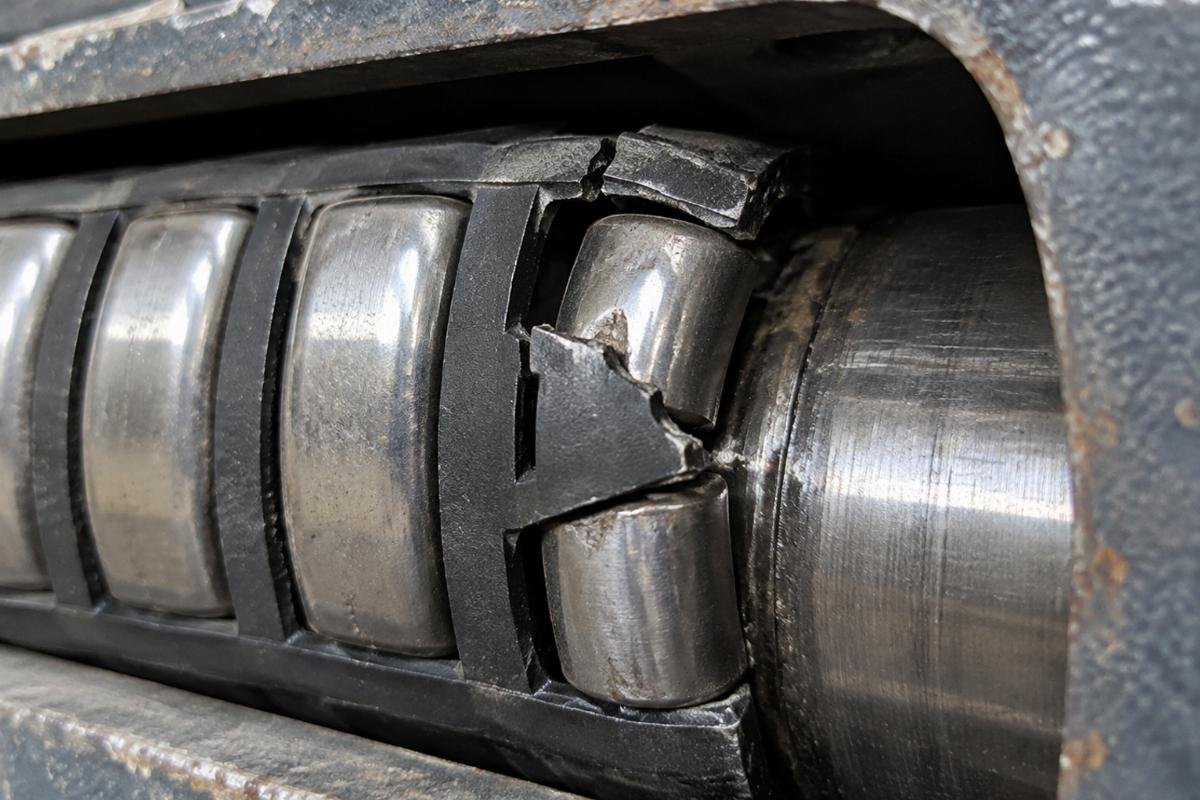
I still remember the silence in that Pennsylvania coal mine. It wasn’t the peaceful quiet of a job well done; it was the heavy, expensive silence of a stopped conveyor line. I had flown over from Suzhou, where I started my career turning bearing rings, to inspect a batch of FAG spherical roller bearings we had supplied. The maintenance manager pointed at a fractured cage, barely months into operation. He blamed the steel quality. I blamed the installation. The housing bores were out of coaxiality, forcing the bearing to operate under severe misalignment that its self-aligning feature could not compensate for. That trip changed how I approach every order. I no longer just ship boxes; I verify the mounting environment.
Understanding why these failures happen is the first step toward preventing them. In the US mining and aggregate sectors, conveyors are the lifelines of production. When they stop, revenue stops. The root cause is rarely the bearing itself but rather the interaction between the bearing and its housing during the mounting process.
Why Do FAG Spherical Bearings Fail Prematurely in US Conveyors?
Edge loading from housing misalignment is the primary killer, not material defects.
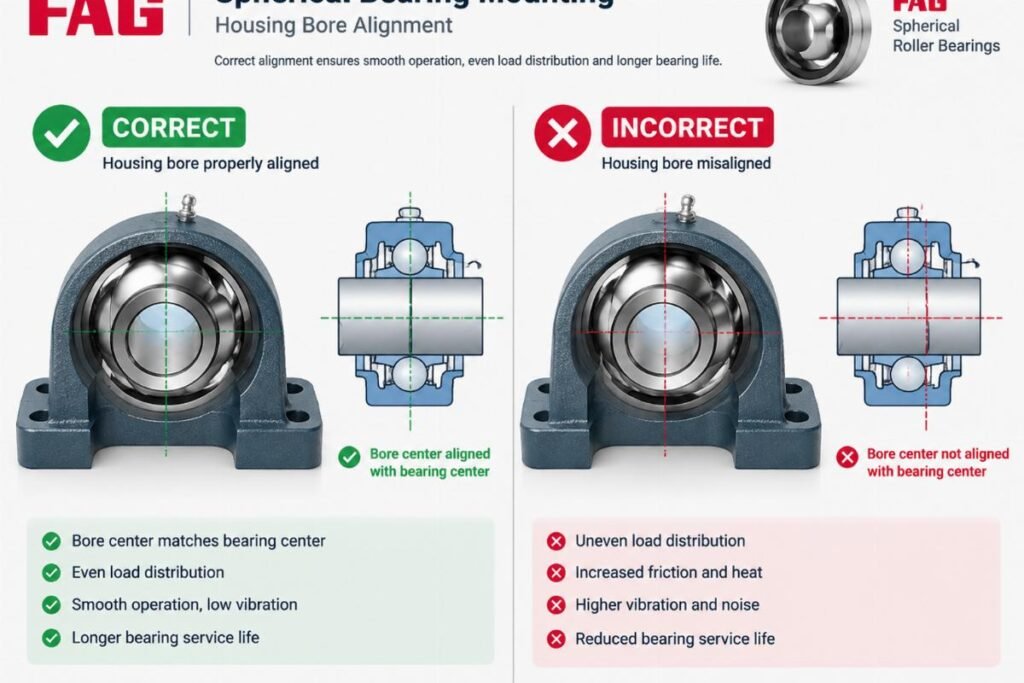
Many operators assume that because a spherical roller bearing is designed to accommodate misalignment, it can handle any degree of shaft or housing error. This is a dangerous misconception. While FAG spherical bearings can compensate for angular misalignment between the inner and outer rings, they cannot correct for severe parallel misalignment or distortion in the housing bore. When the housing bore is not perfectly coaxial, the outer ring gets distorted. This distortion eliminates the internal clearance on one side of the bearing, causing the rollers to load unevenly.
The result is edge loading. Instead of the load being distributed across the full length of the rollers, it concentrates on the edges. This creates high stress points that lead to rapid fatigue of the raceways and, more critically, fracture of the cage. In the case of the coal mine conveyor, the housing bore had worn unevenly over years of service. The new bearing was forced into this distorted space, leading to immediate operational stress.
Another common issue is improper fit. Some technicians believe that a tighter fit prevents slipping. However, excessive interference fits destroy the internal clearance required for thermal expansion. When the bearing heats up during operation, the lack of clearance causes the rolling elements to bind, spiking operating temperatures and leading to lubricant breakdown. We have seen cases where over-tightening adapter sleeves increased operating temperatures significantly, reducing the lifespan of the bearing by a noticeable margin.
To avoid these pitfalls, it is essential to understand that the bearing is only as good as its mounting. The housing must be prepared to accept the bearing without inducing stress. This means checking for roundness, diameter, and coaxiality before the bearing even leaves its packaging.
How to Prepare and Inspect Conveyor Housings Before Mounting?
Bore diameter, roundness, and coaxiality must meet ISO tolerances before installation begins.
Preparation is half the battle. Before attempting to mount a FAG spherical bearing, the housing must be inspected thoroughly. Cleaning is the obvious first step, but inspection is where many fail. The housing bore should be checked for diameter and roundness using calibrated micrometers or bore gauges. Any deviation from the specified ISO tolerance class, such as H9 for the housing, can lead to issues.
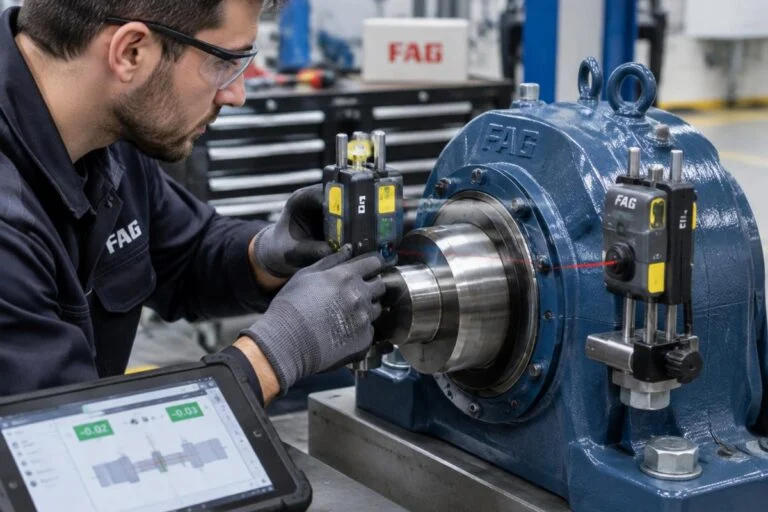
Coaxiality is equally critical. In long conveyor systems, multiple housing units must align perfectly along the shaft axis. If one housing is slightly higher or lower than the others, the shaft will bend, imposing additional loads on the bearings. Laser alignment tools are the standard for verifying this. They provide precise measurements of parallel and angular misalignment, ensuring that the housing supports the shaft correctly.
| Inspection Parameter | Acceptable Standard | Risk of Non-Compliance |
|---|---|---|
| Housing Bore Diameter | Within ISO H9 tolerance | Loose fit causes creep; tight fit destroys clearance |
| Roundness | Minimal deviation from perfect circle | Distorts outer ring, causes edge loading |
| Coaxiality | Aligned within laser tolerance limits | Induces shaft bending, increases bearing load |
| Surface Finish | Smooth, free of burrs and scratches | Damages outer ring surface, reduces heat transfer |
In one instance at an aggregate plant, we found that the housing bores had been machined with a slight taper. The bearings were mounted, but within weeks, the inner rings began to creep on the shaft. This was not due to a loose fit but because the tapered bore prevented uniform contact. The solution was to re-machine the housings to meet the required specifications. This highlights the importance of verifying the housing condition before mounting.

When sourcing replacements, ensure that the new bearings match the original specifications exactly. Our team provides technical support to verify model numbers and tolerances, ensuring that the replacement parts are compatible with the existing housing infrastructure. This attention to detail prevents mismatches that could lead to further downtime.
What Are the Step-by-Step Mounting Procedures for Adapter Sleeves?
Controlled tightening and locknut positioning ensure correct internal clearance.
Mounting a FAG spherical bearing with an adapter sleeve requires precision. The adapter sleeve allows for easy installation on a cylindrical shaft and provides a method for adjusting internal clearance. However, improper tightening can lead to catastrophic failure. The process involves sliding the bearing onto the sleeve, positioning it on the shaft, and then tightening the locknut.
- Clean and Lubricate: Ensure the shaft, sleeve, and bearing bore are clean. Apply a thin layer of oil to the shaft and the outside of the adapter sleeve to facilitate movement.
- Position the Bearing: Slide the bearing onto the adapter sleeve and then onto the shaft. Ensure the bearing is positioned correctly relative to the housing shoulders.
- Tighten the Locknut: Use a hook spanner to tighten the locknut. The goal is to drive the bearing up the taper of the sleeve, which expands the inner ring and reduces internal clearance.
- Measure Clearance Reduction: This is the critical step. Do not rely on torque alone. Measure the reduction in internal clearance using feeler gauges. The target reduction is specified by the manufacturer based on the bearing size. Over-tightening will eliminate all clearance, causing the bearing to seize.
- Secure the Lockwasher: Once the correct clearance reduction is achieved, bend the tab of the lockwasher into the slot of the locknut to prevent loosening.
A common mistake is over-tightening the locknut. In a grain elevator application, technicians tightened the adapter sleeves until they felt “secure.” This excessive force spiked operating temperatures, as the bearing had no room for thermal expansion. The result was a significant increase in operating temperature, leading to premature lubricant failure. By following the measured clearance reduction method, this risk is eliminated.

We supply genuine FAG bearings with complete traceability documentation, including detailed mounting instructions specific to each part number. Our technical team can guide you through the selection of the right tools and methods for your specific application, ensuring that the mounting process is executed correctly.
How to Verify Alignment and Run-in Conditions?
Laser alignment checks and temperature monitoring during the first 48 hours are essential.
Installation does not end when the locknut is secured. The run-in period is critical for identifying any issues before they become major problems. During the first 48 hours of operation, the bearing should be monitored closely. Temperature is the key indicator. A gradual rise in temperature is normal as the lubricant distributes, but a sharp spike indicates a problem, such as excessive preload or misalignment.
Laser alignment should be verified again after the system has reached operating temperature. Thermal expansion can shift the position of the shaft and housings. Ensuring that the alignment remains within tolerance under load is crucial for long-term reliability.
In addition to temperature, listen for unusual noises. Grinding or squealing sounds can indicate inadequate lubrication or contamination. Vibration analysis can also detect early signs of misalignment or imbalance. By monitoring these parameters, you can catch issues before they lead to unplanned downtime.
Our support extends beyond the sale. We offer failure analysis services to help you understand the root cause of any issues that arise. By providing genuine FAG bearings and expert technical guidance, we help you maintain the reliability of your conveyor systems. This proactive approach minimizes the risk of unexpected failures and maximizes the lifespan of your equipment.
Conclusion
Precision in mounting determines the lifespan of the bearing.
Successful installation of a FAG spherical bearing in US conveyor housings relies on rigorous preparation, precise mounting techniques, and careful monitoring. By addressing housing alignment, controlling internal clearance, and verifying run-in conditions, you can prevent premature failures and ensure reliable operation. Trust in genuine components and expert support to keep your operations running smoothly.