Most early hub failures are not caused by defective parts, but by incorrect installation torque and improper grease packing.
To ensure the longevity of a FAG wheel kit on Ford and GM trucks, technicians must strictly adhere to OEM-specified axle nut torque values and limit grease fill to approximately thirty percent of the hub cavity to prevent thermal expansion and seal failure.
I still remember the heat radiating off the asphalt in Lagos when I walked into that fleet maintenance yard. The manager was furious, pointing at a stack of blown front hubs from their Ford F-series trucks. He blamed the bearings, claiming the FAG wheel kit we supplied was substandard. It was a serious accusation for our business. I did not argue. Instead, I picked up a wrench and inspected the remaining installed units. The axle nuts were loose, allowing micro-movement that pulverized the bearing races. Furthermore, the mechanics had packed the hubs completely full of grease, leaving no room for expansion. The heat generated by fluid friction had cooked the seals, leading to catastrophic failure. It was not a product defect; it was a brutal installation error. This experience reshaped how I approach technical support for automotive aftermarket suppliers.
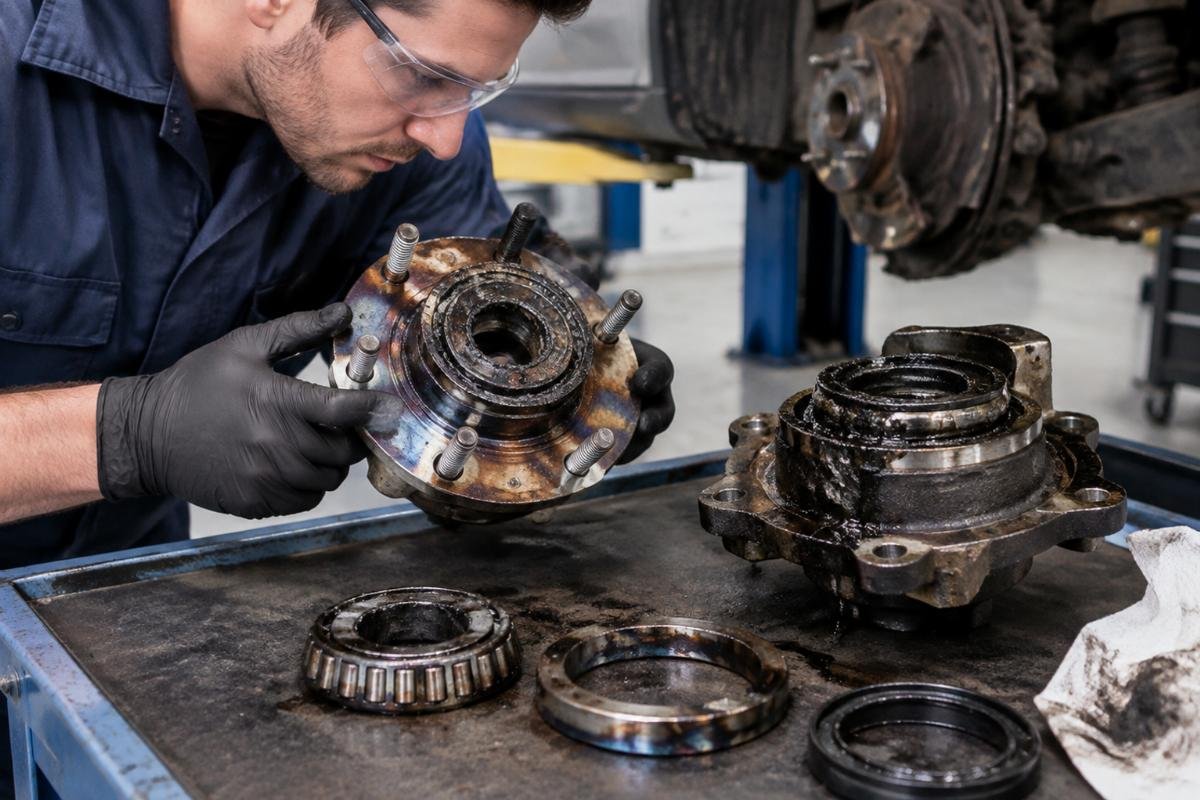
Understanding the root cause of these failures requires looking beyond the part number. For distributors and repair workshops handling high volumes of heavy-duty trucks, the difference between a warranty claim and a satisfied customer often lies in the details of the installation process.
Why Do FAG Wheel Kits Fail Prematurely on Ford/GM Trucks?
Installation errors, rather than manufacturing defects, account for the vast majority of early wheel bearing failures in heavy-duty applications.
When a hub fails shortly after replacement, the immediate assumption is often poor quality. However, industry data suggests that improper handling and assembly are the primary culprits. For Ford and GM trucks, which frequently operate under heavy loads and rough terrain conditions, the margin for error is slim.
The two most critical factors are axial end-play and thermal management. If the axle nut is not torqued to the precise specification, the bearing does not sit correctly in the hub. This leads to uneven load distribution. Conversely, over-tightening can preload the bearing, causing excessive heat generation during rotation. Both scenarios drastically reduce the service life of even the highest quality components.
Another frequent issue is contamination. During installation, if the hub surface is not meticulously cleaned, abrasive particles can enter the bearing race. These particles act like grinding paste, accelerating wear. This is why proper preparation is just as important as the torque applied at the final stage.

For wholesalers supplying these markets, educating clients on these failure modes is essential. It shifts the conversation from price to value and reliability. A FAG wheel kit is engineered for durability, but it requires a competent hand to realize its potential.
Step 1: Hub Preparation and Cleaning
Meticulous cleaning of the hub and spindle is the first line of defense against abrasive contamination and premature wear.
Before installing a new FAG wheel kit, the housing must be free of all old grease, rust, and debris. Many technicians skip this step to save time, but the consequences are severe. Any residual grit left in the hub will find its way into the new bearing within minutes of operation.
The process begins with removing the old bearing and seal. Use a dedicated puller to avoid damaging the hub bore. Once removed, inspect the spindle for scoring or discoloration. Blueing indicates overheating, which may mean the spindle itself needs replacement. If the spindle is intact, clean it with a solvent and a non-abrasive cloth. Pay special attention to the shoulder where the bearing inner race seats. Even a tiny burr here can prevent the bearing from seating fully, altering the effective torque and end-play.
After cleaning, apply a thin layer of fresh grease to the spindle surface. This prevents corrosion and ensures the new bearing slides on smoothly without dry friction. Do not use excessive grease on the outside of the spindle, as this can attract dirt during the assembly process.
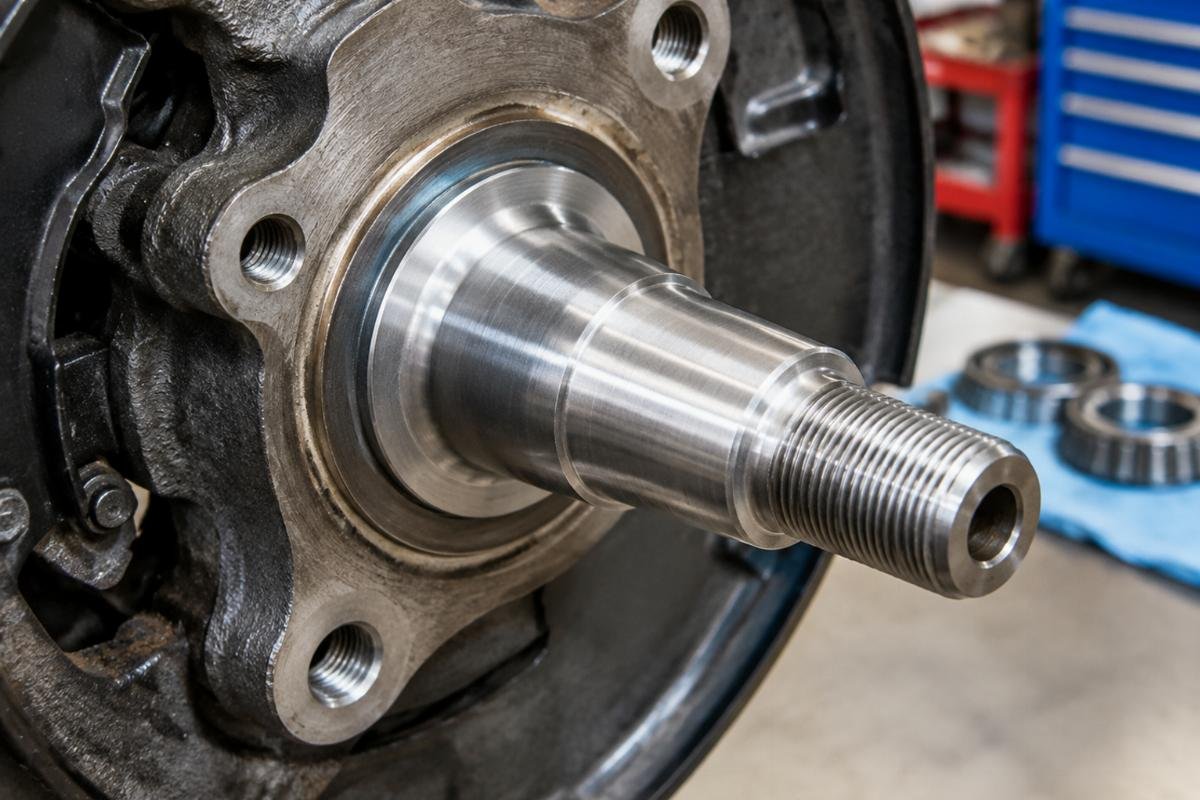
This step seems basic, but in high-volume repair shops, it is often rushed. Emphasizing the importance of cleanliness can significantly reduce return rates for your customers. It is a simple practice that yields substantial improvements in component longevity.
Step 2: Correct Grease Packing Techniques
Precise grease volume prevents overheating and seal damage, with thirty percent fill being the optimal standard for most hub assemblies.
One of the most persistent myths in truck repair is that more grease equals better lubrication. In reality, over-packing a hub is detrimental. When a hub is filled completely, the grease has no room to expand as it heats up during operation. This creates internal pressure that can blow out the seals, allowing contaminants to enter and lubricant to escape.
The correct method involves packing the bearing itself and leaving the surrounding hub cavity partially empty. For the bearing, use a packer or hand-pack until all voids between the rollers are filled. For the hub cavity, fill only about thirty percent of the available space. This allows the grease to circulate and manage heat effectively.
Use a high-quality lithium-complex grease suitable for heavy-duty applications. Avoid mixing different types of grease, as incompatible thickeners can break down and lose their lubricating properties.

Technicians should be trained to recognize the visual cue of proper filling. The grease should coat the internal surfaces without forming a solid block. This technique ensures that the FAG wheel kit operates within its designed thermal parameters, extending service intervals and reducing downtime for fleet operators.
Step 3: Torque Specs and Final Assembly
Exact torque application and end-play checks ensure optimal load distribution and prevent micro-movement that destroys bearing races.
The final assembly step is where precision matters most. For Ford and GM trucks, the axle nut torque specification is critical. Under-torquing allows the wheel to wobble slightly, creating impact loads that fatigue the metal. Over-torquing preloads the bearing, generating excessive heat.
Always use a calibrated torque wrench. Do not rely on impact guns for the final tightening sequence. Follow the OEM procedure, which often involves tightening to a specific value, loosening, and then retightening to a lower final torque while rotating the hub. This seats the bearing properly.
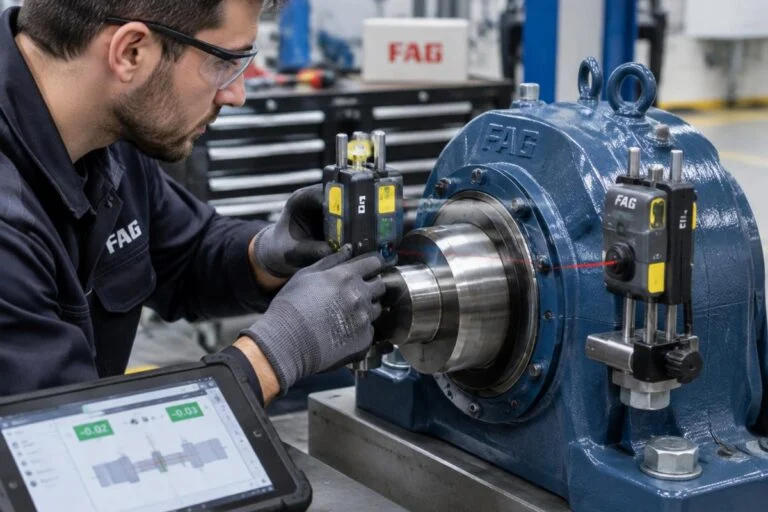
After torquing, check the axial end-play. There should be a slight amount of play, typically measured in thousandths of an inch, as specified by the vehicle manufacturer. If there is no play, the nut is too tight. If there is excessive play, it is too loose. Adjust accordingly.
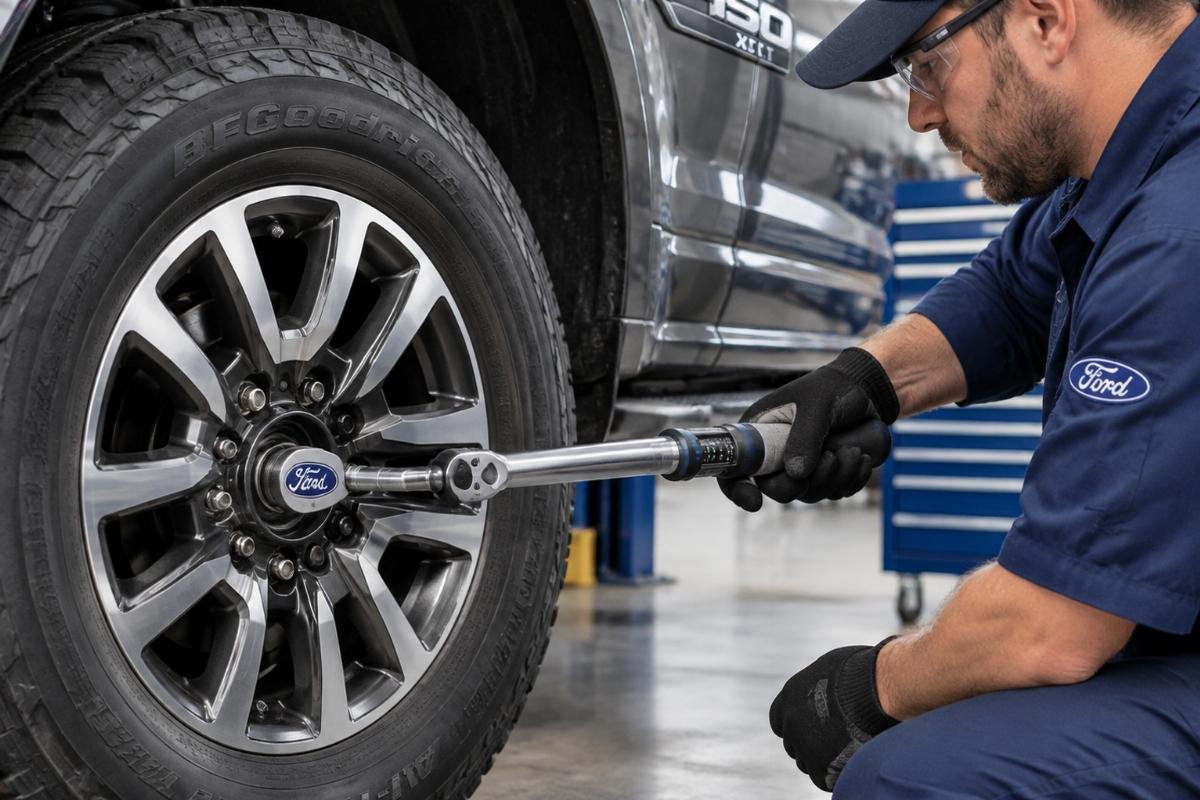
Once the torque is set and end-play is verified, install the lock washer and cotter pin or locking cap as required. Bend the cotter pin securely to prevent it from vibrating loose. This final security step ensures that the torque setting remains stable throughout the service life of the component.
Sourcing genuine FAG kits with full traceability from our global supply chain ensures the parts are perfect, leaving only the installation technique as the variable for success. When you combine authentic components with rigorous installation protocols, the result is a reliable, long-lasting wheel assembly that meets the demands of heavy-duty transport.
Conclusion
Proper installation is the key to unlocking the full performance potential of premium wheel bearings.
By focusing on clean preparation, correct grease volume, and precise torque application, technicians can eliminate the majority of premature failures. This approach protects both the reputation of the supplier and the operational efficiency of the end-user.