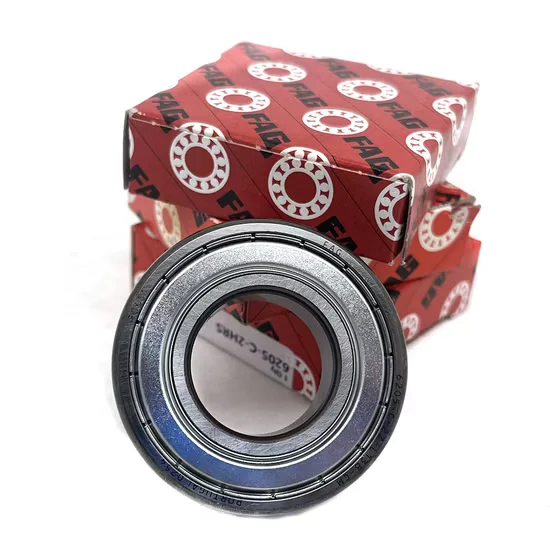
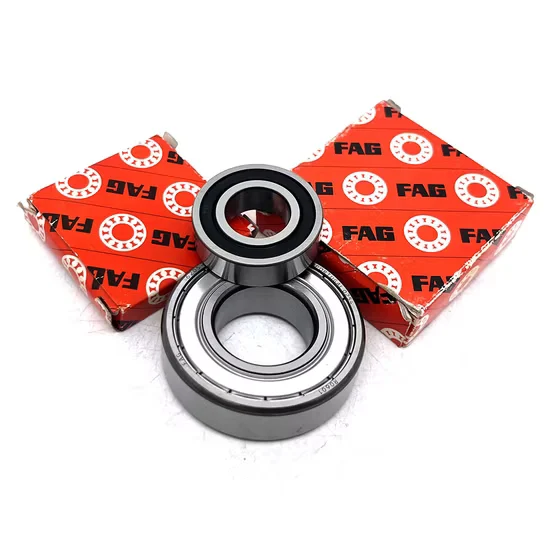
Stainless steel housings alone do not guarantee survival in a food processing environment.
Selecting genuine FAG bearings for US food plants requires verifying FDA/USDA compliance, CIP washdown resistance, and full traceability to prevent contamination and downtime. Without these specific verifications, even high-grade stainless components will fail under the chemical stress of modern sanitation protocols, leading to costly line stoppages and audit failures.
I still remember the smell of burnt sugar and rust on a juice filling line I inspected years ago. The maintenance team had replaced standard bearings with generic stainless units, assuming the material change was sufficient. Within weeks, the CIP alkaline wash caused micro-pitting on the raceways. The resulting flaking contaminated the product, forcing a total batch scrap. That failure was not due to load or speed, but a fundamental misunderstanding of how cleaning chemicals interact with bearing surfaces. This experience shifted my focus from simple part replacement to rigorous supply chain verification. Today, when sourcing for clients in the food and beverage sector, I look beyond the metal grade to the documentation that proves authenticity and chemical resistance.
The market is flooded with components that claim food safety but lack the engineering depth to survive daily industrial cleaning. For buyers responsible for plant uptime, the difference between a genuine solution and a counterfeit substitute often lies in the paperwork and the surface treatment technology. Understanding these distinctions is critical for maintaining both operational efficiency and regulatory compliance.
Why Standard Bearings Fail in US Food Plants?
Standard industrial bearings are designed for mechanical loads, not chemical warfare. In US food plants, the primary enemy is not friction, but the Clean-in-Place (CIP) system. These systems use high-pressure sprays of caustic soda, acids, and sanitizers at elevated temperatures to eliminate biological hazards.
When a standard bearing is exposed to this environment, two failure modes dominate. First, the seals degrade. Most standard rubber seals cannot withstand the repeated thermal shock and chemical attack of CIP cycles. Once the seal hardens or cracks, contaminants enter the bearing cavity. Second, the steel itself suffers from stress corrosion cracking. Even stainless steel, if not properly treated or if it contains impurities, can develop micro-cracks under the combined stress of mechanical load and chemical exposure.
I have seen procurement teams opt for lower-cost alternatives that meet basic dimensional standards but fail in material certification. A common misconception is that all stainless steel is equal. However, the specific alloy composition and heat treatment determine its resistance to pitting. Generic bearings often lack the controlled nitrogen infusion or specific surface treatments that enhance corrosion resistance in harsh environments.
The result is predictable: premature failure. Instead of lasting for years, these bearings begin to show signs of distress within months. The cost of replacement is minor compared to the downtime and potential regulatory fines associated with product contamination. For facilities operating under strict USDA or FDA guidelines, any sign of rust or lubricant leakage is a critical non-conformance.
To avoid this, buyers must prioritize bearings specifically engineered for washdown environments. This means looking for features like enhanced sealing technologies and specialized surface coatings that go beyond basic stainless steel construction. The goal is not just to resist rust, but to maintain structural integrity under continuous chemical assault.
Which FAG Series Survive High-Pressure Washdowns?
Not all FAG bearings are created equal for food applications. Selecting the right series requires understanding the specific zones within a food plant. Direct product contact areas demand different specifications than general conveyor systems in dry zones.
The core comparison lies between standard stainless steel series and those with advanced protective coatings. While stainless steel offers good baseline resistance, it is not impervious to all food-grade chemicals. Coated carbon steel bearings, such as those with Corrotect or similar proprietary treatments, often provide superior protection against specific corrosive agents found in CIP systems.
| Feature | Standard Stainless Steel | Coated Carbon Steel (e.g., Corrotect) | Special Food-Grade Series |
|---|---|---|---|
| Corrosion Resistance | Good | Robust | Certified High |
| Seal Material | Standard NBR/FKM | Enhanced FKM | FDA-compliant Elastomers |
| Lubricant | General Purpose | High-Temp Grease | NSF H1 Registered |
| Traceability | Variable | Full Batch | Full Mill Certificate |
| Cost Profile | Moderate | Higher | Premium |
A US buyer once sourced what appeared to be high-quality stainless bearings for a meat processing line. The bearings looked correct, but they lacked the specific surface treatment required for the ammonia-based cleaners used in their facility. Within a quarter, the outer rings showed significant pitting. By switching to a coated series designed for such chemical environments, the plant extended bearing life substantially and reduced unplanned stops.
It is crucial to verify the lubricant as well. The grease must be NSF H1 registered, meaning it is safe for incidental food contact. Many counterfeit or grey-market bearings use standard industrial grease, which poses a severe contamination risk.
When evaluating options, ask for technical data sheets that explicitly state compatibility with common food industry cleaners. Do not rely on general “food safe” labels. Look for specific test results or certifications that validate performance under washdown conditions. This level of detail separates genuine engineering solutions from marketing claims.
The right choice depends on the specific chemical profile of your cleaning regimen. A one-size-fits-all approach rarely works in complex food processing environments. Consulting with technical experts who understand both bearing mechanics and food safety regulations is essential for making the correct selection.
How to Verify FDA Compliance and Authenticity?
Authenticity is the biggest risk in global bearing procurement. Counterfeit bearings are prevalent, and they often mimic the packaging and markings of genuine products. However, they rarely meet the stringent material and manufacturing standards required for food safety.
Verifying FDA compliance starts with the documentation. Genuine FAG bearings intended for food applications come with mill certificates that trace the material back to the original production batch. These documents confirm the steel grade, heat treatment, and any surface treatments applied.
Customs documentation also plays a vital role. When importing bearings, the declared value and origin must match the manufacturer’s records. Discrepancies here are often red flags for counterfeit goods. I always recommend requiring dual verification: customs clearance papers alongside the original factory certificate. This dual-layer check significantly reduces the risk of accepting substandard products.
Another key verification step is the anti-counterfeit tracing system. Major manufacturers like FAG have implemented unique codes on their packaging and products that can be verified online. Buyers should insist on suppliers who provide these traceability codes and support the verification process. If a supplier hesitates to provide these details, it is a strong indicator that the products may not be genuine.
A European wind farm operator once faced severe issues with counterfeit bearings that failed prematurely. The root cause was a lack of proper traceability. By implementing a strict verification protocol that included mill certificates and anti-counterfeit checks, they eliminated fake parts from their supply chain. This same rigor is necessary for food plants where safety is paramount.
Do not accept self-reported compliance. Demand verifiable proof. This includes checking the supplier’s authorization status with the manufacturer. Authorized distributors have direct access to genuine stock and the supporting documentation required for audits. Grey market sellers often cannot provide this level of transparency.
What are the Procurement Pitfalls to Avoid?
Procuring bearings for food plants involves more than just finding the lowest price. Several common pitfalls can lead to audit failures and operational disruptions.
One major pitfall is mixing brands without proper technical evaluation. Different manufacturers have varying standards for seals, lubricants, and materials. Swapping a genuine FAG bearing with a generic equivalent without verifying compatibility can introduce weak points in the system. Always ensure that any alternative meets or exceeds the original specifications, particularly regarding chemical resistance and lubricant safety.
Another risk is accepting incomplete traceability. Some suppliers may provide partial documentation, such as a packing list but no mill certificate. In a regulated environment like a US food plant, this is insufficient. Auditors require full traceability to prove that every component meets safety standards. Missing documents can lead to failed audits and potential shutdowns.
Lead time mismanagement is also a frequent issue. Food plants often operate on tight schedules, and unexpected bearing failures can halt production. Relying on suppliers with inconsistent stock levels or long, unpredictable lead times increases the risk of extended downtime. It is crucial to work with suppliers who maintain substantial spot inventory and can offer flexible MOQs for emergency replacements.
I have seen facilities struggle because they sourced from vendors who could not guarantee batch consistency. One batch might be genuine, while the next contains counterfeits. Establishing a long-term relationship with a reliable supplier who prioritizes quality and transparency is far more valuable than saving a few dollars on initial purchase price.
Avoid suppliers who pressure you to skip verification steps or who cannot answer technical questions about their products. A reputable partner will welcome scrutiny and provide the necessary evidence to support their claims. This diligence protects your plant from both mechanical failure and regulatory penalties.
Conclusion
Genuine FAG bearings for US food plants are defined by verifiable compliance, not just brand names.
Success in this sector depends on rigorous validation of FDA adherence, CIP resistance, and supply chain transparency. By prioritizing documented authenticity and specialized engineering over cost savings, facilities can ensure uninterrupted operation and strict regulatory alignment.