Cheapest unit price is the most expensive way to buy bearings for drilling rigs.
Procuring genuine FAG bearings for US oil and gas applications requires strict traceability verification and correct specification matching to withstand extreme mud and high temperatures, rather than just comparing unit prices. Authenticity must be confirmed through material certificates and packaging security features before installation to avoid catastrophic downtime.
I still remember the silence on the drill floor in Nigeria. It was not the good kind of quiet. The top drive had seized. We pulled the shaft and found the spherical roller bearing shattered. The cage was not the standard brass alloy specified by the manufacturer; it was a brittle substitute that disintegrated under load. The rig sat idle for weeks while we waited for replacements. The penalty clauses in our contract ate up the entire project margin. That failure was not due to bad luck. It was due to a lack of verification. I learned then that in the oil and gas sector, a bearing is not just a component. It is a critical safety element.
This experience shapes how I approach every order today. When operators or distributors look for a FAG bearing wholesale supplier USA, they are not just buying steel. They are buying insurance against failure. The market is flooded with counterfeits that look identical from the outside but fail catastrophically under the unique stresses of drilling. This guide explains how to distinguish genuine products, select the right specifications for harsh environments, and structure procurement to minimize risk.
Why Do Standard FAG Bearings Fail in US Oilfields?
Standard catalog parts often lack the specific sealing and cage materials required for downhole and surface drilling conditions.
Many buyers assume that any FAG bearing with the correct dimensions will work. This is a dangerous misconception. Oil and gas environments present two primary enemies: abrasive mud and extreme heat. Standard industrial bearings are designed for clean factories, not muddy rig floors.
The first point of failure is usually the cage. In high-vibration applications like drill strings, a standard steel cage can fatigue and crack. Genuine FAG bearings for these applications often use machined brass or polyamide cages that offer better damping and resistance to shock loads. If a supplier cannot specify the cage material, the part is likely a generic substitute.
The second issue is sealing. Mud pumps and top drives are exposed to water-based and oil-based drilling fluids. These fluids contain solid particles that act as grinding paste. Standard rubber seals may harden or degrade when exposed to certain chemical additives in drilling mud. Specialized elastomers are required to maintain flexibility and sealing integrity at elevated temperatures. Without these specific seals, contaminants enter the raceway, causing premature spalling.
I have seen cases where operators bought standard deep-groove ball bearings for auxiliary equipment, only to have them fail within months. The issue was not the brand, but the application mismatch. For genuine FAG spherical roller bearings drilling rigs, the internal clearance must also be adjusted. Standard C3 clearance might be insufficient for shafts that expand significantly under thermal load. Choosing the wrong clearance leads to preload, which generates excessive heat and rapid lubricant breakdown.
How to Verify Genuine FAG Bearings for Drilling Rigs?
Traceability documentation and physical security features are the only reliable methods to confirm authenticity.
Counterfeiters have become sophisticated. They replicate packaging, logos, and even laser etching. However, they cannot replicate the metallurgical consistency and the full chain of custody. When sourcing from a FAG bearing wholesale supplier USA, you must demand more than a commercial invoice.
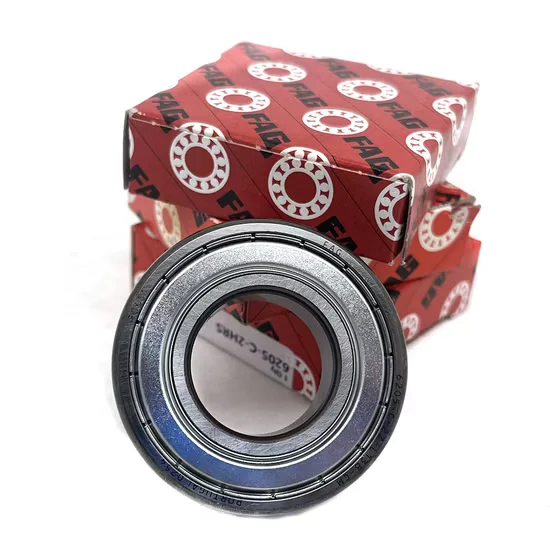
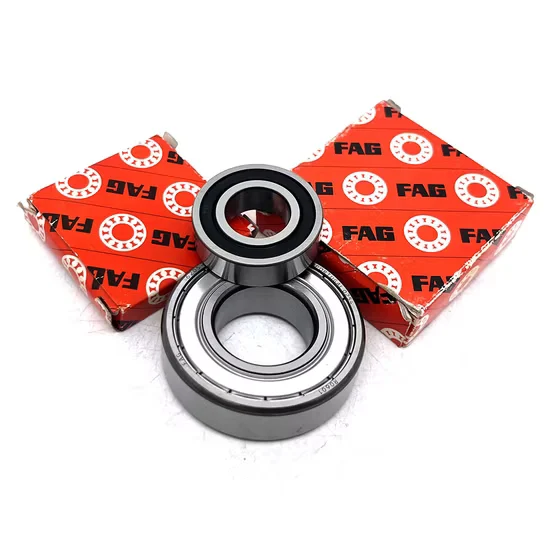
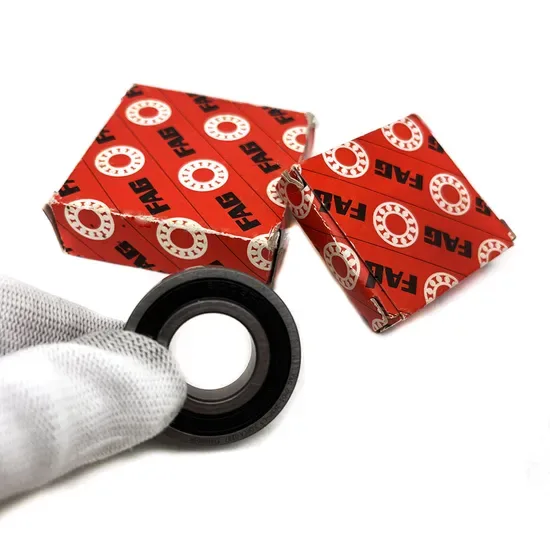
Start with the packaging. Genuine FAG bearings come in boxes with specific security labels that change color or reveal hidden text when tilted. Check the batch number on the box against the number etched on the bearing ring. They must match exactly. If the etching looks shallow, uneven, or easily rubbed off, it is a fake.
Next, request the material certificate. This document should trace the steel back to the melt shop. It confirms that the bearing rings were made from certified vacuum-degassed steel, which is essential for fatigue resistance. A legitimate supplier will provide this without hesitation. If they offer excuses about “proprietary information” or “standard quality,” walk away.
Physical inspection is also crucial. Genuine bearings have a very specific finish. The raceways should be mirror-smooth. The rolling elements should be perfectly spherical or cylindrical with no visible tool marks. Rotate the bearing by hand. It should move smoothly with no grittiness or binding. Counterfeit bearings often feel rough due to poor grinding and inadequate cleaning during assembly.
In one instance, a client received a shipment of tapered roller bearings for mud pumps. The packaging looked correct, but the rollers had a slight discoloration. Upon testing, the hardness was below specification. The supplier had mixed new shells with refurbished, substandard rollers. Because we checked the material certificate and performed a hardness test on arrival, we rejected the shipment before it reached the field. This saved the client from a potential pump failure during a critical drilling phase.
Which FAG Bearing Types Suit Specific Oil & Gas Equipment?
Different drilling components require distinct bearing geometries to handle their specific load profiles.
Selecting the right bearing type is as important as verifying its authenticity. Using a ball bearing where a roller bearing is needed, or vice versa, leads to immediate failure. The following matrix helps match FAG bearing types to common oil and gas equipment.
| Equipment Component | Primary Load Type | Recommended FAG Bearing Type | Key Feature Requirement |
|---|---|---|---|
| Top Drive System | Combined Radial/Axial | Spherical Roller Bearings | High misalignment compensation, robust cage |
| Mud Pump Crankshaft | Heavy Radial Shock | Tapered Roller Bearings | Precise setting, high load capacity |
| Rotary Table | Heavy Axial/Thrust | Thrust Roller Bearings | High stiffness, lubrication grooves |
| Shale Shaker Motors | High Vibration | Cylindrical Roller Bearings | Secure fit, vibration-resistant cage |
| Drawworks Drum | Heavy Radial | Spherical Roller Bearings | Self-aligning, large bore sizes |
Top drives experience significant misalignment due to the flexing of the drill string. Spherical roller bearings are ideal here because they can accommodate angular misalignment without inducing internal stress. For mud pumps, the load is primarily radial with heavy shock components from the piston action. Tapered roller bearings handle these combined loads effectively but require precise adjustment during installation.
When consulting an oil and gas bearing procurement guide, pay attention to the suffixes in the bearing designation. These codes indicate special features like internal clearance, cage material, and sealing type. For example, a bearing with a “M” suffix typically indicates a machined brass cage, which is preferred for high-speed or high-vibration applications over stamped steel cages. Ignoring these suffixes can result in receiving a standard industrial part that is unsuitable for the rig environment.
How to Balance Procurement Cost and Downtime Risk?
Wholesale consolidation with full traceability prevents costly field failures better than chasing the lowest unit price.
Many MRO operators try to save money by buying from the cheapest source. This strategy ignores the true cost of ownership. A failed bearing on a drilling rig does not just cost the price of the part. It costs the daily rig rate, which can be hundreds of thousands of dollars. It costs the labor to pull the equipment. It costs the delay penalties.
Sourcing from a reliable FAG bearing wholesale supplier USA allows for bulk consolidation. By combining orders for different sites or projects, you can achieve better pricing without sacrificing authenticity. More importantly, a professional supplier provides mixed-batch consolidation. This means you can order small quantities of various specialized bearings alongside your standard stock items. This reduces inventory carrying costs while ensuring you have the right parts for emergency repairs.
Traceability is the key to risk management. When you buy from a supplier who provides full documentation, you transfer the liability of authenticity to them. If a failure occurs due to a manufacturing defect, you have the paperwork to claim warranty support from the manufacturer. With counterfeit parts, you have no recourse.
Consider the case of a regional distributor in Latin America. He switched to a lower-cost supplier for his FAG stock. Initially, he saved fifteen percent on purchase price. Six months later, three of his major mining clients reported premature failures. The investigation revealed the bearings were counterfeit. He lost all three clients and faced legal action. The cost of rebuilding his reputation far exceeded the initial savings. By contrast, clients who source through verified channels with complete traceability enjoy long-term stability. They know that every bearing they install meets the original equipment manufacturer’s specifications.
Conclusion
Authenticity and specification accuracy are non-negotiable in oil and gas drilling.
Buying genuine FAG bearings for US oil and gas is not a commodity transaction. It is a technical procurement process that demands vigilance. Verify every shipment with material certificates and physical inspections. Match the bearing type and cage material to the specific loads and environmental conditions of your equipment. Avoid the temptation of low prices from unverified sources. The cost of a single downtime event dwarfs any savings on unit price. Partner with suppliers who prioritize traceability and technical support to ensure your operations run smoothly and safely.