The lowest online price for a bearing is often the most expensive line item on your maintenance budget.
Effective e-procurement for FAG bearings requires strict authenticity verification and flexible supply chain management to prevent costly downtime from counterfeit parts. Buyers must prioritize suppliers who provide complete traceability documentation and ISO-compliant quality assurance over those offering merely competitive pricing without verifiable provenance.
I still remember the oppressive heat inside the Dangote Refinery in Nigeria, where the air shimmered above forty degrees Celsius. A critical compressor had seized, not due to operational error, but because a batch of mixed-in counterfeit FAG bearings failed under load. The resulting shaft damage halted the entire production line for half a month. As I dismantled the failed components for metallurgical analysis, the frustration of the plant manager was palpable. He had sourced the parts through an online channel that promised significant savings, but the lack of rigorous supplier qualification meant he paid for it with extended unplanned downtime. That experience reshaped my approach to global bearing distribution. Now, whether fulfilling a single-unit emergency order or consolidating a full container load, the focus remains on ensuring every FAG bearing leaving the warehouse carries original traceability. This article explores how industrial buyers can navigate the digital marketplace to secure genuine components.
Transitioning from reactive emergency purchases to strategic e-procurement demands a shift in how buyers evaluate their supply partners.
Why is authenticity verification critical in online FAG bearing procurement?
Counterfeit bearings do not just fail prematurely; they cause catastrophic secondary damage to expensive machinery.
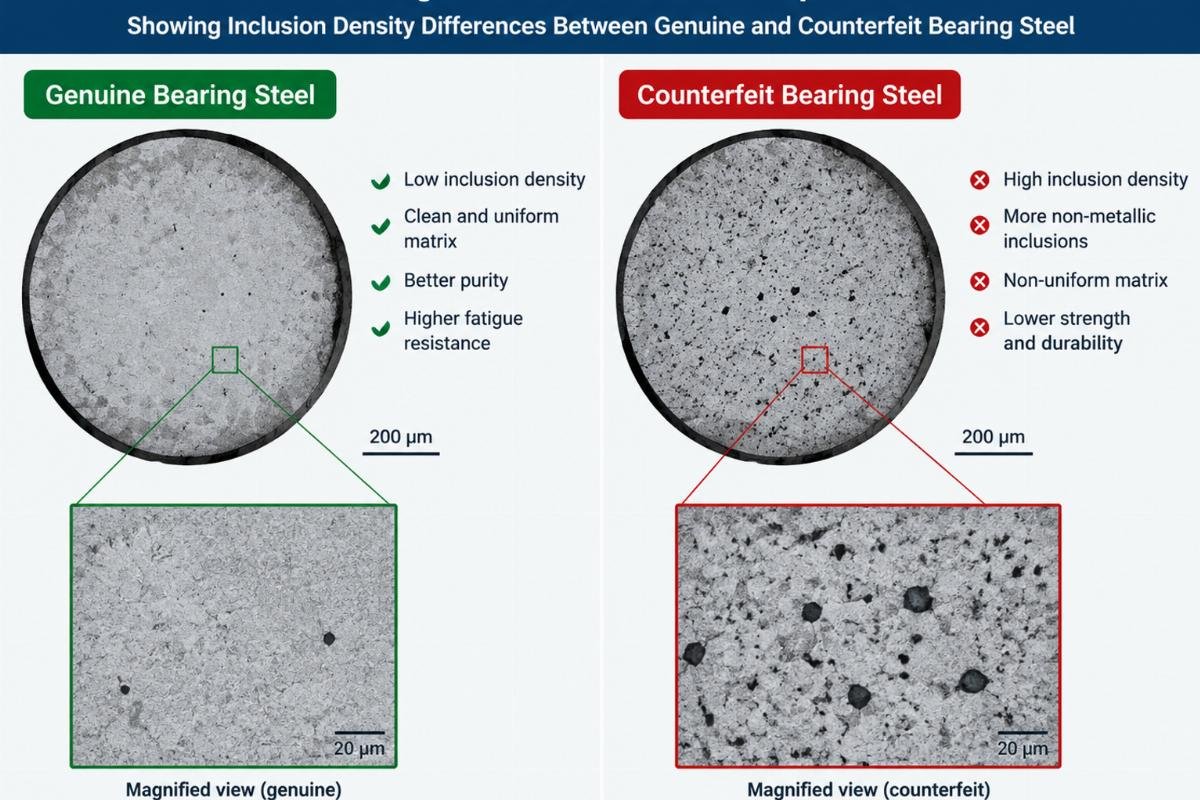
The primary risk in online procurement is not the cost of the bearing itself, but the hidden cost of equipment failure. Counterfeit FAG bearings often use inferior steel with uncontrolled inclusion density, leading to rapid fatigue crack initiation. When these substandard components are installed in high-load applications such as mining crushers or wind turbine gearboxes, the consequences extend far beyond the bearing housing.
A European wind farm operator once reported that a batch of non-genuine bearings caused vibration levels to spike, resulting in gearbox misalignment. The repair required replacing the entire drivetrain assembly, a cost several times higher than the savings achieved on the initial purchase. Authenticity verification is not merely a paperwork exercise; it is a technical necessity. Genuine FAG products undergo controlled nitrogen infusion and precise heat treatment processes that counterfeiters cannot replicate. Without access to the manufacturer’s production facilities and quality controls, fake bearings lack the micron-level precision required for modern industrial equipment.
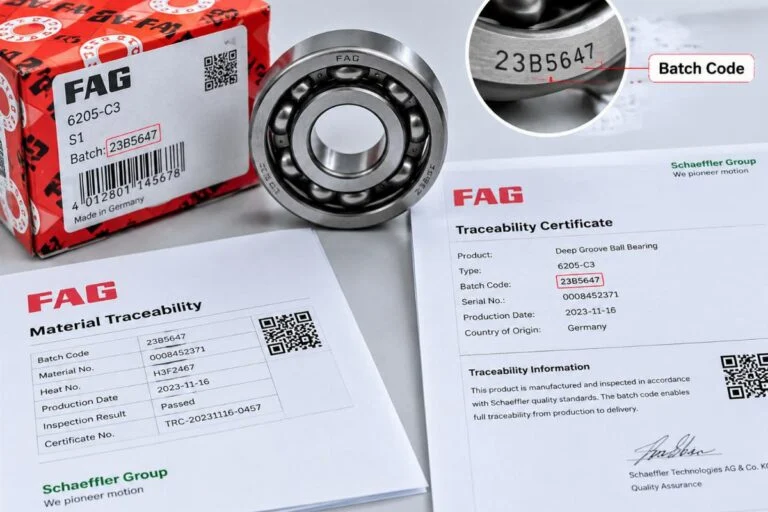
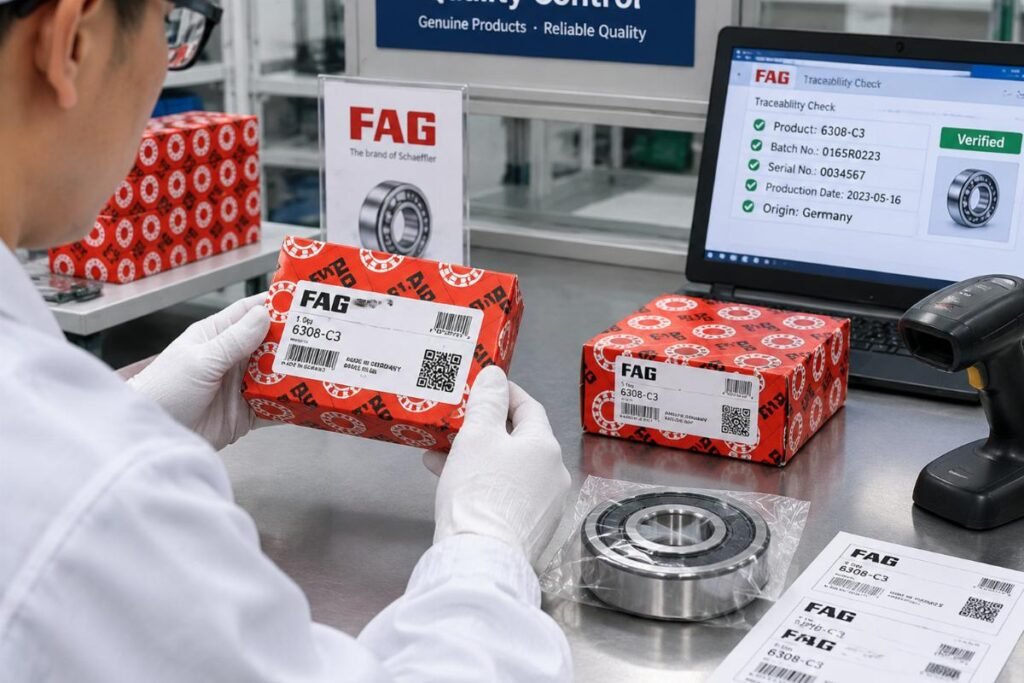
Buyers must look for suppliers who treat traceability as a core component of their service. This means requesting documentation that links the specific batch number to the original manufacturing source. Relying solely on visual inspection of the packaging is insufficient, as high-quality counterfeits often mimic holographic labels and box designs. Instead, the focus should be on the supply chain’s transparency. A reliable partner will provide verifiable proof of origin, ensuring that the components meet the stringent standards expected from premium global brands.
How to evaluate e-procurement suppliers for genuine FAG stock?
Require complete traceability docs and ISO compliance, not just low prices.
Evaluating a supplier goes beyond checking their website interface. It involves assessing their ability to provide consistent, verifiable quality across multiple orders. Many buyers assume that e-procurement is simply clicking “buy,” but the real reason for procurement success lies in rigorous supplier qualification.
When assessing a potential partner, consider the following criteria:
| Evaluation Criteria | High-Risk Supplier | Verified Partner |
|---|---|---|
| Traceability Documentation | Self-reported or none provided | Full batch-level certification available |
| Quality Assurance Standard | Basic internal check | ISO-compliant quality assurance processes |
| Inventory Source | Uncontrolled third-party mix | Direct from authorized channels or verified stock |
| Technical Support | Sales-only interaction | Cross-brand consultation and failure analysis support |
A Middle East steel mill recently switched suppliers after experiencing inconsistent batch quality. Their new partner provided detailed material certifications and allowed for pre-shipment inspections. This shift reduced their rejection rate noticeably and ensured that every FAG bearing installed met the required P0 or P5 precision grades depending on the application.
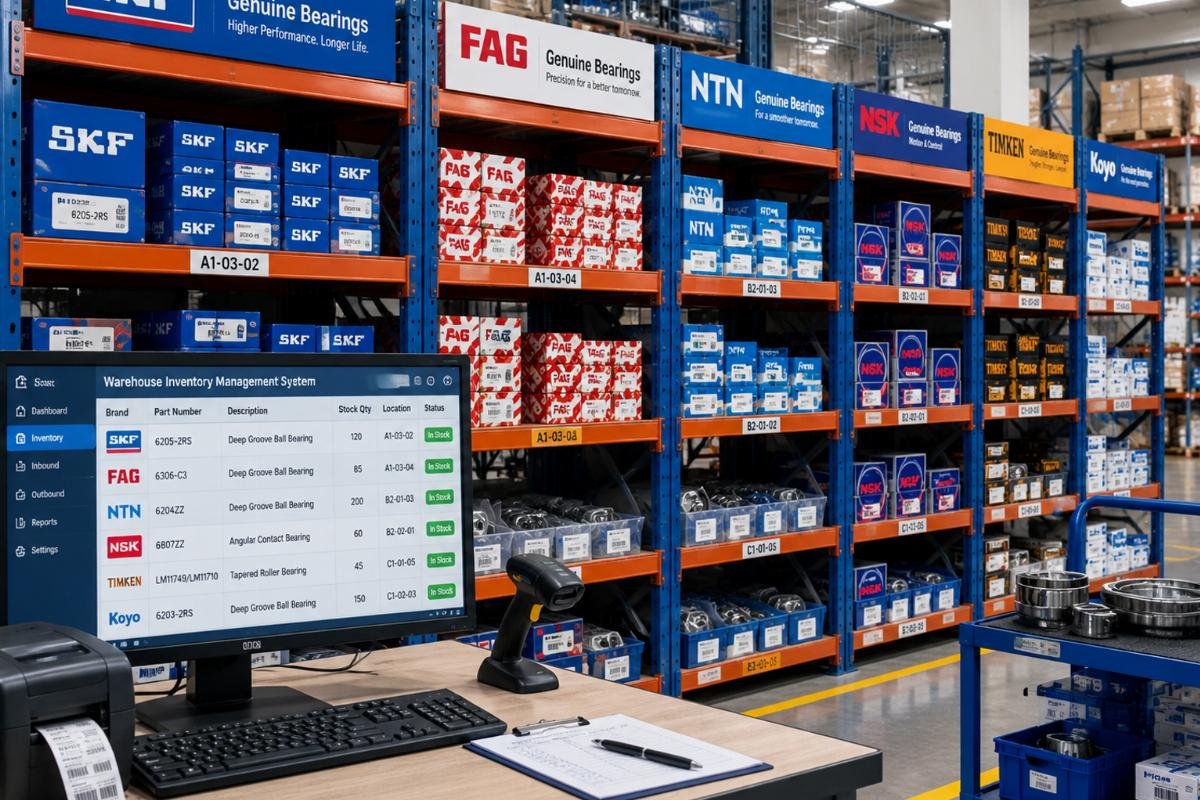
Suppliers who offer only price advantages without technical backing often lack the infrastructure to handle complex requests. In contrast, a professional global full-range bearing supplier will maintain massive spot inventory covering thousands of standard and special part numbers. This depth of stock allows them to fulfill urgent needs without compromising on authenticity. The ability to provide cross-brand equivalent model consultation is also a key indicator of expertise. If a specific FAG model is unavailable, a knowledgeable supplier can recommend a suitable alternative from brands like SKF, NSK, or TIMKEN, ensuring that the technical requirements of the application are still met.
What are the best practices for mixed-batch and urgent spare-part orders?
Flexible MOQ and consolidated shipping minimize inventory costs and lead times.
Industrial operations rarely require only one type of bearing. Maintenance schedules often involve replacing various components across different machinery types, from deep-groove ball bearings in electric motors to spherical roller bearings in heavy conveyors. Managing these diverse needs through multiple vendors increases administrative burden and shipping costs.
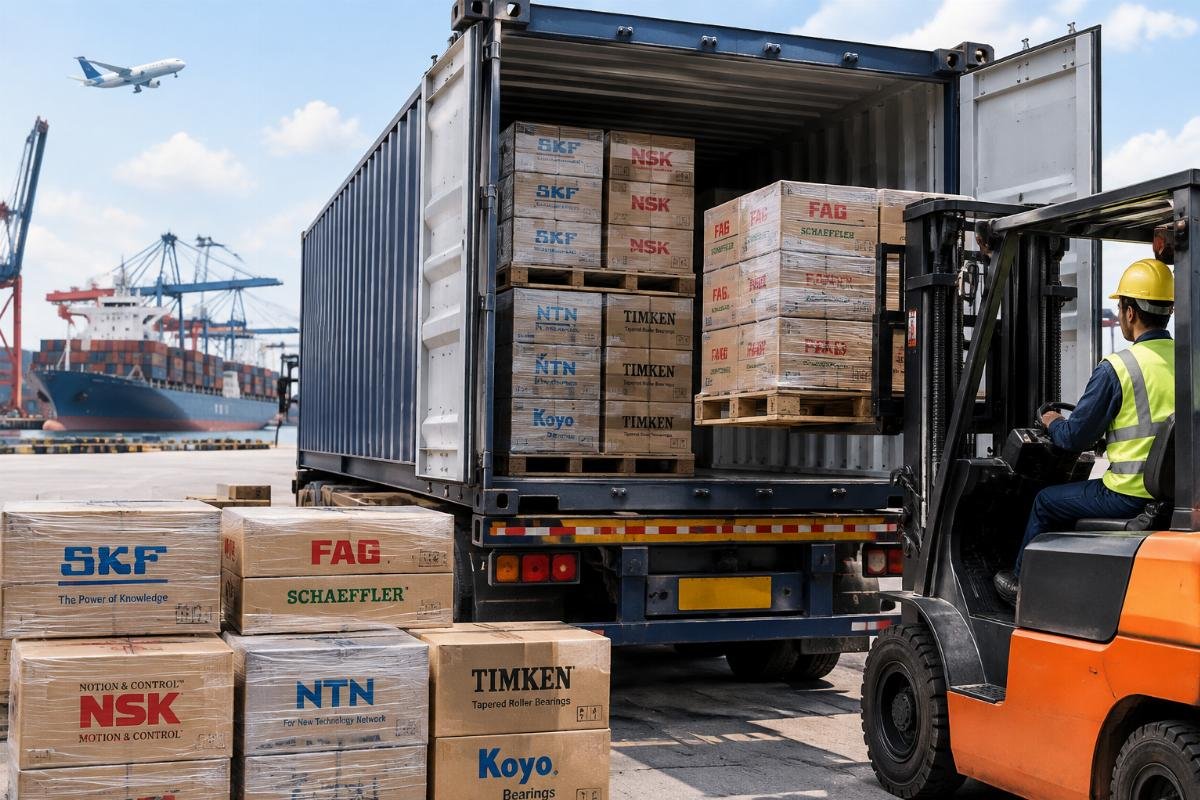
Consolidation is the key to efficient e-procurement. By sourcing from a supplier who offers flexible MOQ ranging from single-unit emergency spare-part orders to full container consolidation shipments, buyers can optimize their logistics. For instance, a mining operation in Latin America needed to replace a specific tapered roller bearing urgently while also restocking common deep-groove units for routine maintenance. Instead of placing separate orders with expedited shipping fees for each, they consolidated the request into one shipment. This approach reduced the total landed cost and simplified customs clearance.
Urgent MRO replacements require a different strategy. When a critical machine goes down, time is the most valuable resource. A reliable supplier will have protocols for 48-hour global dispatch directions for single-unit orders. This capability depends on having a well-organized spot inventory and established relationships with global logistics providers.
However, speed should not compromise verification. Even for urgent orders, the supplier must ensure that the dispatched FAG bearing is genuine. This is where having a professional team with field experience becomes invaluable. They understand the pressure of a shutdown and can prioritize the picking and packing process without skipping quality checks. The ability to handle mixed-brand, mixed-size bearing packages for bulk project orders further demonstrates a supplier’s capacity to support complex industrial needs.
How does technical support reduce long-term procurement risks?
Cross-brand consultation and failure analysis ensure correct model selection.
Procurement is not just about buying a part number; it is about solving a mechanical problem. Incorrect model selection can lead to premature failure, even if the bearing is genuine. Technical support bridges the gap between commercial transaction and engineering application.
Consider a scenario where a pump manufacturer was experiencing frequent bearing failures in a new product line. The initial assumption was that the FAG bearings were defective. However, upon reviewing the application parameters, it became clear that the selected angular contact ball bearings were not suited for the axial load conditions. A supplier with technical expertise would identify this mismatch during the consultation phase. They might suggest switching to a cylindrical roller bearing or adjusting the preload settings.
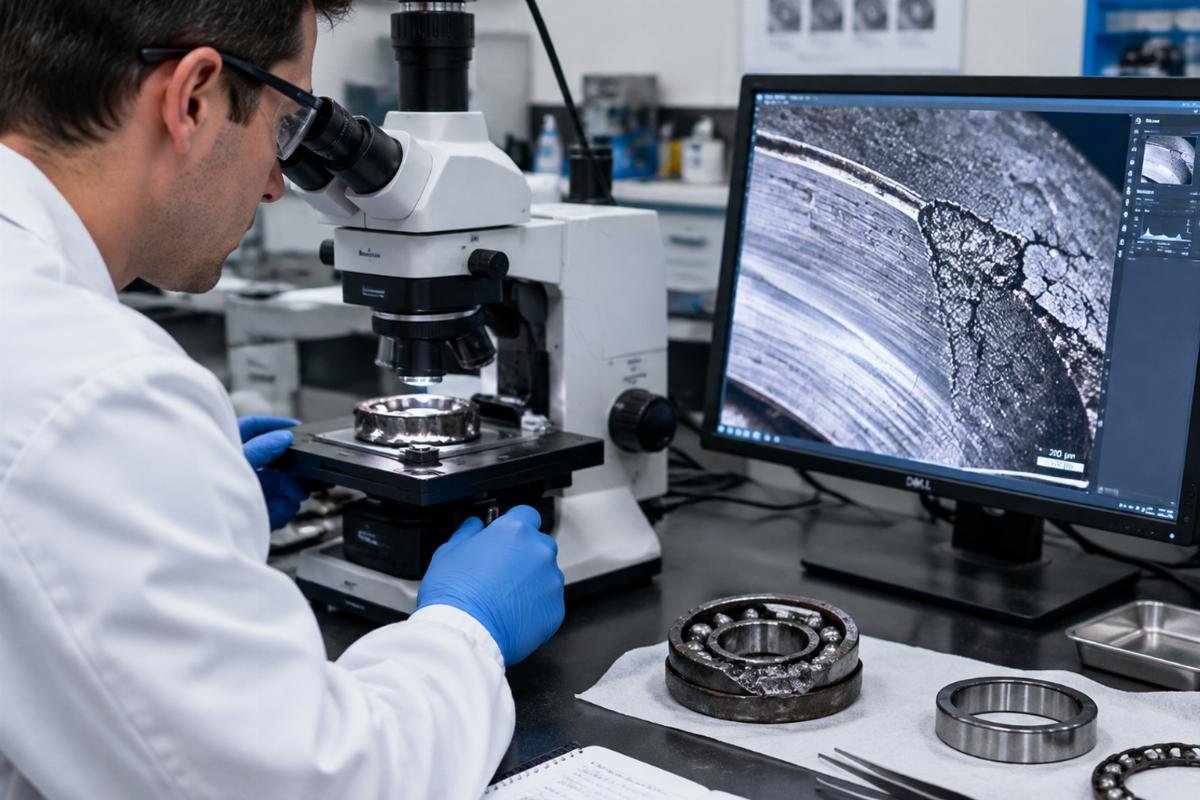
Failure analysis is another critical service. When a bearing fails, understanding why it failed prevents recurrence. Metallurgical analysis can reveal whether the failure was due to fatigue, contamination, or improper lubrication. This information helps buyers make informed decisions about future procurement. For example, if contamination is the root cause, the supplier might recommend sealed bearings or improved housing designs.
This level of support transforms the supplier from a vendor into a partner. It ensures that the bearings purchased are not only genuine but also appropriate for the specific operating environment. Whether serving automotive aftermarket suppliers needing cross-reference lookup services or precision-equipment builders requiring parameter verification, technical guidance reduces the risk of costly errors.
Conclusion
Secure your supply chain with verification, not just price.
Effective e-procurement for FAG bearings hinges on balancing authenticity, flexibility, and technical expertise. By prioritizing suppliers who offer complete traceability and robust support, industrial buyers can mitigate the risks of counterfeit parts and unplanned downtime. The goal is to ensure that every component contributes to the reliability and efficiency of your operations.