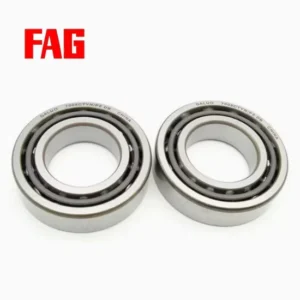


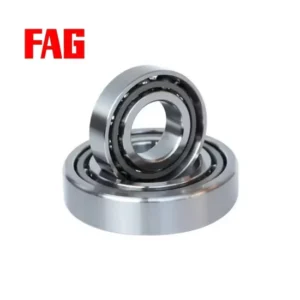
Product details
Description and application notes
Official App QR Verification — Every FAG B71900-C-T-P4s-UL angular contact ball bearing shipped includes a scannable QR code linking directly to the manufacturer's authentication database.
Technical Specifications
| Parameter | Value |
|---|---|
| Designation | B71900-C-T-P4s-UL |
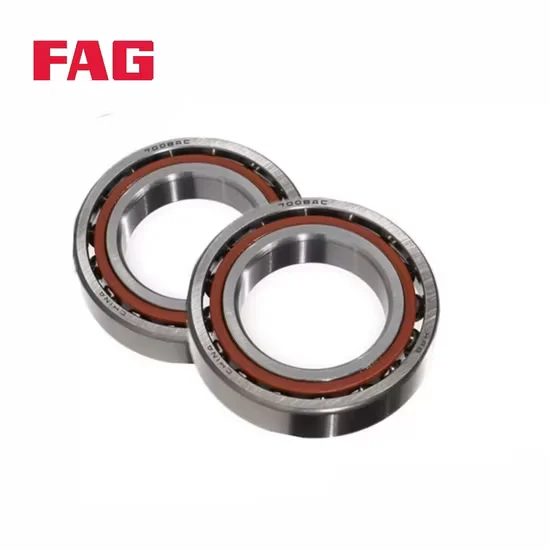
| Product Type | Angular Contact Ball Bearing |
| Bearing Type | Single-Row Bearing |
| Precision Class | P4s (ISO) |
| Contact Angle | 15° (C suffix) |
| Material | Steel |
| Origin | Jiangsu China |
| Certification | ISO |
Application Suitability
| Industry | Typical Applications |
|---|---|
| Machine Tool Manufacturing | High-speed motorized spindles and precision grinding heads |
| Industrial Automation | High-accuracy robotic joint actuators |
| Fluid Machinery | High-speed pump shaft support systems |
Why Ignoring Suffix Precision Destroys Machine Tool Spindles
Matching the exact precision class and contact angle prevents the thermal seizure that ruins expensive machining centers.
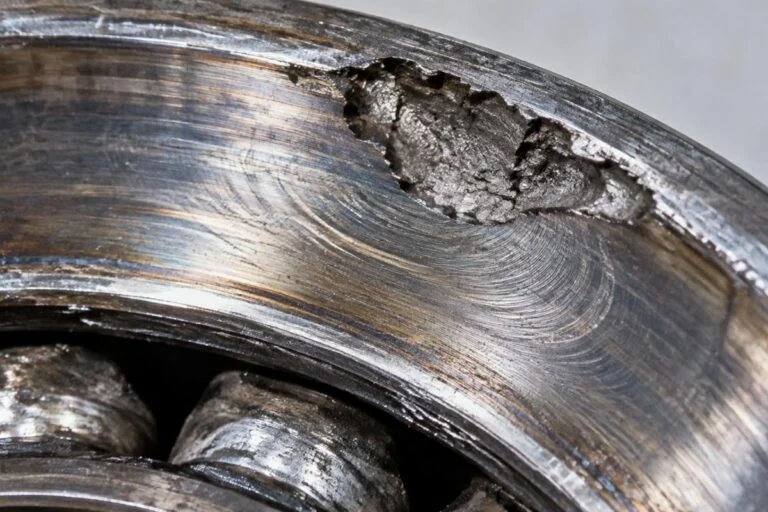
Early in my career procuring for a Dubai machine tool plant, I watched a standard angular contact bearing get pressed into a high-speed spindle. The result was severe chatter marks on every workpiece and eventual thermal seizure of the shaft. That failure taught me that substituting a standard tolerance with a true P4s class, or misinterpreting the 15° contact angle, introduces microscopic deflections that amplify into massive vibration at high RPMs. When sourcing a FAG B71900-C-T-P4s-UL angular contact ball bearing, ignoring these critical suffix details guarantees premature failure. The internal geometry must perfectly match the spindle's dynamic profile to avoid catastrophic downtime.
Aligning Spindle Dynamics with Bearing Geometry
High-speed machining demands exceptional rigidity and minimal friction heat generation across the entire rotational range. The FAG B71900-C-T-P4s-UL angular contact ball bearing delivers this through its optimized 15° contact angle, which carefully balances axial load capacity with high-speed centrifugal force resistance. Our engineering team cross-checks your spindle's specific RPM and load profile to ensure this exact configuration prevents the premature wear we frequently see in mismatched assemblies. By validating the precise contact angle and precision class, we ensure the bearing maintains its geometric integrity under extreme cutting forces, delivering the flawless surface finishes your clients expect from premium machined components.
Navigating Thermal Expansion and Lubrication Breakdown
Spindle environments subject bearings to intense centrifugal forces and rapid temperature fluctuations during heavy cutting cycles. If the internal clearance is not perfectly matched to the thermal expansion of the shaft and housing, the bearing will either run too loose, causing destructive vibration, or preload excessively, leading to severe lubricant starvation. Proper oil-air or grease lubrication must be carefully calibrated to the specific speed limits of the 15° contact angle design to prevent cage wear and raceway smearing. Maintaining the correct thermal equilibrium is essential, as excessive heat alters the steel's dimensional stability and compromises the tight running accuracy required for precision grinding operations.
Decoding the P4s Precision and 15° Contact Angle
The P4s precision class dictates extremely tight tolerances for dimensional and running accuracy, which is absolutely non-negotiable for eliminating spindle runout in high-end machining. The C suffix confirms a 15° contact angle, specifically engineered to handle the high-speed, light-to-moderate axial loads typical in milling and grinding spindles. Unlike a 25° angle that prioritizes heavy axial thrust, this 15° geometry minimizes friction heat generation at elevated rotational speeds, preserving the lubricant film. The single-row design requires precise mounting arrangements, typically in back-to-back or face-to-face pairs, to manage combined loads effectively while maintaining the rigid preload necessary for heavy interrupted cuts.
The Financial Impact of Precision Misalignment
Installing a bearing with incorrect running accuracy or the wrong contact angle leads to unplanned downtime and catastrophic damage to the expensive spindle housing. According to ISO 15243 frameworks, improper internal clearance or precision mismatch accelerates surface fatigue and smearing on the raceways, destroying the bearing in a fraction of its expected lifespan. This not only voids the machine warranty but also results in scrapped production batches due to unacceptable surface finish tolerances. The hidden costs of replacing a seized spindle shaft and recalibrating the entire machine tool far outweigh the initial investment in properly specified, high-precision components.
Securing Traceable Precision for Critical Spindles
We verify every P4s tolerance and 15° contact angle specification against the manufacturer's original data before dispatch to prevent costly misapplications. Our inventory includes complete traceability documentation, ensuring you receive genuine components rather than relabeled standard-precision substitutes that fail under load. We provide cross-reference alignment checking to confirm that the cage material and clearance class perfectly match your OEM spindle requirements, avoiding the pitfalls of generic replacements. Furthermore, our technical team offers post-installation failure analysis support if unexpected vibration occurs during the break-in period, ensuring your machining center returns to full productivity without extended troubleshooting delays.
Documentation & Authenticity
- Certificate of Conformity verifying the P4s precision class and original manufacturing batch.
- Dimensional and running accuracy inspection reports confirming tight spindle tolerances before shipment.
- Official manufacturer QR code authentication for direct digital verification of the bearing's origin.
- Material traceability documents ensuring the steel composition meets high-speed spindle requirements.
Storage, Handling & Mounting
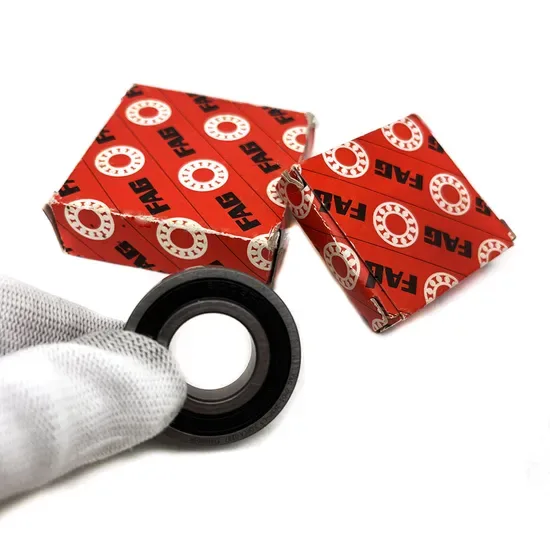
- Keep the P4s precision bearing in its original vacuum-sealed packaging until mounting to prevent microscopic dust contamination.
- Use clean, lint-free gloves when handling the 15° contact angle raceways to avoid moisture-induced corrosion.
- Follow strict induction heating protocols for the inner ring to preserve the tight P4s dimensional tolerances during installation.
- Maintain the factory-applied rust preventative coating until the exact moment of spindle assembly to protect precision-ground surfaces.
- Ensure matched pairs are mounted in the exact sequence marked on the packaging to maintain intended preload distribution.
Preparing Your Spindle Data for Technical Review
To ensure optimal L10 life calculation and precise component selection, please share your spindle's maximum RPM, radial and axial load profiles, and operating temperature range. Providing the OEM equipment model number allows our engineers to perform a precise cross-reference check and verify the required clearance class against the original design specifications. This technical review guarantees the bearing configuration perfectly aligns with your specific machining tolerances, preventing the costly trial-and-error approach that often plagues maintenance teams. Submitting these operational parameters enables us to recommend the exact preload arrangement and lubrication strategy for your specific cutting applications.
Frequently Asked Questions
Q: How does P4s precision differ from standard P4 in spindle applications?
A: The P4s class enforces stricter running accuracy and tighter dimensional tolerances than standard P4, which is critical for high-speed spindles. This enhanced precision minimizes microscopic runout, preventing the chatter marks and thermal buildup that typically occur when standard tolerance bearings are pushed to extreme RPMs in precision grinding or milling operations.
Q: What precautions are needed when cross-referencing 7212AC with the B71900 series?
A: The 7212AC features a 25° contact angle and completely different dimensional proportions compared to the B71900 series. Direct substitution without engineering review will cause severe load distribution issues and premature failure. Always verify the exact contact angle, bore diameter, and precision class with our technical team before attempting any cross-reference replacement in a spindle assembly.
Q: How should unverified suffixes like T and UL be interpreted for this model?
A: Suffixes such as T and UL require direct confirmation from the manufacturer's current catalog, as they may denote specific cage materials or universal flush-grinding clearance standards. We always verify these exact suffix definitions against the latest official technical documentation to ensure the bearing meets your specific spindle preload and speed requirements before shipment.
Q: What is the recommended lubrication approach for a 15° contact angle spindle bearing?
A: High-speed spindles utilizing a 15° contact angle typically require precise oil-air or high-speed spindle grease lubrication to manage friction heat. Over-greasing causes churning and rapid temperature spikes, while under-lubrication leads to cage wear. We recommend consulting the machine tool builder's specific volumetric feed rates to maintain the optimal lubricant film thickness at maximum operating speeds.
Q: How can I verify the authenticity of the FAG spindle bearings before installation?
A: Every genuine bearing includes a scannable QR code or unique serial number that links directly to the manufacturer's official authentication application. Scanning this code confirms the production batch, original factory specifications, and distribution chain. We also provide supplementary dimensional inspection reports to double-check the P4s tolerances before the bearing is pressed into your spindle housing.