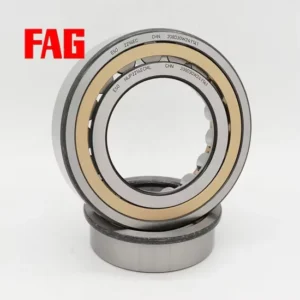
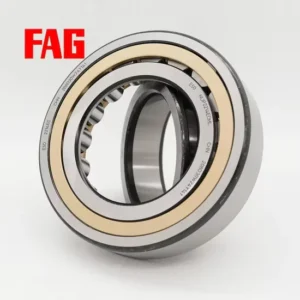
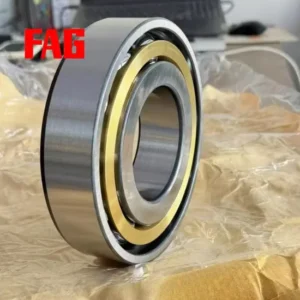
Product details
Description and application notes
Cross-Reference Alignment — We verify dimensional, precision, and load equivalencies across three major manufacturer catalogs before confirming any substitute for this specific spindle bearing, ensuring perfect interchangeability.
Technical Specifications
| Parameter | Value |
|---|---|
| Designation | FAG Hcb71924-E-T-P4s-K5-UL |
| Product Type | Angular Contact Ball Bearing |
| Bearing Type | Single-Row Bearing |
| Series | Hcb70, Hcb719, Hcb72 |
| Precision Class | P4s |
| Contact Angle | 25° |
| Material | Steel |
| Certification | ISO |
| Customization | Available |
| Origin | Jiangsu China |
Note: Suffixes T, K5, and UL require manufacturer catalog confirmation for exact technical definitions.
Application Suitability
| Industry | Typical Applications |
|---|---|
| Machine Tool Manufacturing | High-speed CNC lathe main spindles |
| Precision Equipment | Rotary tables and indexing heads |
| Fluid Machinery | High-speed pump shaft supports |
Why Spindle Vibration Often Traces Back to Suffix Misreads on the FAG Hcb71924-E-T-P4s-K5-UL angular contact ball bearing
Mismatched bore tapers or incorrect preload classes destroy assembly tension before the machine even powers on.
During my early purchasing days in Dubai, I ordered spindle bearings for a CNC lathe but overlooked a critical taper suffix, receiving standard cylindrical bore units instead. The resulting preload collapse caused severe high-speed overheating and vibration, completely ruining the machined surface finish and scrapping expensive workpieces. That costly mistake fundamentally reshaped how I verify every single suffix string today, ensuring that the exact internal geometry matches the spindle builder's original calculations and preventing costly assembly rework.
Matching Precision Demands in High-Speed Machining
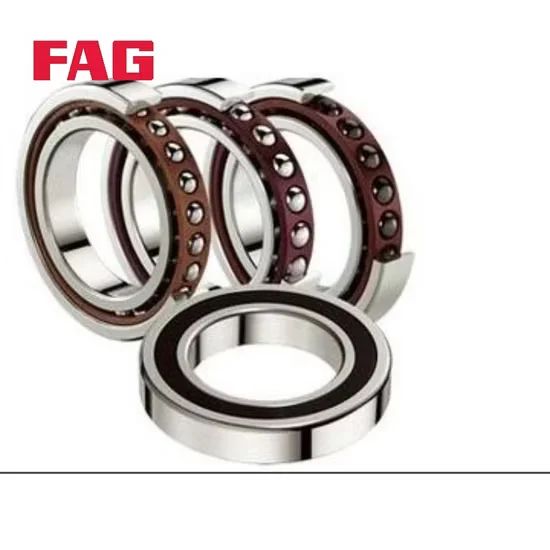
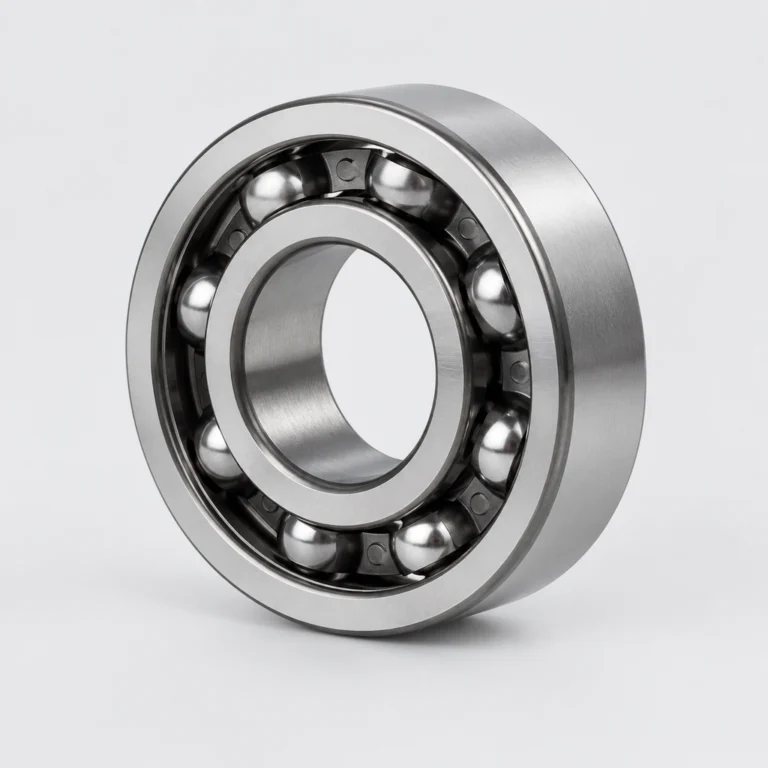
When outfitting a high-frequency spindle, the FAG Hcb71924-E-T-P4s-K5-UL angular contact ball bearing provides the necessary rotational accuracy to maintain tight machining tolerances under heavy cutting loads. Our engineering team meticulously cross-checks the exact suffix combination against your machine's OEM manual to ensure the contact angle and internal clearance perfectly match the original design intent. This rigorous verification process prevents premature runout and ensures the spindle achieves its designed operational lifespan without unexpected degradation, safeguarding your production quality and minimizing scrap rates.
Navigating Thermal and Load Challenges in Spindles
Spindle environments subject bearings to intense combined loading, where radial cutting forces constantly intersect with axial thrust from tool engagement. At elevated rotational speeds, friction generates significant heat, demanding a 25° contact angle to carefully balance axial stiffness with thermal expansion management. Proper lubrication routing is equally critical, as oil-air systems must penetrate the cage pockets effectively without causing churning losses that would otherwise spike the operating temperature and accelerate lubricant degradation. Maintaining this delicate thermal balance is essential for preserving the P4s running accuracy throughout the bearing's service life.
Decoding the P4s Tolerance and 25° Contact Geometry
The P4s precision class dictates exceptionally tight dimensional and running accuracy limits, which is absolutely non-negotiable for minimizing spindle runout at high RPMs. Coupled with the E suffix indicating a 25° contact angle, the internal geometry optimizes the load distribution between the inner and outer raceways. This specific angle provides a robust compromise, offering higher axial rigidity than a 15° design while maintaining the radial capacity needed for heavy milling operations. Furthermore, the single-row configuration allows flexible pairing arrangements to achieve the exact preload required by the spindle builder, adapting to various stiffness demands and ensuring consistent cutting performance across different materials.
The Hidden Toll of Incorrect Preload and Bore Selection
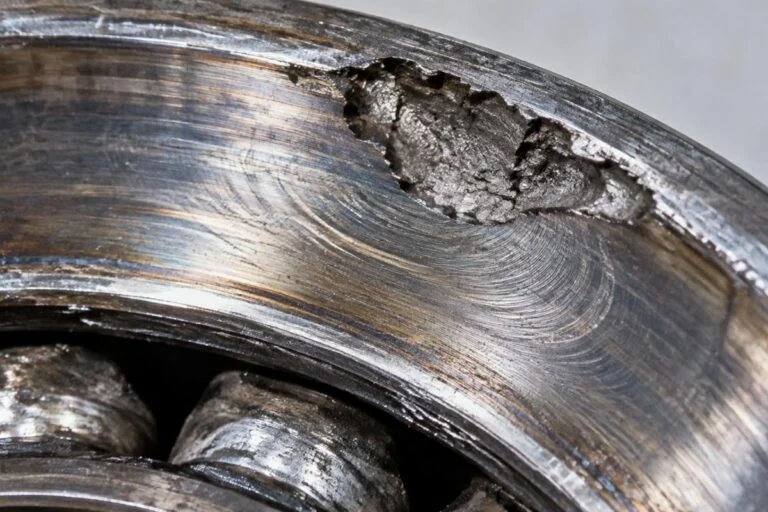
Installing a FAG Hcb71924-E-T-P4s-K5-UL angular contact ball bearing with the wrong internal clearance or mismatched bore profile inevitably leads to catastrophic operational failures. If the preload is too light, the spindle suffers from severe chatter and poor surface finish; if too heavy, the excessive friction rapidly degrades the lubricant film and generates destructive heat. Such misconfigurations routinely result in unplanned downtime, expensive shaft repairs, and severe damage to the spindle housing, ultimately voiding equipment warranties and disrupting tight production schedules. Avoiding these hidden costs requires strict adherence to the specified suffix parameters.
Securing Authentic Spindle Components Through Rigorous Verification
Sourcing genuine high-precision components requires much more than just matching the basic part number on a purchase order. We specialize in verifying the complete suffix string, ensuring that critical attributes like the specific bore specification and preload definitions are exactly what your spindle demands. Our supply chain provides full traceability documentation for every single unit, completely eliminating the risk of receiving counterfeit or downgraded precision classes that frequently plague the secondary market and compromise machining accuracy. This commitment to authenticity ensures that every component performs exactly as the original equipment manufacturer intended.
Documentation & Authenticity
- Certificate of Conformity confirming P4s tolerance grades for this specific batch.
- Original manufacturer batch tracing linking the serial number to the production date.
- Official brand application QR verification to validate the physical packaging labels.
- Dimensional and running accuracy inspection reports verifying the 25° contact angle geometry.
Storage, Handling & Mounting
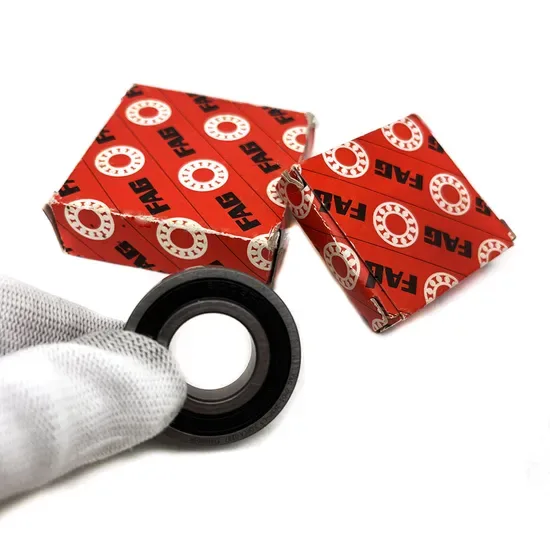
- Keep the factory-sealed packaging intact until mounting to protect the P4s precision raceways from ambient dust.
- Use clean, lint-free gloves when handling the exposed steel surfaces to prevent corrosive sweat transfer.
- Verify the exact K5 bore taper matching dimensions before applying any mounting force to the inner ring.
- Follow the manufacturer's specified oil-air lubrication volume to prevent churning losses at high spindle speeds.
Engineering Review for Your Spindle Application
To ensure optimal performance and longevity, please provide your spindle's maximum operating speed, anticipated radial and axial cutting loads, and the specific pairing arrangement required for your setup. Sharing the original equipment manufacturer's part number allows our technical team to perform a comprehensive cross-reference check and confirm the exact preload class needed for your machinery, ensuring a flawless integration into your existing production line. We will also review your lubrication system specifications to recommend the optimal initial grease fill or oil-air volume for your specific operational parameters.
Frequently Asked Questions
Q: How does the P4s precision class compare to standard ABEC classifications for spindle applications?
A: The P4s classification aligns closely with ABEC 7 but includes stricter running accuracy and dimensional tolerances specifically tailored for machine tool spindles. This ensures minimal radial and axial runout at high rotational speeds, which is critical for achieving fine surface finishes in precision machining operations.
Q: What does the E suffix indicate regarding the internal geometry of this bearing?
A: The E suffix designates a 25° contact angle, which optimizes the bearing's capacity to handle combined radial and axial loads. This specific angle provides greater axial stiffness compared to a 15° design, making it highly suitable for spindle applications where significant axial thrust is generated during cutting operations.
Q: How should single-row angular contact bearings be paired for a CNC lathe main spindle?
A: They are typically mounted in back-to-back or face-to-face arrangements to manage bidirectional axial loads and provide moment rigidity. The exact pairing configuration and preload level must be calculated based on the spindle's specific speed, load profile, and thermal expansion characteristics to prevent operational failure.
Q: What information is needed to verify specific suffix meanings not listed in standard catalogs?
A: To clarify specialized suffixes, we require the exact OEM spindle manual or the original component's data sheet. Our engineering team will cross-reference these documents with the manufacturer's current technical catalogs to confirm the precise cage material, bore taper, and universal preload definitions for your specific machinery.