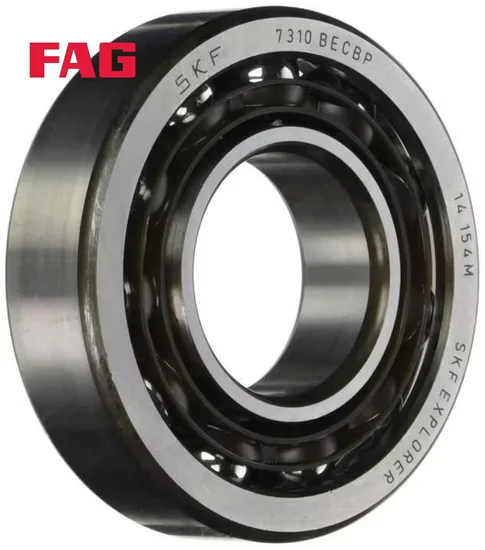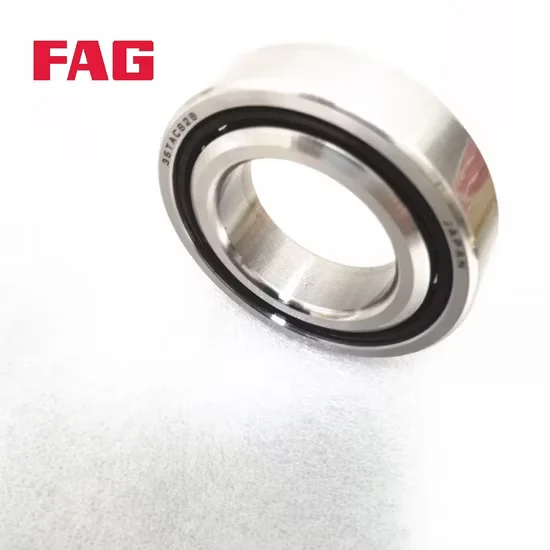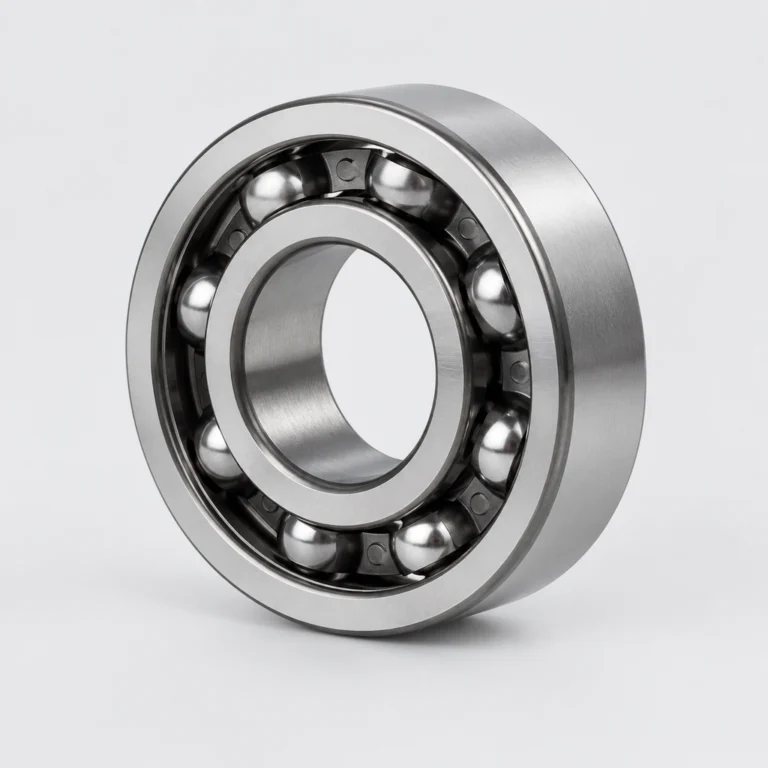
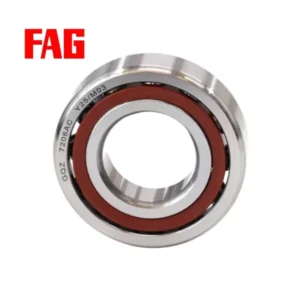

Product details
Description and application notes
Official App Verification — Every FAG HS7021-E-T-P4s-UL angular contact ball bearing ships with a scannable QR code for instant authenticity confirmation via the manufacturer's official application.
Technical Specifications
| Parameter | Value |
|---|---|
| Designation | FAG HS7021-E-T-P4s-UL |
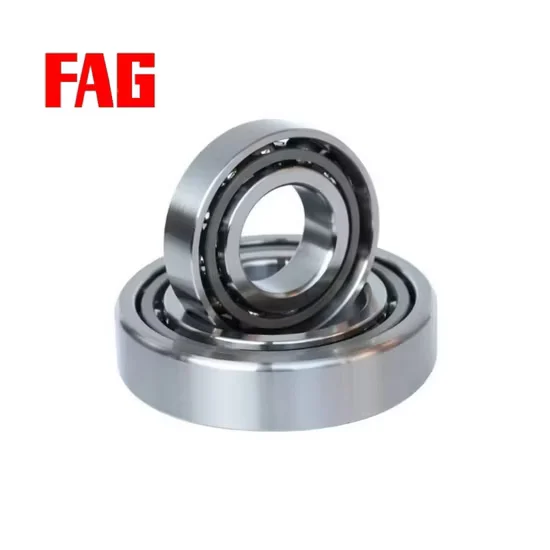
| Bearing Type | Single-Row Angular Contact Ball Bearing |
| Precision Class | P4s |
| Contact Angle | 25° |
| Material | Bearing steel (ceramic or stainless variants available) |
| Arrangement | Single-Row |
| Certification | ISO |
Application Suitability
| Industry | Typical Applications |
|---|---|
| Machine Tool Manufacturing | High-speed CNC milling spindle assemblies |
| Precision Engineering | Robotics joint actuators and rotary tables |
| Industrial Pumping | High-speed centrifugal pump shaft supports |
Why Spindle Vibration Often Traces Back to Ignored Suffixes
Mismatched preload and precision codes are the silent killers of spindle accuracy.
Years ago in Riyadh, I witnessed how overlooking a single pairing suffix caused severe vibration and heat during high-speed operations. With the FAG HS7021-E-T-P4s-UL angular contact ball bearing, assuming standard tolerances apply is a critical mistake. Spindle assemblies demand exact alignment; ignoring specific suffixes leads to premature wear.
Matching Precision Demands in High-Speed Machining
Sourcing the correct FAG HS7021-E-T-P4s-UL angular contact ball bearing requires matching the precision class to your spindle's operational envelope. Our engineering team provides cross-brand consultation to prevent costly mismatches in high-rigidity machine tool setups.
Managing Spindle Loads and Thermal Expansion
Machine tool spindles subject bearings to complex combined loads where radial cutting forces intersect with axial thrust. At elevated speeds, friction generates heat, altering internal clearance and demanding precise thermal management. Proper lubrication and selecting the correct contact angle counteract thermal expansion. Preventing coolant contamination also requires strict attention to sealing arrangements.
Decoding the Core Engineering Parameters
The P4s precision class guarantees tight dimensional and running accuracy, mandatory for minimizing runout in high-speed operations. A 25° contact angle provides an optimal balance, offering substantial axial rigidity to withstand thrust loads while maintaining radial support. The single-row design allows flexible mounting, enabling technicians to configure pairs depending on specific moment load requirements. These specifications ensure reliable performance under rigorous demands.
The Hidden Costs of Incorrect Bearing Selection
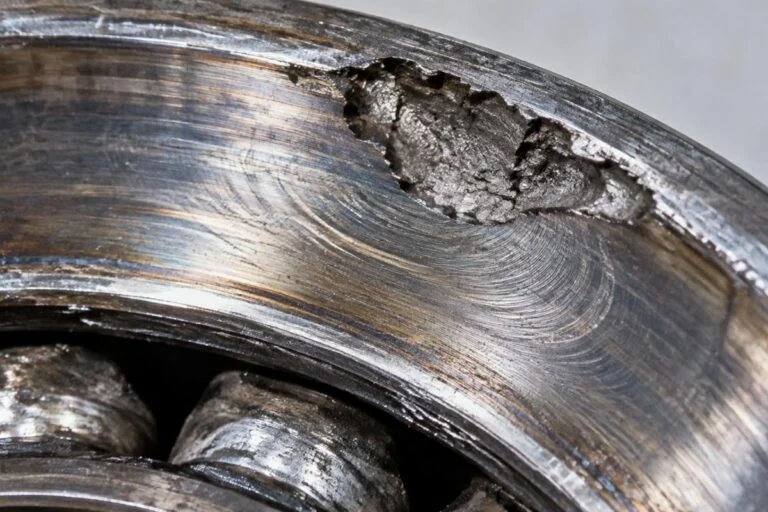
Installing a bearing lacking necessary running accuracy leads directly to catastrophic damage to the spindle housing and scrapped parts. Such premature failure voids warranties and results in unplanned downtime. According to failure analysis frameworks, incorrect selection is a primary root cause of early fatigue. The financial impact far exceeds initial procurement savings.
Securing Authentic Precision Components
We supply genuine original bearings with complete traceability documentation, ensuring every P4s component meets strict ISO-compliant quality standards. Our massive spot inventory allows us to fulfill single-unit emergency orders without delay. Because high-precision spindle bearings are susceptible to counterfeit risks, we guarantee authentic products. Our technical team offers long-term support, assisting with failure analysis and correct preload pairing guidance.
Documentation & Authenticity
- Original factory batch traceability certificates confirming the exact production run of the P4s components.
- Running accuracy inspection reports verifying tight dimensional tolerances before dispatch.
- Official QR code labels for instant digital authentication via the manufacturer's application.
- Material certificates detailing the metallurgical composition of the selected steel, ceramic, or stainless rings.
Storage, Handling & Mounting Protocols
- Keep the single-row bearings in original moisture-proof packaging until the exact moment of spindle assembly.
- Use clean, lint-free gloves when handling the P4s precision surfaces to prevent corrosive sweat transfer.
- Verify the 25° contact angle orientation marks before pressing the bearing onto the spindle shaft.
- Apply controlled induction heating for inner ring mounting, strictly avoiding localized torch heating.
Technical Inquiry & Selection Support
To ensure optimal spindle performance, share your specific radial and axial load profiles, operating speeds, and thermal conditions. Providing original equipment manufacturer part numbers allows our engineers to perform accurate cross-reference verification. This technical review guarantees the selected configuration matches your machine tool's operational demands.
Frequently Asked Questions
Q: How can I verify the authenticity of this high-precision spindle bearing?
A: We provide original factory batch traceability documentation and official QR codes with every shipment. You can scan these codes using the manufacturer's official application to instantly confirm the genuine product status, ensuring your machine tool spindle receives only authentic, verified components.
Q: What does the P4s precision class indicate for machine tool applications?
A: The P4s designation represents an enhanced level of dimensional and running accuracy compared to standard P4 or ABEC 7 classes. This ultra-precise tolerance is critical for high-speed CNC spindles, as it minimizes radial runout and vibration, directly improving the surface finish of machined parts.
Q: How does the 25° contact angle affect spindle load capacity?
A: A 25° contact angle offers an excellent compromise between radial and axial load capabilities. It provides the necessary axial rigidity to handle thrust forces generated during heavy milling operations, while still maintaining sufficient radial support for the spindle shaft at high rotational speeds.
Q: What are the pairing requirements for single-row spindle bearings?
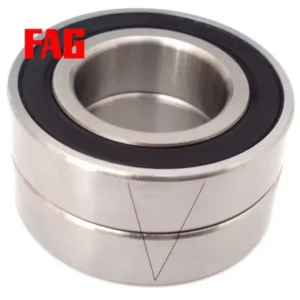
A: Single-row angular contact ball bearings must be installed in matched sets, typically in back-to-back or face-to-face arrangements. Proper pairing ensures the correct preload is applied, which is essential for maximizing spindle rigidity, preventing ball skidding, and managing thermal expansion during continuous high-speed operation.
Q: How should I interpret unverified suffixes in the designation?
A: Certain suffixes like HS, T, and UL in the product designation may not appear in standard public catalogs and require direct verification. We strongly recommend consulting our engineering team to decode these specific suffixes and confirm the exact preload configurations before finalizing your order.