Product details
Description and application notes
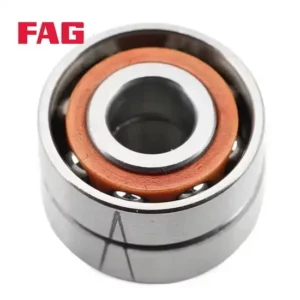
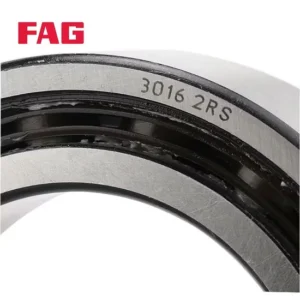
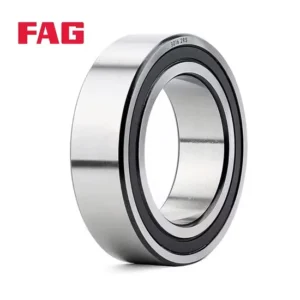
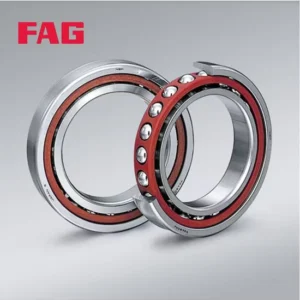
Traceable Batch Origins — Every FAG 3210-B-Tnh-C3 double row angular contact ball bearing we ship includes verifiable factory batch documentation to guarantee material pedigree.
Technical Specifications
| Parameter | Value |
|---|---|
| Designation | FAG 3210-B-Tnh-C3 |
| Product Type | Double Row Angular Contact Ball Bearing |
| Rows Number | Double |
| Material | Bearing Steel |
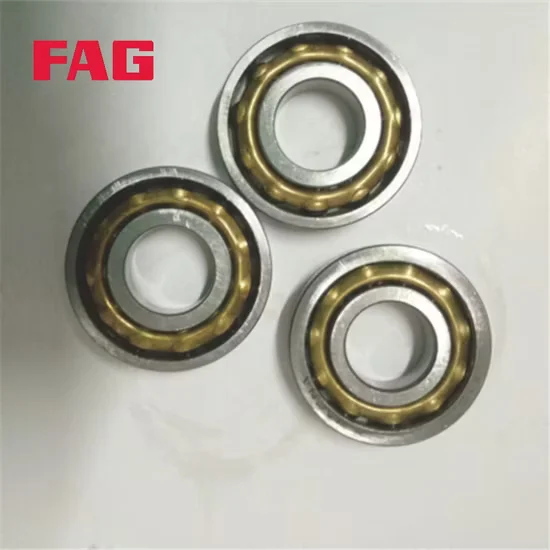
| Cage | Polyamide (Tvh), Sheet Steel, Brass (MP) Cage |
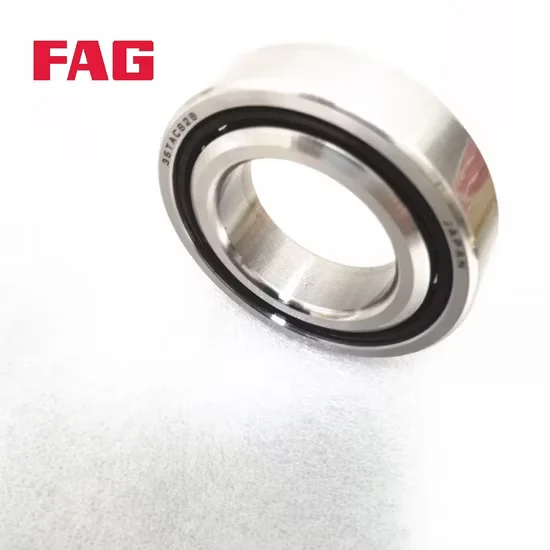
| Seal Type | Open, 2z, 2hrs |
| Precision | P0 / P6 / P5 |
| Contact Angle | 40° (B suffix) |
| Clearance Class | C3 |
| Standards | DIN 628-3, ISO 15:2017 |
Application Suitability
| Industry | Typical Applications |
|---|---|
| Machine Tools | High-speed spindle support and precision indexing tables |
| Fluid Machinery | High-speed pump impeller shafts and multistage booster stages |
| Automation | Robotics joint actuators and precision gearboxes |
Why Suffix Accuracy Dictates Spindle Survival for the FAG 3210-B-Tnh-C3 double row angular contact ball bearing
Misreading a single clearance code turns a high-speed asset into a seized liability.
Early in my procurement career, I specified standard clearance instead of C3 for a double row angular contact setup. The pump heated up, expanded, and locked the rotor solid within hours, destroying the shaft. When sourcing this specific configuration, overlooking the thermal expansion margin invites catastrophic downtime and expensive rebuilds.
Aligning the 40° Contact Angle with Axial Demands
Machine tool spindles and multistage pumps generate substantial axial thrust alongside heavy radial loads. The FAG 3210-B-Tnh-C3 double row angular contact ball bearing utilizes a 40° contact angle to maximize axial load-carrying capacity without sacrificing radial rigidity. Our engineering team cross-references your specific thrust vectors and duty cycles to ensure this exact geometry matches the operational envelope of your equipment.
Navigating Thermal Growth and Lubrication Shear
High-speed pump shafts and precision spindles experience rapid temperature spikes that continuously alter internal clearances. If the initial gap is too tight, thermal expansion eliminates the operational clearance, causing excessive friction and rapid lubricant breakdown. Furthermore, open or shielded configurations require precise relubrication intervals to prevent contaminant ingress while carefully managing the heat generated by the specific cage material in use.
Decoding the B, C3, and Cage Designations
The "B" suffix confirms the 40° contact angle, providing the necessary axial stiffness for rigid double-row arrangements. The "C3" radial internal clearance is critical here; it provides the thermal expansion room that standard CN clearance lacks, preventing the severe seizure I witnessed years ago. Regarding the cage, options include polyamide, sheet steel, or brass, each suited for different speed and vibration profiles. Note: The "Tnh" suffix in this specific designation remains unverified in current public catalogs and requires direct manufacturer confirmation before finalizing the order.
The Financial Impact of Clearance and Cage Mismatches
Selecting a standard clearance for a high-temperature application inevitably leads to premature failure and extensive unplanned downtime. According to established failure analysis frameworks, incorrect internal clearance is a primary driver of early fatigue and severe raceway spalling. Additionally, mismatching the cage material to the operating speed can cause cage fracture, resulting in catastrophic damage to the entire spindle assembly and immediately voiding equipment warranties.
Securing Genuine Components for Critical Rotating Assets
We maintain massive spot inventory covering thousands of standard and special part numbers, ensuring urgent maintenance requirements for this specific double row configuration are met without delay. Our team provides cross-brand equivalent model consultation, helping you verify if this exact geometry aligns with your OEM specifications. We enforce strict ISO-compliant quality assurance, supplying complete traceability documentation to eliminate the risk of counterfeit parts entering your facility. Furthermore, our flexible MOQ allows you to order a single emergency spare or consolidate a full container of mixed packages.
Documentation & Authenticity
- Official QR code scanning support to verify the exact batch origin of your angular contact bearings.
- Complete traceability documentation linking the C3 clearance certification to the original manufacturing lot.
- Material inspection reports confirming the bearing steel composition and heat treatment hardness.
- Dimensional and running accuracy inspection reports verifying P6 or P5 tolerances prior to dispatch.
- Certificate of Conformity detailing the specific cage material and 40° contact angle specifications.
Storage, Handling & Mounting
- Keep the polyamide caged variants away from direct UV exposure to prevent cage material degradation before installation.
- Store open-type configurations in original moisture-barrier packaging until mounting to protect the precision raceways from corrosion.
- Use induction heaters with strict temperature controls when mounting the inner ring to preserve the C3 internal clearance.
- Ensure matched sets remain sealed and follow factory alignment marks to maintain the intended preload and contact angle geometry.
- Avoid using carbon steel tools directly on the bearing faces to prevent surface marring on the precision ground rings.
Engineering Review and Selection Support
To ensure this FAG 3210-B-Tnh-C3 double row angular contact ball bearing perfectly suits your machinery, please share your operational parameters including radial and axial loads, maximum RPM, and steady-state operating temperatures. Providing the OEM equipment model number allows our technical team to perform a comprehensive cross-reference check. We will then calculate the L10 life and verify if the C3 clearance and 40° contact angle meet your specific reliability targets.
Frequently Asked Questions
Q: How does C3 clearance differ from standard CN in this double row angular contact bearing?
A: C3 provides greater internal radial clearance than standard CN. In high-speed pump or spindle applications, friction generates heat, causing the inner ring to expand. The C3 gap accommodates this thermal growth, preventing the bearing from seizing, which is a critical failure mode I have encountered firsthand when standard clearance was mistakenly specified.
Q: What does the 40° contact angle (B suffix) mean for my equipment's load capacity?
A: The 40° contact angle optimizes the bearing to handle heavy axial loads in one direction while supporting radial loads. This geometry provides high axial rigidity, making it ideal for machine tool spindles and gearboxes where precise axial positioning and thrust resistance are required during heavy cutting or pumping operations.
Q: How can I verify the authenticity of the FAG bearings before installation?
A: You can verify authenticity by scanning the official QR code on the packaging using the manufacturer's official app. We also provide complete traceability documentation, including the Certificate of Conformity and batch inspection reports, ensuring the physical dimensions, cage material, and clearance class exactly match the genuine factory specifications.
Q: How do I choose between polyamide, sheet steel, and brass cages for this application?
A: Polyamide cages are lightweight and ideal for high-speed, low-vibration environments. Brass cages offer superior durability for high-load or high-vibration conditions, while sheet steel provides a cost-effective balance for standard industrial speeds. Share your specific RPM and vibration data, and our team will recommend the optimal cage material for your operating envelope.
Q: What mounting precautions are critical for maintaining the 40° contact angle performance?
A: Proper alignment during mounting is crucial to avoid inducing unintended preload or misalignment, which compromises the 40° contact angle geometry. Use controlled induction heating for the inner ring, avoid striking the rings directly, and ensure the shaft and housing tolerances strictly match the manufacturer's specifications to preserve the designed internal clearance and load distribution.