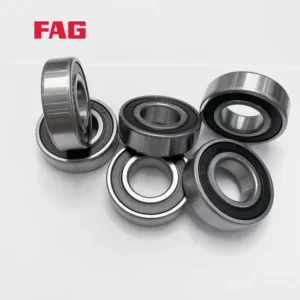


Product details
Description and application notes
Unified Multi-Brand Sourcing — Consolidate FAG61900 orders with SKF or NSK equivalents in a single shipment without juggling multiple vendors.
Technical Specifications
| Parameter | Value |
|---|---|
| Designation | FAG61900 |
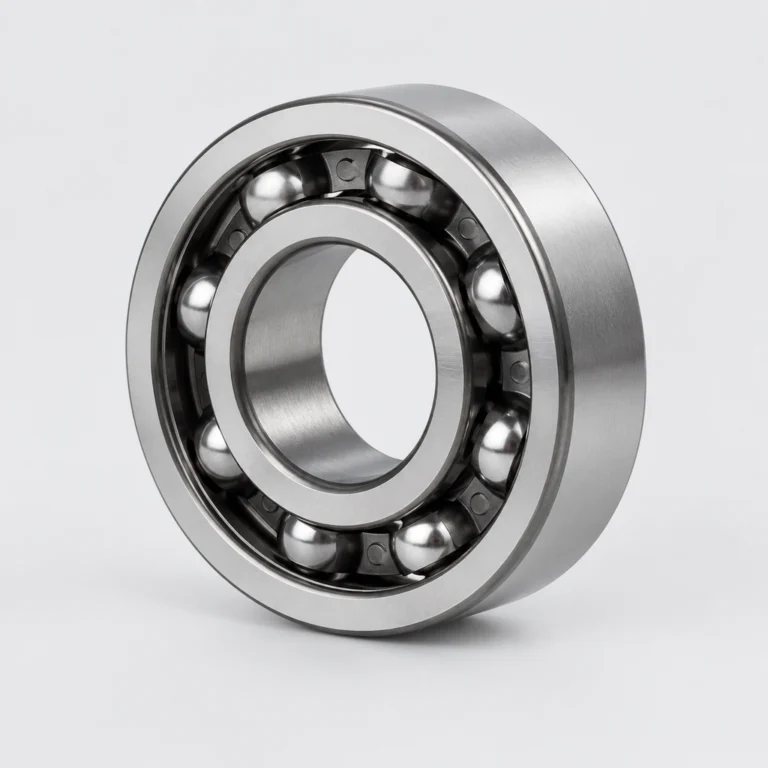
| Bearing Type | Deep Groove Ball Bearing |
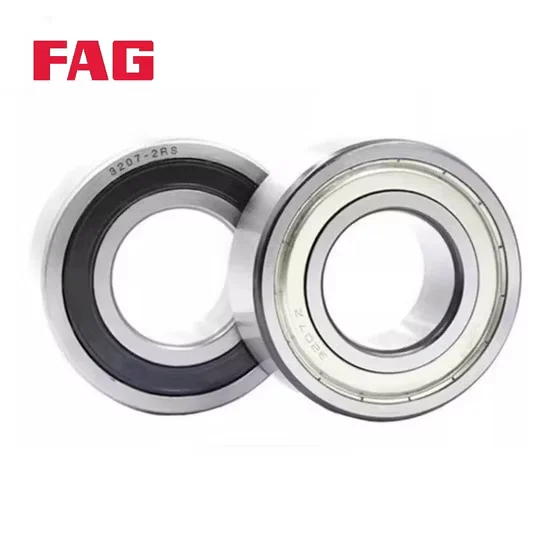
| Seal or Shield Type | Open, 2Z (Double steel shield) |
| Lubrication | Grease or Oil |
| Arrangement | Unseparated |
| Origin | Jiangsu China |
Application Suitability
| Industry | Typical Applications |
|---|---|
| Electric Motors | Rotor shaft support in high-speed induction motors |
| Pumps | Impeller shaft alignment in centrifugal water pumps |
| Gearboxes | High-speed input shaft positioning in industrial reducers |
Why Non-Contact Shields Fail in Humid Motor Environments for the FAG 61900 deep groove ball bearing
Steel shields block large debris but cannot stop vapor intrusion.
I once inspected a batch of failed motors where moisture bypassed the metal shields, causing early rust and seizure on the raceways. When specifying a FAG 61900 deep groove ball bearing for damp or dusty conditions, relying solely on non-contact shields often leads to premature corrosion. Selecting the correct sealing configuration prevents these hidden moisture paths. Many maintenance engineers overlook the microscopic gap between the shield and the inner ring, which acts as a direct channel for humid air. Over time, this vapor condenses inside the bearing, degrading the grease and initiating surface fatigue. Understanding these environmental interactions is crucial for extending service life in demanding industrial facilities.
Aligning Seal Configurations with Operational Realities
When integrating a FAG 61900 deep groove ball bearing into electric motors or pumps, the operating environment strictly dictates the sealing choice. Our supply chain provides flexible sealing options, ensuring that maintenance teams receive the exact configuration needed to keep contaminants out while retaining factory-applied lubrication. We frequently see procurement teams default to standard shielded variants for all applications, which creates vulnerabilities in washdown or high-humidity zones. By evaluating the specific exposure risks of your machinery, we can align the supply with contact seals or specialized greases that actively repel water. This proactive matching eliminates the trial-and-error approach that often plagues mixed-brand MRO inventories.
Navigating Radial Loads and Contamination Risks
Deep groove designs primarily handle radial loads, but high-speed motor shafts also generate significant thermal expansion and dynamic vibrations. If the lubrication degrades due to particle ingress, friction increases rapidly, leading to thermal runaway. Non-contact metal shields offer low friction for high-speed applications, yet they leave microscopic gaps that fine dust can penetrate. In contrast, contact rubber seals provide superior exclusion of fine particulates and moisture, though they introduce slightly higher rotational resistance. Engineers must balance the need for speed capability against the severity of the surrounding environment. Ignoring this balance often results in frequent relubrication cycles or unexpected shaft lockups during peak production hours.
Decoding Shield and Lubrication Specifications
The 2Z configuration indicates double steel shields, which are pressed into the outer ring to retain grease and block large particles without touching the inner ring. This non-contact design is ideal for high-speed electric motors where minimizing friction heat is critical for rotor stability. For applications requiring stricter moisture exclusion, alternative contact seal variants are available upon request. The unseparated arrangement ensures the bearing components remain intact during installation, preventing misalignment of the rolling elements. Furthermore, grease or oil lubrication options accommodate varying thermal and speed requirements, allowing facility managers to standardize their maintenance schedules. Properly interpreting these suffix codes ensures that the physical hardware matches the digital bill of materials exactly.
The Downtime Penalty of Mismatched Seals
Installing a shielded bearing in a high-humidity washdown area inevitably leads to moisture penetration and severe raceway spalling. Such misapplications result in unplanned downtime, costly emergency freight, and catastrophic damage to adjacent motor windings. Following the contamination classification guidelines helps engineers avoid these expensive replacements and maintain reliable equipment uptime. When a component fails prematurely due to the wrong seal type, the root cause is often misdiagnosed as a material defect rather than an application error. Correcting this specification at the procurement stage saves significant operational capital and prevents cascading mechanical failures across the production line.
Securing Authentic Components for Critical Rotating Equipment
Sourcing genuine components requires more than just matching basic part numbers; it demands strict verification of suffixes, internal clearances, and cage designs. We cross-reference every FAG61900 order against official catalogs to prevent the common mistake of substituting a shielded unit where a sealed one is required. Our inventory consolidation allows mixed-brand project orders to ship together, backed by full batch traceability to eliminate counterfeit risks. Buyers often face pressure to accept unverified alternatives during supply shortages, but compromising on sealing specifications introduces severe reliability gaps. By maintaining rigorous technical vetting, we ensure that every unit delivered performs exactly as the original equipment manufacturer intended.
Documentation & Authenticity
- Certificate of Conformity matching the specific FAG61900 batch number
- Official manufacturer app QR code verification for each carton
- Dimensional inspection reports confirming bore and outer diameter tolerances
- Material traceability documents linking the steel to the original mill heat
Storage, Handling & Mounting
- Keep the 2Z shielded units in original packaging until mounting to prevent dust accumulation on the steel shields
- Store unseparated deep groove bearings horizontally to avoid brinelling from the shaft weight
- Use clean, lint-free gloves when handling open-type variants to prevent skin moisture from causing raceway corrosion
- Avoid pressing installation forces through the rolling elements to protect the precise groove geometry
Preparing Your Technical Requirements for Review
To ensure the selected configuration matches your exact motor or pump design, please share the radial and axial load profiles, operating speeds, and ambient temperature ranges. Providing the OEM equipment model number allows our engineering team to perform a precise cross-reference check and confirm the optimal seal and lubrication setup.
Frequently Asked Questions
Q: How do I verify the authenticity of the received bearings?
A: Every shipment includes a Certificate of Conformity with a unique batch number. You can scan the QR code on the packaging using the manufacturer's official mobile application to instantly verify the origin and production details, ensuring the components are genuine and fully traceable before installation.
Q: What is the difference between 2Z shields and contact rubber seals?
A: The 2Z steel shields provide non-contact protection, offering low friction ideal for high-speed electric motors while blocking large debris. Contact rubber seals offer tighter moisture and fine dust exclusion but generate slightly higher friction. Choosing between them depends entirely on your specific speed limits and contamination exposure.
Q: Why must clearance and cage material be verified during cross-referencing?
A: Simply matching the basic dimensions is insufficient for reliable operation. Different internal clearances compensate for varying thermal expansions, and cage materials dictate high-speed stability. Verifying these parameters ensures the substitute bearing performs identically under your specific load and temperature conditions without risking premature mechanical failure.
Q: How should the 2rsr suffix be interpreted for this series?
A: The 2rsr designation is an unverified suffix that requires direct confirmation against the current manufacturer catalog before ordering. We always cross-check such specific suffix codes with official technical documentation to ensure the sealing configuration exactly matches your engineering requirements and avoids costly application mismatches.