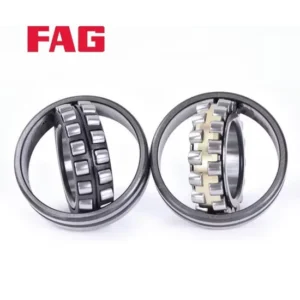
Product details
Description and application notes
Multi-Brand Sourcing Hub — Consolidate mixed OEM part lists into a single verified shipment without juggling separate vendor accounts.
Technical Specifications
| Parameter | Value |
|---|---|
| Designation | FAG 22222-E1-a-M |
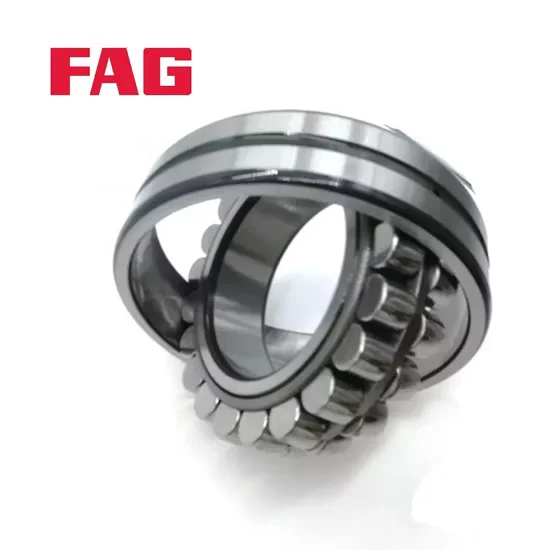
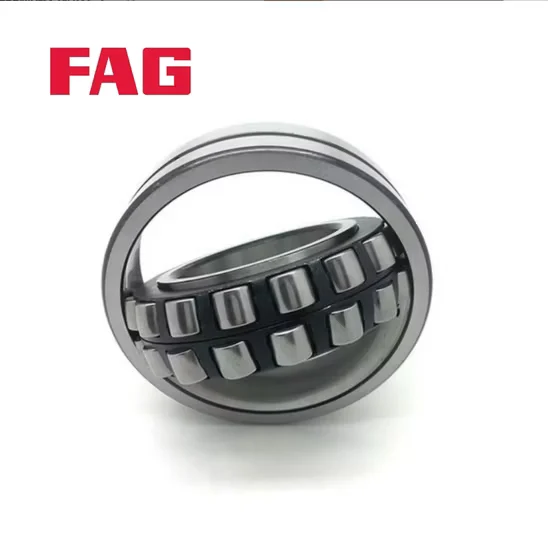
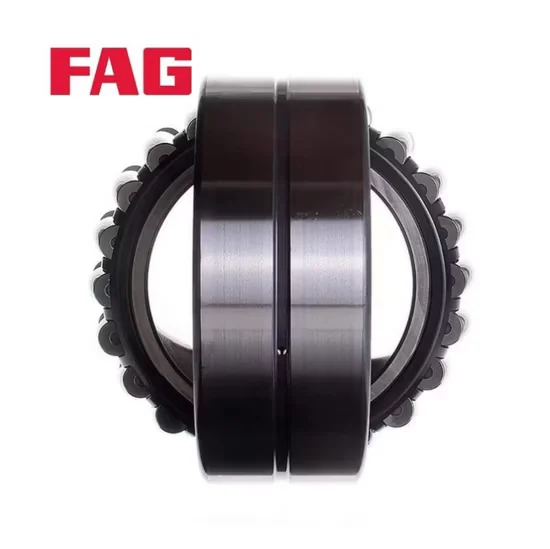
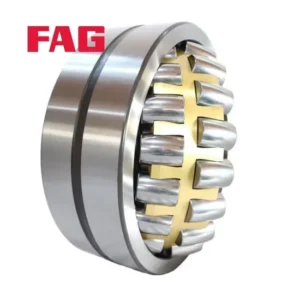
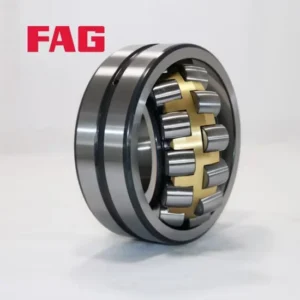
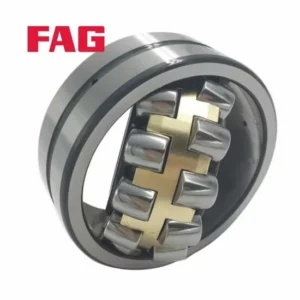
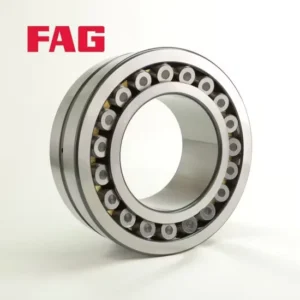
| Bearing Type | Spherical Roller Bearing |
| Arrangement | Double Row, Self-Aligning |
| Cage Material | Machined Brass (M suffix) |
| Material | Chrome Steel GCr15 |
| Precision Class | P0, P6, P5, P4, P2 |
| Origin | Jiangsu, China |
Note: The E1 and a suffixes are unverified and require manufacturer catalog confirmation.
Application Suitability
| Industry | Typical Applications |
|---|---|
| Mining & Aggregates | Vibrating screens and primary crushers |
| Pulp & Paper | Paper machine dryer cylinders and press rolls |
| Metallurgy | Steel mill continuous casting equipment and roll necks |
Why Vibration Kills Standard Cages Before the FAG 22222-E1-a-M spherical roller bearing Fails
Brass cages absorb high-frequency shocks that snap stamped steel alternatives in heavy vibrating equipment.
I still remember the aftermath of a steel mill line halt caused by a seized spherical roller bearing during a routine shift. The maintenance team initially assumed the inner rings had cracked under the continuous radial load, but the real culprit was a fragmented stamped cage struggling to survive extreme oscillation. When sourcing a FAG 22222-E1-a-M spherical roller bearing for vibrating screens or primary crushers, ignoring cage material selection inevitably leads to catastrophic unplanned downtime. Procurement engineers often focus solely on the basic dimensions, overlooking how the internal components react to relentless mechanical shocks. This oversight shifts a minor component replacement into a major structural repair, costing facilities significant revenue in lost production hours.
Matching Machined Brass to High-Shock Environments
The machined brass cage design ensures the FAG 22222-E1-a-M spherical roller bearing maintains precise roller alignment during severe radial shocks and sudden load reversals. Our supply network frequently supports mining clients who replace failed standard bearings with these heavy-duty variants to stabilize screening decks and prevent deck warping. Securing authentic traceable units prevents the premature fatigue seen in counterfeit alternatives that use inferior alloys. By prioritizing the correct cage material, plant managers effectively shield their critical path machinery from the cascading effects of sudden mechanical seizure, ensuring continuous throughput even under the harshest aggregate processing conditions.
Managing Thermal Expansion and Contamination in Steel Mills
Continuous casting zones and paper machine dryer sections expose rotating equipment to intense radiant heat and heavy scale contamination. Elevated temperatures demand specific internal clearances to prevent the rolling elements from binding when the inner ring expands against the shaft. Without adequate thermal allowance, the friction generates even more heat, creating a destructive feedback loop. Furthermore, the absence of integrated seals means external housing seals and proper relubrication intervals are absolutely mandatory to flush out abrasive particles before they score the raceways. Ignoring these environmental factors drastically reduces the operational lifespan of the assembly, regardless of the steel quality.
Decoding the Double Row Self-Aligning Geometry
The double row self-aligning arrangement allows the inner ring to pivot smoothly relative to the outer ring, compensating for shaft deflections and housing misalignments that are incredibly common in heavy machinery foundations. The M suffix confirms a solid machined brass cage, which offers superior heat dissipation and structural integrity compared to polymer alternatives at high rotational speeds. Selecting the appropriate precision class, ranging from standard P0 up to P2, dictates the running accuracy and vibration limits of the entire assembly. For applications where shaft rigidity is compromised by long spans or heavy overhung loads, this self-aligning capability prevents edge loading on the rollers, distributing the stress evenly across the full contact area and maximizing fatigue life.
The Cascading Impact of Ignoring Suffix Details
Specifying a standard clearance instead of the required enlarged clearance for high-heat applications results in internal preload and rapid thermal seizure. This single oversight voids warranty coverage and triggers cascading damage to adjacent shafts, housings, and drive motors. According to industry frameworks, a significant share of premature failures stems directly from mismatched internal geometry rather than inherent material defects. When the internal clearance collapses, the lubricant film breaks down, leading to metal-to-metal contact and catastrophic surface spalling. Recognizing these hidden costs forces procurement teams to look beyond the initial purchase price and evaluate the total cost of ownership, including the expense of emergency downtime and secondary component replacements.
Securing Authenticity in a Market Flooded with Counterfeits
Procuring genuine units requires more than just matching the basic part number; the exact cage and clearance suffixes must align perfectly with your OEM manual. We cross-reference dimensional and material inspection reports against original manufacturer catalogs to verify every single shipment leaving our facility. Our inventory covers thousands of part numbers, allowing us to consolidate mixed-brand MRO orders into single container shipments, simplifying your logistics. Buyers receive full batch traceability, eliminating the risk of installing undocumented replacements in critical crushers or paper machines. This rigorous verification process ensures that the performance characteristics promised on the datasheet are actually delivered to the shop floor, protecting your equipment from the unpredictable failures associated with the grey market.
Documentation & Authenticity
- Certificate of Conformity verifying the exact FAG 22222-E1-a-M configuration.
- Original batch traceability codes linking the machined brass cage to the production heat.
- Dimensional inspection reports confirming P-class tolerances before dispatch.
- Material certificates validating the GCr15 chrome steel chemistry.
- Anti-counterfeit QR verification accessible via official brand applications.
Storage, Handling & Mounting
- Store the double row units in original packaging to protect the machined brass cage from ambient humidity.
- Use induction heaters for cylindrical bore mounting, strictly monitoring temperature to preserve GCr15 steel hardness.
- Apply clean gloves during handling to prevent acidic skin oils from corroding the chrome steel surfaces.
- Verify housing alignment prior to pressing, as the self-aligning feature cannot compensate for extreme structural distortion.
- Flush the open bearing with clean oil during installation to remove any long-term storage preservatives.
Preparing Your Technical Data for Selection Review
To ensure the selected configuration matches your operational reality, share the specific radial and axial loads alongside expected operating temperatures and rotational speeds. Providing the OEM equipment nameplate data allows our engineering team to cross-reference the exact clearance and cage requirements against the original design parameters. Detail the environmental exposure, such as dust ingress, moisture levels, or chemical washdowns, so we can recommend the optimal housing seal arrangement and lubrication strategy. This collaborative approach shifts a simple transaction into a technical partnership, ensuring the installed components deliver maximum reliability and minimize future maintenance interventions.
Frequently Asked Questions
Q: How to verify the authenticity of FAG bearings through official channels?
A: Authenticity verification starts by scanning the anti-counterfeit QR code printed on the original packaging using the manufacturer's official mobile application. Buyers should also cross-check the batch traceability numbers on the certificate of origin against the physical markings etched on the bearing rings to ensure the documentation matches the delivered hardware.
Q: What are the critical alignment checks when cross-referencing clearance and cage?
A: When validating the configuration, maintenance engineers must confirm that the internal clearance class accommodates the thermal expansion expected in the application. Additionally, verifying the M suffix ensures the bearing utilizes a machined brass cage rather than a stamped steel variant, which is critical for surviving the high-frequency vibrations typical in screening equipment.
Q: How to choose the right precision class for vibrating screens?
A: Standard P0 precision is generally sufficient for most heavy-duty vibrating screens where extreme running accuracy is not the primary concern. However, if the equipment operates at exceptionally high speeds or requires minimized vibration transfer to the structural frame, specifying a tighter tolerance class like P6 or P5 will noticeably improve operational smoothness and extend service intervals.
Q: What are the boundary conditions for selecting machined brass vs steel cages?
A: Machined brass cages are mandatory for applications involving severe shock loads, high oscillation frequencies, or elevated temperatures where polymer cages would degrade. Stamped steel cages remain suitable for standard industrial gearboxes with steady loads and moderate speeds. The decision ultimately hinges on the severity of the vibration profile and the maximum continuous operating temperature.
Q: Recommended lubrication and relubrication intervals for heavy-duty spherical roller bearings?
A: Relubrication intervals depend heavily on the operating temperature, rotational speed, and contamination level of the environment. In dusty mining or crushing applications, frequent purging with fresh grease is necessary to expel abrasive particles from the raceway. Engineers should calculate the specific replenishment volume based on the bearing's outer diameter and width to avoid overfilling the housing.