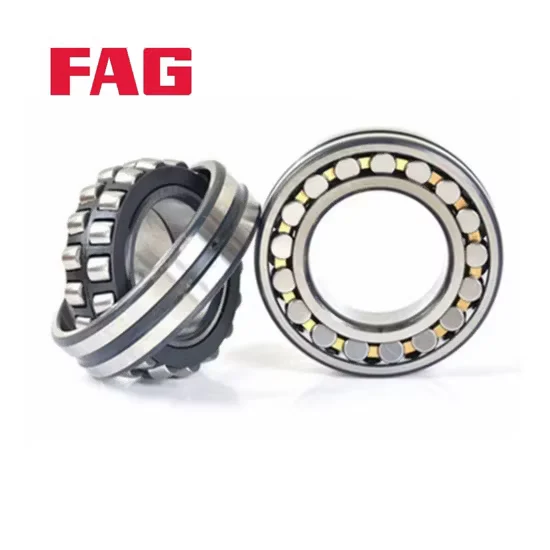
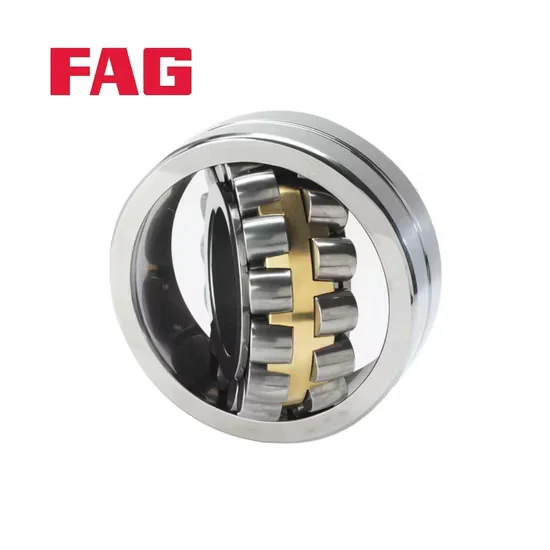
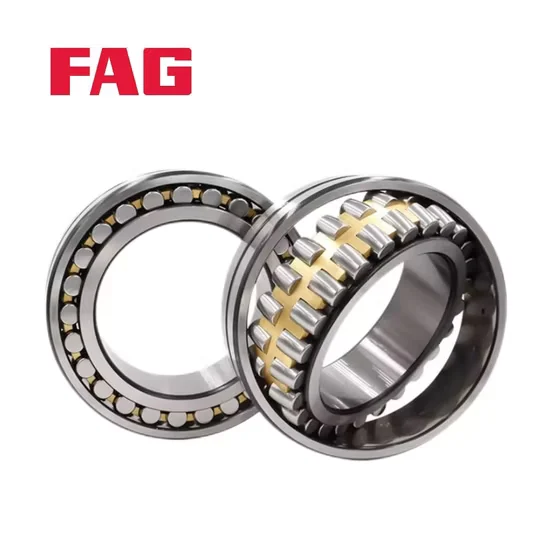
Matching the part number is not enough.
Sourcing genuine FAG large bearings wholesale supplier in the US markets requires strict adherence to ISPM-15 packaging standards and precise internal clearance selection based on transit climate differentials, rather than relying solely on dimensional specifications.
I remember standing on the dock at Jebel Ali, watching a container of spherical roller bearings get sealed for a project in Riyadh that was ultimately destined for a US-based heavy equipment manufacturer. The paperwork looked perfect. The part numbers matched the purchase order exactly. Yet, when the shipment arrived stateside, it was rejected. The wooden pallets lacked the required ISPM-15 heat-treatment stamps, triggering an immediate customs hold. Worse, the C4 clearance selected for desert operation caused thermal binding once the units were installed in a cooler US facility. That incident cost a mid-six-figure loss in rework and delays. It clarified a critical reality for anyone acting as a FAG large bearings wholesale supplier in the US: compliance and climate adaptation are just as vital as the bearing itself.
Understanding these hidden pitfalls transforms how distributors approach procurement. It shifts the focus from simple inventory matching to holistic supply chain validation.
Why Do Standard FAG Bearings Fail in US Transit?
Climate mismatches and packaging oversights cause hidden failures before installation.
Many buyers assume that a bearing manufactured to global standards will perform identically regardless of its journey. This is a dangerous misconception. The transit environment significantly impacts both the physical integrity of the packaging and the mechanical readiness of the component.
When sourcing from a FAG large bearings wholesale supplier in the US, one must account for the temperature delta between the manufacturing or consolidation hub and the final application site. Bearings shipped from warmer climates to cooler US regions, or vice versa, experience material contraction and expansion. If the internal clearance is not adjusted for this specific differential, the bearing may arrive pre-stressed or loose.
Consider the case of a mining operator in the American Southwest. They ordered large cylindrical roller bearings from a general distributor who focused only on price. The bearings were stored in a humid coastal warehouse before being trucked inland. The lack of proper vapor-corrosion inhibitor (VCI) packaging led to surface micro-corrosion on the raceways. By the time the units were installed, the initial vibration levels were already elevated, leading to premature fatigue.
| Failure Mode | Root Cause | Prevention Strategy |
|---|---|---|
| Thermal Binding | Incorrect clearance for temperature delta | Select clearance based on operating temp range |
| Customs Rejection | Missing ISPM-15 stamps on wood | Verify heat-treated pallet certification |
| Surface Corrosion | Humidity exposure during transit | Use VCI packaging and desiccants |
| False Brinelling | Vibration during long-haul transport | Secure inner rings with shipping bands |
A reliable FAG large bearings wholesale supplier in the US will not just ship boxes; they will engineer the transit protocol. This includes selecting the correct preservative oils and ensuring that the packaging materials meet the stringent entry requirements of US Customs and Border Protection.
How to Choose the Right Internal Clearance?
Match clearance to the specific temperature delta of the US application.
Internal clearance is often treated as a static specification, but it is a dynamic variable. Standard clearances like C3 or C4 are not universal solutions. Choosing the wrong one can lead to catastrophic failure, especially in large bore applications where thermal growth is significant.
For industrial machinery operating in the US, the ambient temperature can vary drastically from the Gulf Coast to the Northern Plains. A bearing with standard clearance might work perfectly in Texas but fail in Minnesota due to excessive preload in cold starts. Conversely, a bearing with tight clearance might overheat in a high-ambient environment if the housing does not dissipate heat effectively.
When consulting with a FAG large bearings wholesale supplier in the US, buyers should provide detailed operational data. This includes the expected operating temperature, the speed of rotation, and the load profile. The supplier should then recommend a clearance class that accommodates the thermal expansion of both the inner and outer rings.
I once assisted a wind farm operator in the Midwest who experienced repeated gearbox failures. The issue was not the load, but the clearance. The bearings were specified with C3 clearance, which was insufficient for the temperature spikes generated during peak production hours. Switching to C4 clearance resolved the thermal issues and extended the service life meaningfully.
| Clearance Class | Typical Application | Temperature Range Suitability |
|---|---|---|
| C2 | Precision machines, low noise | Narrow temperature range |
| C3 | General industrial, electric motors | Standard temperature range |
| C4 | High temperature, heavy loads | Wide temperature range |
| C5 | Extreme conditions, paper machines | Very wide temperature range |
Selecting the correct clearance requires a deep understanding of the application environment. A knowledgeable FAG large bearings wholesale supplier in the US will offer technical support to analyze these parameters, ensuring that the selected bearing can withstand the specific thermal stresses of the job.
What Are the Mandatory US Packaging Rules?
ISPM-15 compliance is non-negotiable for wooden pallets.
Wooden packaging is the most common cause of customs delays for industrial imports into the United States. The International Standards for Phytosanitary Measures No. 15 (ISPM-15) mandates that all wood packaging material be heat-treated or fumigated and marked with a certified stamp.
Without this stamp, the entire shipment can be rejected, returned, or destroyed at the importer’s expense. For large bearings, which are often shipped on heavy-duty wooden crates or pallets, this requirement is critical. Many suppliers from regions without strict enforcement of these standards overlook this detail, assuming that commercial invoices are sufficient. They are not.
A US buyer once faced a week-long delay because the supplier used untreated wooden dunnage to secure the bearings inside the container. The customs inspection flagged the wood, and the entire container was held for treatment. The cost of emergency fumigation and storage fees far exceeded the savings gained from using cheaper packaging.
| Packaging Element | Requirement | Risk of Non-Compliance |
|---|---|---|
| Wooden Pallets | ISPM-15 Heat Treated | Rejection, Return, Destruction |
| Wooden Crates | ISPM-15 Certified | Customs Hold, Fines |
| Dunnage | Treated or Synthetic | Inspection Delay |
| Metal/Plastic | None | Low Risk |
Working with a FAG large bearings wholesale supplier in the US who understands these regulations is essential. They should perform rigorous inspections of all wooden materials before shipment. This includes verifying the visibility and validity of the IPPC mark on every piece of wood used in the packaging structure.
Furthermore, the packaging must protect the bearings from physical damage during handling. Large bearings are heavy and susceptible to shock loads. Proper bracing and cushioning are necessary to prevent false brinelling, which occurs when vibration causes small indentations on the raceways while the bearing is stationary.
How to Verify Authenticity and Consolidate Orders?
Use traceable global suppliers for mixed-brand bulk shipping.
The market for large industrial bearings is rife with counterfeits. Fake bearings may look identical to genuine products but lack the metallurgical quality and precision engineering required for heavy-duty applications. Verifying authenticity is a primary concern for any buyer sourcing from a FAG large bearings wholesale supplier in the US.
Genuine FAG bearings come with traceable documentation, including batch numbers and material certificates. Buyers should request these documents before payment. A reputable supplier will provide full transparency, allowing the buyer to verify the origin of the goods.
Consolidation is another key advantage of working with specialized suppliers. Industrial projects often require a mix of bearing types and brands. Instead of managing multiple vendors, buyers can consolidate orders into a single shipment. This reduces logistics costs and simplifies customs clearance.
For example, a steel mill overhaul might require spherical roller bearings from FAG, tapered roller bearings from Timken, and deep groove ball bearings from SKF. A global supplier with access to multiple brands can source these items, inspect them for authenticity, and pack them together in a single container. This approach ensures that all components meet the same high standards and arrive simultaneously, minimizing downtime.
| Verification Step | Action Required | Purpose |
|---|---|---|
| Document Check | Request Material Certificates | Confirm origin and batch |
| Visual Inspection | Check markings and finish | Identify obvious fakes |
| Packaging Audit | Verify seals and labels | Ensure tamper evidence |
| Supplier Audit | Review track record | Assess reliability |
A professional FAG large bearings wholesale supplier in the US will have established relationships with authorized distributors and manufacturers. This network allows them to source genuine products quickly and reliably, even for hard-to-find part numbers. They also offer technical support to help buyers select the right equivalents if a specific brand is unavailable.
Conclusion
Compliance and precision define successful sourcing.
Securing genuine components for US industrial projects demands more than just finding the lowest price. It requires a partner who understands the nuances of ISPM-15 packaging, thermal clearance selection, and authentic supply chains. By prioritizing these technical and regulatory details, buyers can avoid costly delays and ensure the longevity of their machinery. A trusted FAG large bearings wholesale supplier in the US serves as a critical ally in navigating these complexities, delivering value through expertise and reliability.